Cats react sharply to sounds made not only by other animals but also by humans. Often, even a whisper can cause them to perk up their ears, interpreting a friendly sound as a source of something unpleasant.
Any loud sounds
When cats hear loud sounds, their brains instantly process them to determine whether they signal danger. If a cat is unsure of its safety, its behavior will include running or hiding.
Cats can hear much higher-pitched sounds than humans. This means that yelling at a cat may indicate stress. Every rule has its exception, and this one is no exception: a cat may behave calmly in a room with loud music playing. This has one explanation: the cat decides for itself which sound to respond to. More precisely, it pays attention to whether the loud sound is directed at it. If the sound is coming from the speakers and the cat is not in any danger, it is calm.
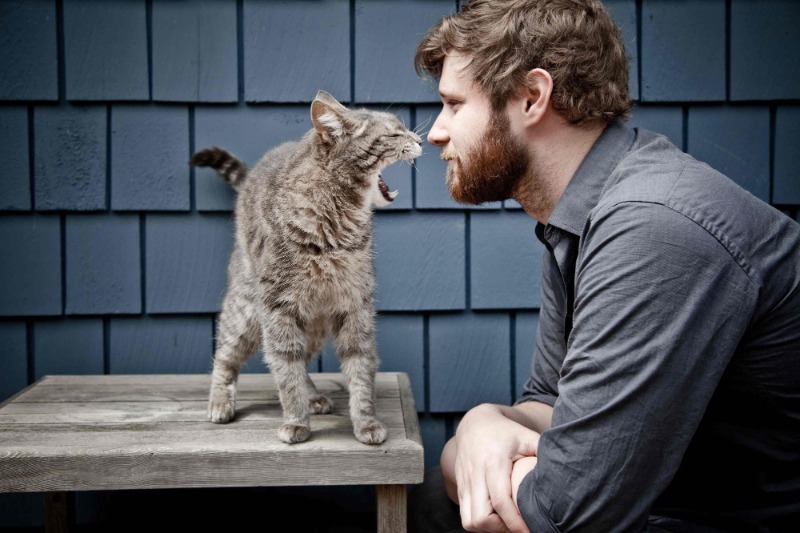
As soon as you raise your voice when interacting with her, the animal will begin to listen and become wary. You can sit opposite the cat and tell her how wonderful she is, how much you love her and her furry face. You're not actually scolding her, but the loud noises will confuse her.
Remember how often your pet tucked her head in, took a few steps back, or simply walked away when you raised your voice? The advice in this situation is simple: speak to your cat in a calm voice to avoid stimulating stress.
Hissing and snorting sounds
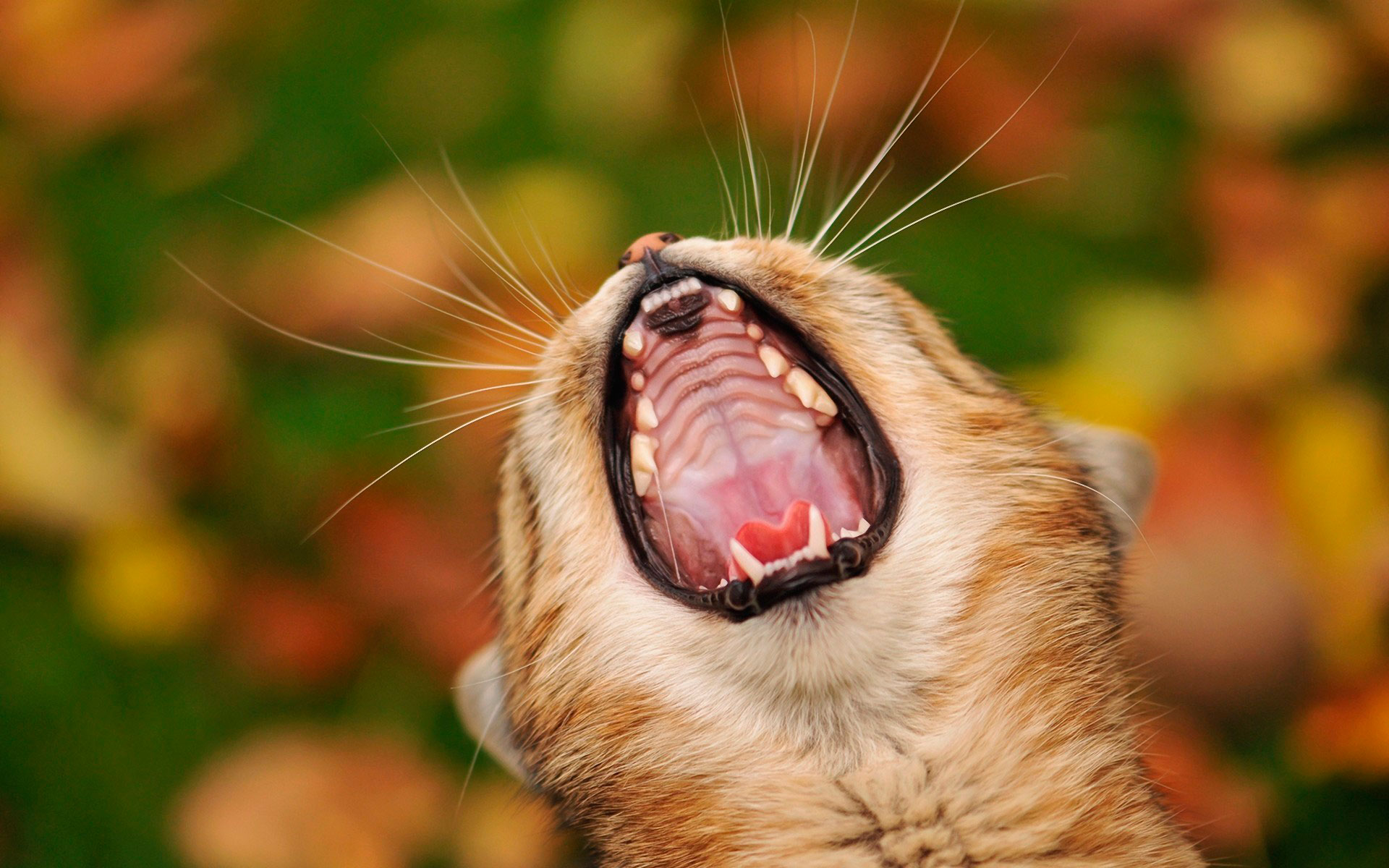
In the animal kingdom, hissing is part of a warning. Since cats avoid physical confrontation, they rely on body posture and vocalizations to deter opponents. A hissing cat gives a verbal warning to its attacker.
Hissing is part of a defensive response, indicating that a cat is aggressive, frightened, and in danger. A cat that hisses is afraid, but ready to fight if necessary. It is believed that cats produce a hissing sound, mimicking the hiss of a snake, which can frighten off attackers.
We may hiss and snarl at them when they've misbehaved or are eating Mom's favorite flower again. For us, this is an attempt to point out the animal's mistake. However, the cat doesn't notice, as it continues eating the flower. Yes, the cat may move away, press its head to its body, or sit with its back to you. For it, hissing is more like an act of aggression and a warning on your part. Noticing that there are no consequences and your attention is no longer focused on it, it continues doing what it was planning.
Sneezing and coughing
You may have noticed your cat looking at you strangely or running away when you sneeze. Cats are creatures of habit and routine. They like the same things, and if something disrupts their little world, they react immediately. Unexpected loud noises are one of the reasons for this reaction.
Some cats react even more nervously to the sounds of sneezing and coughing than others. This may be due to a lack of exposure to noise in their early years or a reminder of a bad experience.
Some pets perceive a sneeze as a hiss and may react aggressively or with caution. In this case, the cat perceives you as the aggressor, since, in its worldview, you've just had a fight.
Every cat is an individual, and their reactions to sounds vary. Some may calmly walk away, while others will attack.
Now you understand why your pet may react aggressively to loud and unexpected sounds. This means you know how to avoid harming your pet.

 Victor
1 comment