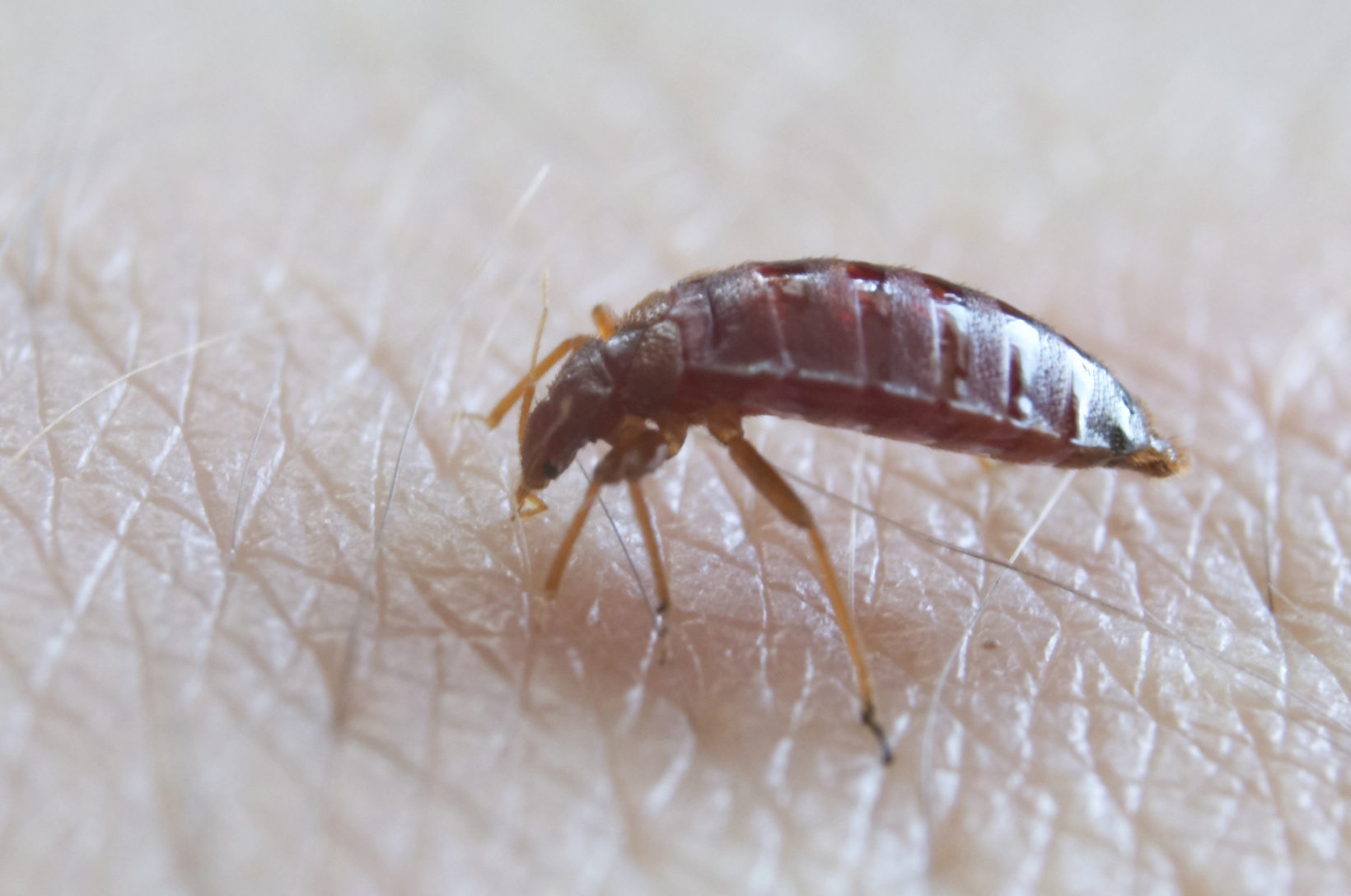
Bedbug infestations are a major problem for humans. The insects actively reproduce even in the most inaccessible places, and their bites deprive people of sleep and peace. Today, there are numerous ways to combat these pests, including repellents, which are becoming increasingly popular and diverse.
Content
Bed bug repellents and their effectiveness
Electronic bedbug repellents are a new generation of pest control devices. Over the past 10 years, people have increasingly adopted them. This is understandable for many reasons: the devices are non-toxic, compact, and easy to use.
Repellents are designed to change the general environment in the insect's habitat, creating discomfort and forcing people to leave their homes.
Unfortunately, it is very difficult to say that repellents are 100% effective. There are no studies to support this, and customer reviews are highly controversial.
The effects of repellents are only visible after a period of time (at least two weeks), meaning the parasites will continue to bite and reproduce during this time. For many, this isn't a positive effect.
Moreover, all repellents are universal and effective against insects and rodents. There are no specific bedbug repellents, and there is no guarantee that a particular model will help get rid of these insects.
In other words, it's impossible to achieve quick results from repellents, and manufacturers recommend using them as an adjunct to insecticide control.
Types of repellents
Today, you can purchase several types of electronic repellents:
- ultrasonic;
- electromagnetic;
- combined.
Any electronic repeller is a small device with a speaker. It can be powered by an AC power source or batteries. High-quality devices have an automatic frequency range changer—this is necessary to prevent insects from adapting to changes in background noise. Repellers don't spoil the overall appearance of an apartment, as they are virtually invisible. Almost all devices also have a light indicator that acts as a night light at night, and an ionizer that purifies the air and neutralizes unpleasant odors.
Ultrasonic repellers
These devices produce ultrasound using a piezoelectric transducer through speakers. These sounds are inaudible to humans due to their low frequency, but they create slight vibrations in the air.
Bedbugs, although deaf, are extremely sensitive to such vibrations. The insect senses air movement through sensilla—hairs located on its abdomen. The effectiveness of these repellents is based on the fact that ultrasound creates cavitation (cell rupture) in the insect's body. The lower the frequency, the better the result.
However, ultrasonic repellers also have their weaknesses: sound waves travel only short distances. The farther the sound is from the source, the weaker it is. Furthermore, the pulses cannot penetrate obstacles such as walls, wooden furniture, or closed doors. Using a repeller in a cluttered apartment is ineffective because upholstered furniture and carpets absorb the sound, softening it.
Results can only be seen after 2–3 weeks of use, which is an important factor when choosing an insect control product.
The most popular ultrasonic repellers:
- Typhoon LS 500 is a Russian product that automatically switches frequencies;
- Ecosniper LS 919 is a device designed for 150–200 m2. Battery life up to 4 months;
- Ecosniper LS 968 - repellers from Taiwan, differs from the LS 919 model in its coverage area of up to 400 m2;
- The AR 130 is a Bulgarian-made device that operates on a mains supply. Results are visible within one month;

Electronic repellents
- Sititek Flash is considered the most effective insect repellent. It operates off the grid and spreads waves up to 80 meters.2The device is equipped with a trap that attracts parasites using heat, carbon dioxide and ultraviolet light;
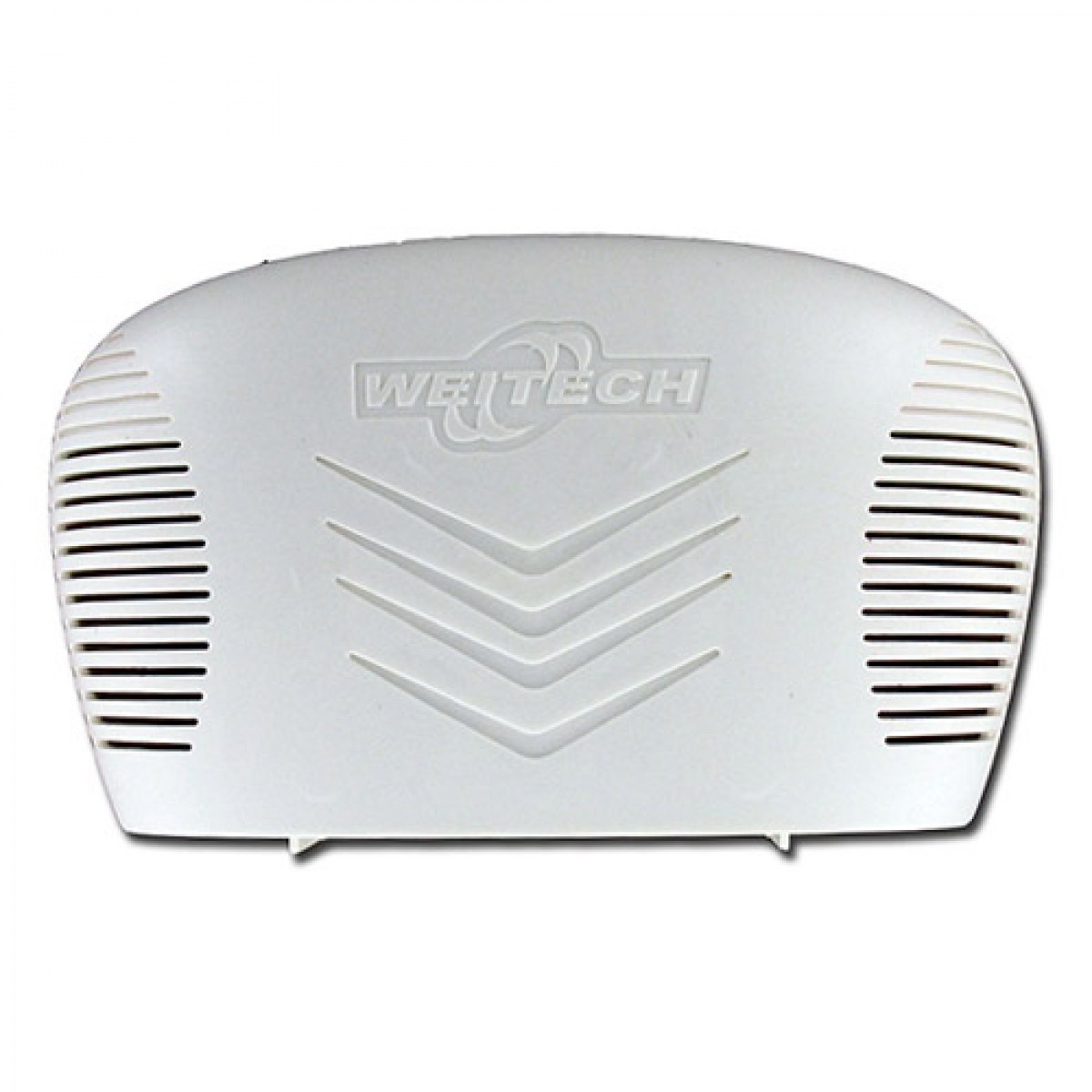
- Weitech WK 0180 is a silent repeller that consumes little electricity.
Weitech is considered one of the best and most cost-effective ultrasonic repellers.
Electromagnetic repellers
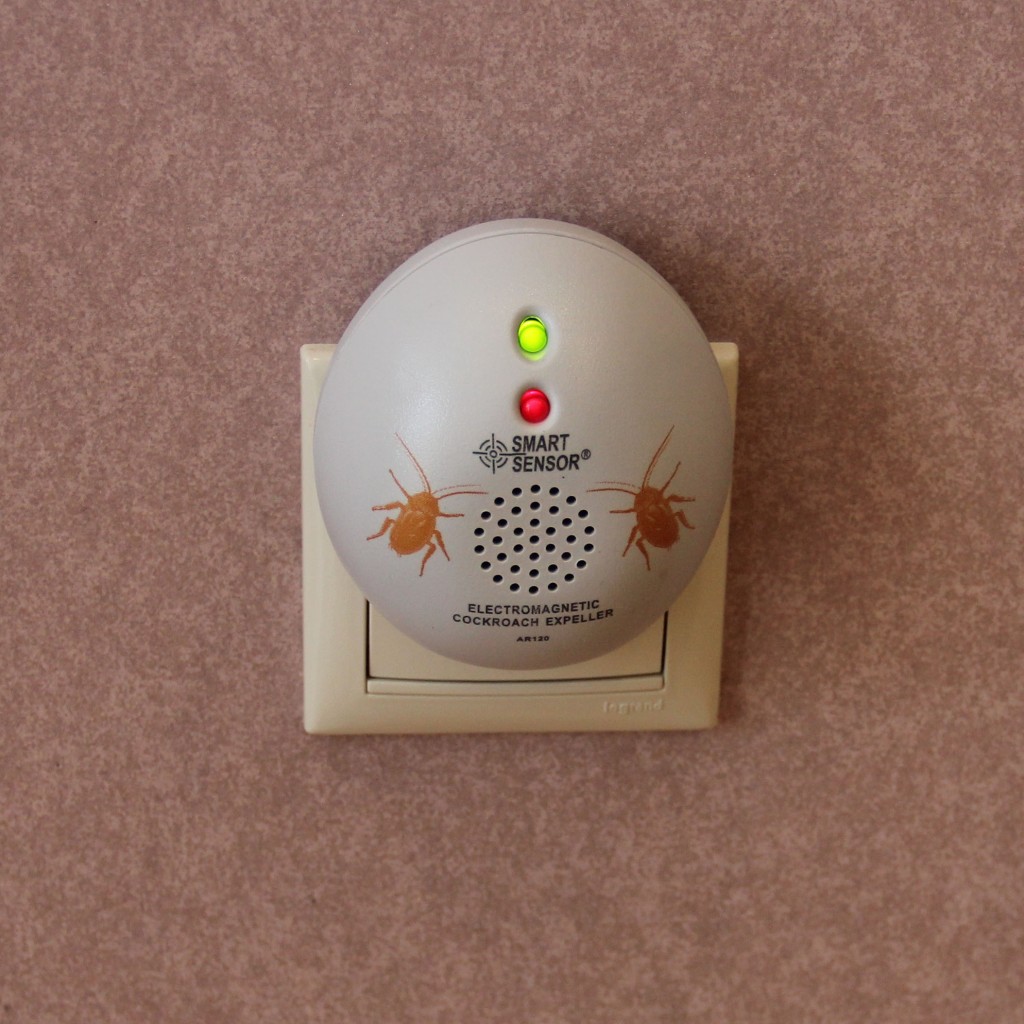
Magnetic resonance repellents emit electromagnetic pulses. These low-frequency waves have no effect on humans, but they disrupt the insects' nervous systems. When the device is in operation, it creates a magnetic field that negatively affects bed bugs, altering their behavior and triggering panic. The bugs are forced to flee, which is why, at the very beginning of using the repellant, it creates the false impression that their numbers are increasing.
Electromagnetic pulses are transmitted throughout the entire room where the wires are located, without affecting the operation of electrical appliances or household appliances. Walls and furniture are not impenetrable barriers, which is a significant advantage over ultrasonic repellers.
- The Ecosniper AR 120 is the most famous and popular repeller, powered by a mains power supply, and has a range of 80 m.2;
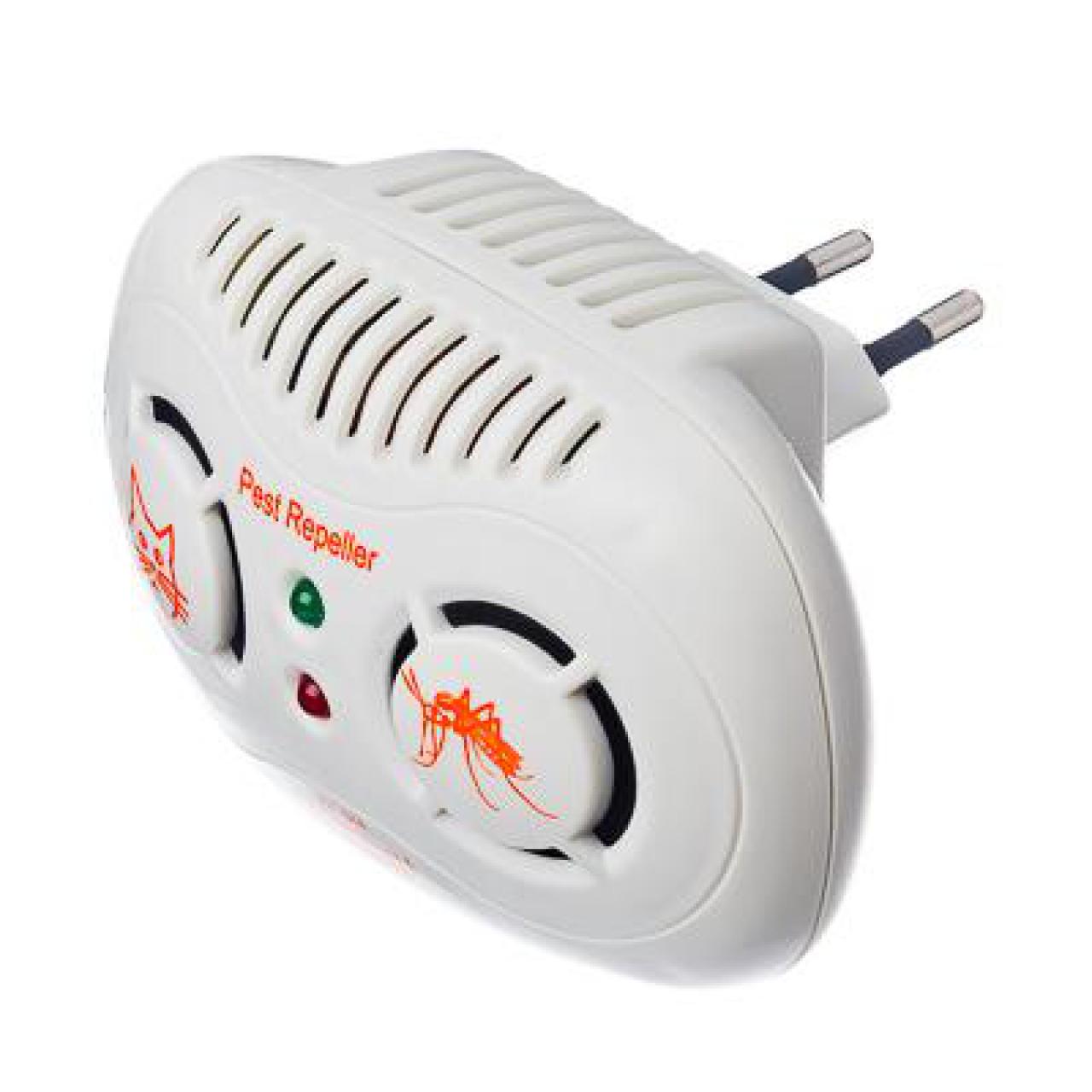
- Pest Repelling is a device that transmits a signal over 200 m2 and works even at low temperatures.
A universal insect repellent that can be used even in summer cottages.
Combined repellents
Electronic combined-action repellents combine electromagnetic and ultrasonic devices. The device alternates between ultrasound and magnetic waves, producing a highly detrimental effect on bedbugs—the insects experience a dual effect.
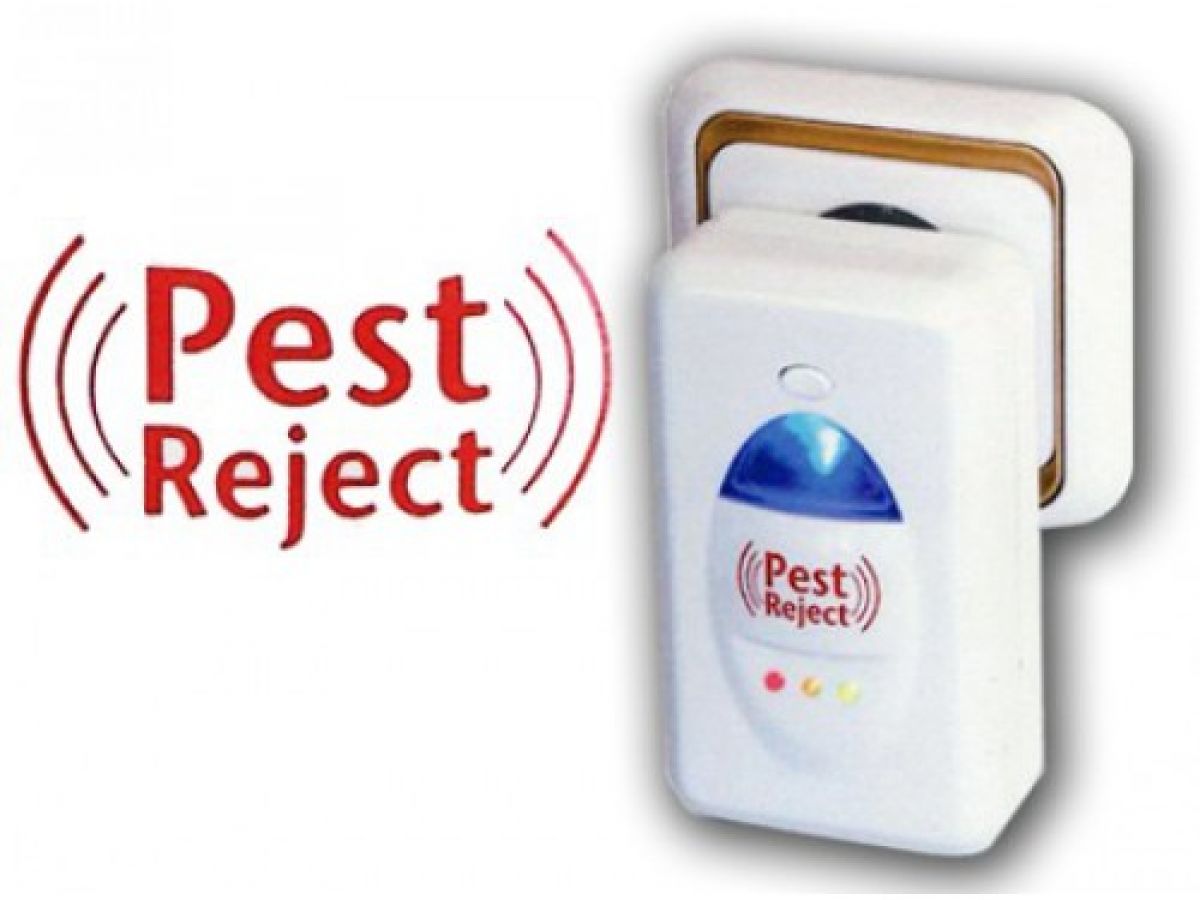
The electronic repeller is compact and powerful, and covers the entire apartment.
What kind of repellents are these?
- Ecosniper UP-116T is equipped with an air ionizer, and the area of action is 300 m2;
- The Banzai Ultimate 5-in-1 is corded and emits ions that attract insects. The range is 450 m.2;
- The Tornado Udar FP-003 is highly powerful and covers the entire apartment, not just one room. Another advantage of this device is its sound test button and adjustable settings. It operates on AC power;
- Pest Reject with a 200m range2.
How to choose the right repeller
When choosing a repeller, you should consider the following factors:
- Device power—electrically powered repellers typically consume a lot of electricity. However, the battery charge only lasts for a certain period of time;
- The area of the room. Carefully study the technical specifications of the repellers. If you need to protect a large apartment, it's better to purchase one powerful device or several standard ones;
- Make sure the seller has the appropriate quality certificates. Buying a low-quality device or a counterfeit is a complete waste of money.
- All repellents have different prices - the more expensive the product, the more effective it is.
DIY repellents
Ultrasonic repellers can be made at home. This requires knowledge and skills in electronics. You can use any ready-made circuit. To make the repeller, you will need:
- 2 resistors with a power of 0.25 W;
- variable resistor;
- piezo buzzer;
- 2 transistors;
- capacitor;
- toggle switch for turning on and off;
- power supply block from Krona;
- power supply, battery or batteries.
The homemade repeller is small and inexpensive. Its power is significantly lower than that of ready-made repellers—no more than 2 m.2.
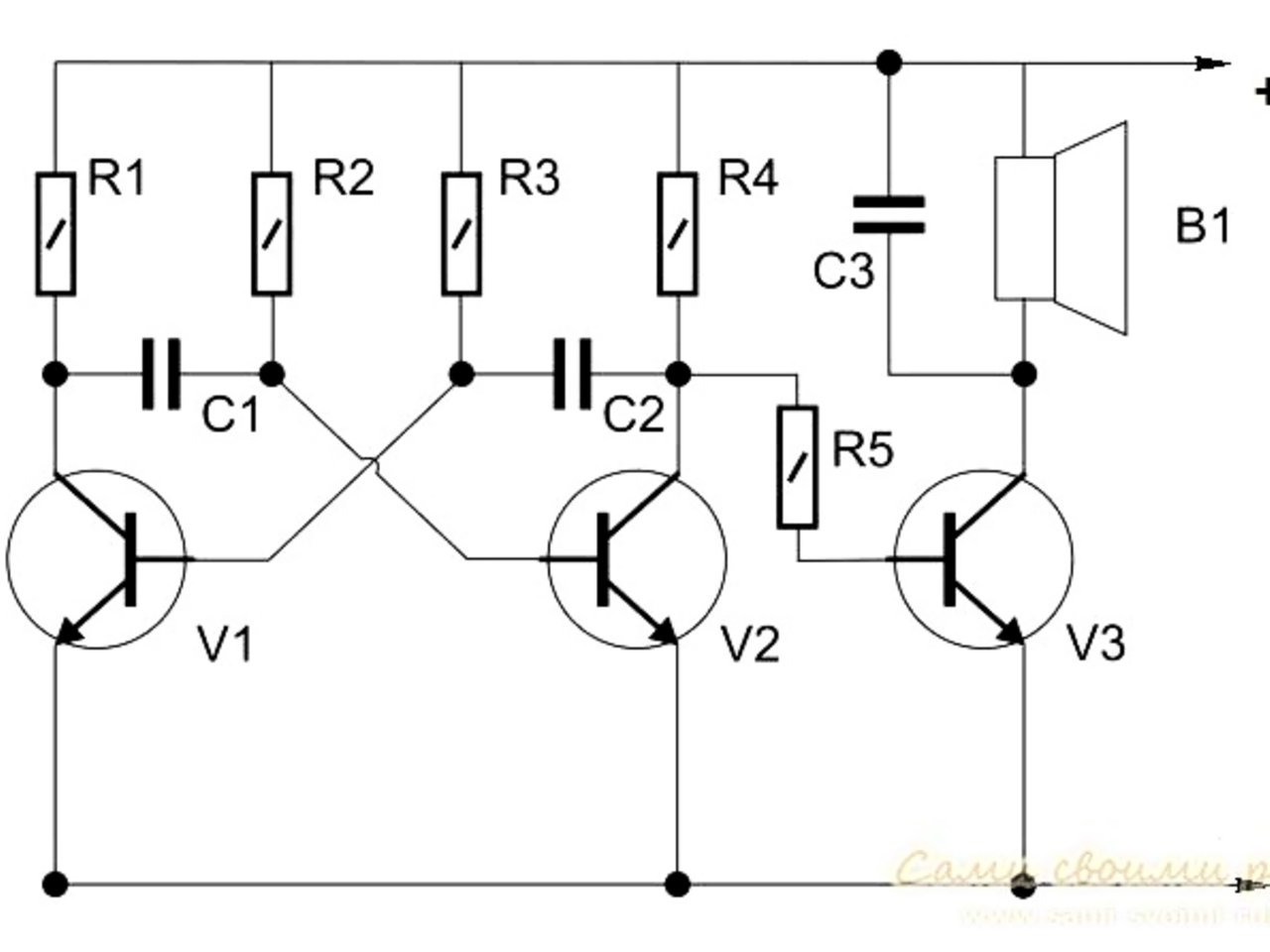
A diagram for making a DIY repeller
Contraindications
Manufacturers assure that electronic insect repellents are safe for humans and pets. The devices are made from environmentally friendly materials and do not contain toxic substances.
However, according to medical research, constant exposure to ultrasound and electromagnetic waves on the body can cause negative reactions:
- disruption of the nervous system in the form of headaches and insomnia;
- changes in the general hormonal background and blood formula.
People become irritable, get tired quickly, and feel discomfort.
To enhance the effect, repellents change the frequency of pulses, and higher waves are felt not only by insects, but also by small pets such as mice, rats, and hamsters.
Therefore, it is not recommended to use repellents for long periods in residential areas where there are pets or people with sensitive nervous systems.
Reviews
I've had my ultrasonic repeller for four years now. It works flawlessly. The bedbugs that crawled in from the neighbors on the first floor were gone in two weeks, and the cockroaches followed suit. The key is to buy the original, not a knockoff.
The device is a bit pricey. I decided to make my own. I found the diagram and assembled it. Nothing complicated. It works perfectly. Now I might as well buy a factory-made one—I have a big house, and one is missing.
We use EcoSniper, and we've seen results too. Although I was initially alarmed by the rustling noise during the first week, after a while, they disappeared. I think it's one of the best ways to combat them.
I think the device is helping. I bought the EMR-21 and liked that it creates magnetic resonance, which helps flush out bugs from cracks in the walls. I've had it for two weeks now. The bedbugs don't bite at night, and there are no new marks. The light is very bright, preventing me from sleeping. I taped it up. Otherwise, everything is fine!
We bought a Pest Reject repellent and realized it didn't even work against cockroaches, let alone bedbugs. So don't buy any repellents; they don't work. And for that kind of money, it's easier to buy dichlorvos. The cockroaches pooped on the repellent and lived there, so it didn't even scare them.
DD, I'd like to add my own fly in the ointment. We live on the first floor, and we have a huge number of insects (even fleas sometimes come to visit). I bought a repellent back in the summer; we never unplug it. But the insects are still there. Even the numbers haven't changed. I was really hoping for a miracle... But alas. The only positive is that it doesn't affect the cat at all.
Electronic bedbug repellents are becoming increasingly popular due to their ease of use and safety. You can purchase ready-made repellents from various manufacturers at varying prices, or you can make your own. However, bedbugs are very resilient insects, making them very difficult to get rid of. If you want quick results and chemicals are essential, bedbug repellents are an additional tool in the fight against insects.