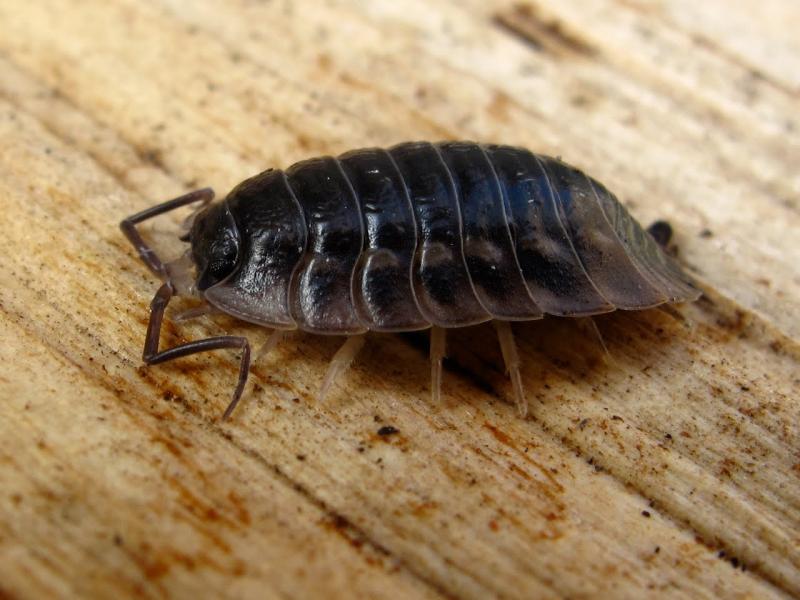
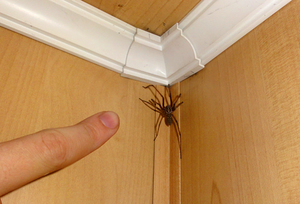
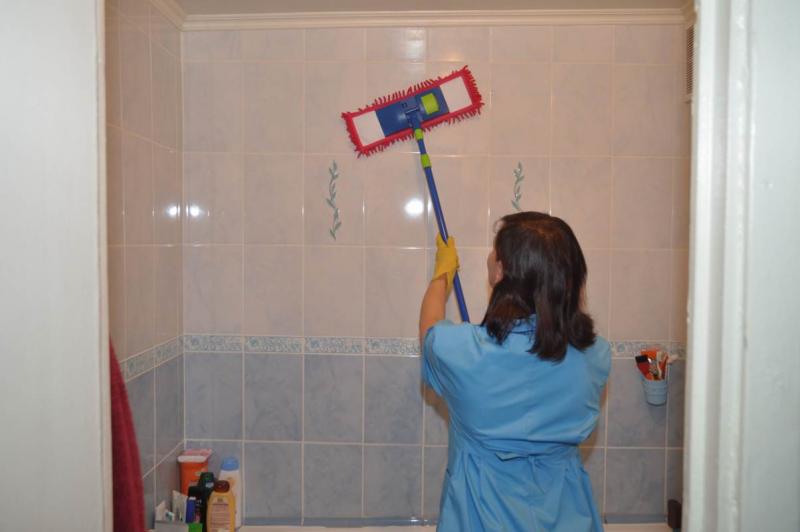
Woodlice are extremely unpleasant-looking creatures. Although they pose no danger to humans, it's best to get rid of them. There are simple and proven ways to do this.
Content
How woodlice look, live, feed and reproduce
Woodlice belong to the class of higher crustaceans, suborder "woodlice." Their body is oval, convex at the top. The head is adorned with two pairs of antennae, one of which is more developed. The eyes are located on the sides of the head, and the body is divided into eight segments. Woodlice have seven pairs of legs. Gills are located at the front of the body, and the respiratory organs are covered by a hard shell on the outside.
The specifics of crustacean reproduction
Their mating season begins in April–May. During copulation, the female's testicles fill with seminal fluid. When they rupture, the future woodlice enter the oviducts. During this period, the female molts and changes her appearance. The genital slits close and become unpaired openings, and a brood chamber forms on the first five legs. Fertilized eggs are deposited in this chamber. Larvae hatch there and develop for 40 to 50 days, after which they emerge from the chamber. After hatching, the female molts again and returns to her original appearance. During copulation, not all of the semen is fertilized; some of it remains in “reserve” and is put into use after the birth of the first crustaceans.
The small crustacean has only 6 pairs of legs, and acquires a seventh after one of its molts.
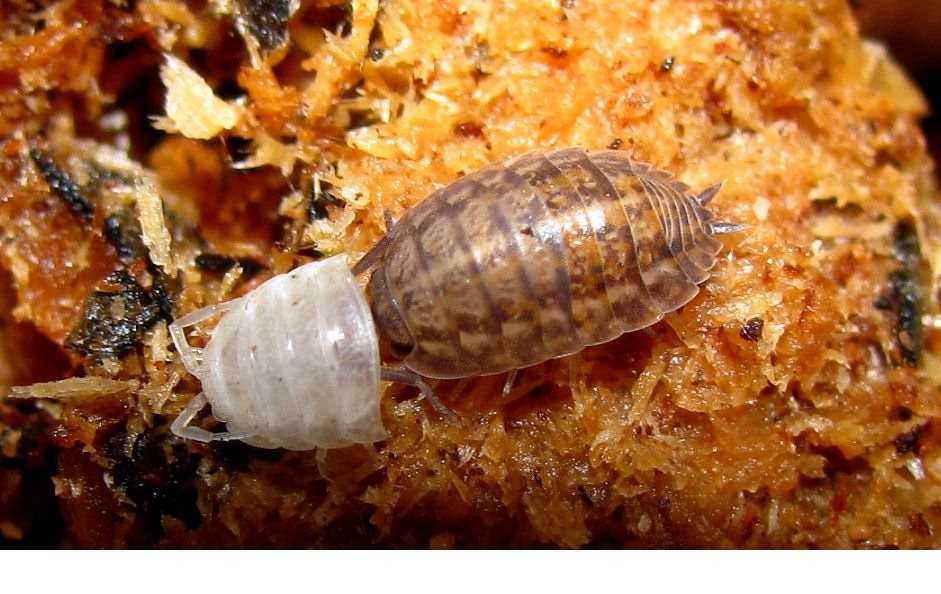
During its entire life, a woodlouse goes through 10-12 molts.
Lifestyle and nutrition of woodlice
They can be found in damp and dark places - in the toilet, bathroom, near risers, in the basement or cellar. They feed on organic debris, such as rotting wood. Therefore, they are found under the bark of fallen and old trees (in English, these crustaceans are called "wood lice"). They live up to two years and reproduce sexually or through parthenogenesis (the development of larvae from an unfertilized egg). The crustaceans range in size from a few millimeters to 1.5–2 cm.
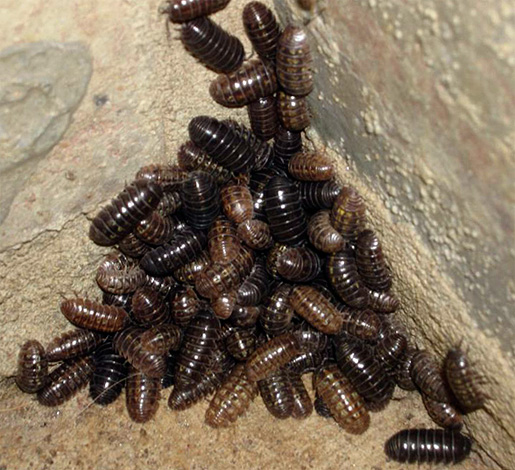
Woodlice most often appear in damp and dark rooms.
Types of woodlice
There are over 3,500 species of these creatures worldwide. In our country, the most common are armadillos and rough crustaceans.
Armadillo woodlouse
This species has a dark-colored body and a high shell. It got its name from its tendency to curl into a compact ball when threatened. This woodlouse is rarely seen in homes, but is most often found in damp cellars, basements, front gardens, or gardens.
The armadillo woodlouse accidentally arrived in the United States from Europe and proliferated in incredible numbers. Currently, in some areas of California, there are over 10,000 individuals per square meter.
In the wild, it favors roadsides and vacant lots, hiding under objects on the ground. In front gardens and vegetable patches, it nibbles on cultivated plants and feasts on weeds, providing a great service to humans.
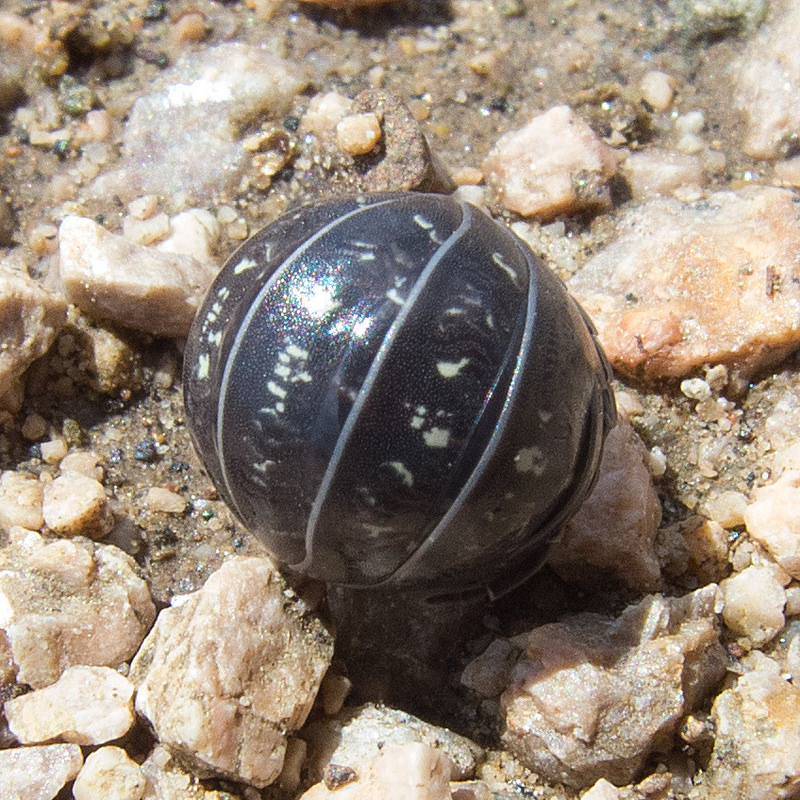
The armadillo lives in damp cellars, basements and gardens.
Rough woodlouse
These crustaceans are found primarily in inhabited buildings. They are mobile and easily move between the floors of high-rise buildings. When caught, woodlice do not curl up into a ball but try to escape. Their shell is soft and varies in color depending on the region's climate, from gray to almost black. Once inside homes and outbuildings, woodlice feed on unpreserved food, thereby causing harm to humans.
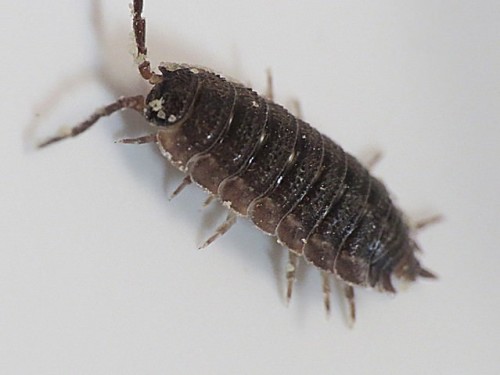
The rough woodlouse is most often found in human dwellings.
Causes and ways of woodlice appearance in an apartment
Like any other creature, they need food and water to survive. Poor ventilation after rain can lead to high humidity in the house. Attics or basements with leaks in the roof or utility systems can also become damp. Woodlice find food in pigeon droppings, which contain particles of undigested seeds. Other organic matter is also suitable.
If you notice more than one woodlouse in your apartment, this is a sign that there is high humidity in the house, most often due to leaks. Therefore, carefully inspect your water pipes and taps to ensure that any problems are fixed in a timely manner.
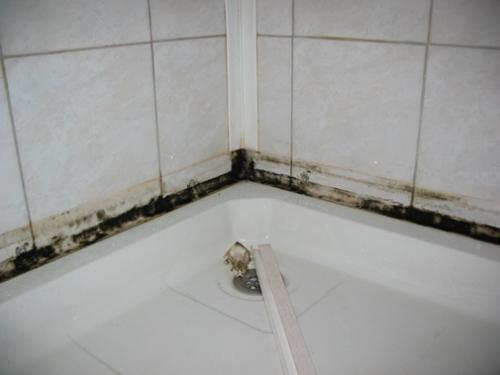
The appearance of woodlice is one of the signs that there is high humidity in the bathroom.
There are several ways in which woodlice get into a home:
- attics and basements of multi-storey buildings;
- engineering communications - trenches for electrical cables, sewer passages;
- technical pits, garages.
Crustaceans most often affect top floors, where they can easily enter from damp attics or basements. Woodlice also come from neighboring buildings—garages built without permission, attached to high-rise buildings, and warehouses of hypermarkets and supermarkets.
Woodlice are harmless to animals and humans. They make no sounds, are not aggressive, and do not carry viruses or infections. They cannot penetrate the body, but sometimes they accidentally enter the ear. They are physically incapable of biting humans.
How to get rid of woodlice
The fight will be effective if the following measures are taken:
- Identify ways in which crustaceans appear in an apartment.
- Seal or close them.
- Dry out all areas infested with woodlice using a fan or air conditioner.
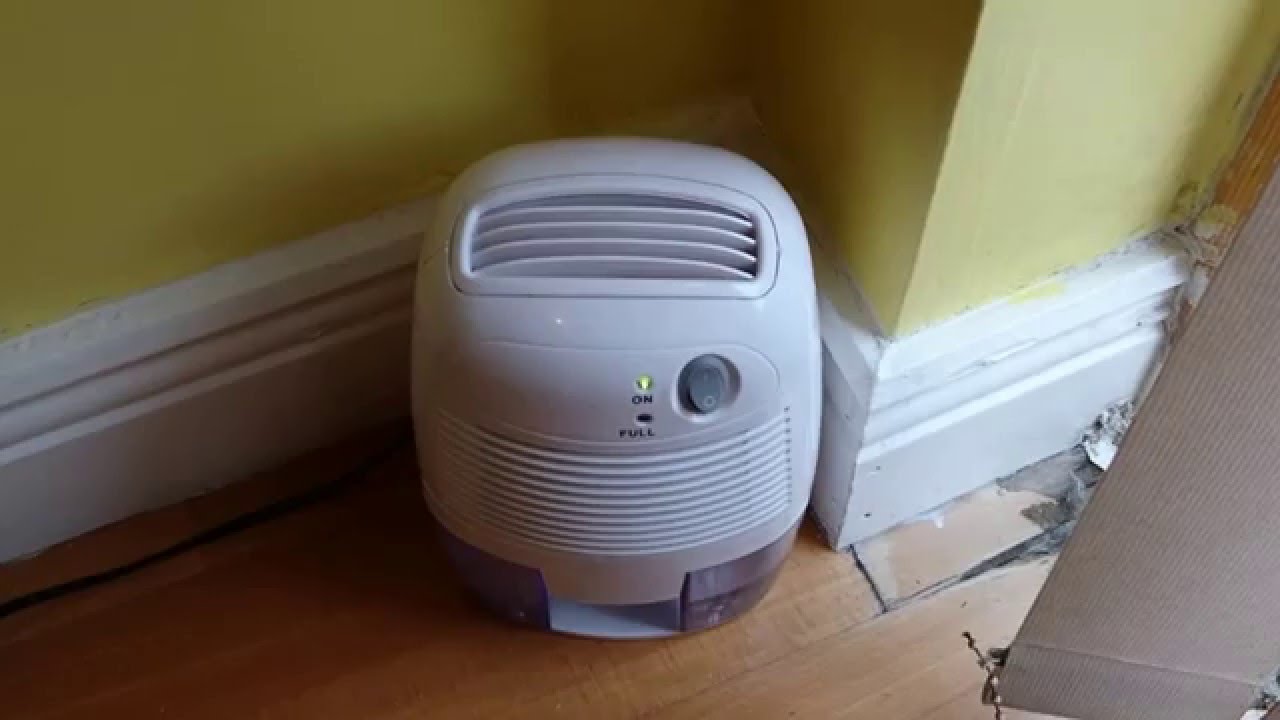
Using a dehumidifier will help get rid of woodlice faster.
A few home remedies can help deal with a small infestation of crustaceans. All of them are safe for humans and pets. Choose one of the recipes below or combine them:
- Make a trap: dampen a piece of cloth, moss, or a broom and leave it in an area where crustaceans congregate. They'll literally settle on it overnight. In the morning, shake the crustaceans off outside or burn the cloth. Another option is to cut a hole in a carrot or potato, leave it overnight, and throw it in a trash can outside in the morning.
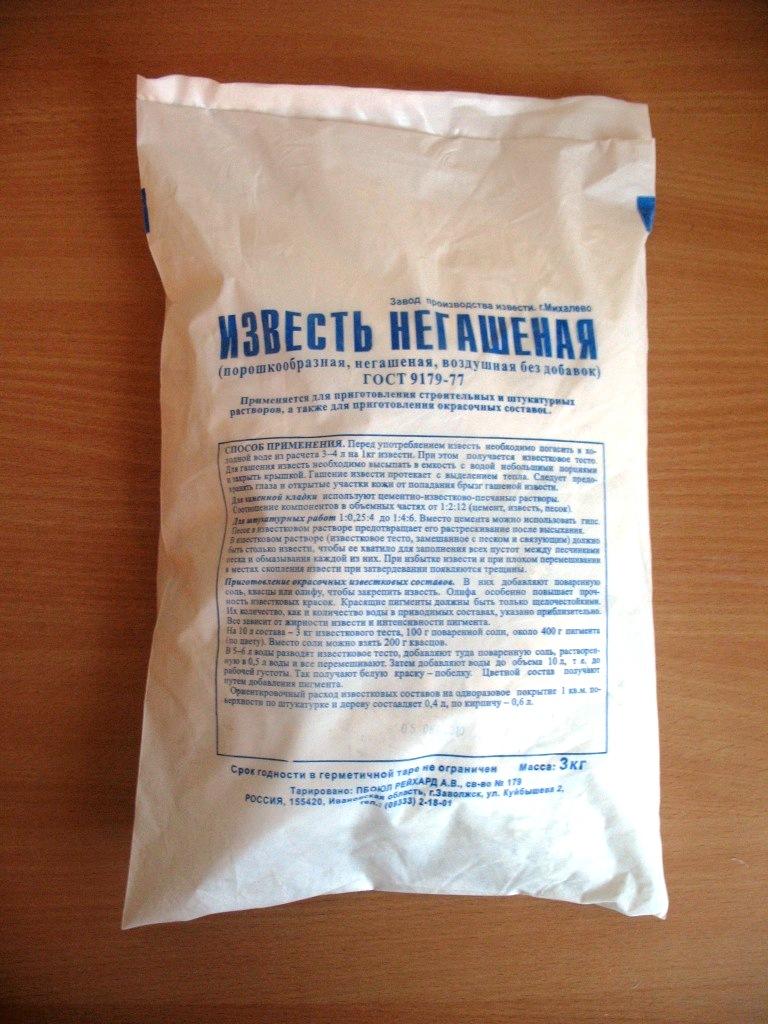
- Sprinkle quicklime on the floors of cellars, basements and other non-residential areas.

Quicklime is used to combat woodlice.
- Where there are most crustaceans, scatter salt in paths.
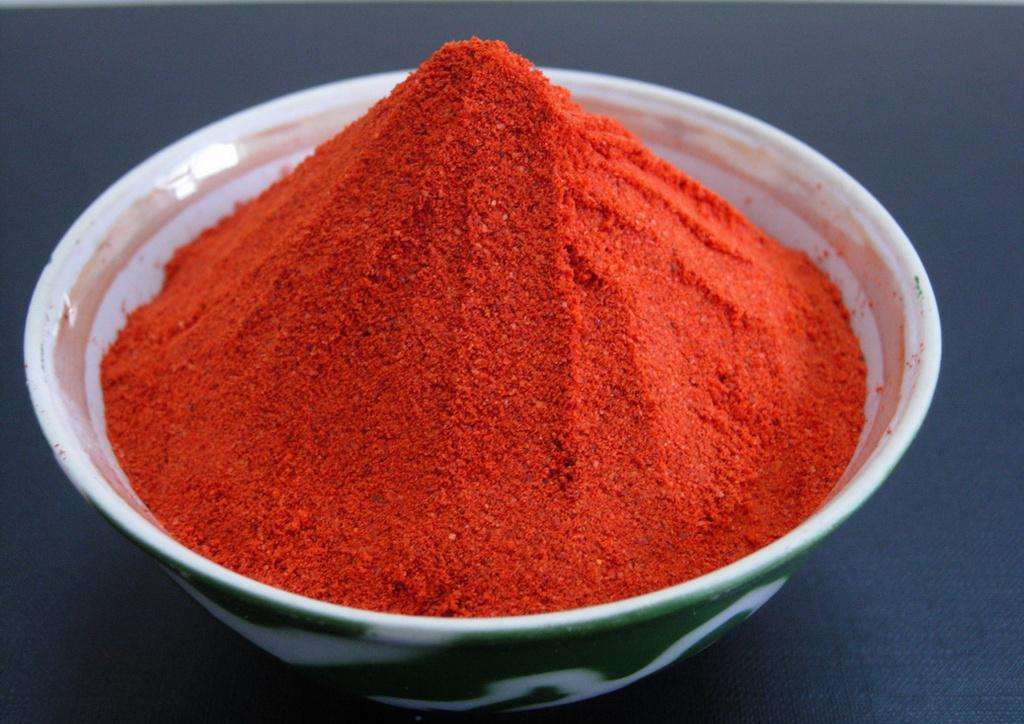
- Prepare a mixture: dissolve 3 g each of tobacco powder, soda ash, and crushed red pepper in 1 liter of warm water. Spray the mixture in areas where you've seen the crustaceans most often.
A mixture of tobacco powder, soda ash and crushed red pepper is a good remedy for woodlice.
- Use boric acid powder in areas where crustaceans are concentrated: either simply sprinkle it, or dilute 10 g of the substance in 0.5 l of water and spray, or make a poisonous bait in the form of a ball from 1 boiled egg yolk and a packet of acid.
To get rid of woodlice, you can use boric acid powder.

If you want to get rid of woodlice faster, try chemicals. Products against crawling insects such as cockroaches, bedbugs and others are suitable.

Sprays against crawling insects are effective against woodlice.
Prevention methods
Follow basic hygiene rules to prevent pests from appearing in your home:
- Try to keep the rooms dry at all times. Use air conditioners and dehumidifiers to achieve this.
- Take out the trash can as soon as it is full.
- Make sure that indoor plants are not over-watered and that there is no water or soil particles left in the trays.
- Monitor the condition of your plumbing and fix any leaks promptly.
- Try to dry clothes on the balcony or outside.
- Seal any cracks in the walls or floor.
- Clean hard-to-reach and dark corners of the premises thoroughly.
Reviews
1. Are these woodlice (crustaceans, clearly more than 6 legs) or sugar silverfish, also often called woodlice (no more than 7 mm, a "tail" of three "threads," 6 legs, silvery)? 2. If these are woodlice, then as long as there is a source of dampness, getting rid of them will be almost impossible. They don't just appear out of nowhere. It's quite obvious to me that they were there before, but apparently the damp spot was very small. Another unpleasant detail: woodlice love rotting wood and fungi. Be sure to look for a place where this might be—they don't feed on the Holy Spirit! sad.gif One consolation: unlike flies and cockroaches, woodlice do not carry any dangerous diseases. However, their large numbers indicate the corresponding presence of organic matter, which they feed on. Yeah, screw it all, remove it, rip it off, treat it with anti-rot and anti-fungal agents, and dry it thoroughly. You don't have to kill the spiders—they'll help keep the woodlice population down. wink.gif And you can't get rid of them with chemicals—they're nocturnal creatures with a specific diet, hiding in crevices...
While they're only in the bathroom, urgent measures must be taken to prevent a repeat of this horror movie in your area. Here's my experience. "They" crawl into the bathtub from the drain through the drain holes (bottom, overflow, and sink). They don't crawl out of the kitchen, since people wash dishes with hot water there several times a day. Why they don't crawl out of the toilet, I don't know. Our bathtub is dry and clean, but nevertheless, "they" ran into it to get a drink. I plugged all three holes and only opened them to wash. The metal-ceramic faucets don't drip. We carefully wiped off the water after washing. The dryness became incredible. After two days of dry fasting, only dried remains remained. The question arose of what to do next. I was tired of endlessly plugging. I soldered mesh cups instead of plugs, but they clogged and required cleaning. I decided to pour bleach in, so the chlorine gas in the cramped pipe would suffocate "them." Hardware stores sell cheap bleach diluted with water, called "bleach." But then I changed my mind and decided to kill them with very hot water. We have a gas water heater. I adjusted the water level so high that you immediately jerk your hand away, and for about an hour I poured it in this direction: kitchen - bathtub - bathtub overflow - sink. I also felt the cast-iron waste pipes. They gradually became very hot, so "they" couldn't hide from the hot water at the top of the pipes. - very hot. After a while, "they" will appear, but I already know how to meet "them."
People! It's best to figure out where the dampness is constantly occurring. Eliminate the dampness, and the dampness will go away. Unless, of course, the house is old and damp from floor to ceiling…
Hello. I'd also like to share my experience. We bought an apartment on the 5th floor of a five-story building. The building was renovated and clean. I moved in, and as I was getting ready for bed, I heard some rustling, either under the wallpaper or the ceiling tiles. I turned off the light and then saw woodlice crawling up the wall. I was terrified. I heard them rustling all night. It was just terrifying. I went to work exhausted and sleep-deprived. I bought odorless cockroach repellent and sprayed it all over the ceiling, baseboards, and underneath. They kept falling to the floor all night, and I barely had time to pick them up. I don't know, but I hope I can get rid of them.
How to get rid of woodlice in your home – video
The preventative measures and methods described above will help you forget about these small crustaceans for good. If you can't get rid of them yourself, consider using the services of an exterminator.