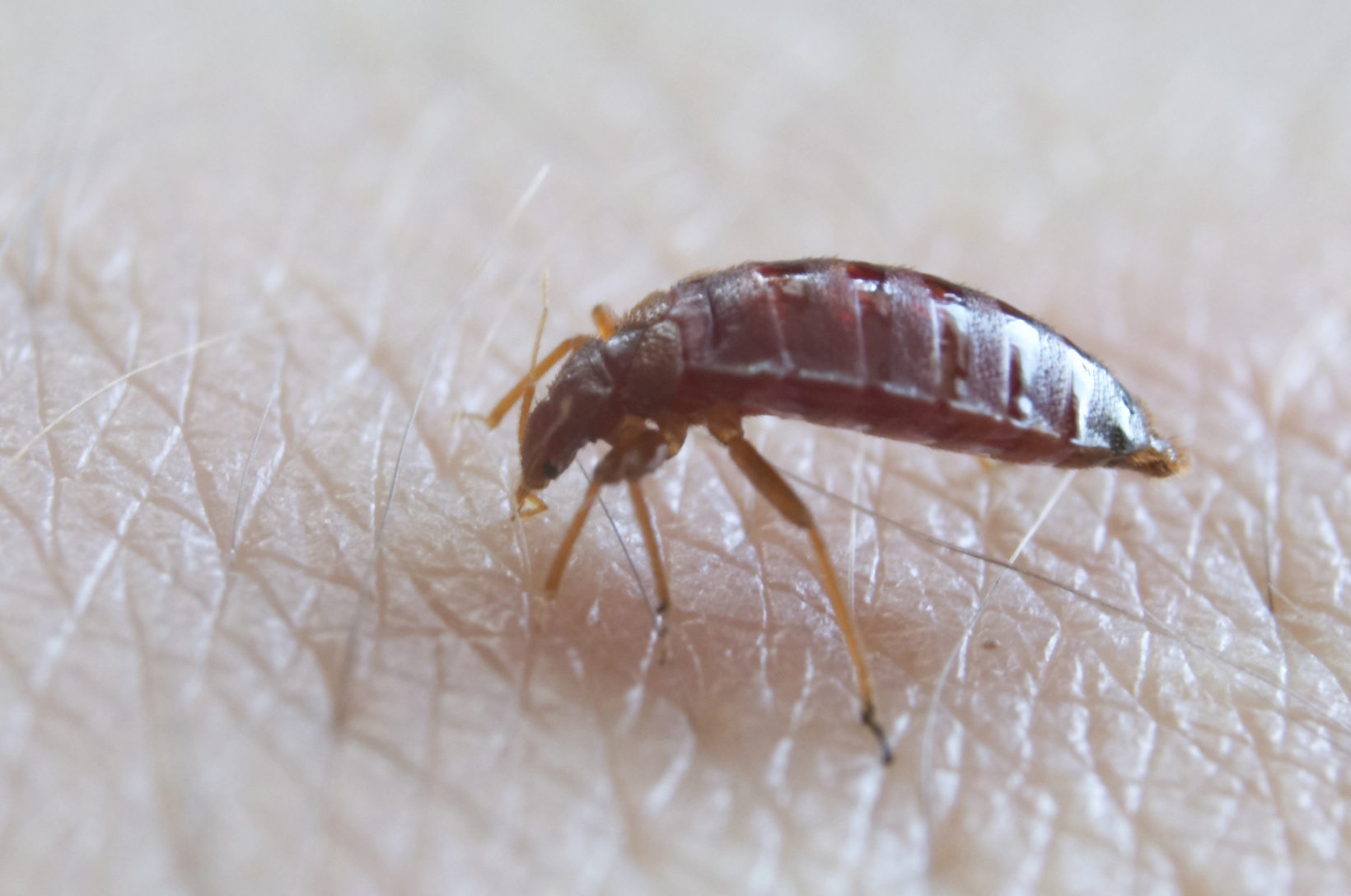
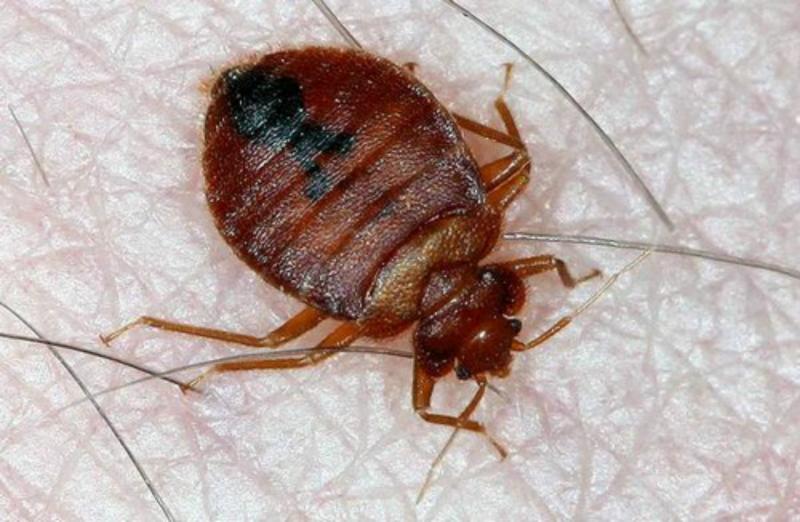
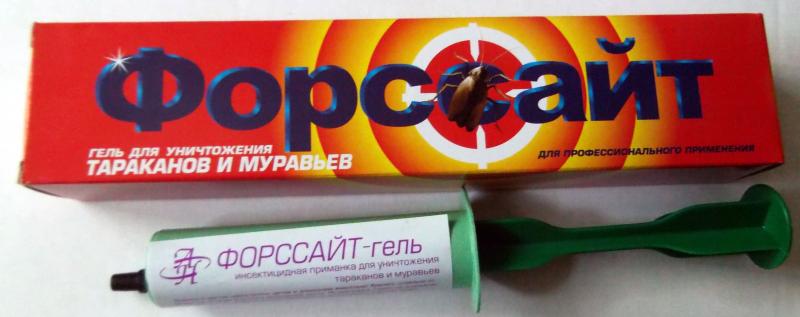
Bedbugs are perhaps the most annoying household pests. Dealing with them can be challenging. However, many effective insect control products are now available, such as Forsyte.
Description of the drug Forsythe
Forsyte (or Forsyte) is an insect repellent that kills not only bedbugs, but also ants, fleas, cockroaches, mosquitoes, flies, and ticks. The correct name is Forsyth, but the name with one letter "s" has become common.
It is produced as a brownish or light golden liquid with a characteristic odor. It is sold in bottles or canisters. Forsyth is used in both residential and industrial premises, as well as in professional pest control.
The active ingredient of the product is fenthion (25%), along with other ingredients and fragrance. Its mechanism of action is based on fenthion's toxicity to insects.

Forsythe is available in different volumes.
Once it enters the bedbug's body, the substance paralyzes its nervous system, resulting in the death of the pest. Forsythe doesn't kill insect eggs, but it has a long-lasting effect—bed bugs are poisoned for 3-4 months after treatment. This allows for the destruction of new generations without affecting egg clutches and increases its effectiveness compared to many other bed bug treatments.
The use of fenthion is permitted in childcare and medical facilities. Generally, if safety precautions are followed, adverse reactions do not occur; poisoning occurs only through inhalation of the vapors or ingestion.
Instructions for use
Using Forsyte is easy, just dilute the product with water and treat the surfaces. However, to maintain health and achieve the best results, it is necessary to follow the rules of preparation and use.
Remove food, personal items, and bedding from the treatment area. It's a good idea to check clothing and linens for bedbug eggs. If any are found, steam them or wash them in boiling water—this is essential to prevent re-infestation after the pests are eliminated.
- Move furniture away from the walls to free up the baseboards.
- Disassemble the furniture as much as possible to treat the interior surfaces. Also remove the mattress from the bed.
- Remove all animals and plants from the room. Aquariums, if they cannot be removed, should be tightly sealed and the aeration turned off (room air should not be allowed to enter); it can only be turned on after ventilation.
- Put on personal protective equipment. All people present during the treatment should also wear respirators.
- Prepare a working solution of Forsyte at a concentration of 50 mg per 1 liter of water. Use cold water to reduce the product's odor.
- To treat a room from bedbugs, you need 2.5 liters of solution per 25 m2.
- Mix the mixture thoroughly and pour it into a spray bottle.
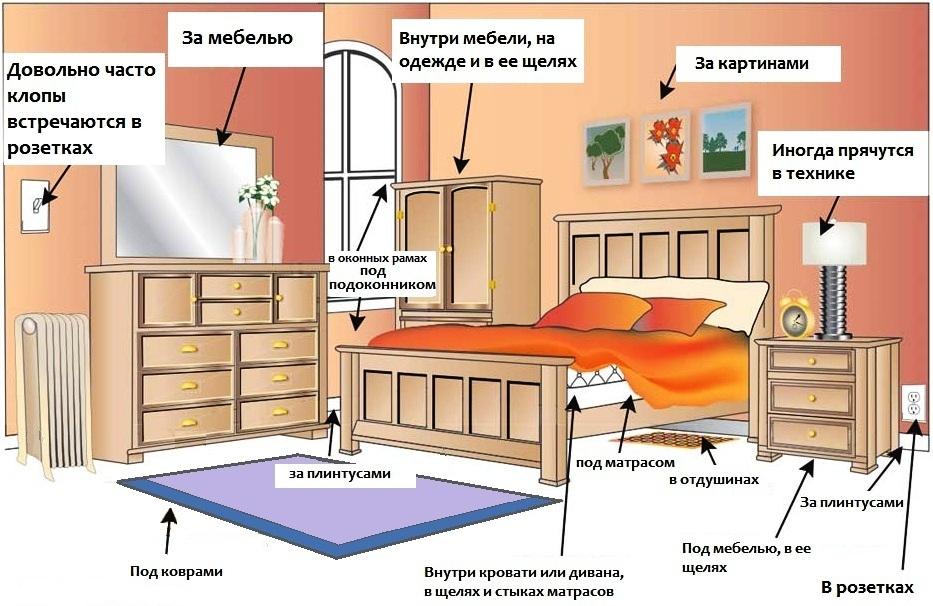
- Spray Forsyte solution onto furniture surfaces and joints, cracks, baseboards, floors, the back of carpets and paintings, doors and window openings, and the inside of sofas and beds.

It is especially important to carefully treat areas where bedbugs frequent.
- Leave the treated area for 5-10 hours. For example, you can spray the product early in the morning before leaving for work. Pets should also be kept out of the treated room.
- Upon returning, thoroughly ventilate the room and wash surfaces that are in daily contact. Areas that are not in daily contact (inside furniture, baseboards, the back of carpet, etc.) do not need to be washed.
You can combine Forsyte with barrier-acting bedbug control products (such as Chlorophos). This will protect your home from bedbugs for an extended period (up to two years).
Safety precautions:
- Keep away from food products and out of reach of children;
- When handling, be sure to use rubber gloves, safety glasses, and a respirator with 2nd degree of protection against aerosols;
- Do not allow the substance to come into contact with the body;
- If the product gets on your skin, rinse it thoroughly with water;
- If the drug gets into your eyes, rinse them with cold water and consult an ophthalmologist;
- If swallowed, seek medical attention immediately;
- If dizziness, nausea, coughing, or other adverse reactions occur during treatment, seek fresh air. If these symptoms are severe, persist, or worsen, call an ambulance.
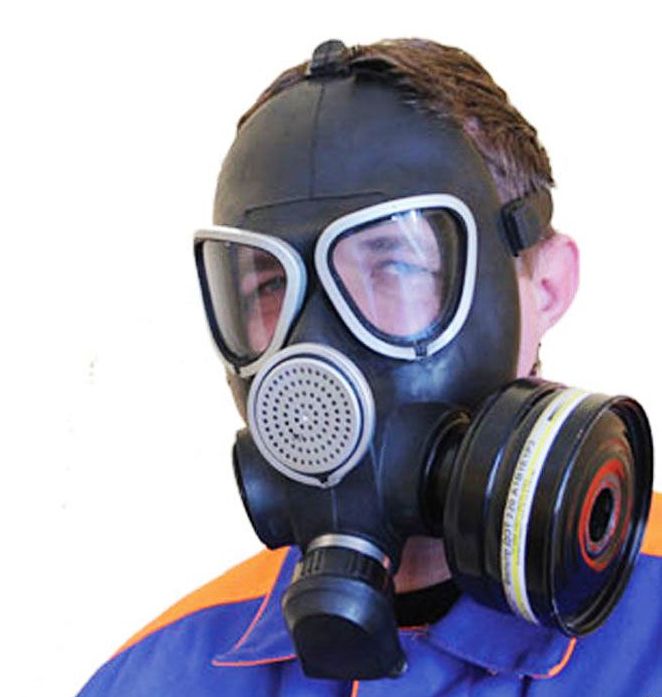
Civilian gas masks can be used to protect the respiratory tract from chemical vapors.
Forsyth can be stored at temperatures from -30 to +40 C.O in a closed, dry room.
Contraindications and consequences
If precautions and handling rules are observed, there are no contraindications to the use of Forsyte. However, allergy sufferers and asthmatics should have medications with them when in contact with any chemicals.
Possible consequences for the body:
- If it comes into contact with skin, it may cause slight swelling and redness;
- If it gets into eyes, it causes irritation of the mucous membrane;
- The vapors of the product are highly toxic and, if exposed to the human respiratory tract for a long time, can cause allergies, loss of consciousness and severe poisoning, including pulmonary edema;
- If ingested, it also causes vomiting and severe poisoning.
The effects on animals are similar. It's important to remember: the smaller the animal, the lower the dose of the substance that can cause poisoning.
Reviews
Urgent call to the Sanitary and Epidemiological Station!!! They gave us a different product, FORSITE!!! We unscrewed two sofas with a vacuum cleaner, checked for eggs again, and found eggs in the corners of the upholstery. We lifted the sofas, and there were a few more bedbugs between the joints of the plywood! The most important thing is to find their hiding place. When we found it (the upholstered board that serves as the sofa's wall, where it meets the sofa), it was swarming with them. We did this: left everything disassembled, poured the product into the room, and closed it, plugging the threshold with a treated rag. We left it like that for four days, and now, two weeks later, everyone in that room is sleeping soundly. In the next few days, we decided to do a general treatment: we'll also vacuum and then spray the product on the room for a couple of hours. We still occasionally see bugs in the other two rooms, but we're already sleeping soundly, and we'll finish off these bastards.
Forsyth evaporates well; I even sprayed it on my car. As for its potency, I can say that it's usually mixed with other products for a greater effect. But it's initially stinky.
Dobrokhim didn't help either, even in triple doses, just like Skulat C25, Forsyth, Fufanon and other stuff, they just go wild from them (((
We took all the textiles out onto the balcony for a few days (thankfully, it was freezing cold), and three days later we treated them again with Forsythe. That was on January 3rd, we returned home on January 6th, spent about five hours airing out the smell, and it was completely gone after about three days. Today is January 25th, and knock on wood, knock on wood, we haven't seen any bedbugs. Our war has been going on for four and a half months, and I hope we've won, but we still have a supply of Forsythe.
Forsythe is an effective and relatively safe remedy for bedbugs and other insects. It's easy to use. Just follow the safety precautions and instructions to avoid harming yourself, your loved ones, and your pets.