The appearance of insects in the bathroom or kitchen is hardly a pleasant surprise. And if the tiny arthropod is also nimble, with a ton of strange appendages, sharing your home with them is definitely not a good idea. Silverfish can be one such unpleasant "neighbor." To understand how to get rid of this uninvited guest, or better yet, prevent its arrival, let's learn what this insect is and what remedies can make your apartment uninhabitable.
Content
General description, life cycle and types of silverfish
Silverfish (Latin: Lepismatidae) belong to a genus of primitive insects consisting of three biological subfamilies. All are wingless, require a moist environment to survive, and can survive without food for almost a year—up to 300 days.
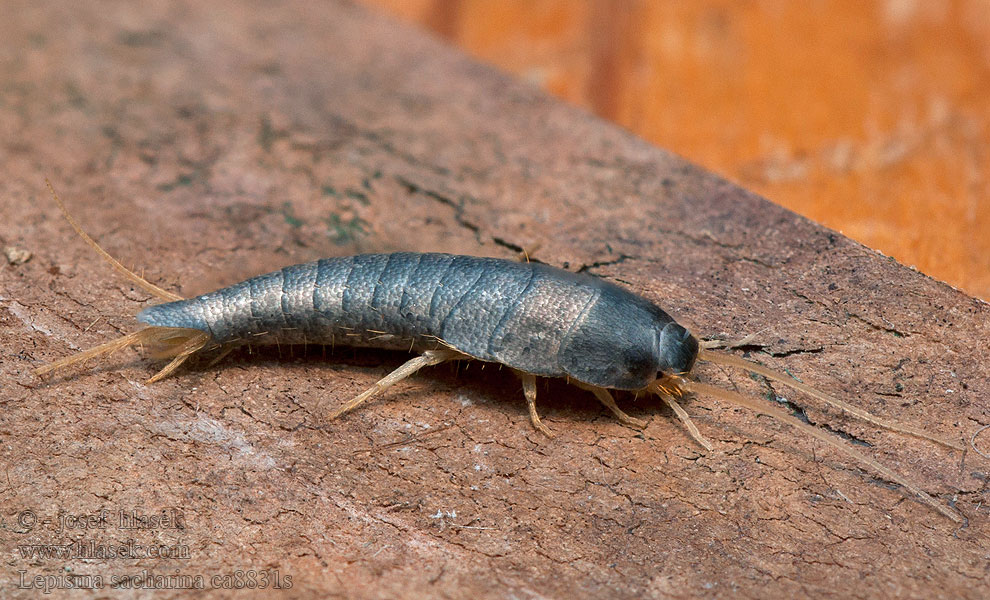
The silverfish's flat body is covered with small scales.
There are approximately 190 species of Lepismatidae in the world, 10 of which are common in our latitudes, although rarer representatives can be encountered indoors.
Appearance and living conditions
You can distinguish a silverfish by its characteristic appendages: it has two long antennae in front and three tail threads behind it. These insects are sometimes confused with flycatchers, although the latter have much longer legs.
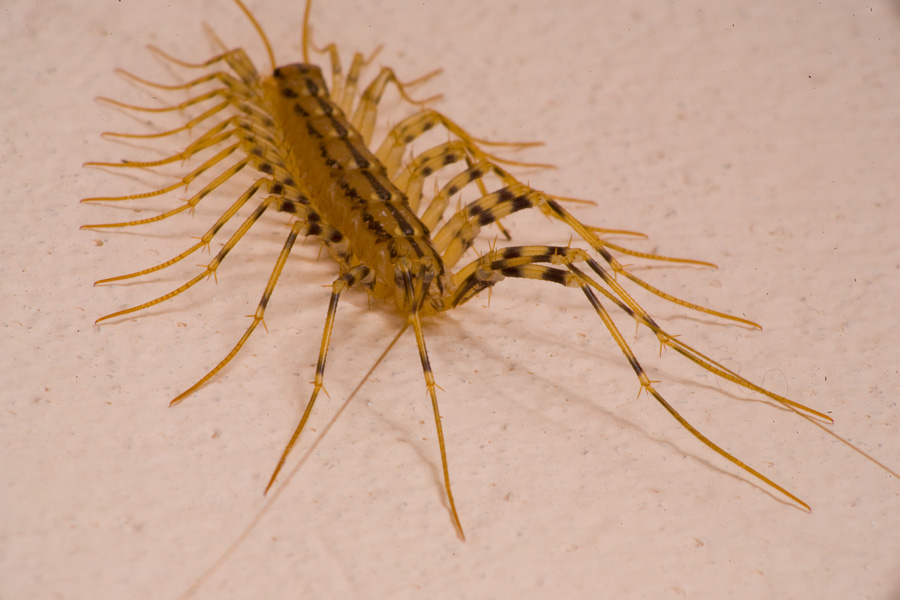
The flycatcher can be mistaken for a silverfish, but they differ in the number and length of their legs.
In our climate, silverfish most often inhabit residential buildings and warehouses, where they prefer areas with high humidity. They are nocturnal and feed on foods containing starch, sugar, or protein. The structure of the food system allows silverfish to digest the cellulose found in paper, making the insect dangerous to books and other paper products.
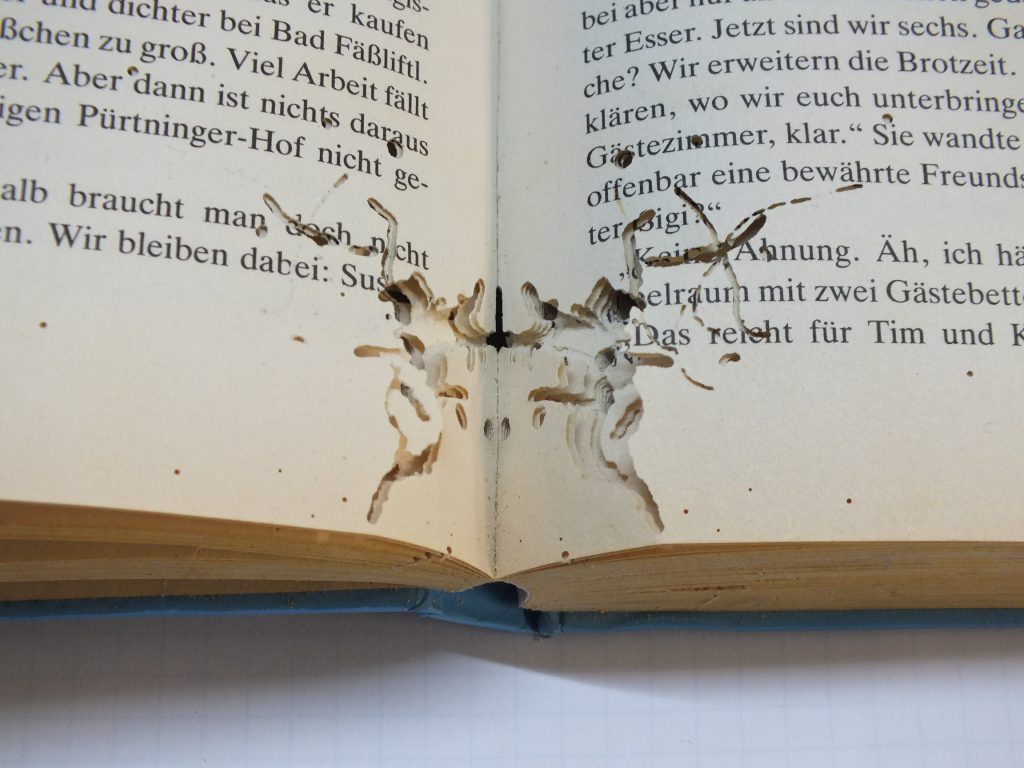
Due to its ability to digest cellulose, silverfish can cause serious damage to paper products.
The main scientific hypothesis suggests that silverfish have a tropical origin. Ideal conditions for its reproduction and life activity are 75% air humidity and a temperature range from 21°C to 26°C.
Interesting fact: Scientists consider the silverfish to be one of the oldest insects still extant today. The insect's origins date back to the Paleozoic era, over 300 million years ago.
These pests don't tolerate bright light and, once exposed, try to find shelter quickly. They move in quick, dotted bursts, with short pauses.
At temperatures below +5 °C, a representative of the species is capable of falling into a state of torpor resembling suspended animation.
Important to know: Silverfish can only survive within a certain temperature range. Temperatures dropping to -10°C or rising to +35°C kill the pests and their larvae.
Life cycle
The lifespan of a silverfish is approximately three years, and it takes several months for one generation to develop in the wild. However, if the temperature is raised to the optimal level, individuals ready to mate and reproduce will emerge within two to three months.
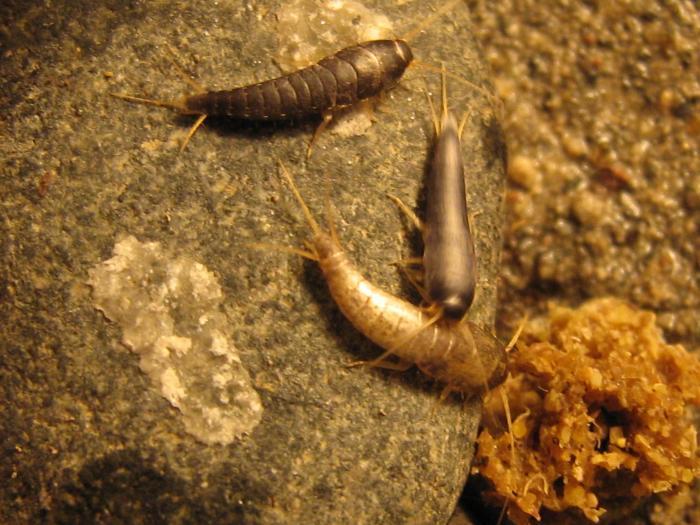
An adult female lays eggs throughout her life.
Since silverfish reproduce more slowly than most household pests, one or two insects do not pose much of a threat. To develop a population, they need about a dozen individuals. Then they can form a kind of family and lay a common clutch.
Initially, the eggs are white, oval-shaped, and no more than 1 millimeter in size. As they develop, they darken and become brown by the time the larvae hatch.
At a temperature of +20°C, the maturation period is about 40 days, but if the level is increased to +30°C, the larvae will appear in just 25 days.
The insect begins its second stage of development without the characteristic scales on its body. These appear later, after the second molt. During this stage, the silverfish "changes its skin" five times, after which it emerges as an adult. The individual then continues to molt throughout its life.
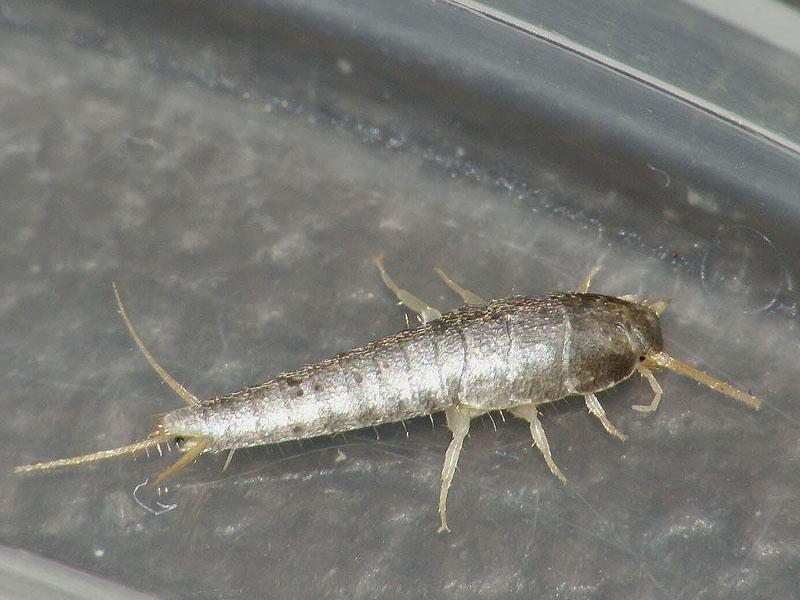
Immediately after molting, the insect's scales acquire a silvery hue.
Types of silverfish
Various species of this insect are found throughout the world. Crimea, for example, is home to the great-crested silverfish (Ctenolepisma lineata).
The comb silverfish lives in soil rich in limestone.
Another species has chosen a remarkably unique habitat: an anthill. These insects are called ant silverfish (Atelura formicaria).
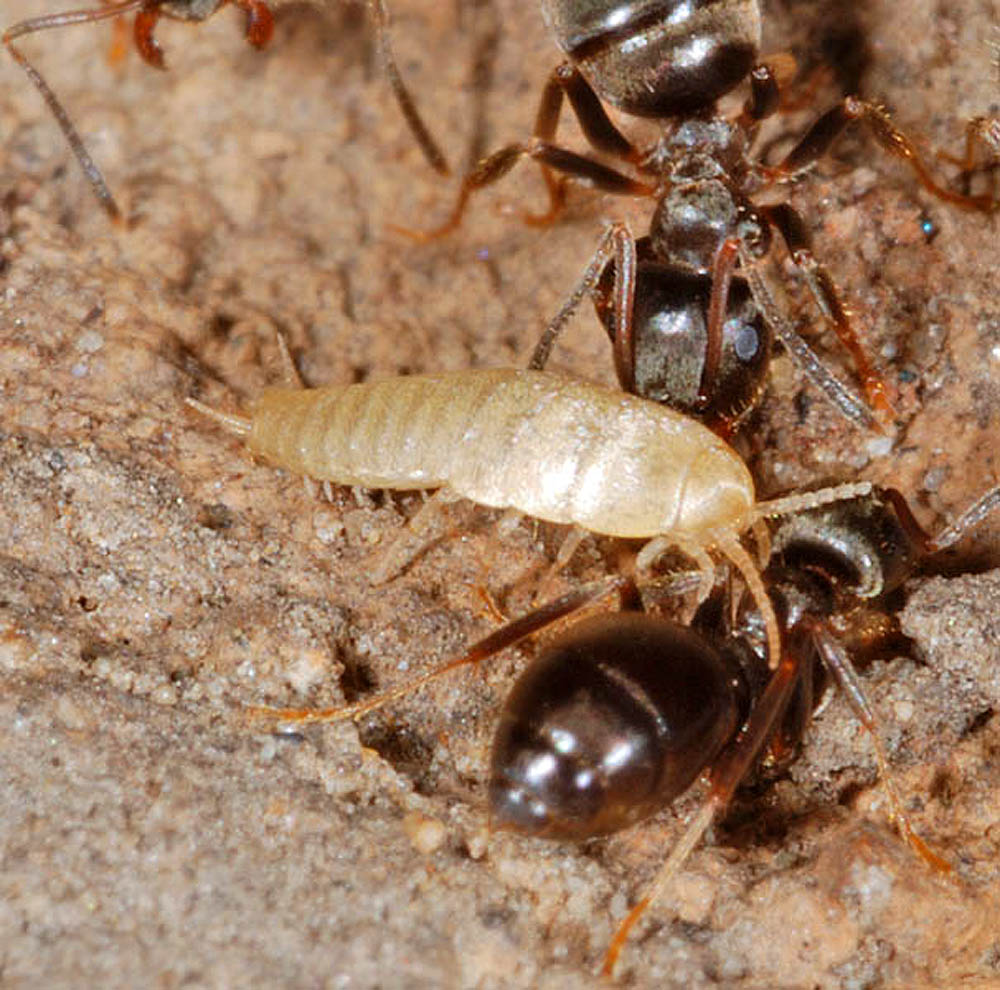
Living in an anthill, individuals of this species have adapted to feed on ants' supplies
Ants sometimes even “feed” their silverfish by secreting sweet drops for it.
Despite the diversity of the Lepismatidae family, homes and storage facilities in our latitudes are most susceptible to invasion by just two species of silverfish: the common silverfish and the thermobia.
Silverfish (sugarfish) — Lepisma saccharina
This pest prefers dark and damp spaces. The common silverfish can inhabit basements or bathrooms, and even bookshelves can be suitable. You can also unexpectedly spot the insect by lifting a potted plant, opening a linen closet, or opening a sofa.
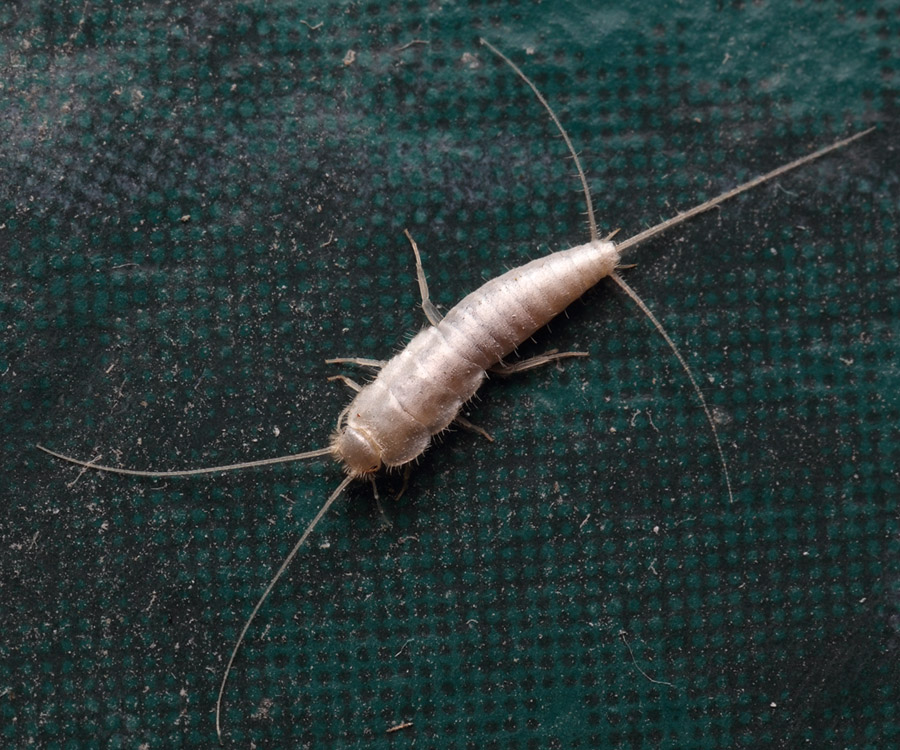
The common (sugar) silverfish can grow up to 1.9 centimeters in length.
An adult silverfish is quite large in appearance, reaching almost two centimeters in length (averaging 7 to 19 millimeters). Depending on their habitat and diet, common silverfish can be gray, whitish, yellowish, or light green. The female is not particularly fertile: she lays only up to 10 eggs during her entire life.
As its name suggests, the common (sugar) silverfish has a predilection for sweet foods, particularly polysaccharides. However, it's not particularly picky. Besides sugar and flour, it will feed on any item containing the desired substance: wallpaper, starched fabric, and plant debris.
Interesting fact: Due to its distinctive appearance, silverfish are known by the same name in various languages: "silverfish."
Thermobia domestica
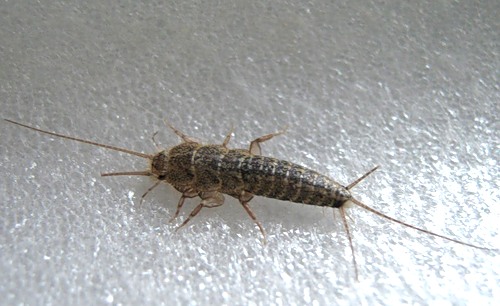
It differs from the sugar silverfish in its smaller size—up to 12 millimeters in length—and from all other members of its family in its coloring. The scales of the domestic thermobia lack a silvery sheen; they are entirely brown or greenish.
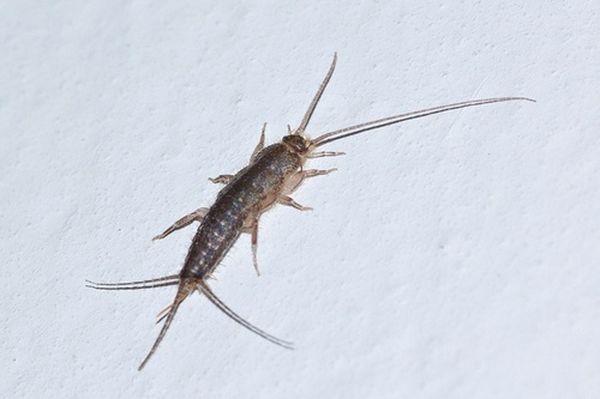
The scales of the domestic thermobia lack a silvery tint.
Thermobia got its name for its love of warm places. This type of silverfish prefers bakeries or kitchens, where, in addition to a comfortable temperature, there is plenty of food that satisfies its vital needs.
The domestic thermobia also does not tolerate light and can spend its entire life in the dark, but its females are more fertile than sugar silverfish, laying up to 40 eggs during their lifetime.
The harm of silverfish to humans and animals
Reference books confidently classify silverfish as pests. But what threat do these insects pose to humans? Let's take a look.
Silverfish do not bite, do not attack people or animals, and are completely indifferent even to sleeping people - they do not crawl into the bed or settle in pillows. This type of insect is completely unadapted to carrying pathogenic bacteria or any infectious agents.
So what is the harmfulness of silverfish?
As we've already established, these insects consume polysaccharides: flour, starch, and sugar. Therefore, the following are at risk:
- Food. Silverfish not only feed on household food but also leave waste products, such as excrement and scales, in them.
- Paper. A silverfish is unlikely to completely consume a book or photograph, but the holes it makes can destroy important information. The book or photo album will still be hopelessly ruined.
- Household and interior items. Starch, found in laundry detergents or wallpaper paste, can saturate silverfish for a long time. To get to the nutrients, the insect can ruin fabrics and wallpaper, as well as much more valuable items, such as a unique painting or antique souvenir.
- Mood. The unexpected appearance of a multi-legged insect in the house is unlikely to evoke positive emotions, as are signs of its presence in the home: holes in favorite items and foreign debris in food.
Photo Gallery: Risk of Silverfish Damage to Your Home
-
- By feeding on kitchen supplies, silverfish litter them with excrement and scales.
-
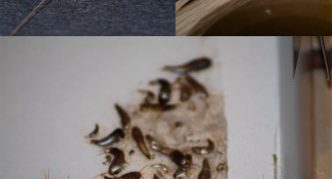
- The insect won't be able to crawl high, but it will still be able to ruin the wallpaper.
-
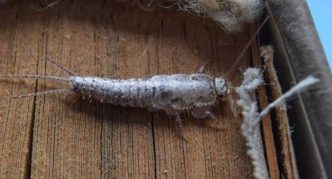
- Silverfish can damage an expensive photograph or an antique volume.
Important: the appearance of silverfish in a house or apartment may be a sign of poor sanitary conditions in the home.
Reasons and ways of silverfish appearance in the home
Since silverfish require darkness and moisture to survive, there is only one reason for the insect to settle in a house: high humidity.
There may be several ways in which a pest can enter a person’s home:
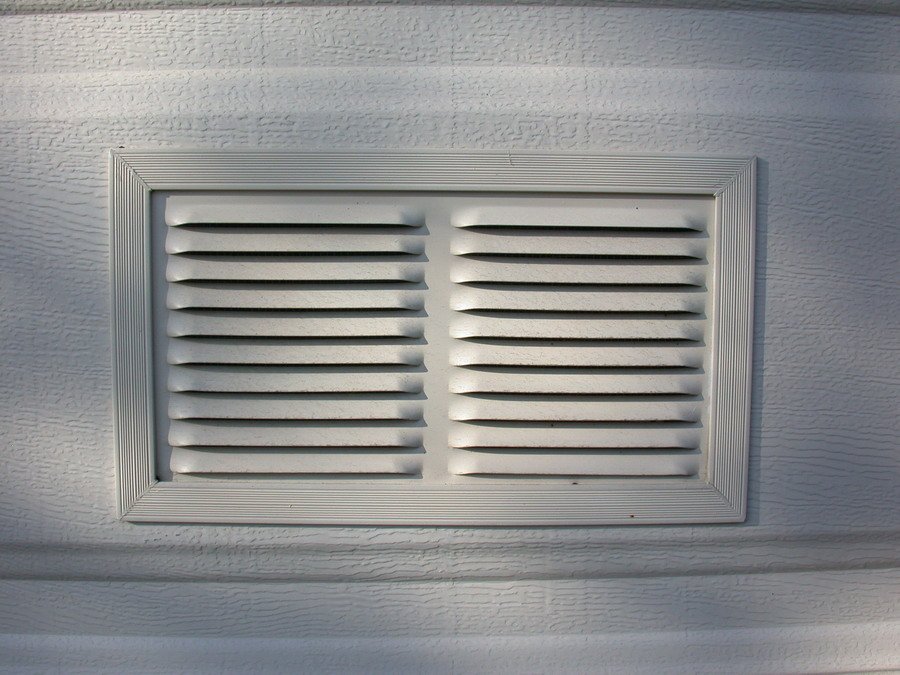
- A ventilation pipe. The front entrance to a house is a haven for all insects, not just silverfish.

Silverfish can easily enter a house through ventilation.
- Cracks, crevices, and loosely closed doors and windows. Due to its small size, the insect can squeeze through virtually invisible openings.
- Foreign objects containing adult insects or larvae. These could include food, basement boxes, books, fabrics, or any items made with polysaccharide-rich components.
You might not realize you have silverfish in your home for a long time. These insects only come out in the dark and are excellent at hiding.
How to get rid of silverfish in your apartment
We've already established that silverfish pose no immediate threat to humans. But living in an apartment with insects capable of damaging virtually any object in the house is still very unpleasant.
To get rid of the pest, you can use folk remedies (safe for homeowners and their pets) or resort to the use of chemicals. Insect traps are also considered effective. These methods can be combined.
Folk remedies
The simplest and most effective methods:
- Drying out the premises. Silverfish cannot survive in a dry and warm room, so (if possible) the best method is to lower the humidity to 30%. The insects will escape on their own.
- Temperature conditions. Silverfish can withstand temperatures from -10°C to +35°C. If the indoor temperature drops or rises above this critical level, the pest will not survive.
- Diatomaceous earth. This product only harms insects; it poses no danger to humans or animals. Spread the powder in areas where silverfish are likely to live, wait until morning, and then vacuum up the residue along with the dead insects.
- Cloves. Grind 10 grams of cloves per 100 grams of water. Spread the resulting mixture throughout the room, using a spray bottle. The aroma will not only repel silverfish but also pleasantly refresh the atmosphere.
- Citrus or lavender. You can use essential oils directly and dilute them in water at a ratio of 5-7 drops per 100 grams of liquid, or use homemade preparations. Grate or shred the citrus peel, and simply crumble the dried lavender. Spread the mixture throughout the room and reapply it at least once a week for a month.
Chemicals
Chemical insect repellents are highly toxic and should not be used near food or personal hygiene items. Before treating the premises, it is necessary to restrict access to it for children and pets. The most commonly used drugs are:
- Boric acid. Kills silverfish at all stages of development, including eggs. In liquid form, it can be sprayed. In powder form, it can be mixed with crushed chalk in a 4:1 ratio and scattered in areas where the pests may be present.
- Pyrethrin. Sprays containing this insecticide kill silverfish by paralyzing their nervous system.
- Chlorine. Cleaning products containing chlorine also work well against silverfish.
- Copper sulfate. Apply diluted in water as directed after a thorough cleaning. Apply the solution to all surfaces where silverfish might move, pouring it into crevices where they might hide.
The use of chemicals can provoke an allergic reaction. It is best to use rubber gloves and a respirator (mask) when treating the premises.
Photo gallery: Basic folk and chemical remedies against silverfish
-

- Silverfish eggs die at high and low temperatures in the house.
-

- Citrus fruits repel many insects, and silverfish are no exception.
-
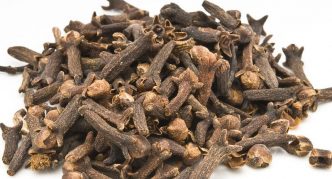
- Carnation "perfume" will repel silverfish and fill the room with a pleasant aroma.
-
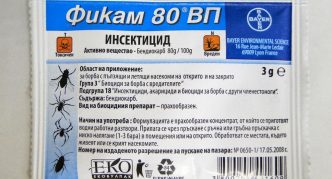
- Pyrethrin-containing preparations are contact insecticides.
-

- Boric acid is one of the most affordable and reliable means for killing insects.
-
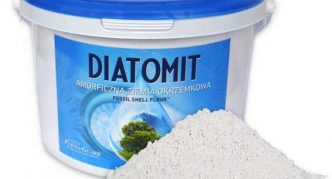
- Diatomaceous earth (rock flour) is effective against silverfish and is safe for animals and humans.
-
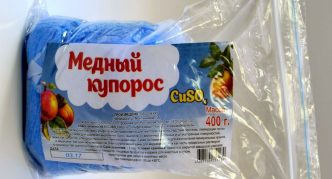
- To combat silverfish, treat all surfaces in the room with a solution of copper sulfate.
Traps
This method is highly effective and safe for those around you. Some traps are homemade and require no additional material costs.
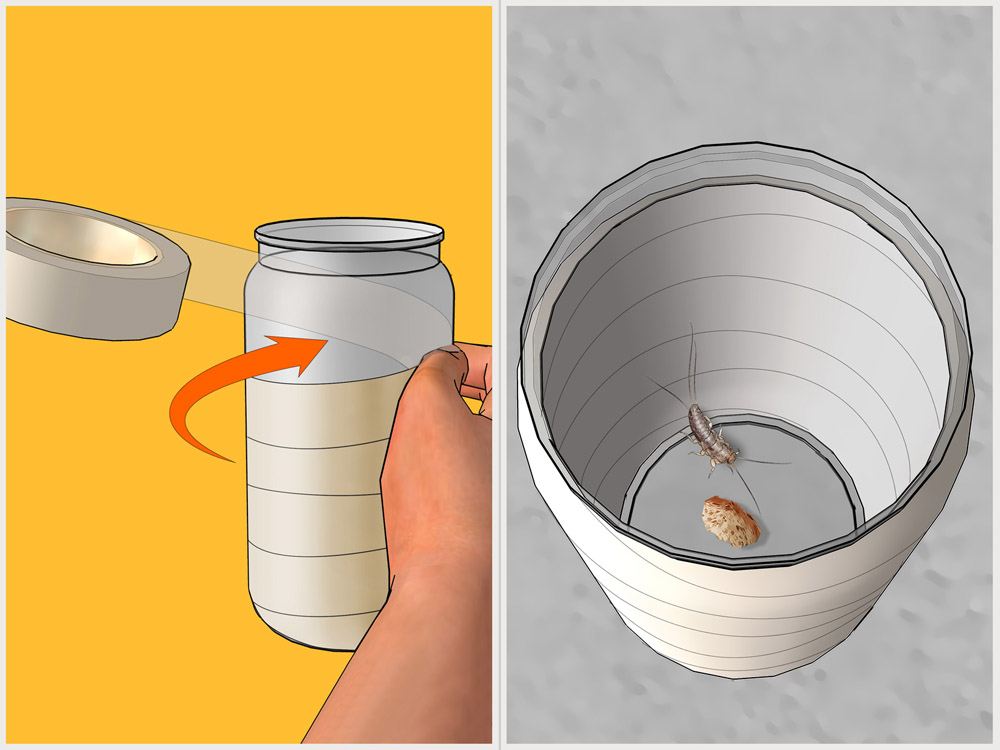
- A glass jar. The outside of the container is artificially roughened to allow the silverfish to crawl inside. Simply wrap the jar from top to bottom with duct tape or tightly with newspaper. Bait it with any food scraps. Once inside, the silverfish will be unable to escape because the glass is too slippery.
An ordinary glass jar can be turned into a silverfish trap using tape and a piece of bread.
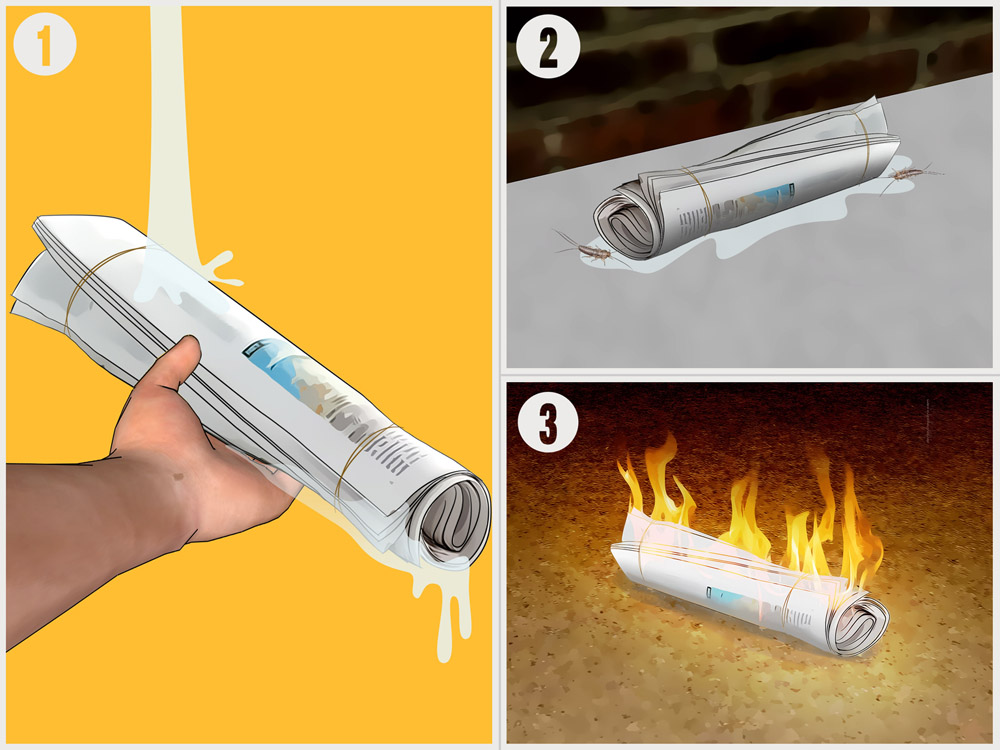
- Wet paper. Roll up a piece of regular newspaper, securing the ends loosely with rubber bands or staples. Moisten the roll and leave it near the silverfish's nest. The silverfish won't be able to resist the scent, which is almost imperceptible to humans. It will inevitably crawl inside, and all you have to do is dispose of the newspaper and its contents in the morning. Just don't unroll the trap to see if the silverfish is caught—it will certainly escape.
Wet paper is the best bait for silverfish.
- Store-bought insect traps. If you don't have the time or inclination to make your own, you can use ready-made traps. Any mechanical trap for cockroaches and other insects will do. Food scraps can also be used as bait.
Preventing the appearance of silverfish in the home
Preventive measures against the appearance of these insects indoors can be divided into two groups:
- preventing silverfish from entering the house;
- creating unbearable conditions for her to live in.
To reduce the risk of an insect accidentally getting into your home, you can:
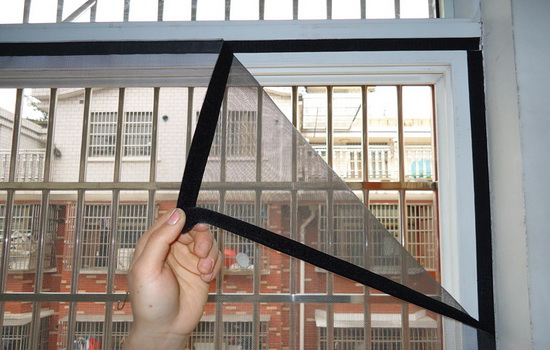
- Sealing your premises. Carefully sealing cracks and crevices, as well as installing mosquito nets on your windows, will prevent insects from sneaking in from your neighbors.
Window screens will not let any insects, including silverfish, into your home.
- Inspect and disinfect new items, especially if they were stored in a dark, humid environment before being brought into your possession. Such items should be quarantined at temperatures intolerable to silverfish.
The insect will not be able to take root in the house if the following is regularly performed:
- Ventilation. Including the bathroom and toilets.
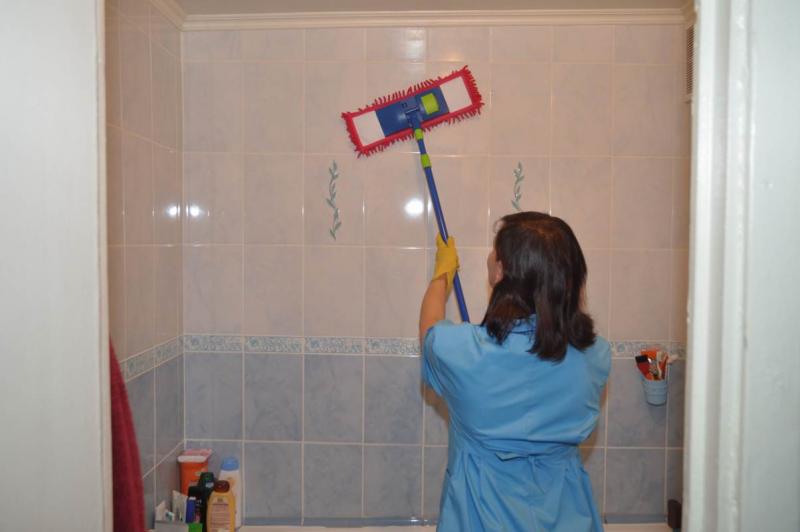
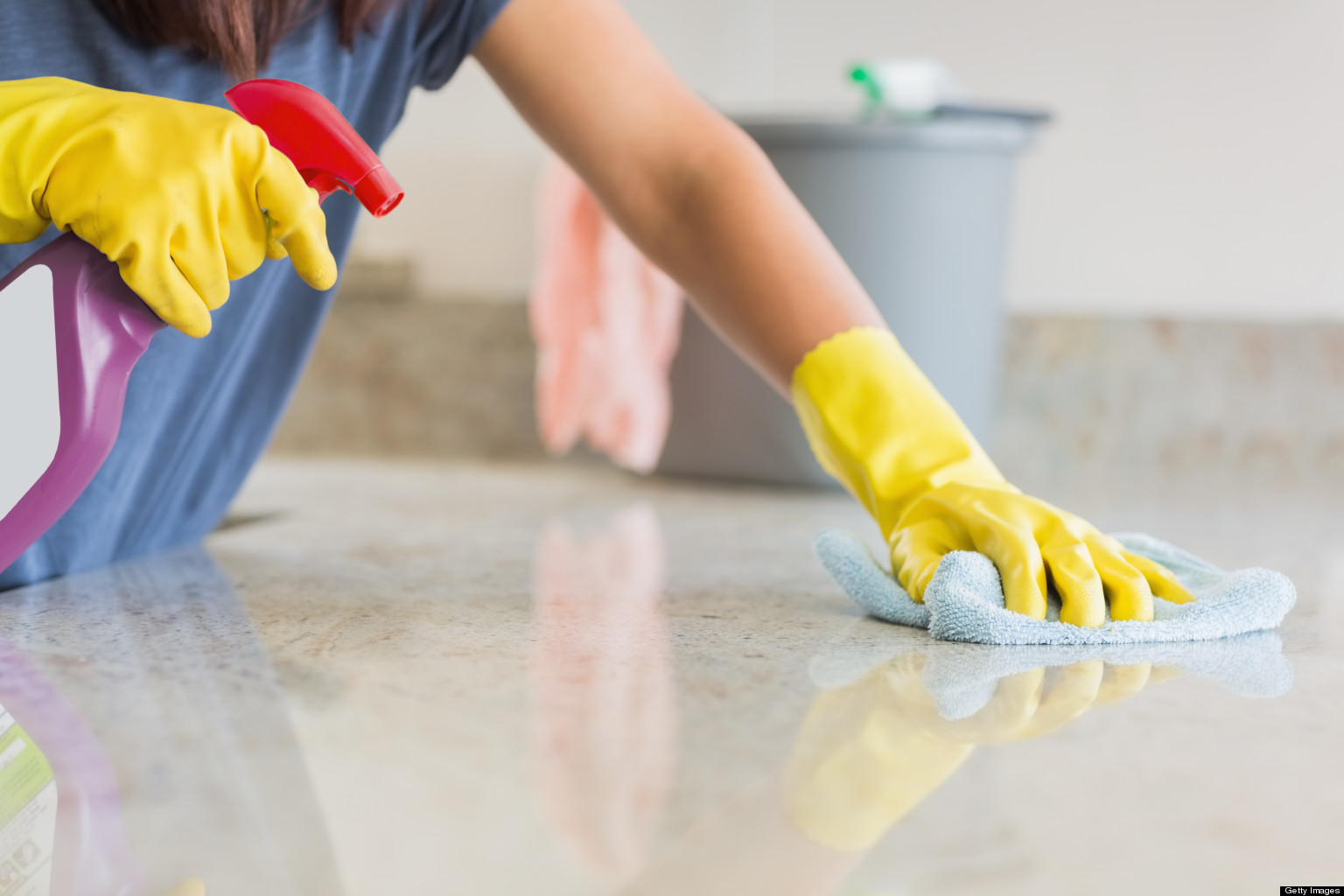
- Cleaning. Especially deep cleaning—cleaning hard-to-reach areas and treating walls and ceilings.
Regular cleaning of premises will prevent silverfish from settling in the house.
- Drying the air. Modern air conditioners have a special mode that allows you to dry the air in a room. If you don't have this device, you can use a regular hair dryer.
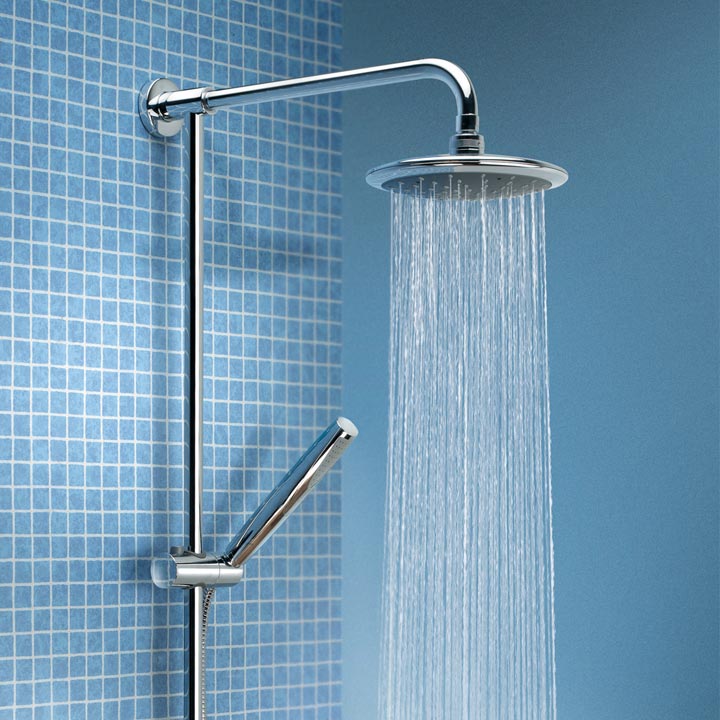
- Removing moisture and condensation. After showering, moisture remains on the bathroom walls, which silverfish love. Therefore, it's best to wipe up any splashes immediately after showering. Condensation also creates a favorable environment for the insects.
After taking a shower, don’t forget to wipe off any splashed surfaces.
- Sealing of food sources - food, paper products and clothing (fabrics).
Interesting fact: In the past, the most common way to get rid of silverfish (and insects in general) was by freezing the room. They would open all the doors and windows and leave the house to freeze. This practice was common. Freezing is still possible today, but it's worth keeping in mind that our ancestors didn't have to do this in the big cities.
Reviews
To help you choose a silverfish control product, you can read reviews from people who have already encountered these harmful insects in their homes.
I found an inexpensive and, most importantly, effective solution for dealing with sugar silverfish (they call these creatures silverfish) on European websites. It worked for me: buy boric acid powder and mix it with chalk at a ratio of 20% boric acid and 80% chalk. Sprinkle the mixture over all possible places where they live in toilets and bathrooms—along baseboards, cracks, under bathtubs, and around toilets—anywhere you've seen them. Leave the mixture for a week, and it's advisable to repeat the application after a month, as by then the silverfish will have hatched from their previously laid eggs. And most importantly, boric acid is odorless and poses no threat to pets. Good luck!
They love dampness, warmth, dust, and mold. This is enough for them to breed. Ventilate the bathroom after each use (five to ten minutes is enough). My "trigger" is the heated bathroom floor. As soon as I use it, they're right there. ((( NB: They can even crawl into the room! I've caught them myself. They can eat the wallpaper if they breed. They don't like bleach, and, in principle, any cockroach insecticide works against them. Vinegar and boric acid didn't work for me.
Raid Max insecticide. I followed the instructions. Shake it and spray it in the areas where they live. Then air it out. 30 minutes passed. The creatures crawled out of their holes and died. The aerosol has an unpleasant but tolerable odor. Inhaling it is not recommended. Just to be on the safe side, I wore a protective mask, goggles, and gloves. Afterwards, I washed the floors with a soap and soda solution.
We had these when the toilet in our bathroom was leaking (dripping after flushing). We fixed the toilet, ventilated the bathroom frequently (the ventilation wasn't working well), and these... disappeared.
WE HAVE ALMOST NO LONGER THEM... AT LEAST I HAVE NOT SEEN THEM FOR HALF A YEAR. This makes me very happy... Well, I wipe the floor with Domestos, and then rinse it 3 times with regular water... Maybe Domestos is killing them little by little!
There's no longer any doubt that silverfish, while not capable of directly harming humans or pets, are rightly considered pests. After all, the loss of a favorite photograph, a rare painting, or a book cannot be compensated for. Therefore, at the first suspicion of uninvited "neighbors," it's best not to delay and immediately use one of the silverfish control methods described.