Choosing a dog is a very important decision. After all, no matter what, you'll be living with the pet you've brought into your family for 10-15 years. The Campbell test can help you assess your dog's personality and its potential for training.
Contact assessment
Place your dog in the middle of the room, and move toward the wall or door. Sit down and call your pet or otherwise attract its attention. Assess its reaction:
- remained in place - 1 point;
- approached hesitantly, with his tail down - 2 points;
- came up immediately, but the tail was not raised - 3 points;
- came up right away, tail not hanging - 4 points;
- Approached in a playful mood, wagging his tail - 5 points.
Independence Assessment
Take the puppy back to the middle of the room. Leave yourself. Your pet's reaction:
- did not follow you - 1 point;
- went, but reluctantly, with his tail down - 2 points;
- went willingly, tail still hanging - 3 points;
- walked happily with you, with his tail held high, but showed no desire to play - 4 points;
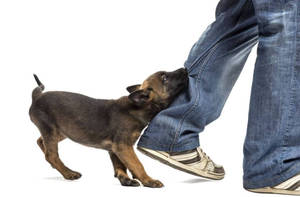
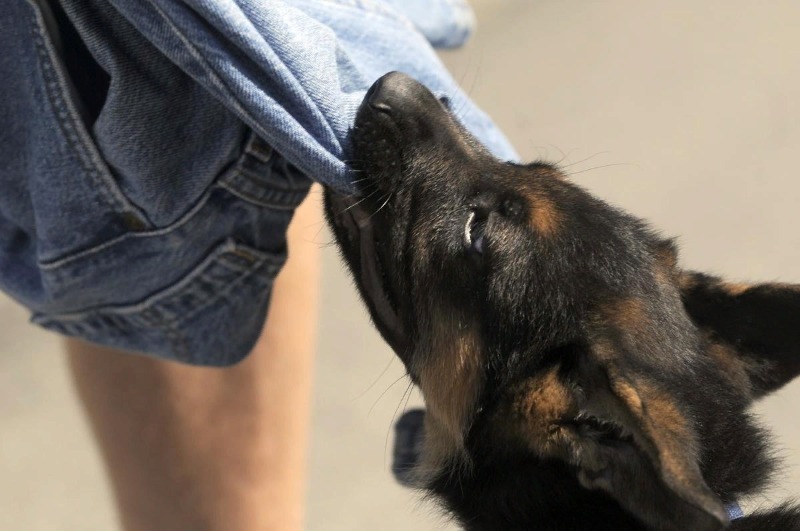
- came with you, plays, bites your trouser leg, wagstail- 5 points.
Obedience assessment
Turn the puppy over onto its back. Place your hand on its chest, preventing it from standing up.
- wants to stand on its paws, but does not actively resist, behaves calmly when lying down - 1 point;
- a lying puppy watches your actions, nuzzles you with its muzzle, does not lick your hand or make contact in any other way - 2 points;
- does not resist, but when lying down, he is restless and licks his hands - 3 points;
- resists when being laid down and lying down, but does not try to bite - 4 points;
- doesn't want to lie down and tries to bite - 5 points.
Assessing dominance through stroking
Pat the dog gently with your hand over the body, starting from the top of the head:
- does not respond to stroking - 1 point;
- turns his muzzle and sniffs your hands, but does not bite or lick — 2 points;
- enjoys being stroked, tries to lick hands - 3 points;
- dodges petting, growls, but does not try to bite - 4 points;
- The pet doesn't like being petted, it dodges and wants to bite - 5 points.
Assessing Dominance through Head Hold
Pick up the puppy and bring it to your face so its face is at eye level. Look at it for 30 seconds. Assess its reaction:
- does not make contact, but there is no resistance either - 1 point;
- does not resist, licks face - 2 points;
- At first he is unhappy, but calms down and wants to lick your face - 3 points;
- resists, turns away his muzzle, but does not growl or bite - 4 points;
- there is resistance, bites and growls - 5 points.
Test results
Five. The puppy scored 5 in the last two tasks and 4 in the others, but no lower. Such a puppy will grow up to be an extremely aggressive dog. It's best not to bring such puppies into families with children. This pet is best suited for someone with nerves of steel and a steady hand, who is willing to devote their free time to raising and training the pet.
Four. A puppy that receives the most fours, with all other scores being at least three, has good working dog potential. They would be ideal for search and rescue work or would make a good guard dog.
Three. In the last questions the puppy scored 3 points, and the others are higher or equal. This dog is perfect as a family pet. He has a good nervous system. He's not shy, but he won't show aggression toward family members.
Two and one. A puppy that scores 2 or 1 will become an obedient and patient dog. ButatA puppy that scores a 1 in the fourth test will likely have problems with socialization, requiring significant time spent interacting with and training it. And if such a puppy scores a 3 or 4 in any of the tests, it will likely have an aggressive and timid nature.