If you find yourself in a group of people belonging to a certain group, you might hear words and expressions whose meanings are unclear. We'll explain the meaning of these strange words often used among cat lovers. Incidentally, "cat person" is slang, but cat lovers call themselves something even more interesting: "cat-loving."
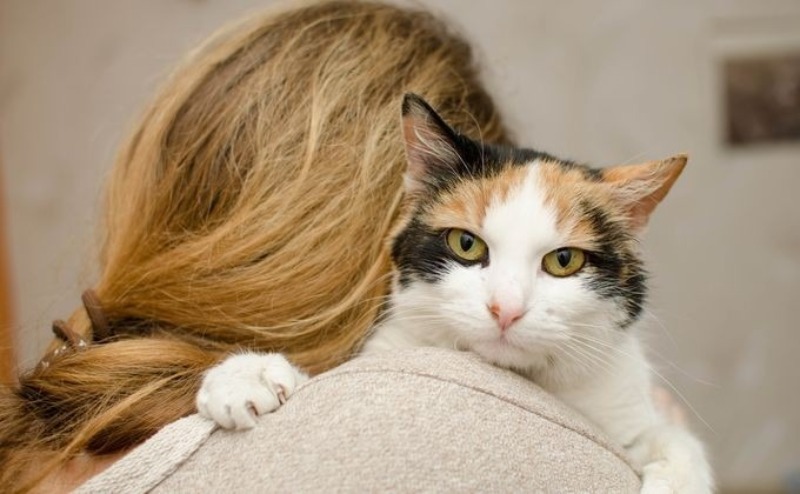
Words and phrases to describe cat gestures and cat poses
Any cat can do the "Hobu." "Hoba!" and the cat's paw is raised up, and the pet begins to lick its fur.
Every cat starts their day with a "camel." Have you noticed? After napping, they do a peculiar stretch, arching their back and stretching. Once they've done the "camel," they can move on to other activities.
The "tail of courage" is a mandatory training exercise for kittens as they begin to emerge from infancy. To an observer, the "tail of courage" appears threatening, as the kitten holds its tail erect and attempts to intimidate nearby enemies. Adult cats display the "tail of courage" much less frequently, but when they do, they carry themselves confidently and can truly intimidate their adversaries.
Words and phrases to describe cat behavior
If you have a cat in the house, you'll definitely have a "cat alarm." This isn't a clock for the cat, but the cat itself. Since cats are nocturnal predators in the wild, even in the "prairie" conditions of an apartment, they get hungry in the early morning. A hungry cat will make every effort to get a portion of food. That's why the "cat alarm" goes off in the morning with a loud purr. Upon entering the kitchen, the "cat alarm" may change tactics and persistently rub against your legs.
During play, well-behaved cats may "bite." This is a way to signal to their owner that the game has become boring. The cat will lightly nip the "opponent," threatening that the next bite might be real and it's time to stop.
After birth, kittens are fed milk by their mothers. And while sucking, the little ones massage their mothers with special movements. This "milk step" doesn't disappear with age; many adult cats knead the sofa with their paws when they're content, just as they did when they were babies. Some even enjoy giving their owners massages.
Cats can "search for oil" or "dig" in their litter box—if the litter box is filled with filler, the pet will inevitably dig in it while using the toilet, hence these phrases.
Words and phrases to describe cat activities
After a successful "treasure hunt" in the litter box, a cat may become possessed and begin "chasing ghosts." Some cats "chase ghosts" before using the litter box. It appears as if the cat is chasing something invisible. The "ghost hunt" lasts two to three minutes, after which the "demons" release the cat, who finds more peaceful pursuits. For example, she might watch "cat TV"—out the window.
Words and phrases to describe a cat's appearance
From stories of cat parents (cat owners), you can learn that their purr-fect (wonderful) pets love to play, sometimes go on strike (refuse food in hopes of getting a tastier morsel), have puffballs (the pads from which their whiskers grow) and pantaloons (thick fur on the back of their thighs), some have "food pouches" (folds of skin on the belly of overweight cats) and luxurious "ruffs" (longer fur around the neck in some breeds). True cat geeks constantly take photos of their pets and show them to everyone.
After becoming familiar with cat slang, you'll be able to understand conversations and participate meaningfully. You might even get a kitten.

 Evgenia Larsson
  Vladimir
8 comments