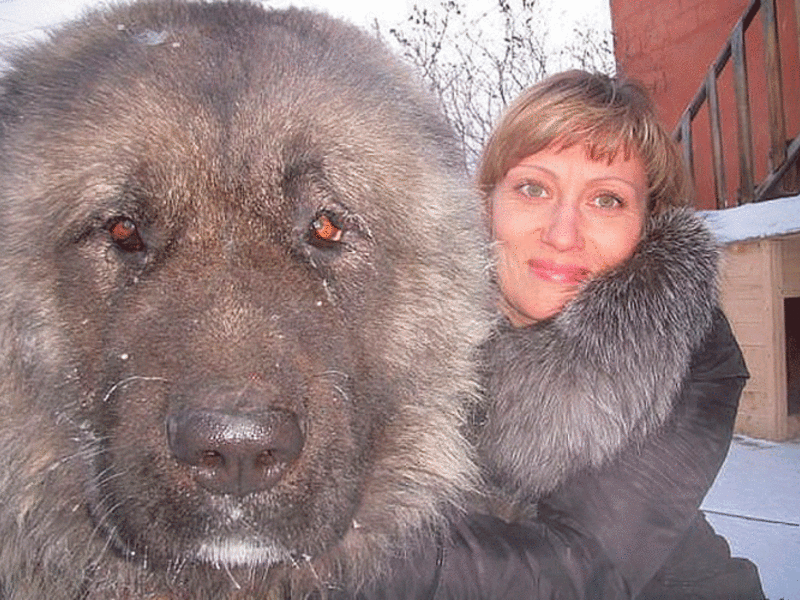
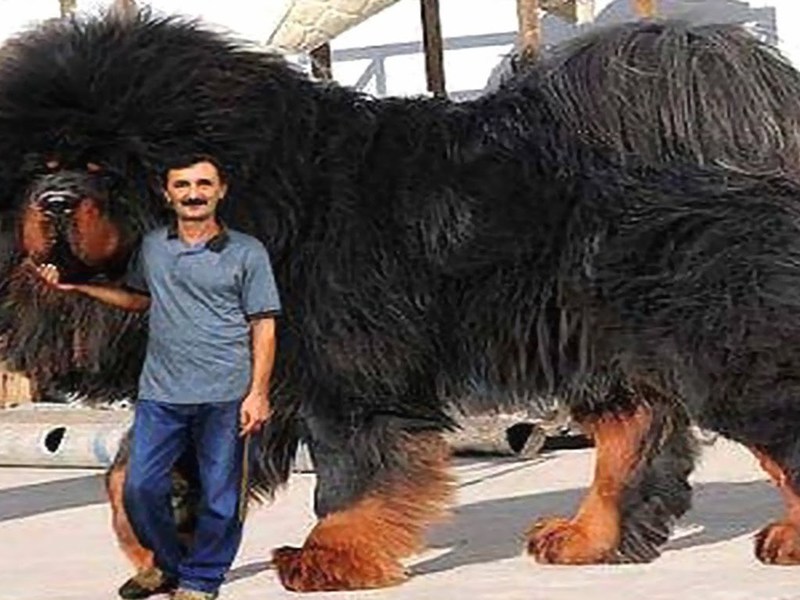
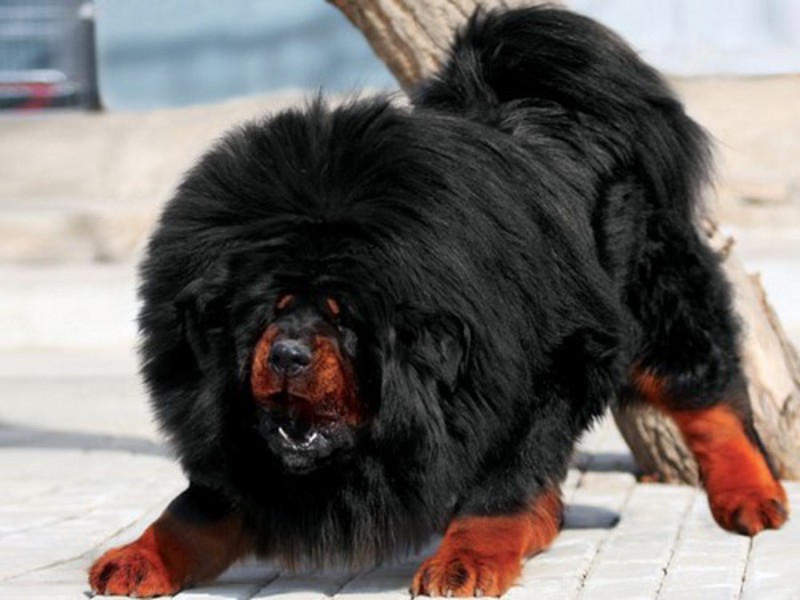
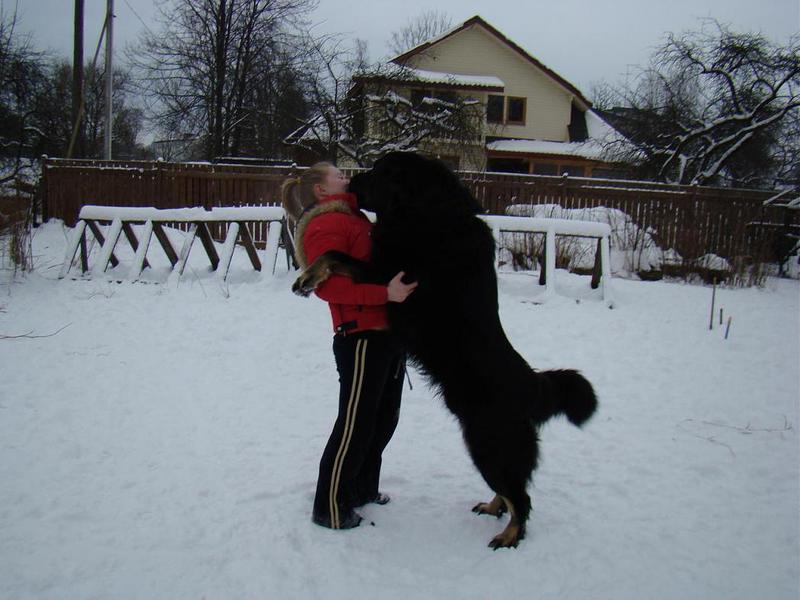
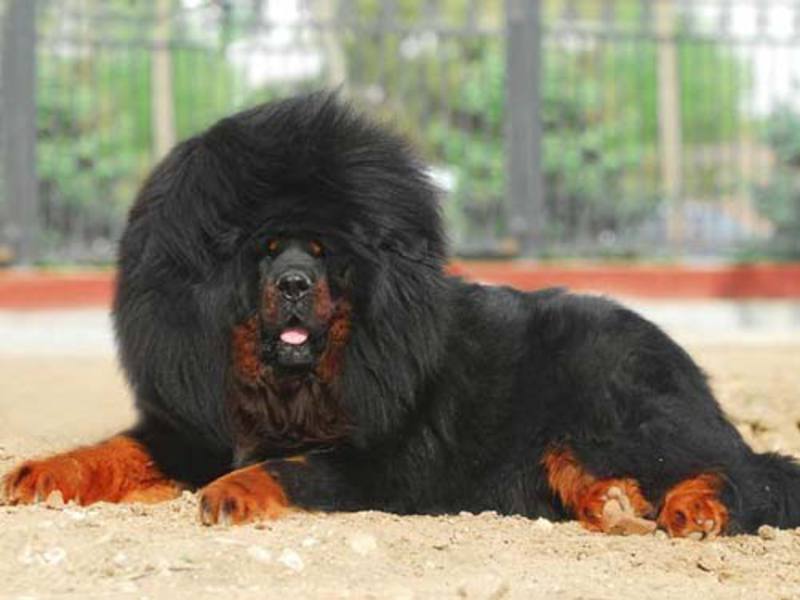
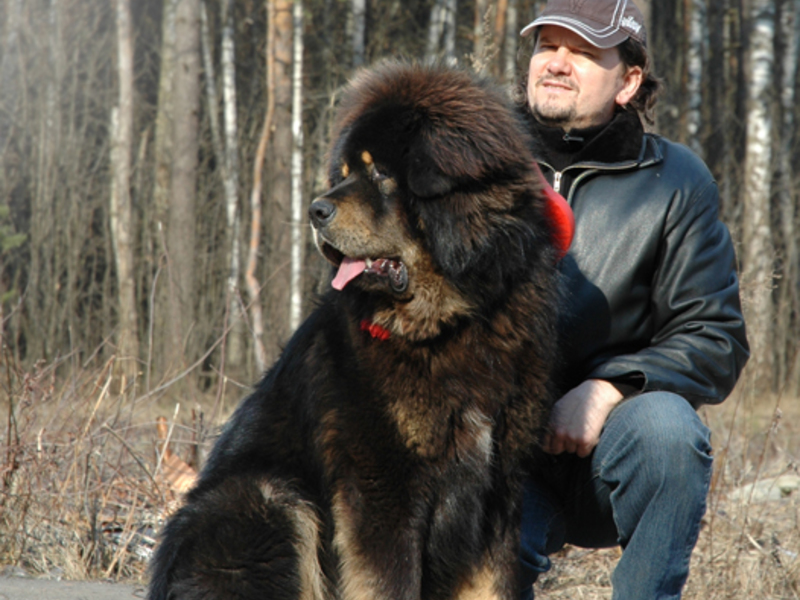
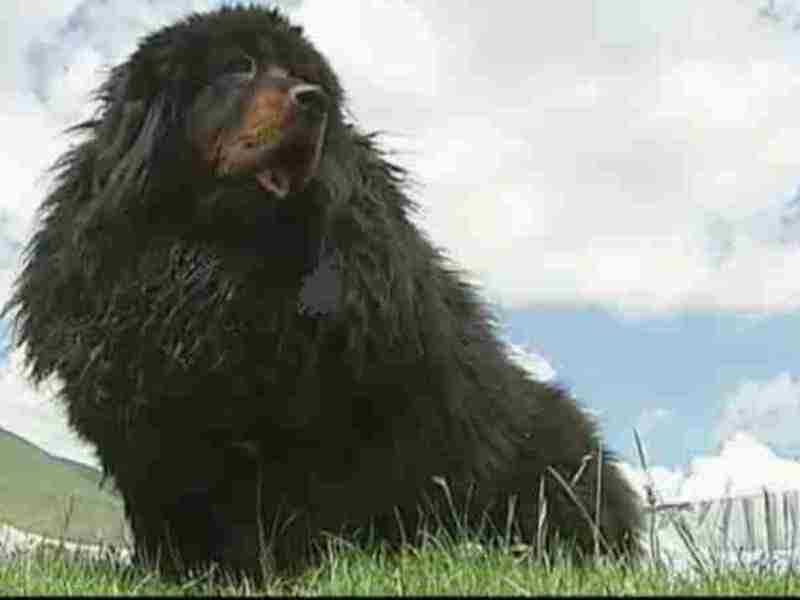
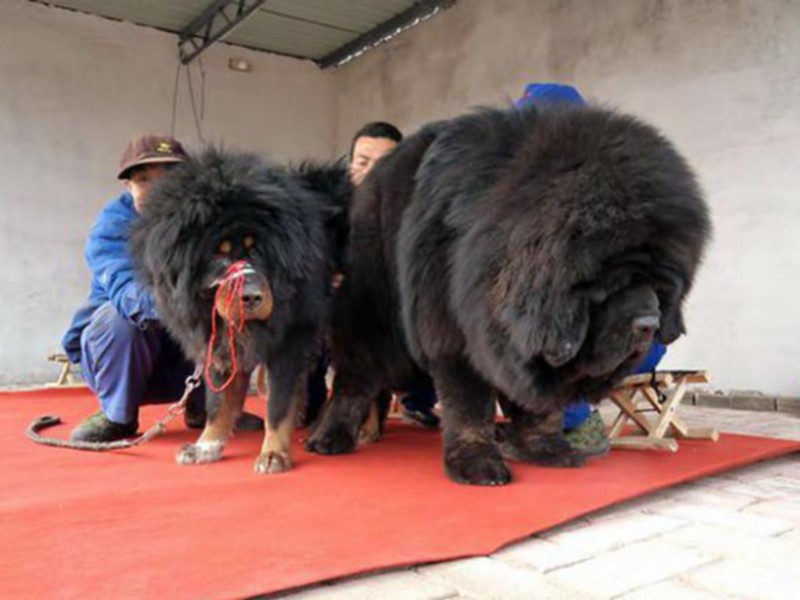
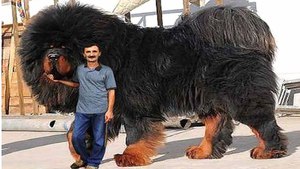
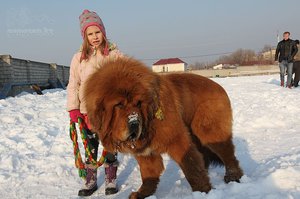
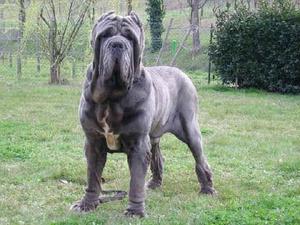
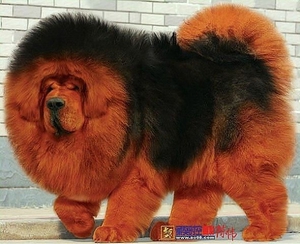
 The Tibetan Mastiff is one of the most ancient breeds of the Molossoid group, bred for working purposes. Legends about them have been told since ancient times. Aristotle and many other authors who visited Asia in those distant times spoke enthusiastically of these majestically large, strong, and incredibly beautiful dogs.
Renowned cynologists actively studied the origins of these giants and their place in Tibetan culture. The first European to own the world's largest dog was Queen Victoria in 1847A little later, these dogs appeared in England. In 1898, a pair of Tibetan mastiffs gave birth to their first offspring at the Berlin Zoo.
Content
History of origin
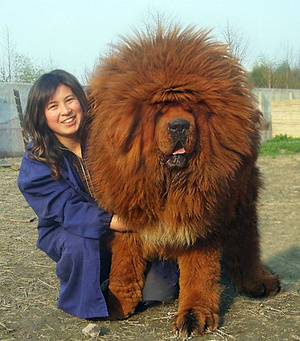 Tibet, full of secrets and mysteries, is located on the northern side of the Himalayas, isolated from the outside world by the snow-capped peaks of these giant mountains. Thanks to this isolation, these Tibetan dogs have retained the breed's original qualities—endurance, robust health, and unprecedented strength.
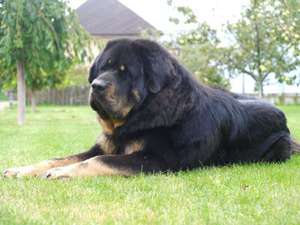
Their long, thick coat with a massive undercoat, resembling a lion's mane, keeps mastiffs warm even in the harsh Tibetan frosts. Their robust build allows them to easily navigate rocky terrain, covering impressive distances.
According to the legends of the ancient Tibetans, the color of these large dogs carries a certain meaning.
- The light spot that adorns the mastiffs' powerful chest indicates their loyal and brave heart.
- Two spots on the eyebrows are an extra pair of eyes, which allows Tibetan giants to look straight into a person’s soul and see all his thoughts.
These dogs are naturally robust and, despite their gigantic size, live quite a long life. Their intimidating appearance belies their quite peaceful characterBut when the mastiff senses that his master or the territory entrusted to him is in danger, he rushes to defend his territory like an enraged lion.
What you need to know about the breed
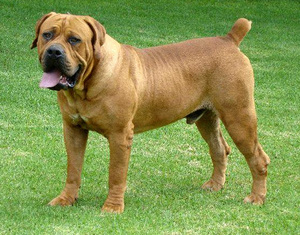 This is the largest dog breed in the world. Females stand 61-71 centimeters at the withers, and males 66-80 cm. They can weigh up to 112 kg. As puppies, Tibetan Mastiffs, like all dogs, are restless and mischievous, but as they mature, they gain intelligence and become calm and wise dogs in adulthood.
This large dog is always ready to be by its owner's side. This is not a breed that constantly needs affection. If a mastiff wants attention from its owner, it will let you know. This the most responsible watchman, who will defend their territory and family members to the death. If there are children in the family, the dog will become an indispensable playmate. Even in adulthood, these giants love to fool around with children, letting them do whatever they please. But overall, Tibetan Mastiffs are sensible, calm, and don't cause any inconvenience to their owners.
Thanks to its thick, long coat, this dog can live outdoors year-round. It doesn't even require a cage, but keeping it in an apartment can be quite challenging, due to the Tibetan Mastiff's small size and its coat. They will shed year-round, which can deteriorate the quality of their luxurious coat, forcing owners to vacuum their apartment daily. Due to their guarding instincts, the Tibetan Mastiff is most active in the evening and at night. During the day, they prefer to get enough sleep, so that when night came, they could take up guard duty again.
This breed comes in a variety of colors: solid black, black with red tan, gold, solid gray, gray with gold tan, and chestnut. Red spots are found on the eyebrows, the insides of the legs, and the tip of the tail.
Features of maintenance and care
This breed is not suitable for a novice dog breeder, so it is better for a person who has previously had experience raising service dogs to get a Tibetan Mastiff.
Choosing a puppy
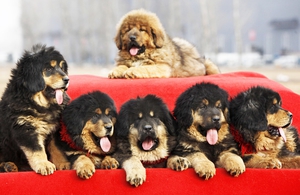 When deciding to buy a Tibetan Mastiff, remember that the care you take in choosing a puppy will determine what kind of pet you get. First things first. need to choose breeders, which have a good reputation. Before buying a puppy, you should look at its parents, find out if they are healthy and have good temperament, and whether they have had healthy offspring before.
Once you've found a puppy you like, you should ask the breeder what birth order it is (stronger and more resilient puppies are born first), how it behaves in a pack, and how it differs from its siblings. The puppy should be removed from its mother at 1-1.5 months of age, when it can already feed itself. However, be prepared for the fact that even at this age, the puppy is quite large and can weigh up to 9 kg. At birth, puppies weigh 0.6-0.9 kg.
Raising a giant of this breed is a lot of work. As soon as the puppy crosses the threshold of your home, you need to start raising himOtherwise, you could end up with a problematic dog. A young mastiff needs to be taught to trust you. This requires constant petting, gentle conversation, and accepting its invitations to play.
Be prepared for this large, playful little brat to repeatedly poke you with his sharp puppy teeth. Like puppies of any other dog breed, mastiffs are very active and indulge in mischief, big and small. You shouldn't yell at them for this, much less hit them, as it can easily ruin the dog's well-earned but still shaky trust. This could lead to the dog becoming fearful of you and a breakdown in your relationship.
As for nutrition, a puppy should be fed frequently and in small portions. During the period of active growth, it needs foods rich in calcium, protein, vitamins, and microelements. Alternatively, you can use a balanced food specifically designed for puppies. An adult dog needs two meals a day. For each meal, it should eat 0.3-0.4 kg of high-quality foodAccess to clean water in sufficient quantities is essential.
Another important point is that Tibetan mastiffs do not tolerate high temperatures well during hot weather, and the best option for them is to seek shade. Therefore, it's important to provide them with this opportunity.
What kind of care does the breed require?
If your big friend doesn't participate in shows, then caring for him is not at all difficult and consists of combing his luxurious fur several times a week with a special comb.
If you own a show specimen, you should be prepared for the fact that the dog will need more frequent washing and subsequent drying with a hair dryer, the purpose of which is to lay the coat in the correct direction.
What illnesses can these dogs suffer from?
As has been said many times above, Tibetan Mastiffs have excellent healthPuppies under one year of age can suffer from the same illnesses as other dogs (distemper, enteritis, etc.). This requires age-appropriate vaccinations. As adults, this breed is virtually free of illnesses. Occasionally, an inverted eyelid may occur. However, this problem is easily corrected with surgical correction. Like any large dog, a mastiff can be susceptible to hip dysplasia. However, if you acquire a puppy from healthy parents, the risk of developing this condition is minimal.
Competitors of Tibetan Mastiffs
Besides Tibetan Mastiffs, there are several other breeds whose representatives can easily be called the largest dogs in the world. To answer the question, "What is the largest dog in the world?", you need to know the criteria for classifying a breed as a giant.
And these criteria are as follows: the height at the withers should be from 60 cm and above, and minimum weight from 55 kg.
Based on these characteristics, the title of largest dogs is held by:
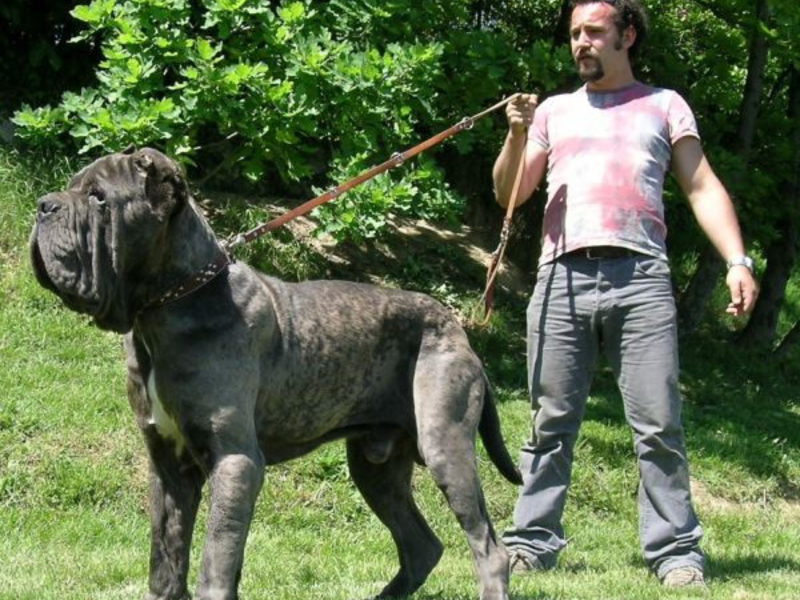
 The English Mastiff is the Tibetan Mastiff's main rival. Developed in Britain, it is classified as a working breed. They can weigh up to 112 kg, and their height at the withers ranges from 73 to 91 cm. The heaviest dog of this breed in the world weighed 148 kg. By acquiring an English Mastiff, you get two birds with one stone, acquiring both a loyal companion and an excellent guard dog.
- Irish Wolfhounds—their purpose and homeland are easily guessed by their breed name. They stand 76-80 cm at the withers and weigh 55-58 kg. They are easy to train and have a relatively calm disposition. They come in gray, white, and black.
- The St. Bernard is the most famous character in the film "Beethoven." They were bred for rescue work but quickly gained popularity as pets. They stand 65-85 cm at the withers and weigh an average of 85 kg.
- The Dogue de Bordeaux is the most combative of the giant breeds. Originally bred in France for dog fighting, they have proven themselves to be excellent guard dogs. These dogs weigh an average of 56-60 kg and stand 60-70 cm tall at the withers.
- The Boerboel originates from Africa, where it was bred for guarding. Despite its impressive size, it is a very kind and affectionate dog. If you have children, it will become their best friend. Its height at the withers is 67-71 cm, and it weighs up to 90 kg.
 The English Mastiff is the Tibetan Mastiff's main rival. Developed in Britain, it is classified as a working breed. They can weigh up to 112 kg, and their height at the withers ranges from 73 to 91 cm. The heaviest dog of this breed in the world weighed 148 kg. By acquiring an English Mastiff, you get two birds with one stone, acquiring both a loyal companion and an excellent guard dog.
Despite the fact that a fashionable trend has now begun boom in small dog breedsThese majestic giants continue to be popular. And for good reason, as most of them, behind their menacing exterior, conceal a peaceful and good-natured nature. However, when their home or owners are threatened, they will rush to their defense without hesitation, and if necessary, lay down their lives on the altar of their family.