The Schipperke is a herding dog breed. These miniature shepherds are similar in appearance to Spitz. They are excellent hunters of small rodents, moles, and rabbits, and are often used to guard ships. Active and intelligent, they are also suitable for apartments and country houses.
Content
Historical background
The Schipperke's origins are considered to be Belgium. In the 4th century, commoners were forbidden from keeping large dogs, leading to the development of two types of shepherd dogs: small and large. Thus, miniature Schipperkes spread across Belgium and later throughout Europe. An official description of the breed, however, only appeared in the late 19th century.
To preserve them, the first breed club was established in Belgium. Experts carefully monitor the breeding process.
Description of the breed
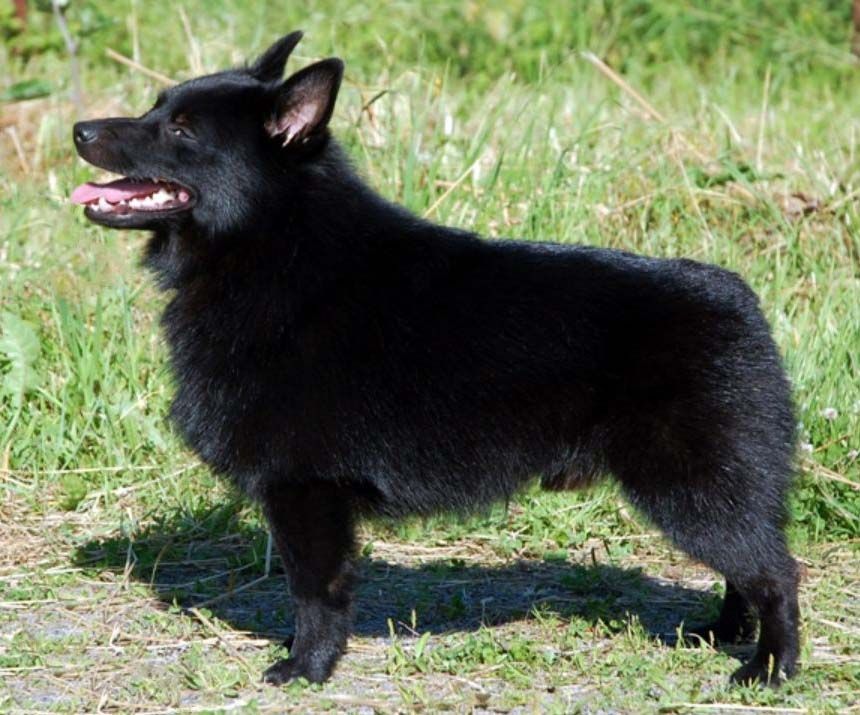
The Schipperke is a well-built, small dog. Males differ from females in size and proportions. The average height of an adult is from 25 to 33 cm. For the standard, the size of the dog is not of particular importance, but the following characteristics play an important role:
- Weight. A weight range of 3 to 9 kg is considered acceptable, while 4 to 7 kg is optimal.
- Back length. This measurement should be equal to the height at the withers.
- The dog's muzzle. It should be shorter than the skull and take up less than 1/2 of the head's length.
Breed standard:
- The body is square. The neck is not long, the chest is strong, and the withers are well developed. The groin should be tucked up.
- The head is shortened and wedge-shaped.
- The eyes are almond-shaped and small. The iris is brown.
- The ears are small and pointed at the tips.
- The limbs are strong. The hind legs are slightly longer than the front legs.
Schipperkes are born without a tail and are usually docked short. Their skin is smooth and black-pigmented. The dense undercoat is softer than the full coat and provides reliable protection from moisture and wind. The black coat grows densely. The hair on the ears, legs, and muzzle is shorter. The longest hair is found on the mane, frill, and "breeches" (the hind and front legs above the elbows).
Character
Schipperkes are hyperactive and inquisitive. They love to explore their surroundings and observe their owner's activities. This breed is ideal for active people, as they enjoy long walks and jogs. Schipperkes are very devoted to their owners and love spending time with them.
Schipperkes get along well with children, and for children over 5 years old, there's no better playmate. The dog tolerates the pranks of small children and quickly finds common ground with them. However, the dog doesn't get along well with pets, especially small rodents and birds, as it views them as potential prey. The dog is wary of strangers. If it perceives a person as suspicious, it may attack.
Pros and cons
Advantages of miniature shepherds:
- quick learner;
- friendly attitude towards children;
- devotion to the owner;
- compact dimensions.
The main drawback of this breed is that they require regular exercise, which not all owners can provide due to their busy schedules or other circumstances. Another drawback is the cost of the puppies. A purebred with all the necessary paperwork will cost at least 80,000 rubles.
Education and training
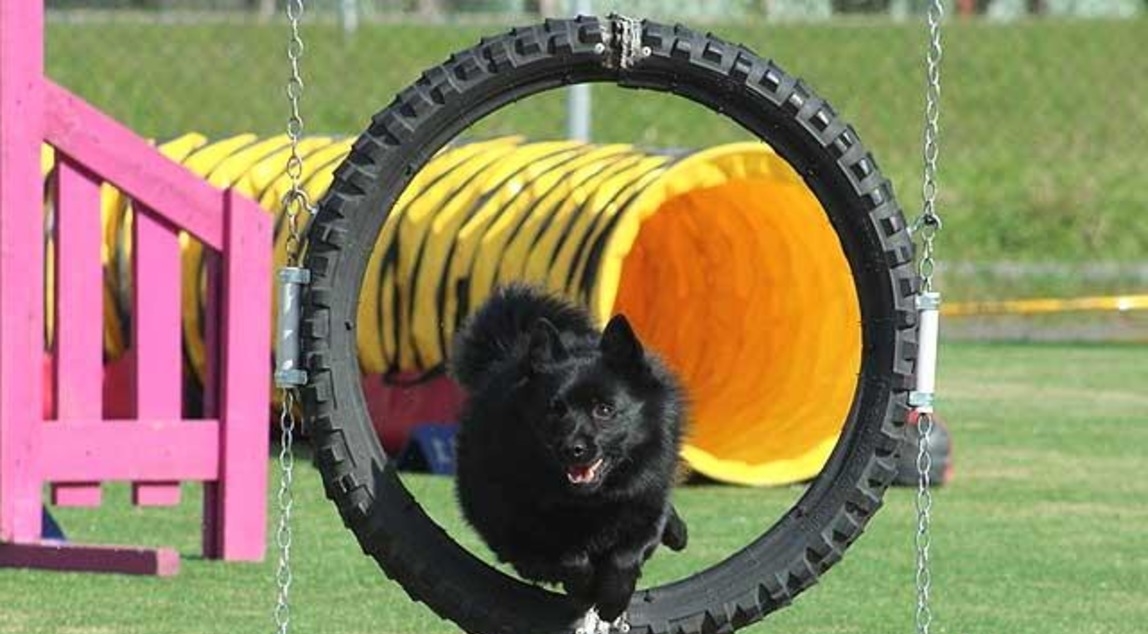
Schipperkes require early socialization. It's recommended to teach the puppy all the necessary skills before it reaches four months of age. The owner will need to be firm, as dogs of this breed tend to be dominant. If the owner is too soft, the pet will grow up unruly and aggressive. However, yelling or threatening behavior is not recommended for disobedience, as this behavior will lead to psychological damage.
The Schipperke is not suitable for beginners, as training them can be challenging due to their willful nature. In this case, a professional trainer will come to the owner's aid. It's best to conduct training in a playful manner, as monotonous command practice quickly tires the dog and makes it lose interest in learning.
Content Features
Regardless of where they live, they will need daily walks. This breed also requires regular exercise. In inclement weather, it's advisable to take them for walks in a special jumpsuit, as Schipperkes shouldn't be bathed frequently.
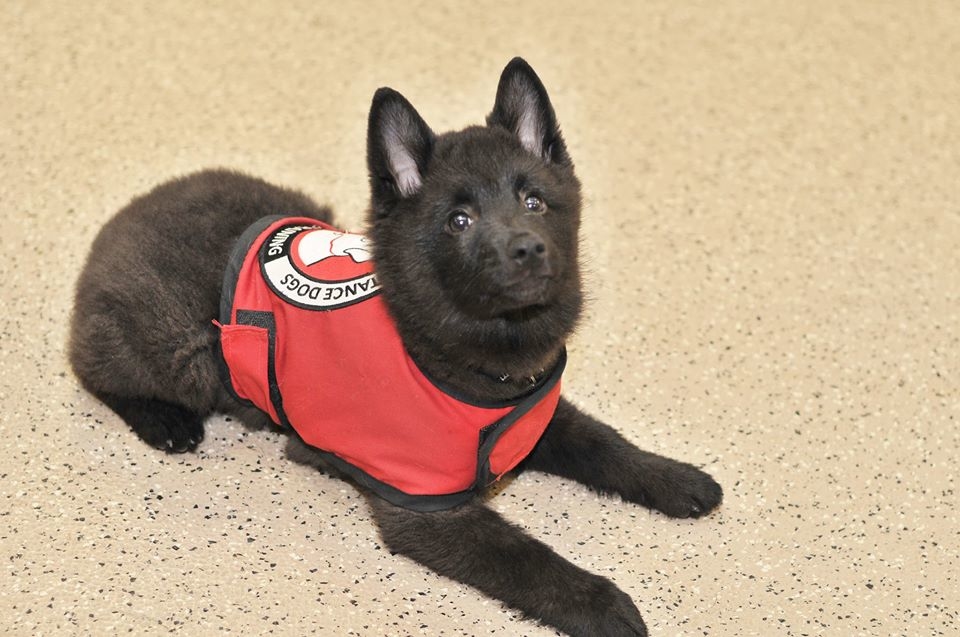
You will also need to purchase the following accessories:
- 2 bowls for food and water;
- sun lounger;
- leash and harness;
- various toys.
Care
Grooming a Schipperke is easy, and even a beginner can handle it with ease. Special attention will be required only to the pet's coat and diet.
In addition to brushing the fur, grooming includes the following procedures:
- examination and cleaning of the pet's ears and eyes;
- bathing;
- brushing teeth.
Grooming
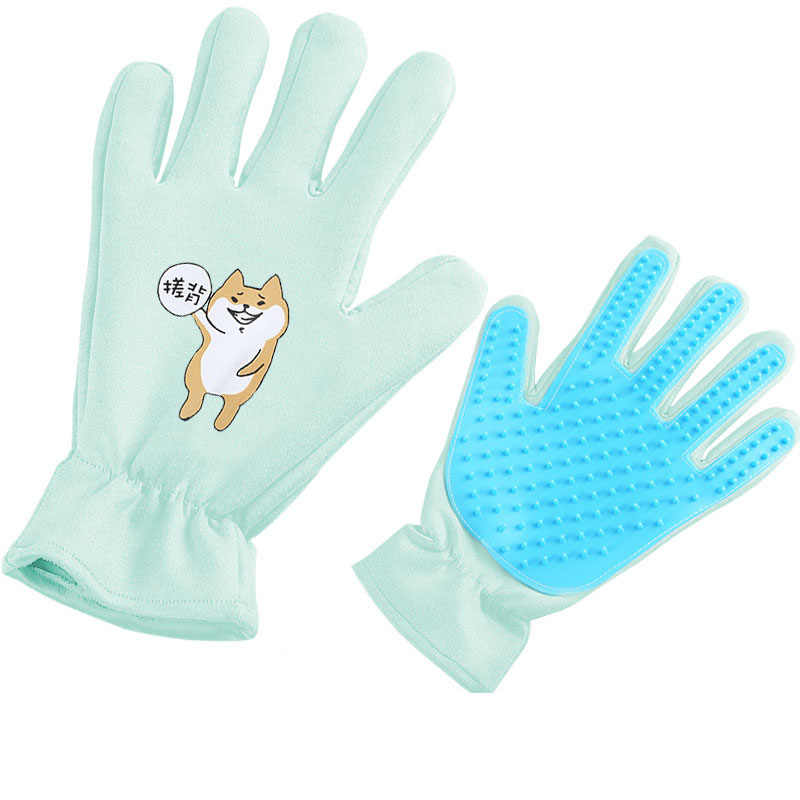
Grooming a Schipperke's coat involves brushing it 2-3 times a week. Ignoring this routine will result in mats. Start by brushing your pet with a medium-tooth comb, moving from head to tail, and then smoothing the coat with a mitten.
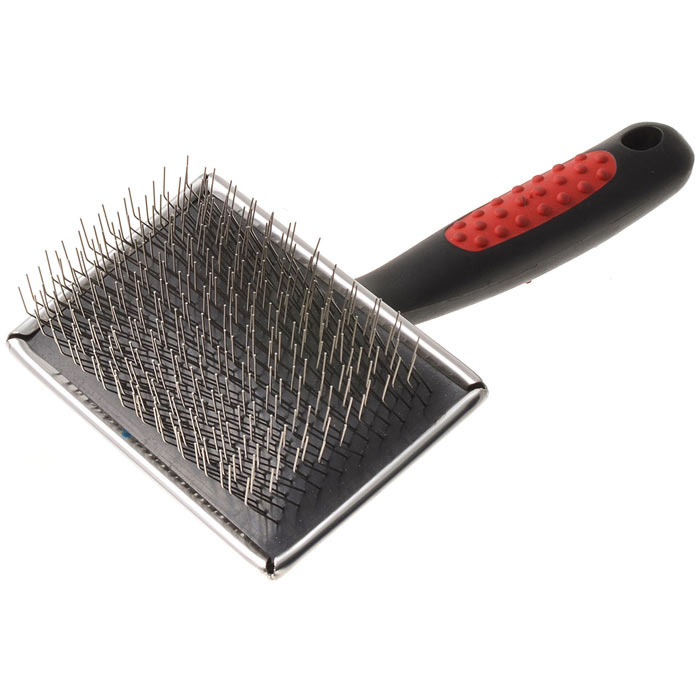
Schipperkes shed three times a year, but can lose hair due to stress. Females begin shedding additional hair after giving birth. The undercoat grows back over several months. During shedding, daily brushing is required. A slicker brush should be used to remove the undercoat. It's important to accustom your pet to this procedure from puppyhood to prevent it from causing stress later.
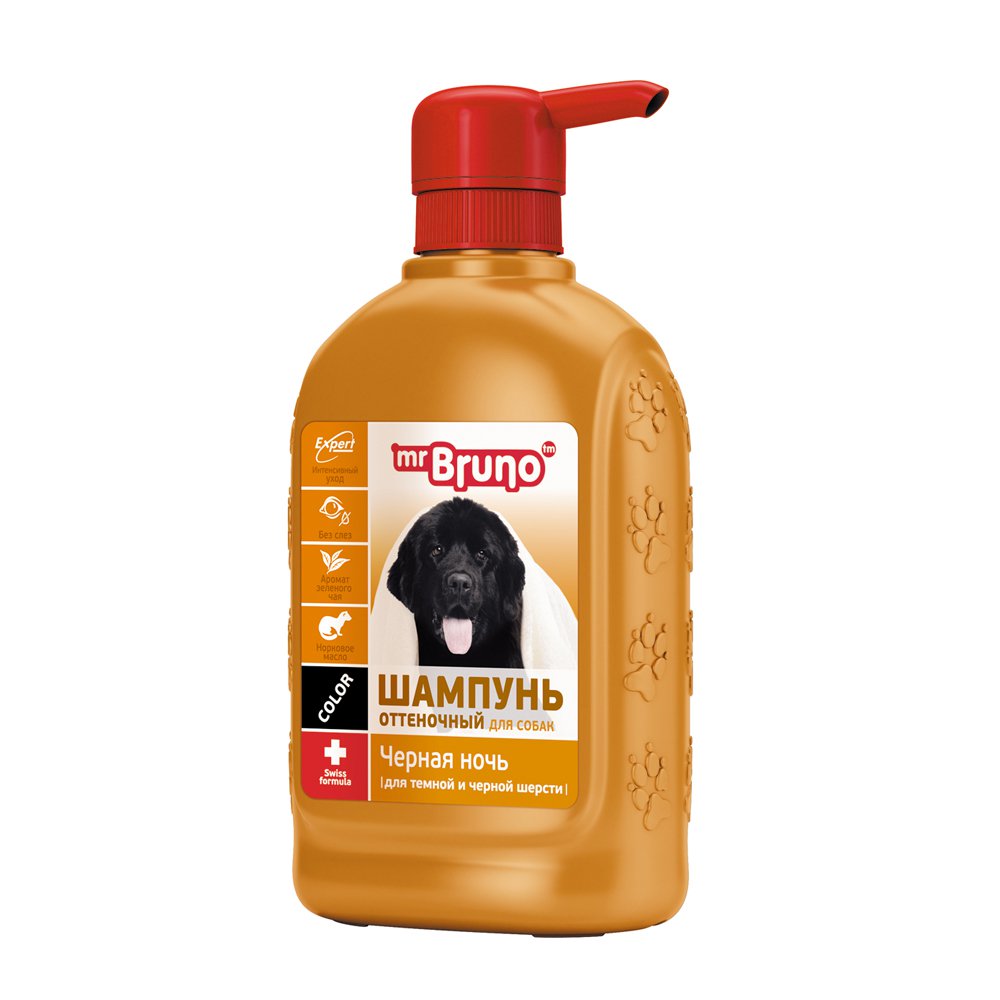
It is recommended to bathe your pet no more than twice a year without using any shampoos. Do not dry the coat with a hairdryer. Show dogs should be bathed as needed, using a special shampoo for black coats, which will help hide the "rust" (the tips of the Schipperke's hairs fade in the sun and become reddish).
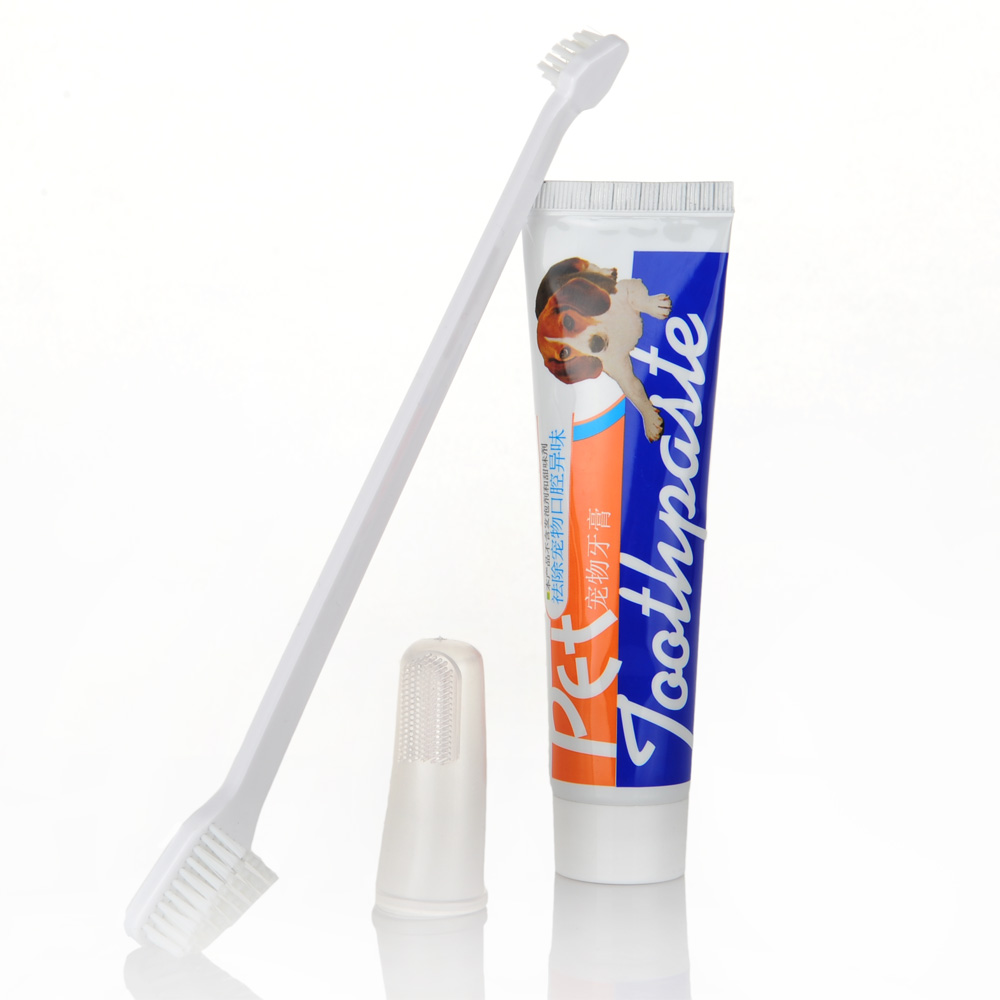
It's recommended to brush your dog's teeth regularly using a special toothbrush and toothpaste. This procedure can be somewhat challenging for newbies, so it's best to consult a veterinarian.
Schipperkes are prone to ophthalmological diseases, so their eyes require special attention. In addition to regularly checking for debris and removing discharge with a cotton ball soaked in warm water, you'll need to take your pet to the veterinarian for preventative checkups every six months.
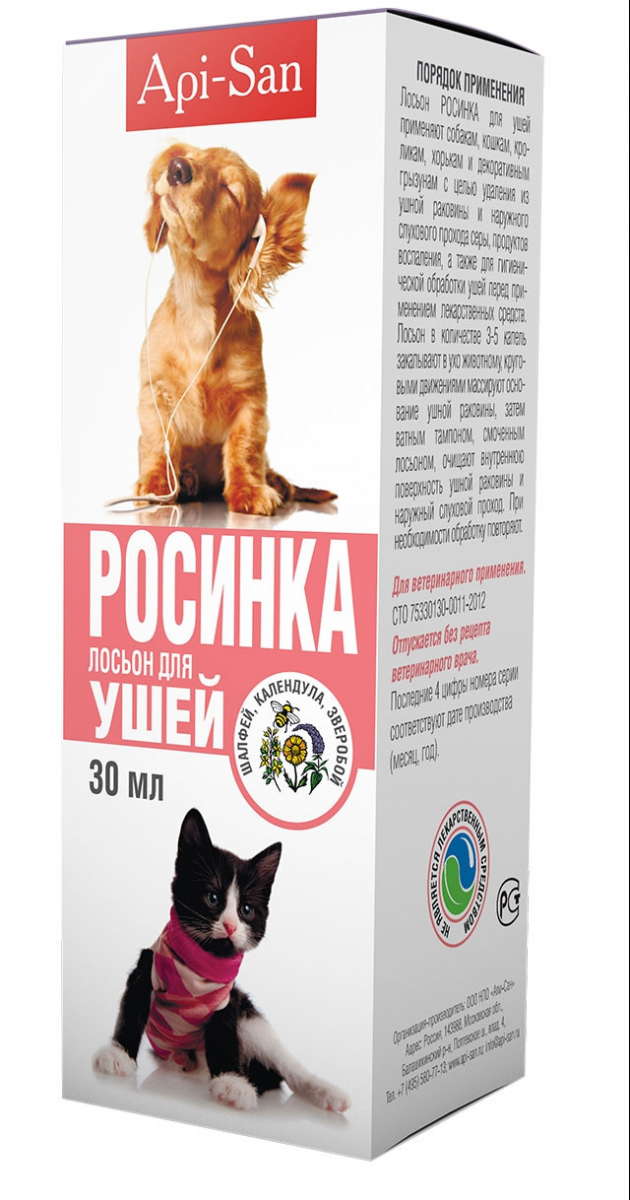
It's recommended to regularly inspect the ears and remove accumulated debris as needed. To do this, use a cotton ball soaked in a special lotion, available at your veterinarian's pharmacy.
Feeding
For the first two weeks after purchasing a puppy from a breeder, it is recommended to feed it the same food the breeder gave it. After this time, you can transition your pet to natural food or a premium-quality commercial food (Acana, Royal Canin, Brit). Mixing these foods is not recommended.
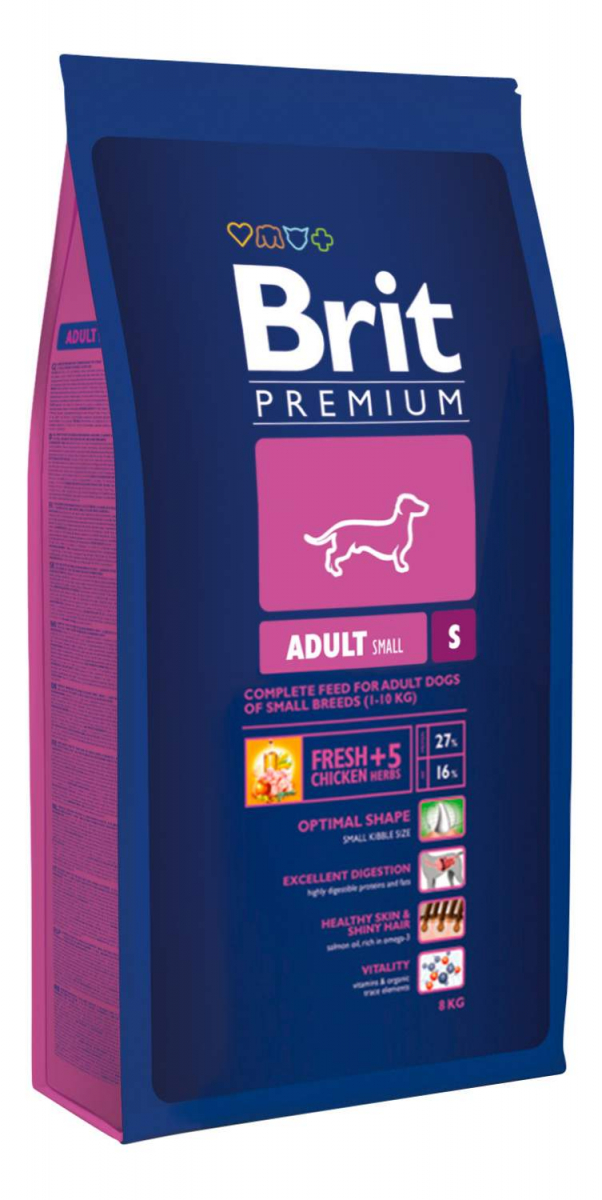
It is recommended to feed an adult dog no more than twice a day. If the owner decides to feed their Schipperke only natural food, they should first familiarize themselves with the list of prohibited and permitted foods and dishes.
Table. Permitted and prohibited foods
| Permitted | Prohibited |
| Meat (beef, poultry, rabbit) | Pork and smoked meats |
| Sea and river fish, cleaned of bones and fins | Bones (can only be used for making broth) |
| Fresh eggs | Bakery, pasta and confectionery products |
| Dairy products (kefir, cottage cheese) | Milk |
| Porridge on water | Whole oatmeal and pearl barley porridge |
| Green | Spices |
| Fresh vegetables | Pickled foods and pickles |
Sea fish should be minced, while freshwater fish should be boiled. The meat can be fed raw, but in this case, it should be frozen for 2-3 days or scalded with boiling water.
With any type of feeding, the dog should always have a bowl of filtered water freely available. If your Schipperke is on a natural diet, it's recommended to include mineral supplements in their diet. It's best to consult a veterinarian regarding the appropriate supplement and dosage.
Health
Despite their relatively good health, representatives of this breed are predisposed to the following hereditary diseases:
- Diseases affecting the hip joints (dysplasia and aseptic necrosis of the femoral head). The first disease occurs in older dogs. In this case, veterinarians recommend minimizing physical activity and supplementing the dog's diet with mineral supplements. Femoral head necrosis is difficult to treat, and surgery is most often required.
- Metabolic disorders (hypothyroidism and mucopolysaccharidosis type I11B). Hypothyroidism is a thyroid disorder treated with medication. Mucopolysaccharidosis, which occurs in 15% of Schipperkes, can lead to severe complications. Treatment in this case is determined on an individual basis.
- Ophthalmological diseases (retinal atrophy and cataracts). Atrophy can be the result of an injury or be an independent condition. It is difficult to treat. Cataracts are considered an age-related disease in dogs. Treatment in this case involves monitoring the pet's overall condition.
Average life expectancy is 13–15 years.
Breeding
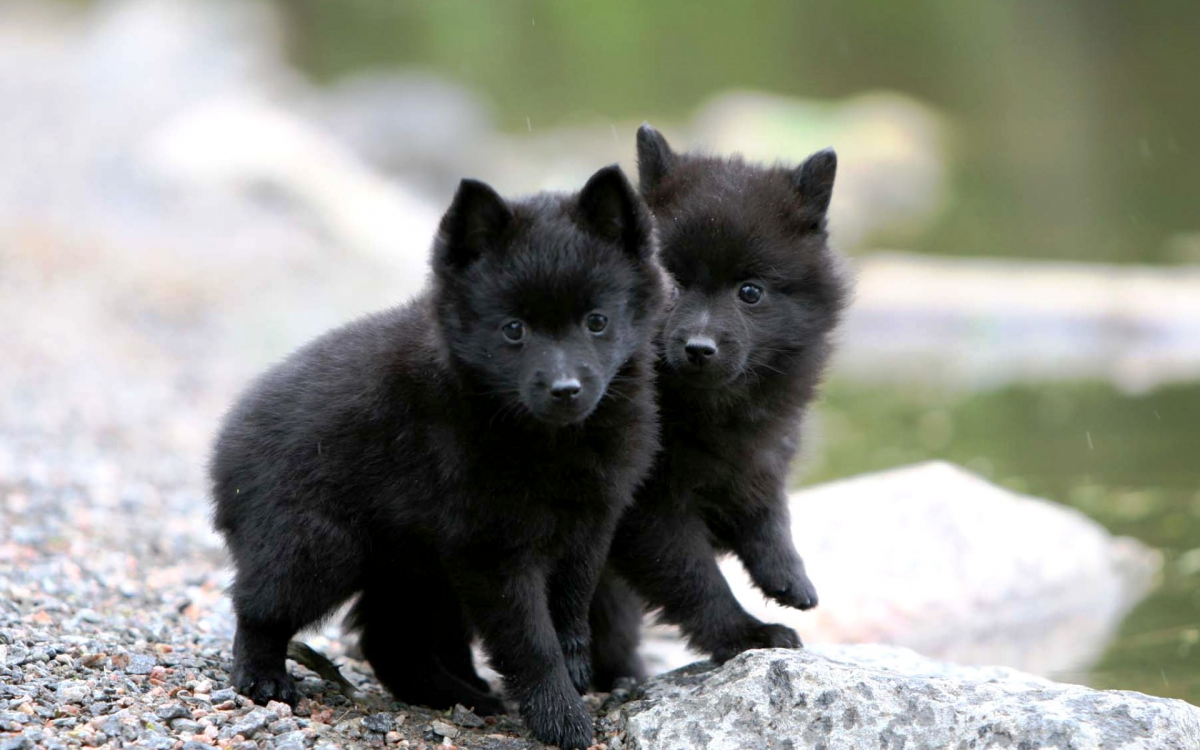
Females can only be bred once they reach 15 months of age. The male must be at least one year old. It is advisable to carry out mating on the male's territory, since the dog feels more comfortable in a familiar environment.
Schipperke puppies typically have 2-4 puppies per litter. After the puppies wean, their owner will need to provide them with proper care. Feeding frequency depends on the puppies' age:
- 1–2 months – 6 times a day;
- 2–3 months — 4–5 times a day;
- 3–6 months – 3–4 times a day.
Portions should be small, and the food should be warm and mushy. Various cereals form the basis of the babies' diet. At six weeks, lean meat, previously scalded with boiling water, should also be given to babies. Once the babies reach five months of age, fish can be added.
In addition to cereals and meat, puppies should be periodically fed vegetables, fruits, and fermented milk products. Cottage cheese is especially beneficial for young Schipperkes. It's best to make it yourself by adding 1-2 tablespoons of 10% calcium chloride to 1/2 liter of boiled milk. This dish is an excellent preventative for rickets.
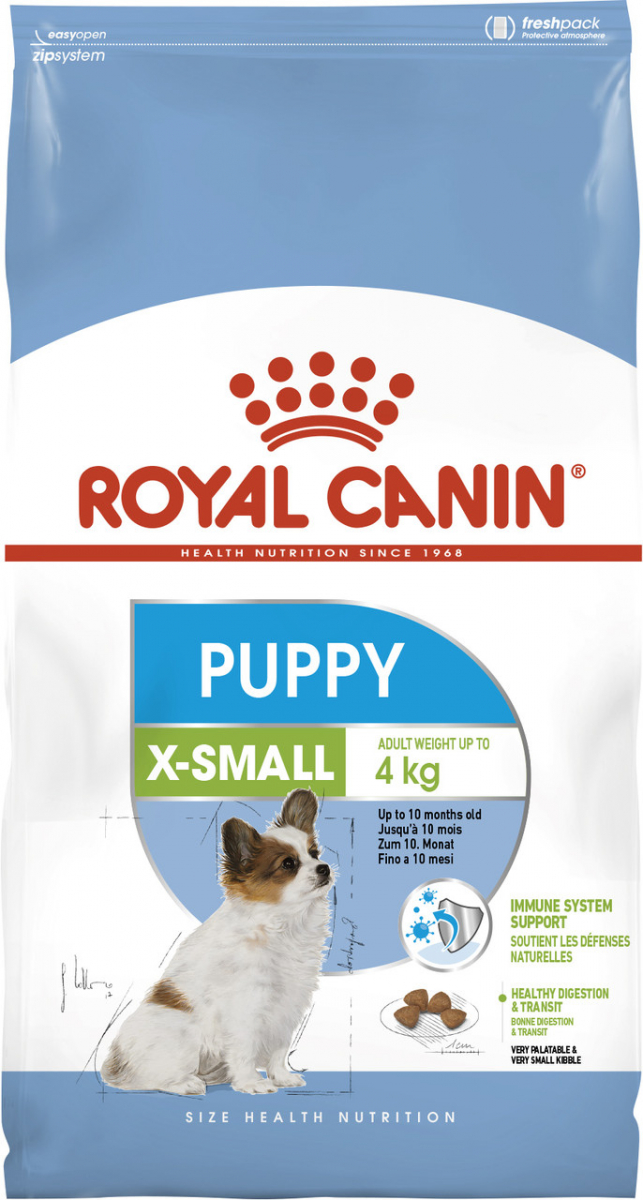
If desired, you can feed your puppies specialized dry food for puppies. However, it's important to remember that it should be at least premium.
Nickname ideas
The following names might be suitable for a male Schipperke:
- Chuck;
- Brandy;
- Bones;
- Blackie;
- Corbon.
Suitable nicknames for girls:
- Nymph;
- Rachel;
- Carly;
- Jody;
- Lovely.
Schipperkes are excellent companions for active people and loyal friends for teenagers. However, owners should be prepared for the dog's training to require special attention.