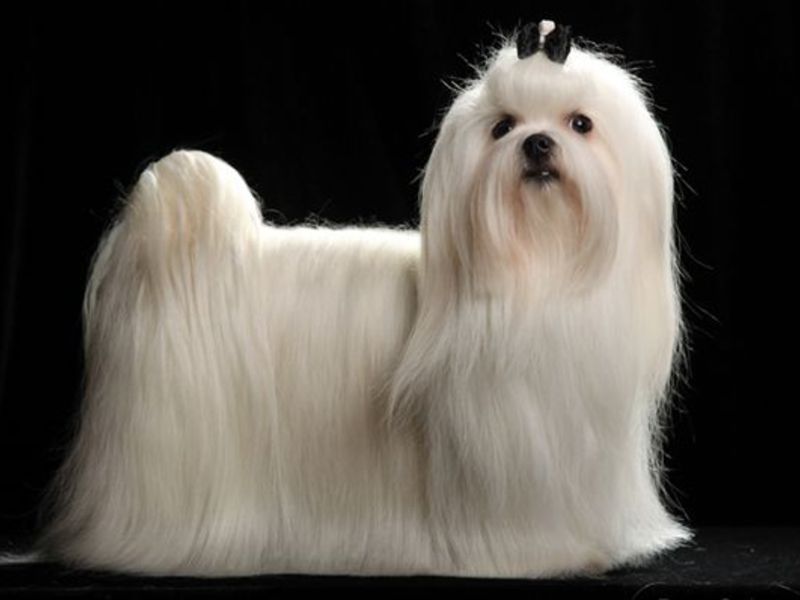
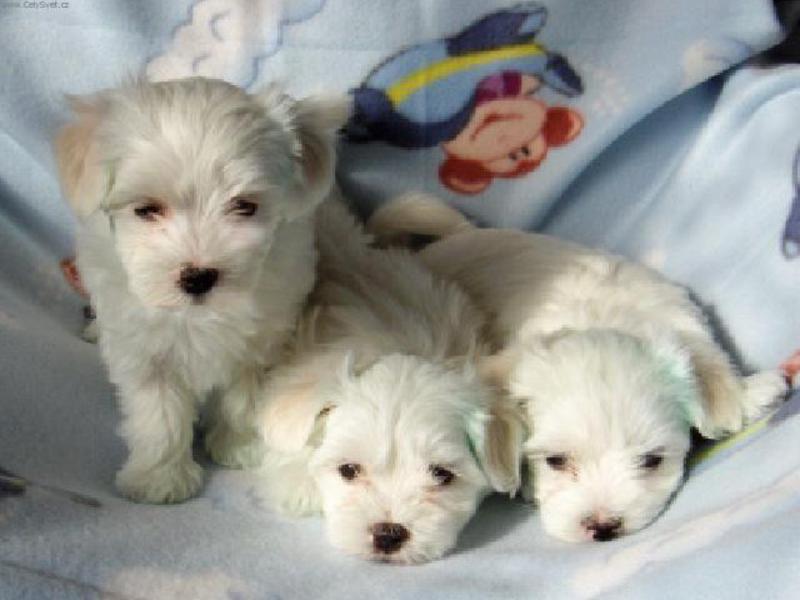
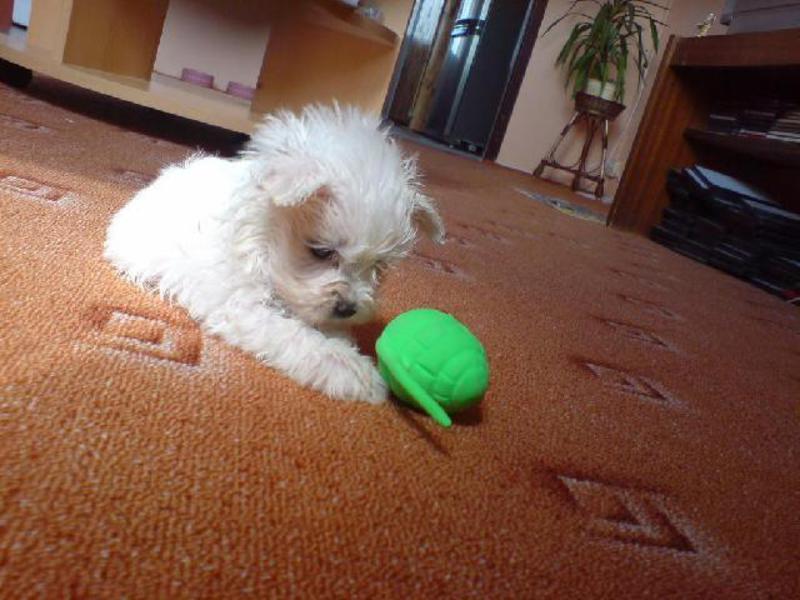
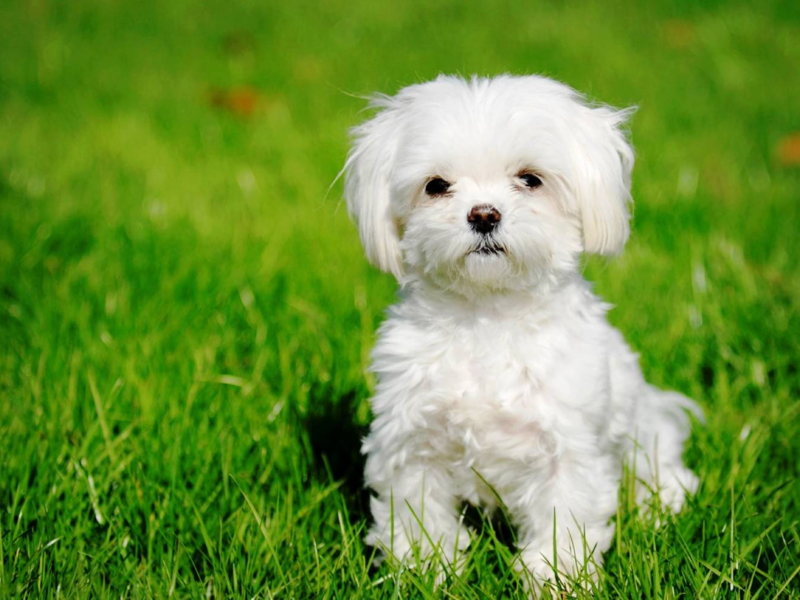
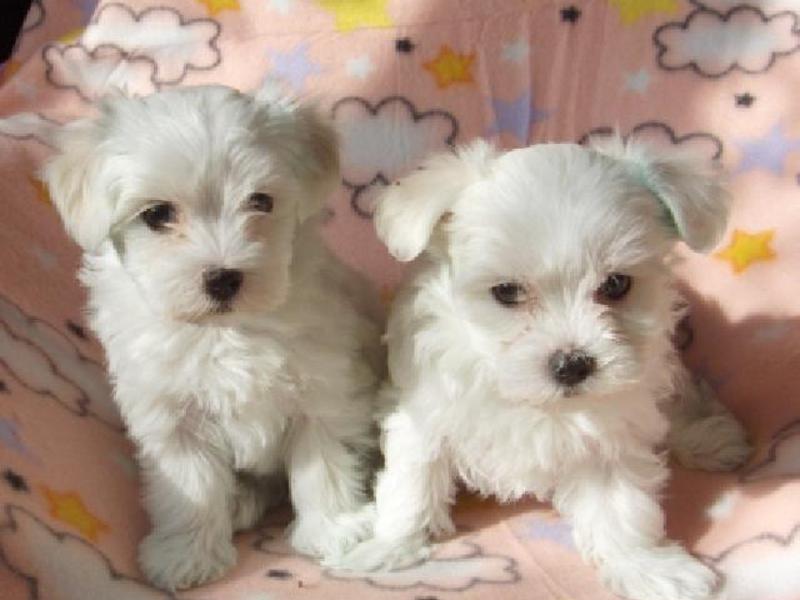
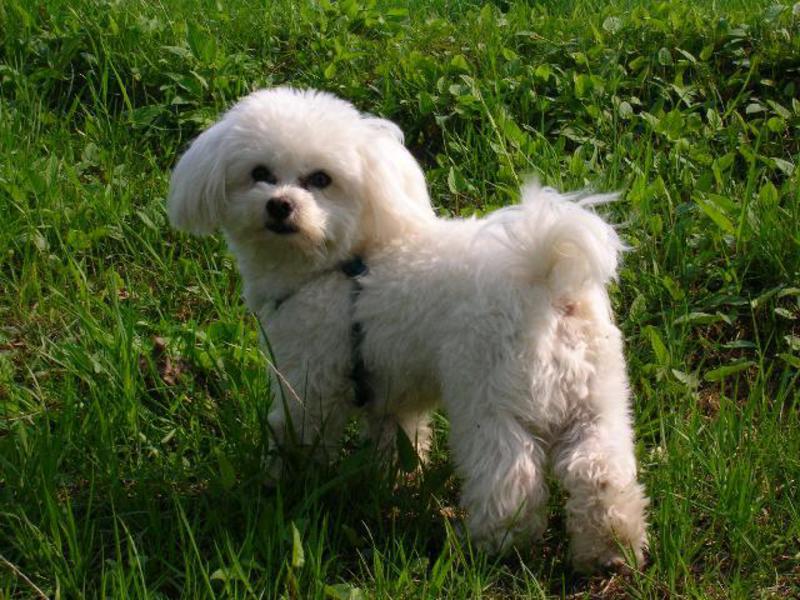
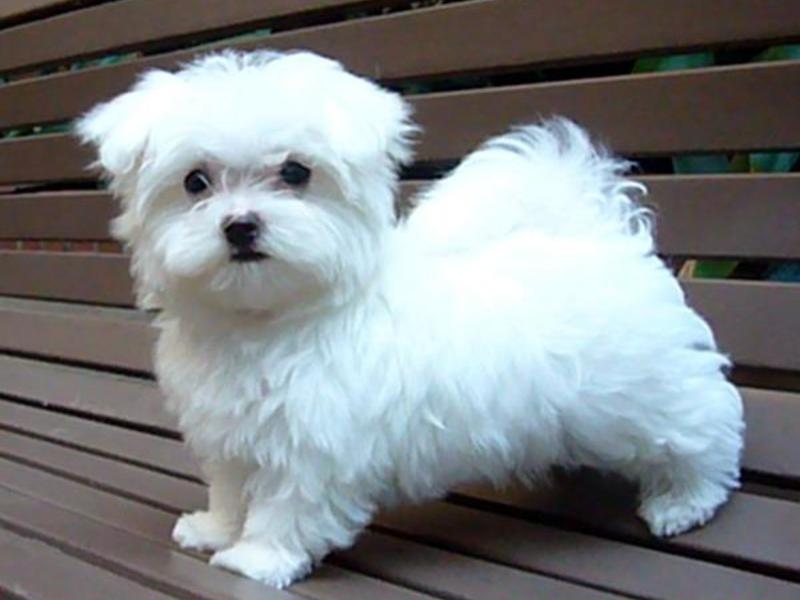
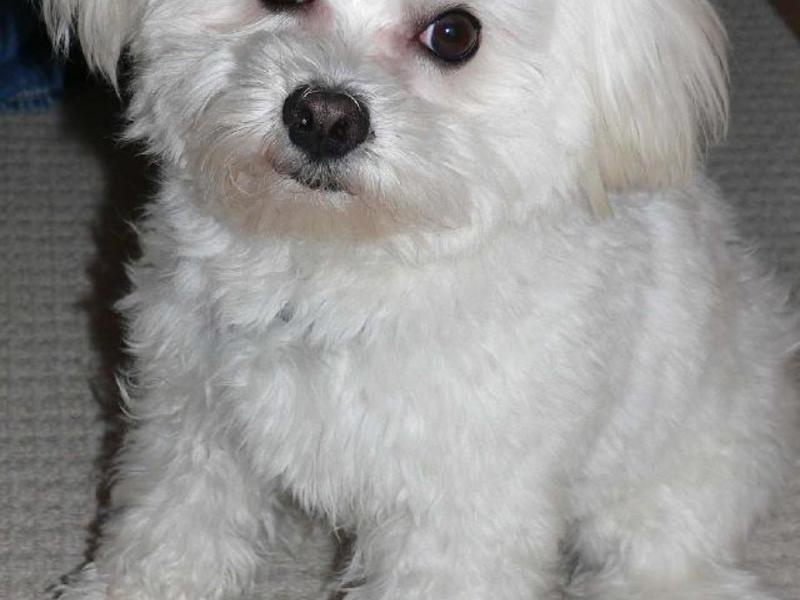
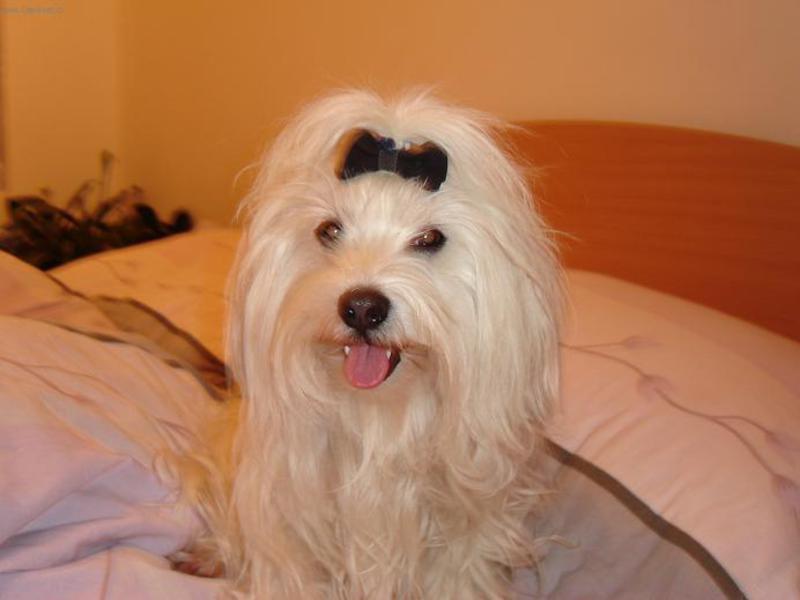
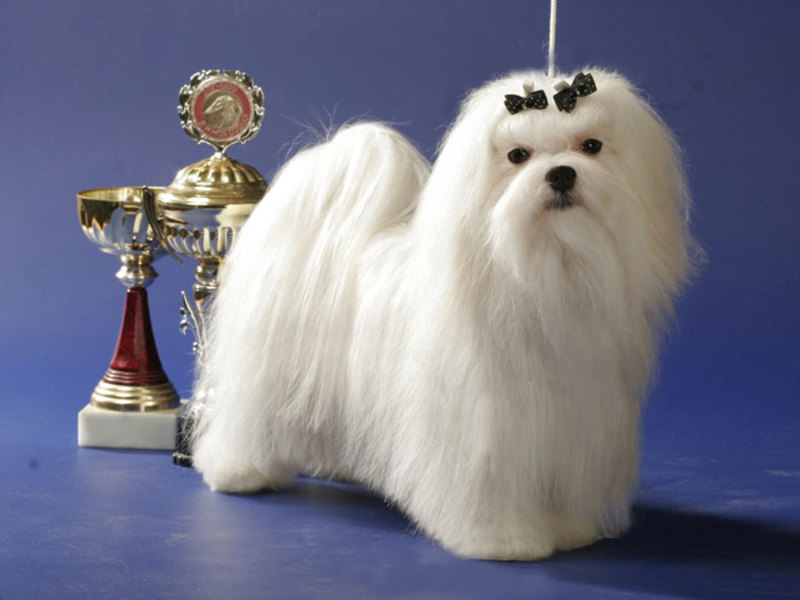
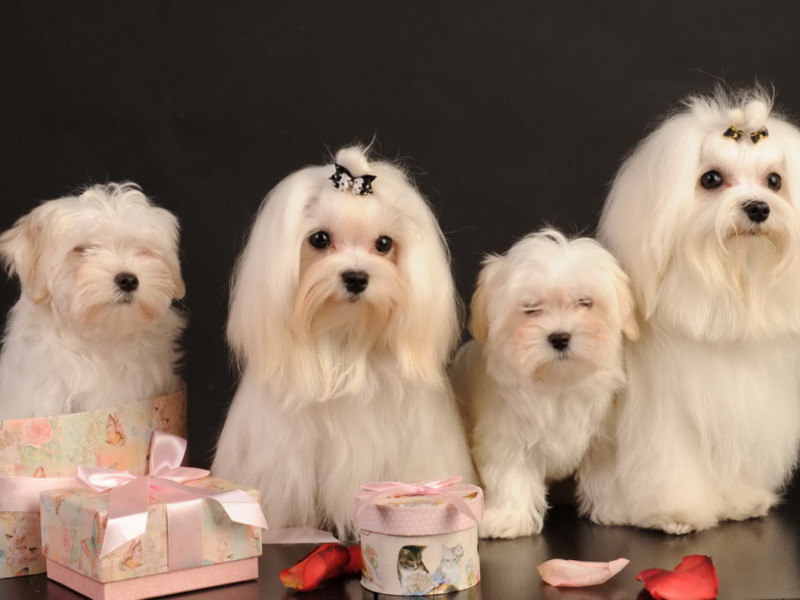
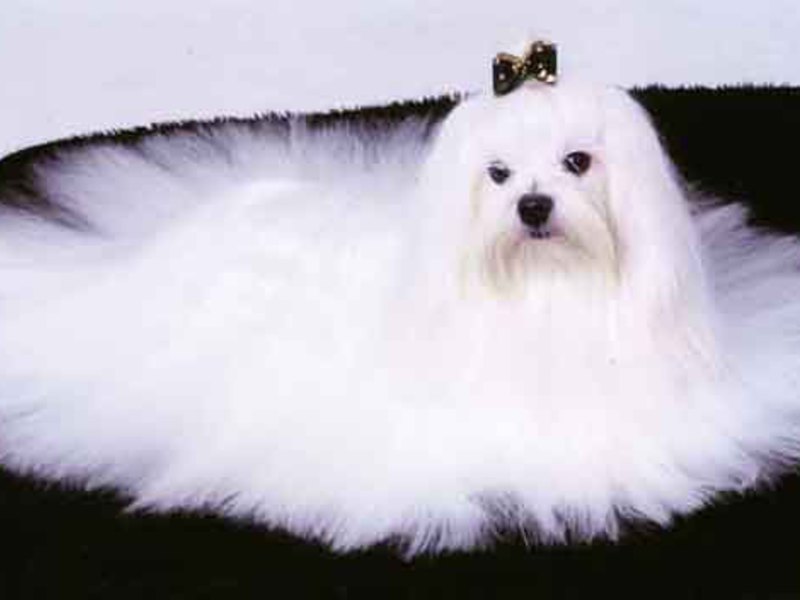
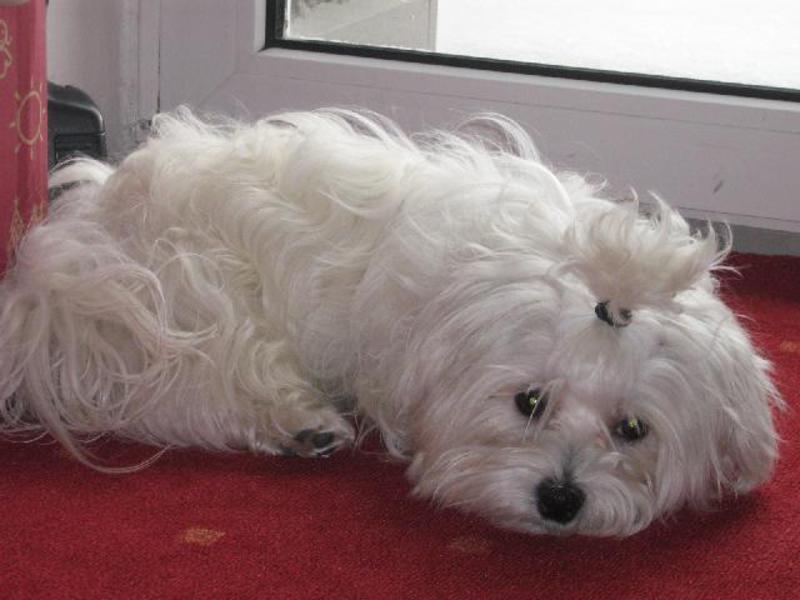
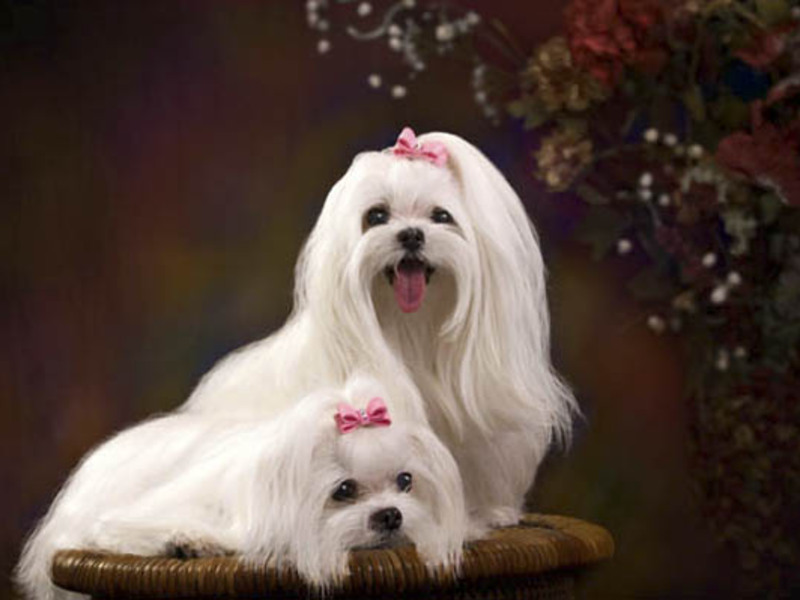
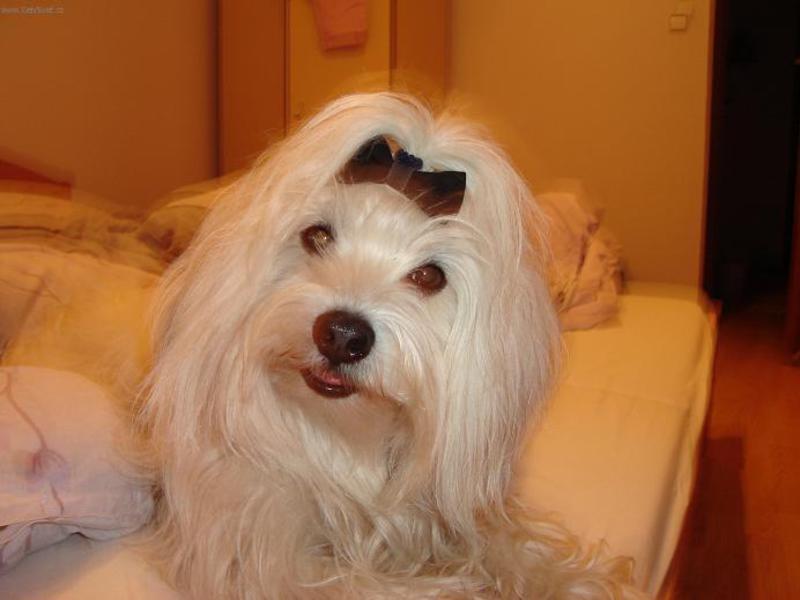
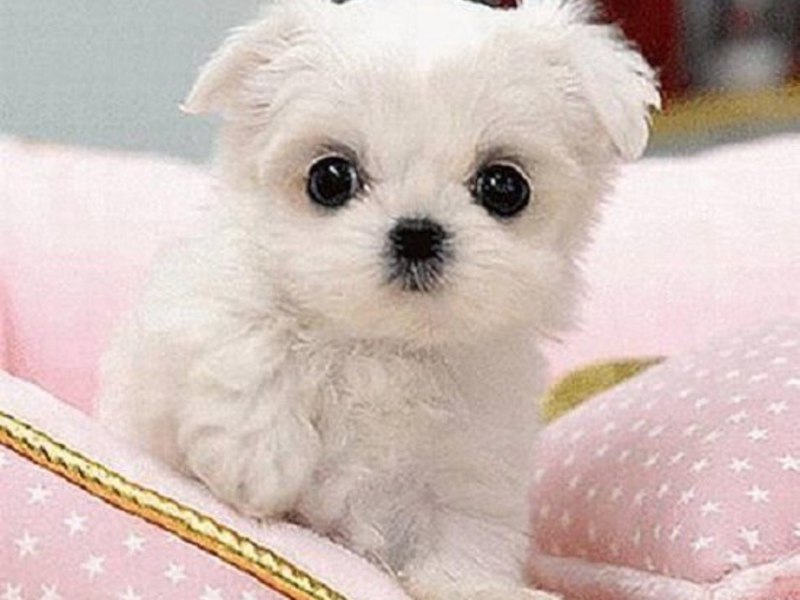
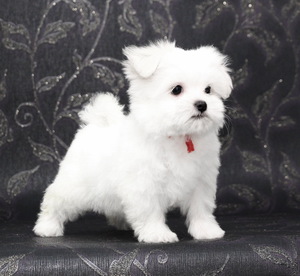
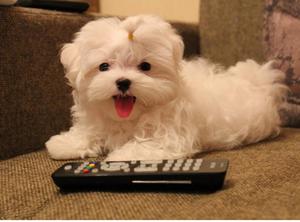
 The Maltese is one of the oldest European breeds. Its origins are believed to be the Mediterranean islands. References to this breed are frequent in classical literature, and drawings of it can even be found inside the ancient Egyptian pyramids.
Content
Maltese - photos and breed characteristics
Maltese - smart, funny creatures, with a docile nature. They are ideal for indoor living.
These dogs remain popular to this day—thanks to their natural charm and playful nature, these little dogs consistently remain at the top of their popularity. They develop a strong bond with their owners and strive to become loyal friends and companions.
Appearance
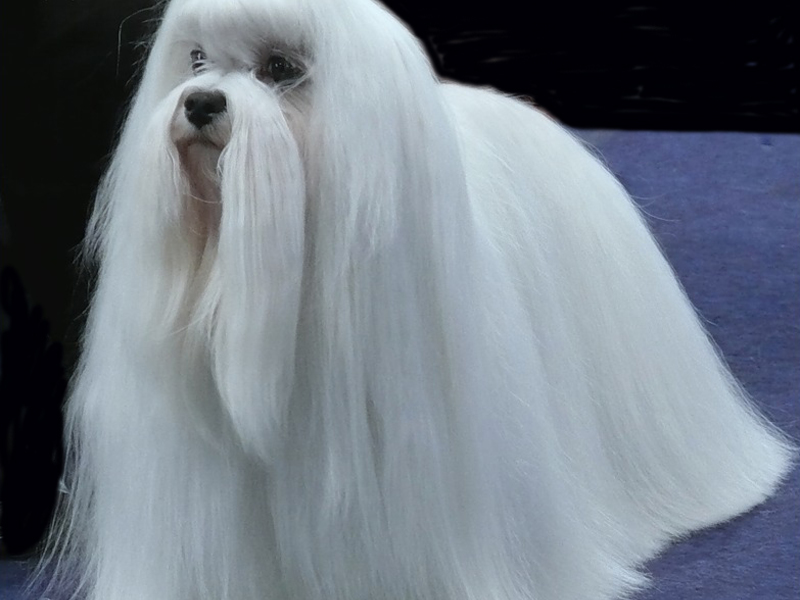
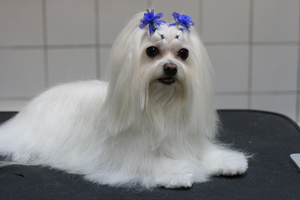
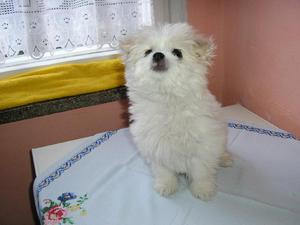
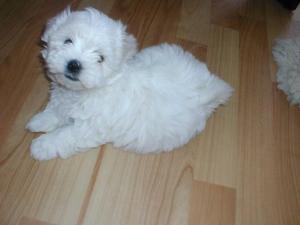 This is a dwarf dog with an elongated body and long white fur that falls to the floor and covers the limbs. Maltese have a broad, slightly flattened skull and long, high-set, flattened ears.
The eyes are large, round, black or brown.
The tail is long, curved and carried over the back.
The Maltese has virtually no undercoat, which means it does not shed and does not cause allergic reactions.
There is in the world three varieties of the breed, differing in height and weight:
- Standard. Girls are 20-23 cm tall, while boys are slightly taller: 21-25 cm. They weigh about 4 kg.
- Mini. A slightly smaller dog: height at the withers 17-20 cm, weight 1.7-2.5 kg.
- Micro. A tiny, compact dog, measuring 14–16 cm in height and weighing 1.3–1.5 kg.
Character
Maltese have an exceptionally playful and cheerful nature, but this doesn't prevent them from being loyal and fearless, always ready to come to their owner's aid and defend them. They are also energetic, highly intelligent, affectionate, and well-behaved, easily trained dogs.
Over many centuries spent in the best homes of Europe in the hands of society ladies, Maltese lap dogs have not lost their natural love of life, curiosity, and courage. Among the breed's virtues are also unpretentiousness and docility: They easily find a common language with all the inhabitants of the apartment (pets and people) and feel great both in a modest small room and in a spacious country cottage.
Maltese love children and are always happy to play with them and have fun.
Bolognese dogs don't handle loneliness very well, so try to leave them alone as little as possible.
The Maltese is very trainable, but when training this little one, you will need patience and respect for the animal, since the lapdog is a very sensitive and impressionable creature.
Maltese are distrustful of strangers And they'll never take even their favorite treat from their hands. These courageous dogs are no stranger to the behavior of their larger relatives—they also react boldly to the presence of strangers and extraneous noise, immediately sounding the alarm. But unlike their larger brethren, these little creatures love to "talk," often about nothing in particular, just for fun. Therefore, if you or your family are very sensitive to noise, a lapdog's excessive barking will irritate you.
Care and maintenance of the Maltese
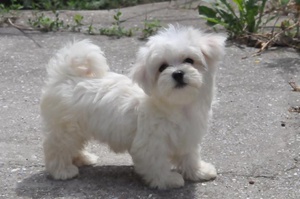 Maltese need to be groomed starting from puppyhood.
To begin, you need to find a warm, enclosed area for the puppy, free from drafts. As the puppy grows, the enclosure can be removed.
Prepare a “toilet” for your baby – you can use a regular diaper.
A puppy, like an adult dog, needs to be walked. Because the little one is very nimble and active, it should only be walked on a leash, otherwise it might run away and get lost.
Washing and combing
The Maltese's luxurious coat requires careful grooming. Bathing in running water is essential every 10 days. for dry hair - once every 7 daysFor show lap dogs, in addition to a cleansing shampoo, it's essential to purchase a professional shampoo that will give the dog's coat a bright white color. Finally, apply a conditioner to the coat and then rinse.
No need to rub; simply blot the coat with a towel, replacing it with a dry one as it gets wet. Dry the coat with a low-heat hair dryer and do not brush it until it's half-dry.
One of the main secrets to a luxurious, flowing coat is daily brushing. This procedure requires prepare the following tools:
- massage brushes of different sizes made of natural bristles;
- metal brush with antistatic coating;
- sharp scissors for trimming split ends;
- a metal comb with frequent rounded teeth;
- a comb with sparse teeth;
- Anti-tangle spray.
You should accustom your dog to being brushed from a very early age. To do this, place the puppy on its back and begin to gently brush it. comb the wool (pre-sprayed with antistatic) on the paws, stomach, chest, special attention should be paid to areas where tangles most often appear - behind the ears, in the groin, under the arms.
However, only show dogs and dogs intended for breeding require such meticulous care. If you've acquired a Bolognese as a pet, you don't necessarily need to maintain its long coat—your pet will thrive with a trim.
Walking
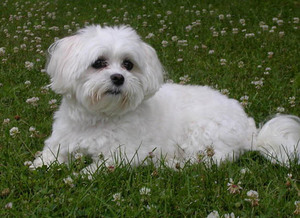 Each owner determines the walking schedule independently: some immediately accustom the baby to a diaper in order to protect the show coat from street dirt, others, on the contrary, pay special attention to walking the dog and take it out for a walk every day 1-2 times, while others limit themselves to walks only in good weather.
However, whatever regimen you choose, remember (!) that lap dogs are prone to obesity and, if they lack exercise, quickly gain excess weight.
The little ones themselves adapt quite easily to any rhythm, schedule, and duration of walks: even in 30-40 minutes they have time to run and play in the company of their tailed relatives.
Generally, a half-hour walk twice a day is enough for clipped lapdogs. In good weather, or on clean snow, you can also take a long-haired animal for a walk, after curling it with curling irons. In this case, the pet will need some "clothing": a jumpsuit in winter, a robe in summer.
Nutrition
Diet for a Bolognese determined by the owner himselfHowever, it's best to consult a specialist first. If you decide to feed your pet prepared food (wet or dry), you don't need to worry about a balanced diet—it contains all the nutrients your pet needs, as well as vitamins and minerals.
However, improperly selected food can cause allergies and brown spots on a dog's snow-white coat. Therefore, before purchasing food, carefully examine its ingredients. Wheat, a component of some foods, is the most common cause of allergic reactions in dogs.
The number of meals, as well as its volume, are determined by the dog’s age:
- puppies 2-6 months - 4 times, 5-10% of total body weight;
- 6-10 months - 3 times a day, the same norm;
- Adult dog - 2 times a day, 150 g of food with a protein content of at least 50%.
In the diet of Maltese lapdogs should include the following products:
 Eggs (yolks);
- fish;
- boiled turkey or chicken;
- rabbit meat;
- boiled and raw beef;
- fermented milk products (fermented baked milk, bio-yogurt, homemade cottage cheese, low-fat kefir);
- Cereals (rice, buckwheat) are allowed in small quantities.
 Eggs (yolks);
The little one also needs vitamins. Fruits, greens, and red bell peppers can be added to the food. The Maltese's diet should be completely exclude all smoked, salted, and fried foods, as well as “human” sweets and delicacies.
Maltese are charming creatures, resembling an ethereal white cloud. These small toy dogs are created solely for affection, love, warmth, care, and comfort. Before purchasing a Maltese puppy, decide what purpose it will serve (show or just as a pet) and care for this sweet creature accordingly.