Dogs are man's best friend and the friendliest of pets. But they are also living creatures with their own instincts and personalities. Many of us don't think about whether our touches are always pleasing to our dogs.
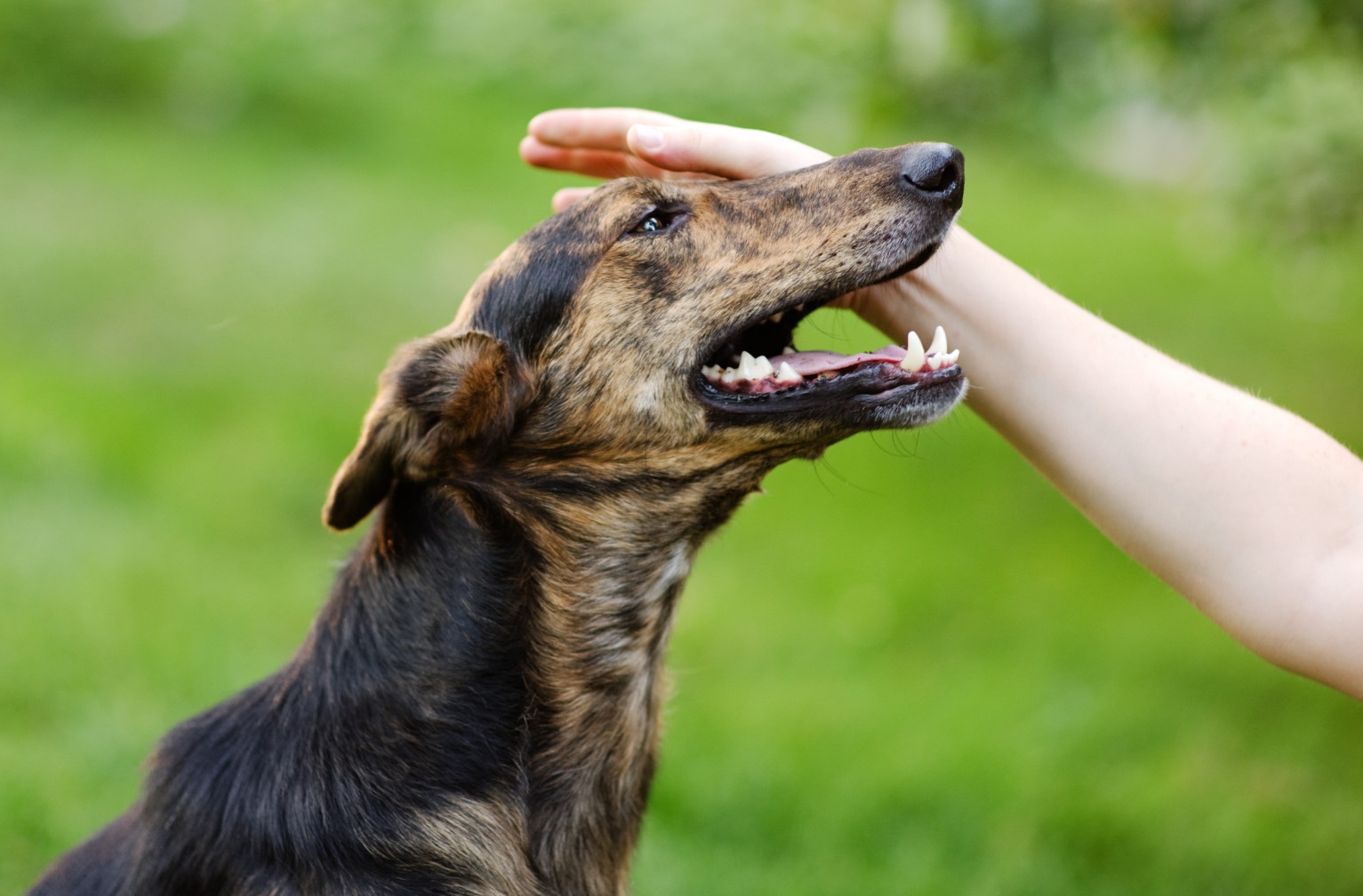
A threatening gesture
An owner can pet their pet's head as much as they want, not realizing that the dog tolerates these caresses only because it is attached to them and recognizes them as the dominant one. The dog doesn't see this gesture as threatening. If a stranger tries to pet the animal's head, it may become aggressive.
Most dogs dislike this gesture, considering it rude and threatening. This fact has been proven by British scientists. Therefore, they recommend using a less threatening approach. For example, a gentle scratch on the chin or ear is most preferable for our four-legged friends.
Who will the dog allow to pet its head?
Dogs undoubtedly enjoy being petted and stroked. The pleasure a pet gets from petting and stroking depends on:
- from the situation;
- environment;
- sensitivity of the part of the body that is subjected to these caresses.
Dogs almost always welcome their owner's touch. But even so, a dog can perceive it negatively. This happens when other, hostile animals are nearby, or when the pet becomes overly excited during play or mealtime. A stranger can cause tension and anxiety in a dog, which often contributes to aggression.
Our four-legged friends always welcome our touch in a calm and relaxed environment, so it's important to see a dog not as a toy that can be cuddled at any time, but as a living being.
How to behave with an unfamiliar dog to avoid trouble
We rarely think about how to behave around unfamiliar dogs on the street or on public transportation. Often, humans unknowingly provoke an animal's aggression. It can be triggered by a sudden movement, a slight gesture, or even a glance. To prevent this from happening, there are a few simple guidelines for encountering an unfamiliar dog.
- Avoid looking the dog in the eye. This is a challenge to the animal, inviting it to a test of strength. The animal sees a threat in front of it, so it may respond to your gaze with aggression.
- Don't call an unfamiliar dog to you unnecessarily, and especially don't give it a treat from your hand. If the dog is with its owner and you have a treat, be sure to ask their permission to feed it;
- the treat should always be offered on an open palm, otherwise the dog may accidentally bite you;
- If your dog is acting aggressively, don't get nervous or try to run away. Remain calm and confident, ignoring the behavior. Gradually move to a public area. There, the animal won't feel superior and won't attack.
- If attacked, try to throw a bag or jacket over the animal's face and run to a safe place. If you have something edible, try to distract the dog and throw the treat away from you;
- If a dog passes by and stops to sniff you, don't be alarmed or make any sudden movements. Once the dog has finished "getting acquainted," it will run off to do its business.
- When you meet someone with a dog, you should also ask permission to pet them. However, avoid petting the animal or stroking its head, as this can have negative consequences.
When interacting with dogs, as with other pets, it's important to remember that they too have their own preferences, habits, and temperaments. Treat your pets with understanding, and they will reciprocate with love and devotion.
 Oleg-sg
  Alexey Petrichkovich
  Olga
Olga  Victoria Heinze
10 comments