The Belgian Malinois is the most sought-after subspecies among the four Belgian herding dog varieties. This is a very serious breed, one of the best working dogs. It possesses high intelligence and excellent guard and search qualities, making it suitable for use in police, military, and emergency services, as well as as a guard or guide dog.
Content
Origin of the breed
The Malinois gets its name from the Belgian town of Malines. This dog breed is one of the famous four Belgian Shepherds. Its ancestors were shepherd dogs used by farmers to keep order and guard their flocks as early as the 12th century. The first description of animals similar to modern purebreds appeared only in the mid-17th century.
In the 19th century, breeders set out to develop a short-haired shepherd dog with good working qualities. One of them was professor and veterinarian Adolf Rilleul, who undertook the painstaking work of improving the natural abilities of shepherd dogs through forty different breeds. Later, the National Belgian Shepherd Club was formed. And by the 1990s, the breed was officially recognized.
Other breeders also took up the breeding process, establishing a separate club to develop other varieties. Thus, four subspecies of the Belgian Shepherd were developed, differing in color and coat type:
| A variety of Belgian Shepherd | Brief description | Photo |
| Tervuren | It has long, wiry fur. Its color is bright red, with a hint of charcoal on the body and a dark mask on the face. | 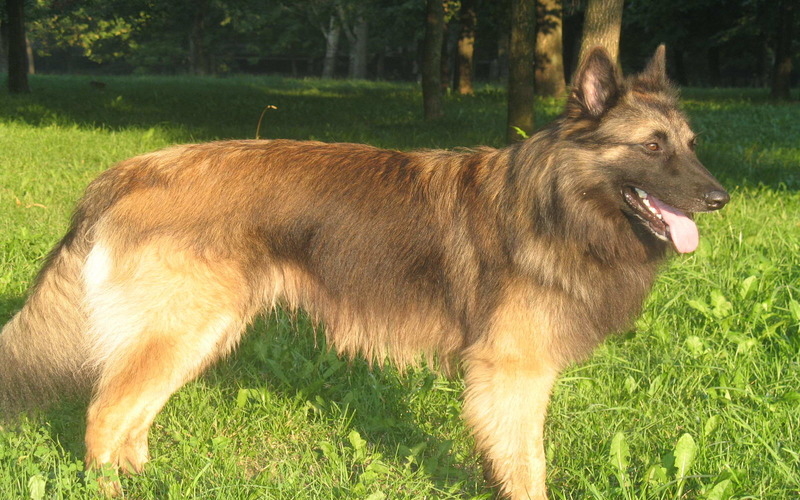 |
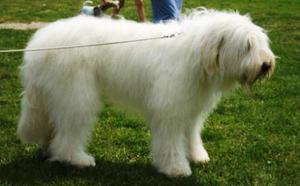
| Laekenois | It has long, reddish-brown fur, interspersed with irregular black patches throughout its body. A black mask and dark pigmentation on the nose, lips, and eyelids are mandatory. Dark patches are also present on the tail and paws. | 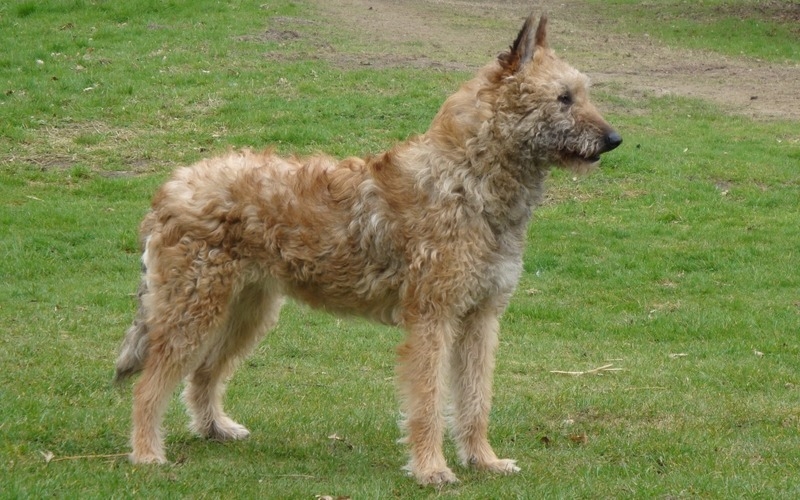 |
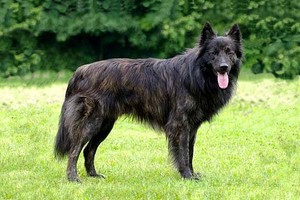
| Groenendael | Characterized by soft black fur with a bluish tint. The neck has an elongated coat that resembles a ruff. A mask, eyelid, lip, and nose markings, and dark-colored nails are required. White markings are not permitted. | 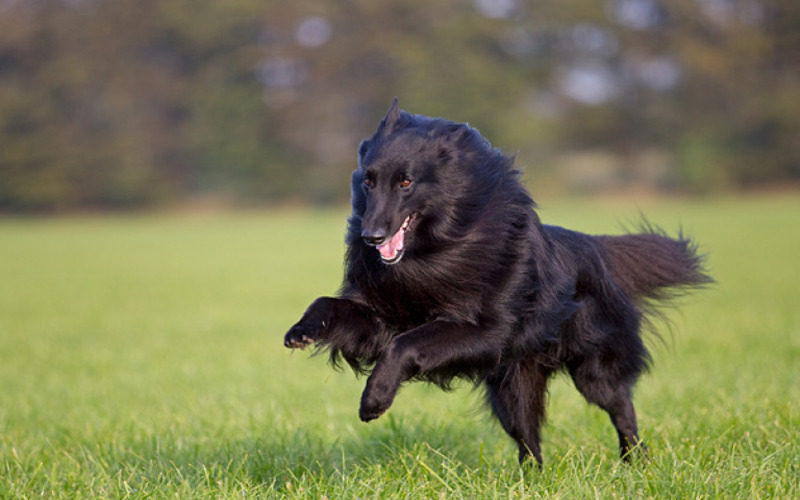 |
| Malinois | It has short, medium-hard fur with a fawn color, a black mask and a veil. | 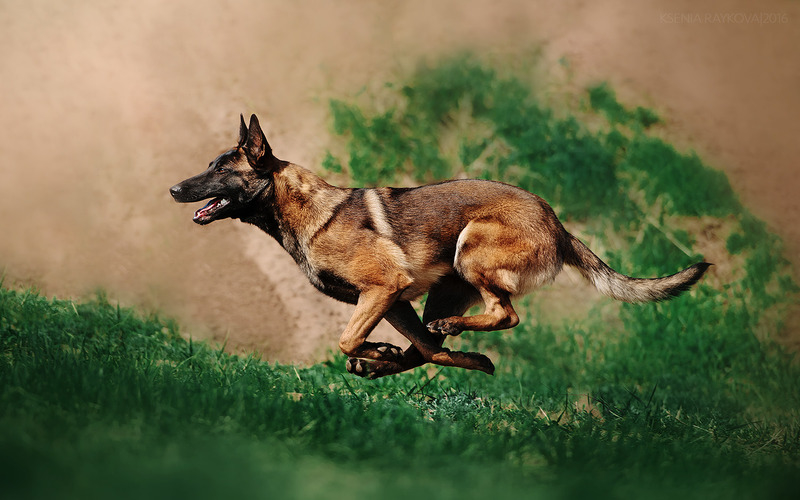 |
Malinois are particularly prized among herding dogs. They are distinguished by their exceptional endurance, developed guarding skills, and high intelligence.
Interesting facts
Here are some interesting facts about the Malinois:
- In the Russian Federation, these animals are used for service in the Ministry of Emergency Situations due to their excellent search qualities, which are best demonstrated during searches for missing persons after natural disasters and the rescue of victims from under rubble;
- These dogs are also used by special services of foreign countries; they help detect and neutralize terrorists;
- Representatives of the breed guard the grounds of the White House, the Pentagon and other important US government buildings;
- Malinois are actively used by the bodyguards of the American president, helping to check premises for the presence of dangerous explosives or chemical substances;
- Belgians took part in the filming of the movie "Tehran 43";
- Malinois helped Russian troops during military operations in the North Caucasus;
- The dogs' strong limbs allow them to jump up to 5 meters wide and up to 3 meters high.
Breed standard
In 1891, a show was held in Belgium, where breeders presented over a hundred Belgian Shepherds. However, only a third of the dogs on display were approved for further breeding by the judges. The following year, the first detailed description of the breed standard appeared, but it never received official recognition.
The original contained numerous errors in the description of the dogs' exteriors. It was revised over several years and was completely edited and approved by 1910. The only remaining controversial points are the descriptions of the colors of the various subspecies.
Structural features
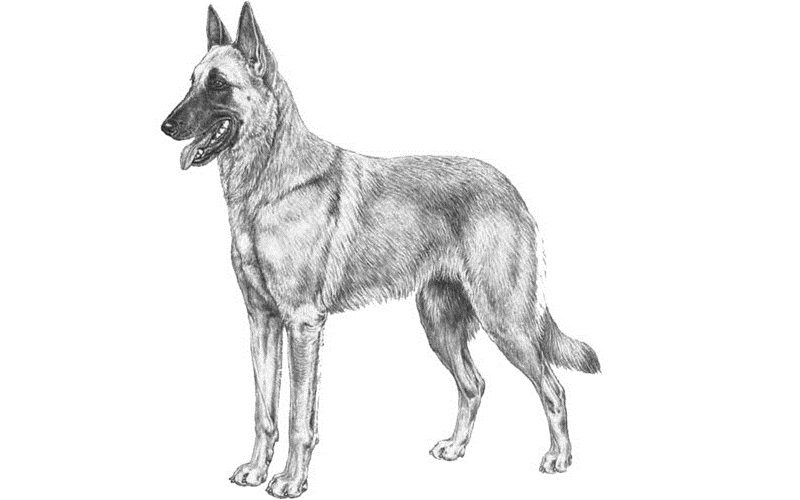
The Malinois isn't the largest of the Belgian Shepherds. Males stand approximately 60 cm at the withers and weigh up to 30 kg. Females are slightly smaller, standing approximately 56 cm and weighing 24–25 kg.
When developing the breed, the main emphasis was placed not on the dog's appearance, but on its working ability.The animal is medium-sized, muscular and flexible, graceful, lean, and possesses a high level of endurance. All these qualities make the Malinois a worthy protector, ready to rush into battle in case of danger.
The Belgian Malinois breed standard contains the following description of physical characteristics:
| Parameter | Peculiarities | Faults or disqualifying faults |
| Head |
|
|
| Muzzle |
|
|
| Lips |
|
|
| Cheeks |
| |
| Nose lobe |
|
|
| Eyes |
almond-shaped;
|
|
| Teeth |
|
|
| Ears |
|
|
| Neck |
|
|
| Frame |
Females have a more elongated body than males, which is due to their reproductive function. |
|
| Tail |
|
|
| Limbs |
|
|
Features of the coat and color
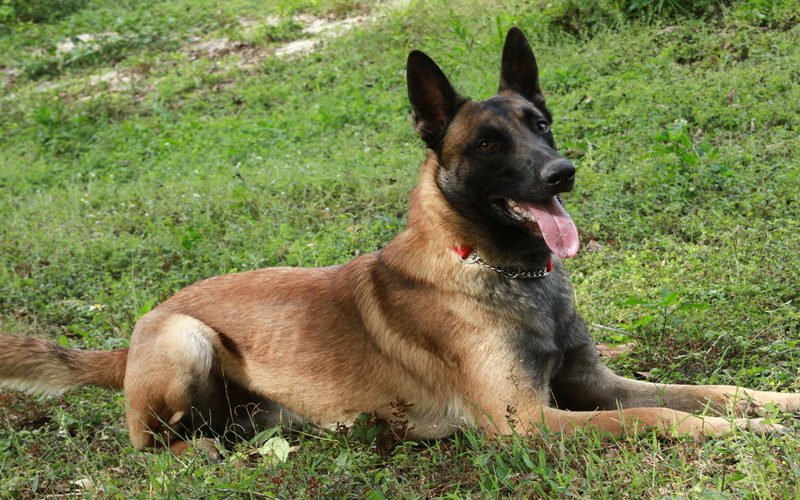
The Malinois's coat is short. The hair is shortest on the head, outer ears, and lower legs, while the hair on the thighs and tail is longer and more luxuriant. The neck is fairly dense, growing perpendicularly. The undercoat is abundant and well-developed, providing good protection even in severe frost.
The dog's primary color is fawn (red). A clearly defined mask on the muzzle is required, extending from the brow ridges, forehead, and outer corners of the upper eyelid to the corners of the mouth. The pigmentation of the lips, eyelids, and ears is jet black. Malinois should have a black overlay, with each individual hair having a dark tip. This overlay is "sprayed" over the entire body (especially on the sides and shoulder blades), shading the primary color but not creating a spotted or striped pattern. Small white markings on the chest and toes are permitted.
Deviations from the standard are considered to be:
- non-standard colors;
- too dark or diluted shade of coat;
- large white spots extending onto the neck or above the pasterns and metatarsus;
- complete or partial absence of a mask;
- pattern overlay.
Character
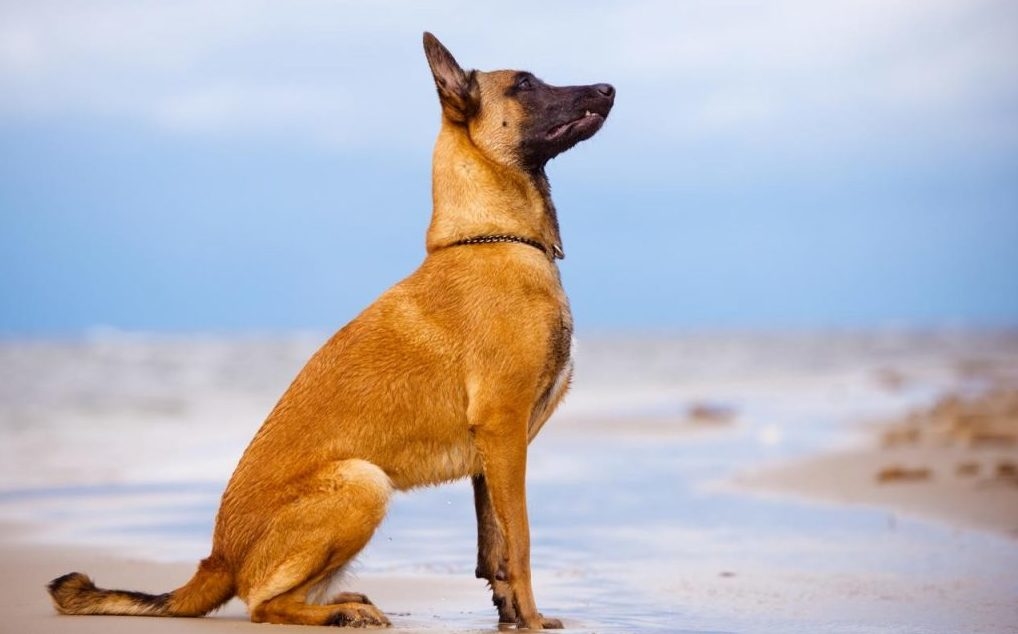
All the advantages and disadvantages of the breed are contained in the character traits:
| Positive traits | Flaws | How to correct behavior |
| High level of intelligence, independence | Independence, desire to dominate | Training a puppy is essential from a very early age. If you don't train your dog, instead of a good guard dog and loyal companion, you could end up with an uncontrollable and even dangerous animal. It's best to entrust the training of such a serious breed to professional dog handlers. |
| Devotion | Obsession | They need to be given as much time as possible, otherwise the dog will become very intrusive. |
| Playfulness | Mischief | Increased physical activity and a large number of toys are important for your pet. |
| Good security qualities | Excessive suspicion | It is necessary to accustom your pet to the company of strangers and other animals from early childhood. |
| Lack of aggression towards family members | Intolerance of inappropriate behavior from young children | Belgian Shepherds are very friendly with all family members and get along well with children. However, this dog is not a toy and will not tolerate disrespect, so it's best not to leave the animal alone with a child. |
Working qualities
Malinois are courageous and hardy dogs that can be:
- shepherds;
- hunters;
- guards and defenders;
- bloodhounds;
- assistants and guides.
Belgians have a stable psyche, professional intuition, a high level of intelligence, obedience and diligence even in emergency situations.
Thanks to all these characteristics, Malinois successfully serve in the police and military, where they are used to detect prohibited chemicals and drugs, assist in the search for missing persons, and are used to work in areas of destruction and collapses after domestic accidents, disasters, natural disasters, etc. Also, their natural qualities, combined with their phenomenal ability to be trained and educated, allow these animals to be used in sporting competitions and various contests.
Life expectancy and susceptibility to disease
Belgian Malinois shepherds have strong immunity and good health. They live for about 12–15 years. However, this breed is susceptible to certain health conditions, including hereditary ones:
| Disease | Treatment |
| Atrophic changes in the retina, cataracts, eye diseases leading to blindness | Early diagnosis and most often surgical intervention are required. |
| Hip and elbow dysplasia | Corrected by surgery |
| Gastric torsion | Surgery is required |
| Hormonal imbalances, thyroid disease (hypothyroidism) | Administration of doses of synthetic thyroid hormone - thyroxine |
| Epilepsy and other nervous disorders | Use of therapeutic anticonvulsant drugs |
| Allergy | Strengthening the immune system, eliminating harmful foods from the diet, taking anti-allergy medications |
| Injuries | Adherence to rest regimen, use of anti-inflammatory ointments, application of bandages, etc. |
| Obesity and the development of cardiovascular pathologies | Increasing physical activity, following a diet |
What future owners need to know about the breed
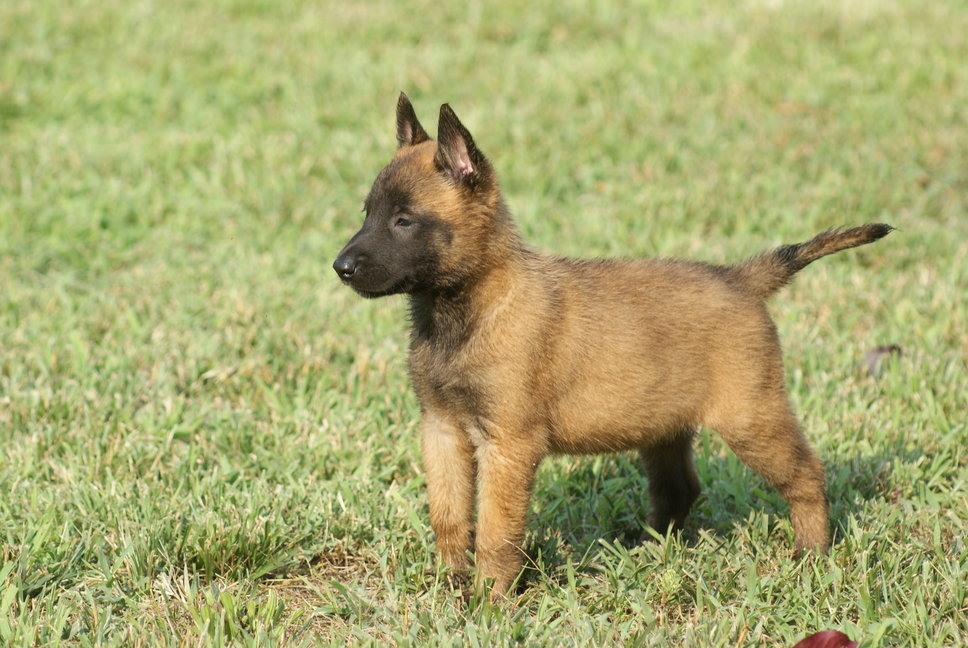
Before getting a Malinois puppy, the future owner should consider the following nuances:
- the dog needs a lot of physical exercise;
- The Belgian Shepherd does not feel comfortable in a cramped apartment; it is preferable to keep it in a country house;
- The Malinois has an independent nature and therefore needs a leader owner who is willing to devote enough time to raising and training the pet.
Getting a puppy of this breed is only possible if all three conditions are met. It's important to know the general recommendations of experts on choosing a pet, its nutrition, care and maintenance, training, and breeding.
How to choose a puppy
The Belgian Malinois is a serious breed. It's not recommended for inexperienced owners as a first dog or for those who don't have the time to train. A pet should only be purchased from a reputable breeder, where the dogs are carefully selected, temperament tested, and socialized.
The puppy must meet the requirements:
- have no significant defects or deviations from the breed standard;
- have good health and character;
- have purebred parents with excellent working qualities, since these, as a rule, also appear in their offspring;
- have all the necessary documents, including a pedigree and a veterinary passport indicating the vaccinations received.
The puppy's gender is also important. Males are stronger and more confident, but also wilful. Females are more docile, kinder, and more obedient, but not overly active. It's best not to adopt a puppy until it's two to three months old. At this age, the puppy is ready for independent life and has mastered all the necessary skills it learned from its mother.
Purebred puppies from a kennel cost at least 40,000 rubles. Show-quality specimens can cost over 50,000 rubles. Mixed-breed puppies are less expensive, ranging from 10,000 to 15,000 rubles. However, it's impossible to predict the specific appearance and working qualities a mixed-breed will inherit from its relatives.
The nuances of training and education
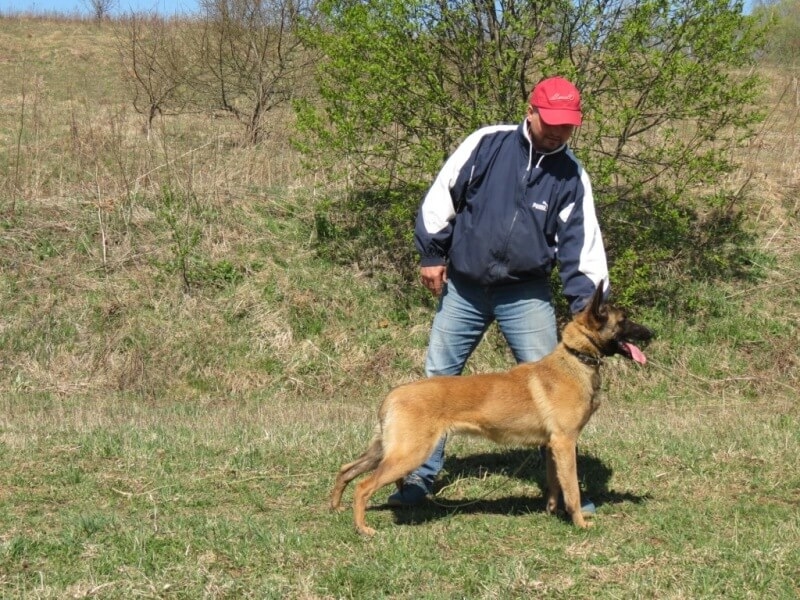
When training a Malinois, it is necessary to take into account the following recommendations from dog trainers:
- Belgian Shepherds are very sensitive to their owner's mood, picking up on even the slightest intonations in their voice. Explaining anything should be done in a calm and even tone, without yelling or resorting to physical punishment.
- Representatives of this breed were originally bred as herding dogs, capable of maintaining order among the flock and protecting it. They tend to be overly independent, so they will obey only a dominant owner.
- When training this animal, patience is essential. Despite their high intelligence and stable nature, Belgians require constant training with their owner or a dog trainer to ensure they obey and follow commands precisely.
Malinois are dogs for whom an emotional bond with their owner is extremely important. A dog will be loyal and become a true friend and protector only if its owner respects and loves it, devoting plenty of time and attention to it.
Care and maintenance
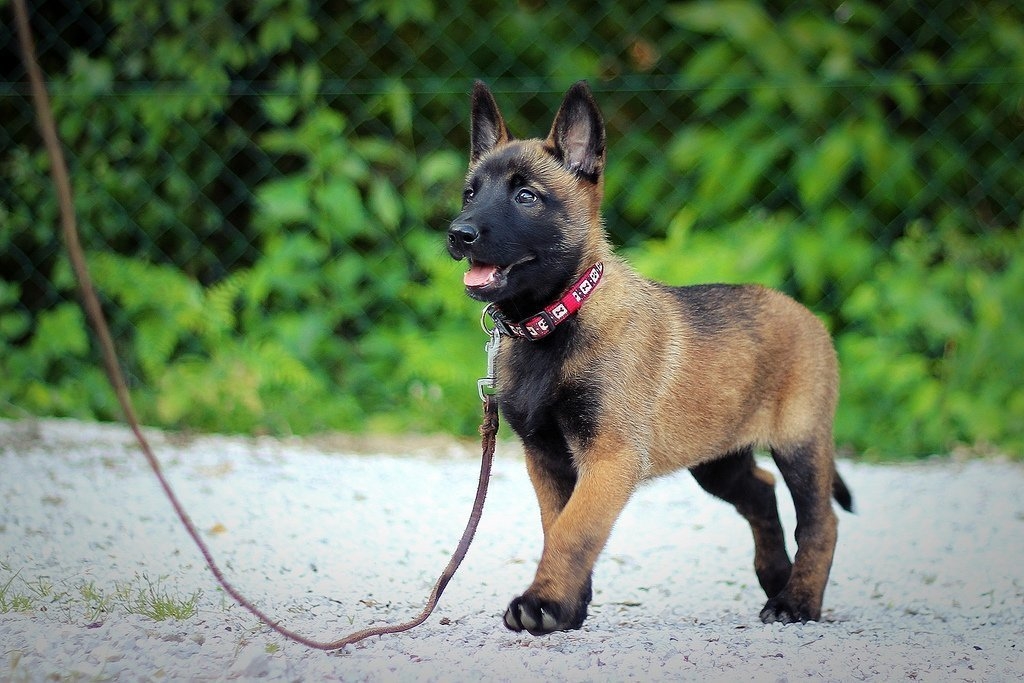
Belgian Malinois are low-maintenance dogs. Grooming includes the following standard procedures:
| Procedure | Brief description | Frequency of events |
| Grooming | For brushing, choose a stiff comb, a brush with dense bristles, or a rubber massage glove. Malinois shed twice a year during the off-season. During this period, it's especially important to remove loose hair and dead skin cells from the dog's coat. Failure to do so can lead to skin irritation and eczema. | 3-4 times a month, during the shedding period - every two days |
| Bathing | Dogs don't need frequent bathing. Bathing them too often is not recommended due to the risk of developing dermatological problems. Only specialized grooming products should be used for this procedure. | Once every six months |
| Ear cleaning | The structure of an animal's ears doesn't allow for excessive accumulation of dirt and wax. However, ears should be examined periodically as a preventative measure to detect dirt and the development of infectious and pathological processes. Cleaning should be performed using cotton swabs or cotton pads soaked in ear drops or Vaseline oil. | 2-3 times a month |
| Eye cleansing | The Malinois' eyes should be regularly cleared of accumulated mucus using a cotton pad soaked in boiled water. | 3 times a week |
| Brushing teeth | Your pet's teeth should be brushed as needed using a special toothpaste and brush. As a preventative measure to prevent tartar buildup, it's recommended to give your pet soft cartilage and hygienic treats from a pet store. | Several times every six months |
| Trimming claws | Active dogs typically wear down their nails on their own. However, if your pet leads a sedentary lifestyle, trimming their nails is essential. | 1–2 times every 30 days |
Don't forget about regular medical checkups and vaccinations. Malinois should be vaccinated according to schedule, and dewormed approximately once a quarter, strictly following the instructions. External parasite treatments should be performed every six months, especially during the warmer months.
Keeping a Malinois in an apartment can pose numerous challenges for both the owner and their four-legged friend, as the animal will feel constrained and uncomfortable, and may even start to destroy things. This can be especially problematic during shedding season.
You should walk your dog as often as possible, at least an hour and a half, 2-3 times a day. You should also engage in sports with your dog. Malinois excel in obedience, agility, Frisbee, and other activities.
Proper nutrition
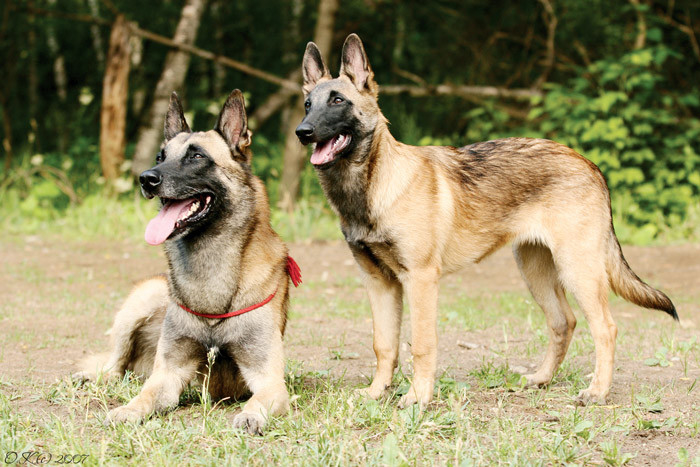
To maintain your pet's health, well-groomed appearance, and physical activity, it is necessary to pay special attention to its nutrition. The diet must be complete and balanced to provide the animal with all vital microelements. Owners can choose between premium dry and wet food, or natural products. Both options have their advantages:
| Advantages of prepared feeds | The benefits of natural nutrition |
| Balance. Good quality products are made from healthy ingredients in the right proportions and are fortified with vitamins, so there is no need to buy vitamin supplements. | No preservatives. Homemade food is always fresh and does not contain any extraneous additives. |
| Diversity. The range of food is very wide, and every owner can choose the optimal option for their pet, taking into account factors such as age, health, needs, size, etc. | Utility. If you select products in accordance with veterinarian recommendations, you can provide your pet with healthy and balanced nutrition, but don’t forget about additional vitamin complexes. |
If the owner decides to feed their pet natural food, they need to know which foods are allowed and which, conversely, should not be given. Lean, boiled or raw, frozen meat (beef, veal, lamb, chicken) is beneficial for the dog. It should make up the bulk of the diet (about 80%). The remaining 20% includes:
- offal (liver, kidneys, heart, lungs, etc.);
- sea fish (no more than twice a month);
- boiled chicken or quail eggs (twice a week);
- pureed vegetables;
- porridges made from oatmeal, buckwheat, rice;
- natural yogurt without dyes;
- fermented baked milk;
- yogurt or kefir.
Hard cheese can be offered as a treat. You should avoid fatty meats (pork), any minced meat, canned foods, flour products, sweets, salty and smoked foods.
Principles of organizing nutrition:
- weaning off the products that the breeder offered the puppy;
- gradual introduction of new foods into the diet;
- feeding at the same time of day;
- moderate amount of food;
- daily renewal of water in the bowl.
When feeding formula, adjust the feeding amount according to the package instructions. When feeding natural food, adjust the feeding amount individually for each dog. If your pet is highly active, they will require enhanced nutrition. If your dog is sedentary, avoid feeding them large portions, as this will cause weight gain and lead to obesity. Pregnant females also require additional nutrition.
Feeding schedule:
- puppies aged 3 to 4 months - 5-6 times a day;
- from 5 months to six months - 4 times a day;
- from 6 to 9 months - 3 times a day;
- dogs one year and older - twice a day.
Breeding
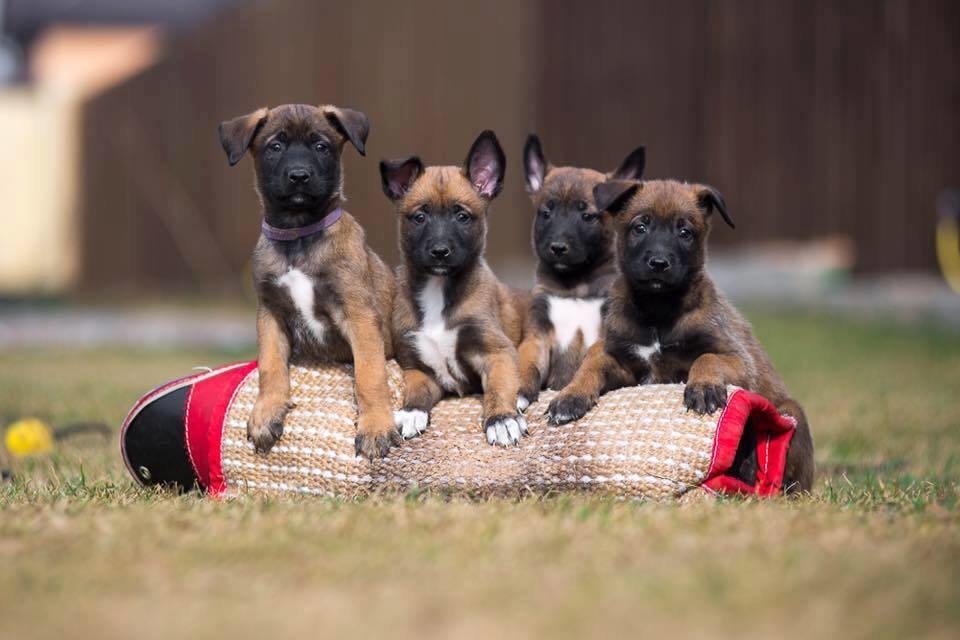
Since 1974, crossbreeding between all four Belgian Shepherd varieties has been prohibited, despite their close relationship. Therefore, breeders should be aware that Malinois can only be bred with similar dogs.
Mating usually begins at 18 months for both females and males. The first heat should be skipped, and mating should only be planned for the second heat. It is important to check the health of the partners and check for any hereditary diseases. Deworming and antiparasitic treatment should be administered two months before the planned mating, as well as vaccinations.
It is strictly not recommended to breed dogs more than twice a year. Too frequent births can trigger a number of health problems in the female and lead to the production of non-viable offspring with genetic defects.
Typically, a litter of 6 to 10 puppies is born with successful fertilization. With so many puppies, it's difficult for the mother to feed them solely with breast milk, so supplemental feeding is essential from the earliest stages.
The Belgian Malinois is extremely popular worldwide. However, this breed has a number of personality traits, so it's not recommended for inexperienced breeders to get one as a first pet. This dog requires a serious, leading owner who will devote significant time to its upbringing and training.