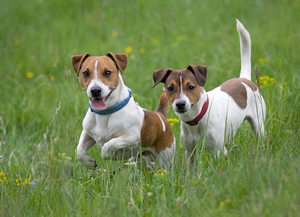
The Cairn Terrier is considered an ancient representative of the hunting terriers. The breed originated in Scotland as the Skye Terrier and was originally used to hunt foxes and badgers. It was only in 1912 that the dog received its current name and official recognition. Beginning in the first half of the 20th century, the breed actively spread throughout Europe and the United States. In Russia, the Cairn only began to gain popularity in the 1990s. Today, the cost of a purebred puppy ranges from $250 to $500.
Content
Breed standard
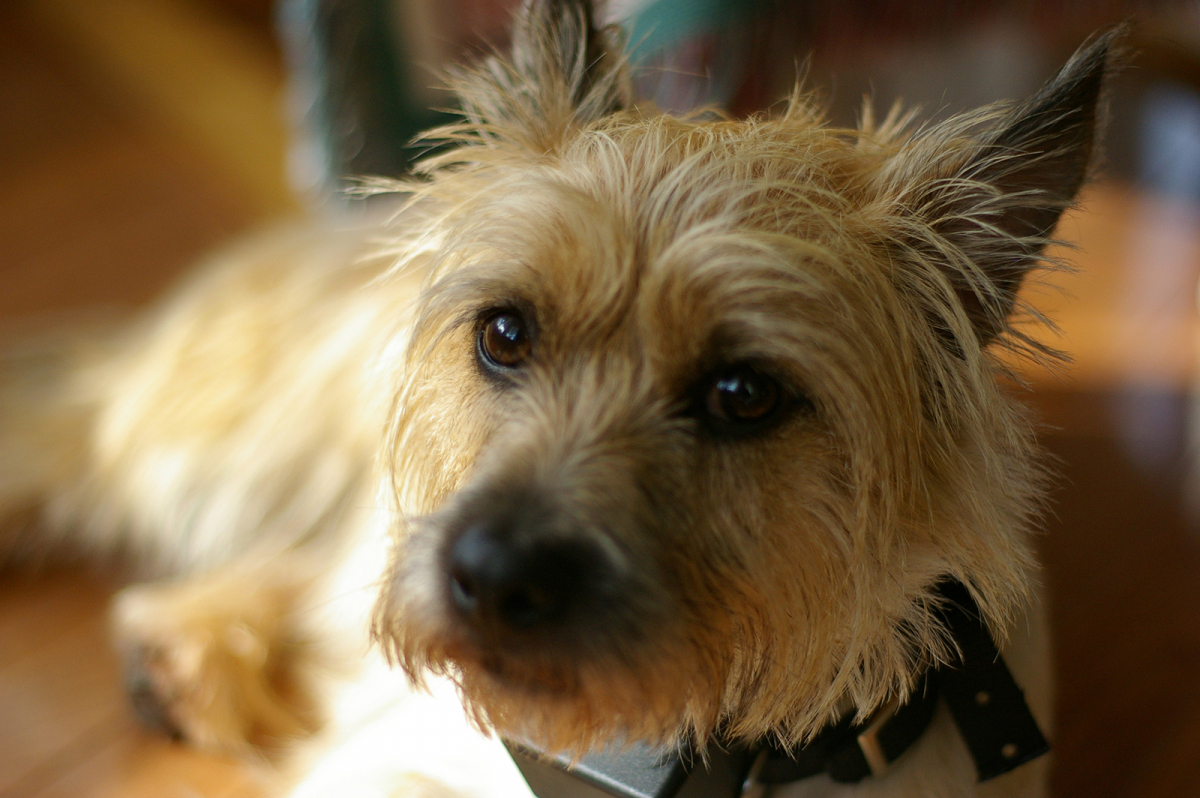
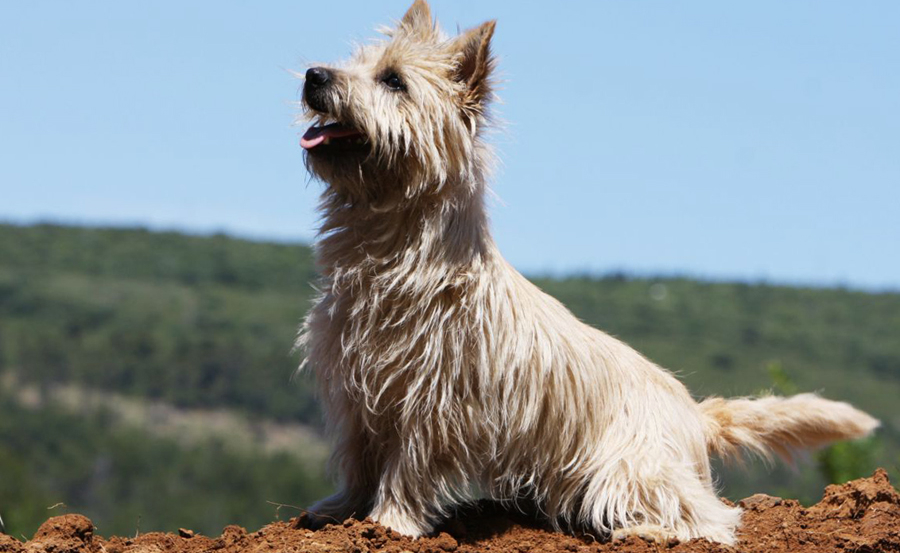
The distinctive feature of the Cairn Terrier's appearance is its disheveled appearance and fox-like expression on its face.
The breed has the following standard:
- The head is small, well-furred, and proportionate to the body.
- The eyes are medium sized, dark brown, and set wide apart.
- The ears are erect, pointed, small in size, and less hairy than the rest of the body.
- The mouth is powerful with even teeth and a scissor bite (the upper teeth overlap the lower ones and are evenly spaced).
- Neck - strong, medium size.
- The front legs are of medium length and covered with thick fur.
- The hindquarters are muscular and well-furred.
- Body - the topline is straight, the back is of medium length, the ribs are rounded.
- The tail is well-furred and short.
- The coat is double, hard hair with a soft undercoat.
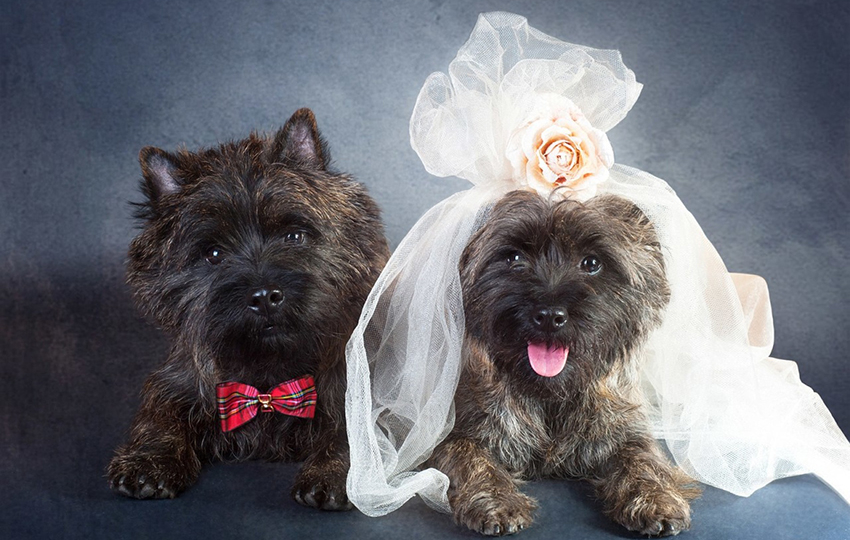
- Colour: red, cream, wheaten, grey or black (brindle is allowed in all shades).
- Weight: from 6 to 7.5 kg.
- Size - height at withers - 28–31 cm.
The average life expectancy depends on care and timely treatment and prevention of diseases and is approximately 12–15 years.
Character
The breed is distinguished by its high energy and endurance – it is capable of playing or hunting all day long. Cairn Terriers have a fearless nature, which is demonstrated by their willingness to pounce on even a large dog. However, they do this only in cases where there is aggression or danger from other animals.
In the family, the Cairn behaves playfully and affectionately, gets along well with children and other pets, and is easy to train and educate.
Pros and cons of the breed
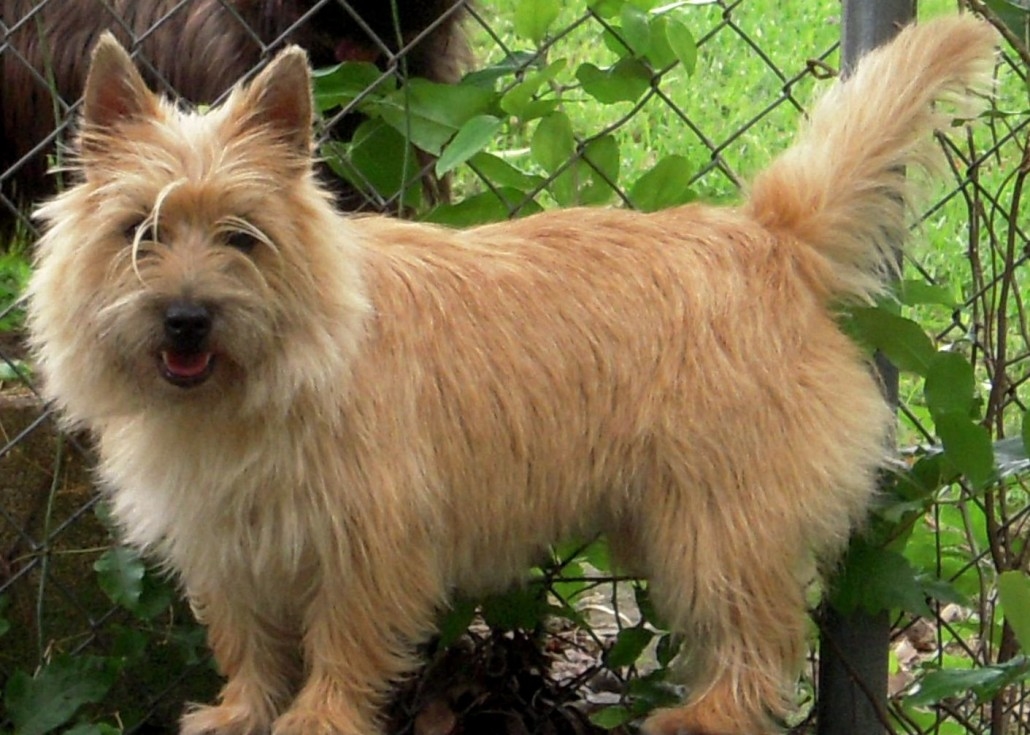
The main advantage of the Cairn Terrier is its devotion to its owner. With proper training, Cairns get along well with cats and other dogs, accepting them as family members. Another advantage is their undemanding diet—they will eat almost any dry food, canned dog food, or natural foods.
The main drawback of this breed is the need for regular grooming. The dog should not be left alone with a child, as during play, the pet may interpret roughness as aggression and bite.
A conditional disadvantage is hyperactivity - this should be taken into account by those people who, due to their lifestyle, cannot devote a lot of time to pets.
Care and maintenance
Keeping a Cairn Terrier in a rural area is a good idea. This will allow the dog to exercise its hunting instinct, which will have a positive impact on its mental health. At the same time, it does well even in a small apartment. However, in this case, it should be taken outside daily for play.
Regular exercise is a must for maintaining this breed.
Nutrition
The question of what to feed a Cairn Terrier is not a problem for owners, since dogs are omnivorous and happily eat vegetables, raw meat, oatmeal, and porridge. However, overfeeding is not recommended, as the breed is prone to obesity. To determine when to increase or decrease the portion size, feel the ribs. If they are not palpable, the dog is being overfed; if they are protruding, the amount of food should be increased.
Representatives of this breed can be fed dry food. In this case, it is important to choose a food with the lowest levels of chemical additives and the correct amount of vitamins and minerals.
One of the most important indicators of the quality of artificial food is its protein content - it should not be less than 25%.
The most favorable feeding regime is twice a day (morning and evening).
Grooming
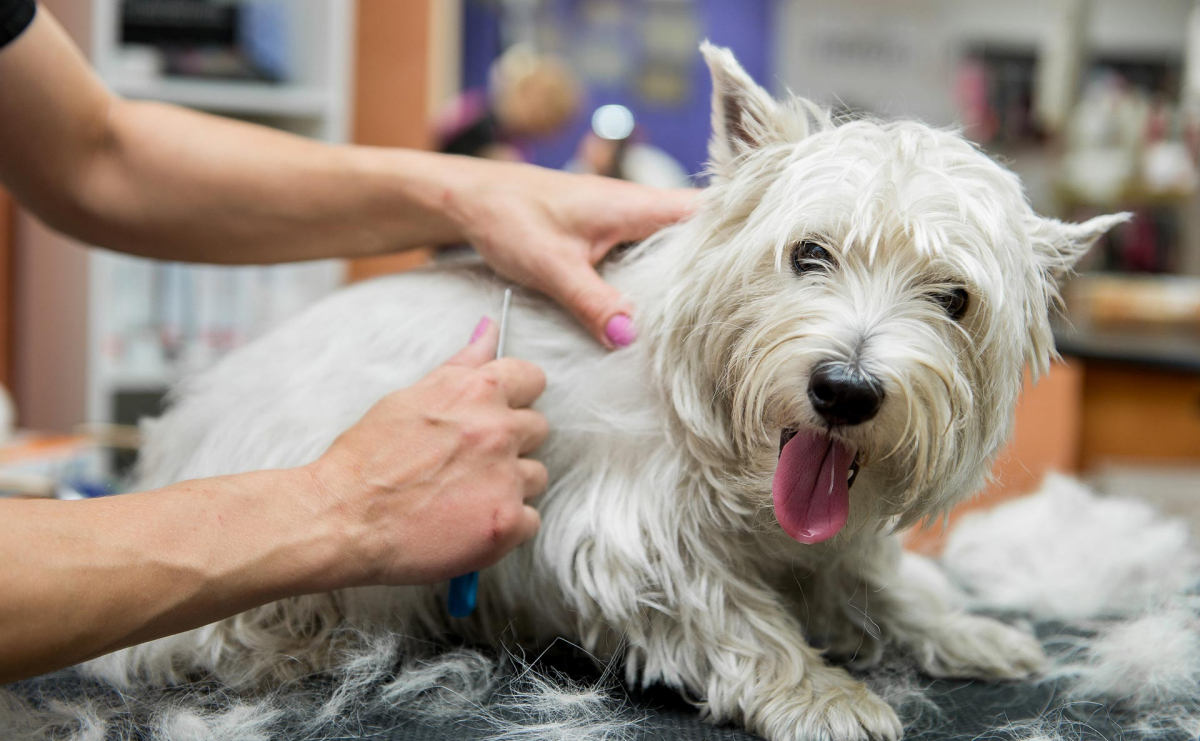
Cairn Terriers have strong and sharp nails, so regular trimming is essential. The optimal frequency is once every 15–20 days.
Ear and eye care consists of daily inspection. In the absence of any underlying medical conditions, cleaning a few times a week is sufficient. Use cotton pads (for the eyes) or cotton swabs (for the ears) soaked in warm boiled water or chamomile tea.
Grooming involves regular brushing (2-3 times a week) with a stiff brush. To maintain the Cairn Terrier's neat, pedigree appearance, regular trimming (plucking out mature hair) is necessary. This procedure should be done every 3-4 months. If the dog is not participating in competitions, it is recommended to avoid trimming.
Bathing a Cairn Terrier isn't necessary. The exception is washing their paws after outdoor walks.
Education and training
Training puppies of this breed is necessary to develop skills and reflexes in the dog that will be useful to the owner and will be useful for further training. Between the ages of 1 and 4 months, your pet should understand who is the leader in the apartment, get used to the feeding schedule, its place, brushing, walks, collar and leash, and be able to respond to its name.
Punishing a puppy during training should only be done when it commits an offense (jumping on the table, knocking over a flower pot, etc.). Punishment should consist of a stern tone of voice—the dog should understand the owner's displeasure by their voice. Hitting should not be used for training purposes.
Dog training involves teaching your dog commands such as "Come," "Walk," "Stay," "No," "Sit," and "No." It's best to teach your pet these skills through play during walks. The primary training tools should be rewarding with treats, changing your voice, petting, and hand gestures.
Diseases and treatment
Kerns are healthy and long-lived.
The most common diseases of the breed are:
- Perthes disease. A genetic disorder that causes circulatory problems in the extremities, leading to degeneration of cartilage and bone tissue.
- Obesity. It most often develops in apartment-dwelling dogs with limited physical activity and overfeeding. Excess weight can lead to heart, liver, and vascular disease, as well as endocrine disorders.
- Von Willebrand disease. A genetic blood disorder that causes sudden bleeding that is very difficult to stop.
- Cataract. Often caused by lack of eye care and unfavorable living conditions.
- Allergy. In most cases it is caused by plant pollen, food or household dust.
- Patellar dislocation. It is a genetic disorder of Cairn Terriers.
The effectiveness of your pet's treatment depends on prompt veterinary attention. Therefore, if symptoms of any illness appear, do not attempt to self-treat your dog; instead, take it to a specialist immediately.
This breed is susceptible to many infectious diseases, so dogs must be vaccinated against hepatitis, distemper, rabies, parainfluenza, and parvovirus. The age at which veterinarians vaccinate puppies varies, but the first injection is typically given at 8 weeks and the second at 12.
Breeding
It has been established that linebreeding is most effective when the female and male are closely related. Interbreed matings are not currently practiced.
In most cases, a female dog comes into heat every six months. Heat lasts approximately three to four weeks. The most favorable time for mating is the second week. Male dogs are sexually active constantly and are ready to mate with a female dog in heat at any time.
Approximately 4-6 weeks before mating, the male and female dogs should be checked for infections and helminths, the animal’s skin and coat should be treated for parasites, and deworming should be carried out if necessary.
After mating, Cairn Terrier bitches remain normal and show no signs of pregnancy for three weeks. After three to four weeks, the dog's temperature may change, her appetite may decrease, and she may become more demanding of attention and affection. The average pregnancy period is nine weeks.
About a month before whelping, a bed should be prepared for the female dog. For this, construct a wooden box approximately 60 cm long and 45 cm wide. The front wall should be removable and about 10 cm high. The dog should begin sleeping in the bed approximately 3-4 weeks before whelping.
During the birth, you must constantly stay near the dog and make sure that she does not leave the bed.
Caring for offspring
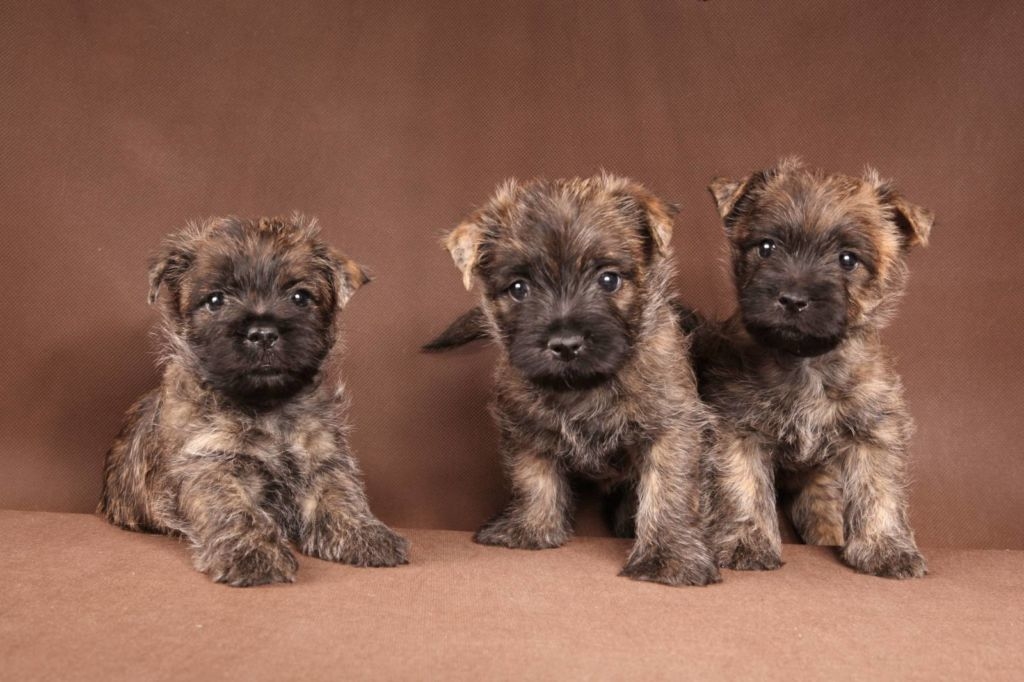
It is important to ensure that the puppies receive colostrum, the milk that the mother produces in the first few days after birth. This substance will provide immunity to a large number of diseases to the offspring.
Around 10 days after birth, the puppies' eyes open and they begin to hear. To allow them to climb out of the crate, the front lid should be removed.
To prevent colds, cover the area near the sunbed with a blanket or thick towel. Also, make sure there are no drafts in the room.
Choosing a puppy
When choosing a puppy, the first thing to pay attention to is the conditions in which it will be kept. Poor hygiene and nutrition can weaken pets' immunity and lead to the development of diseases.
Important factors for healthy offspring are:
- activity - a healthy puppy should be active and inquisitive, happily receiving human attention;
- health of the bitch and the male dog - before purchasing a puppy, it is recommended to examine its parents and pay attention to how the owner treats the dogs (harsh treatment can negatively affect the offspring);
- Cleanliness of the skin, ears and eyes - the puppy's body should be free of ulcers, bald spots, tangles, and there should be no mucus or pus in the eyes and ears.
A good appetite is also a sign of health.
What to call it
When choosing a name for a Cairn Terrier, it is recommended to pay attention to short and sonorous ones.
Popular options for boys include:
- Cross;
- Butch;
- Storm;
- Basel;
- Venya;
- Dick.
Suitable names for girls would be:
- Asti;
- Basya;
- Awns;
- Rexy;
- Cephi;
- Chapa.
Cairn Terriers make excellent home guardians. These dogs are best suited for energetic, active people who have plenty of free time and are willing to dedicate it to playing with their beloved pet.