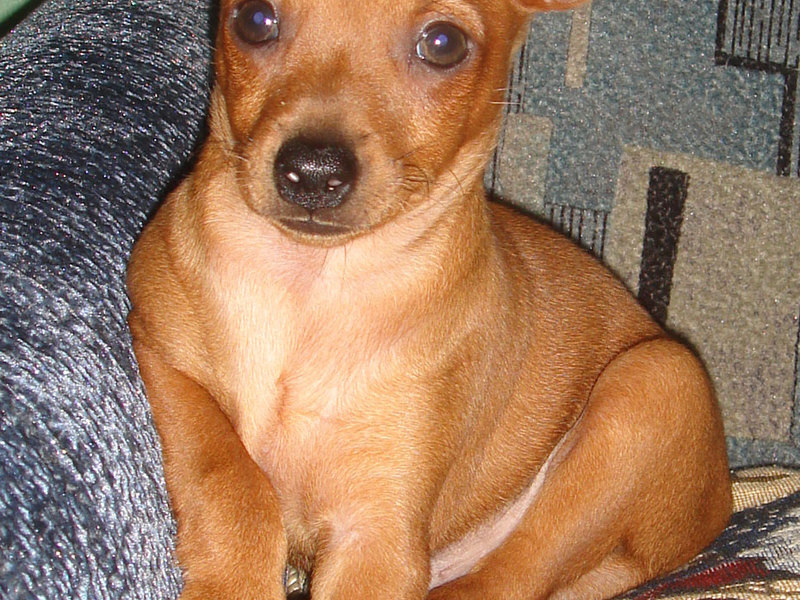
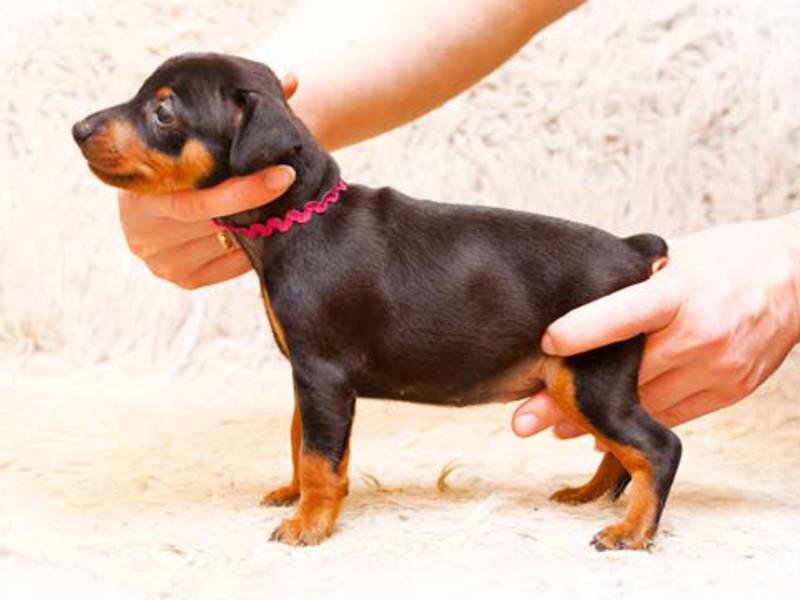
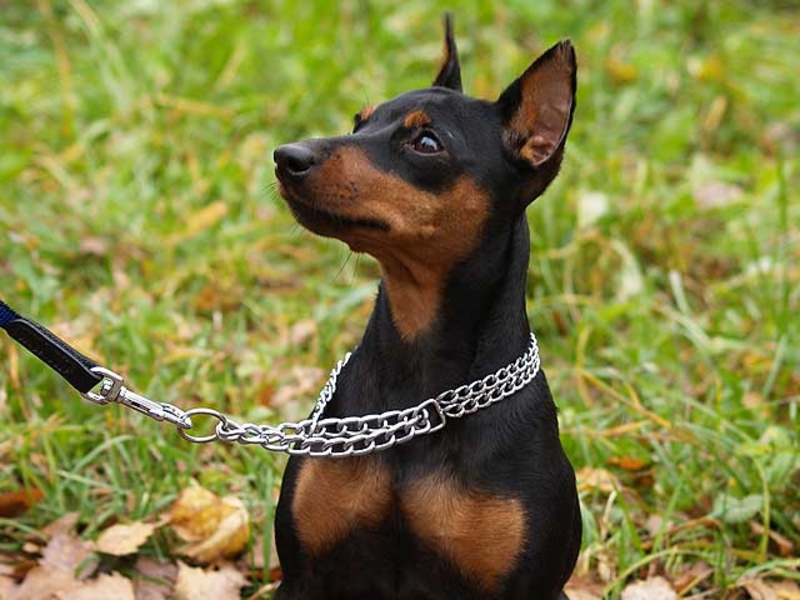
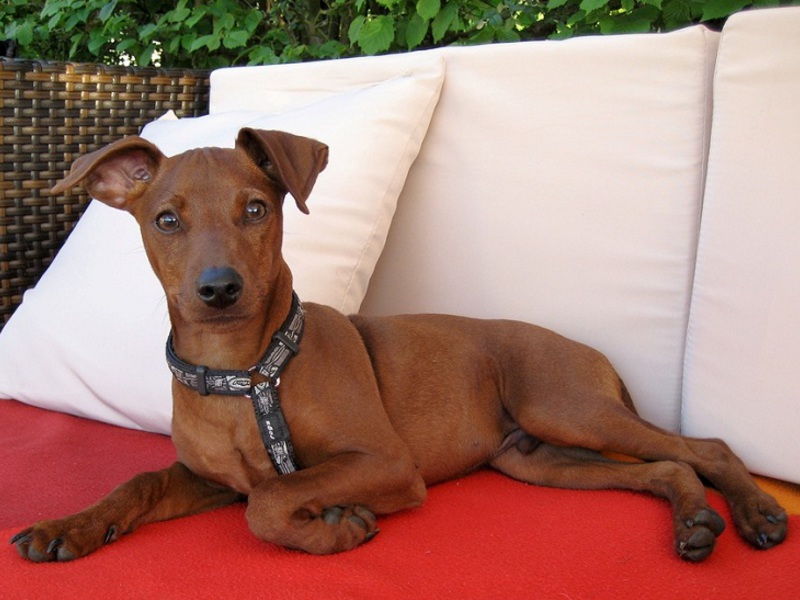
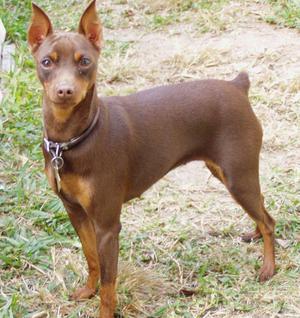
 The loving and energetic Miniature Pinscher is the smallest working dog in the world. Developed in Germany, this breed is distinguished not only by its graceful appearance but also by its energetic nature. These tireless dogs have a stunning, dancing gait and proudly look around, as if to show everyone that they are true Miniature Pinschers.
Content
Description of the breed - photo
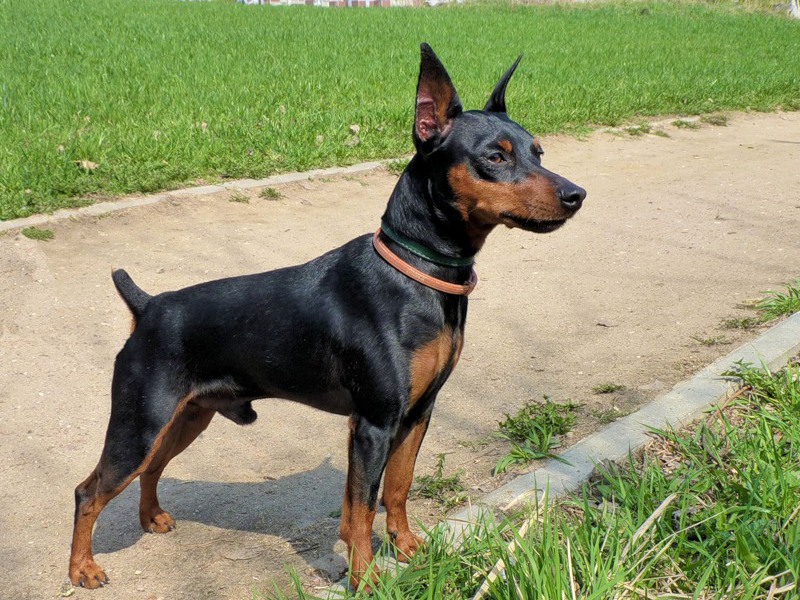
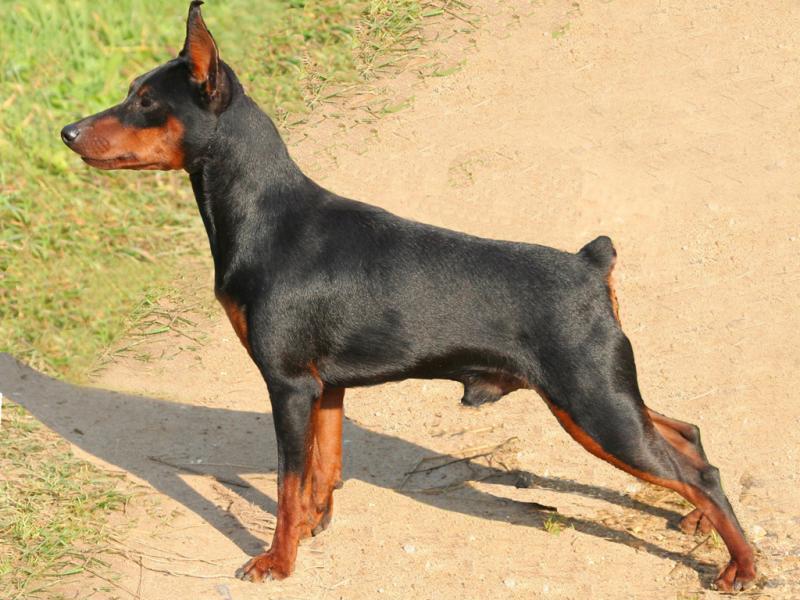
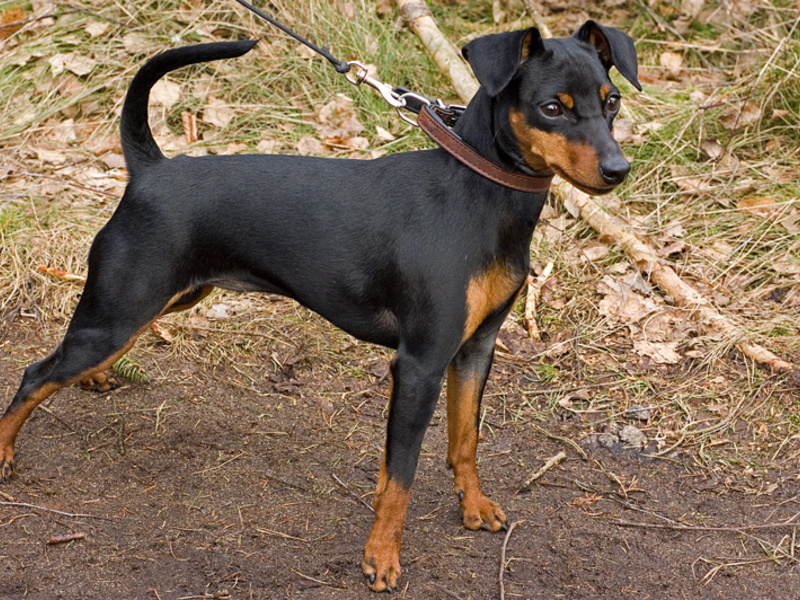
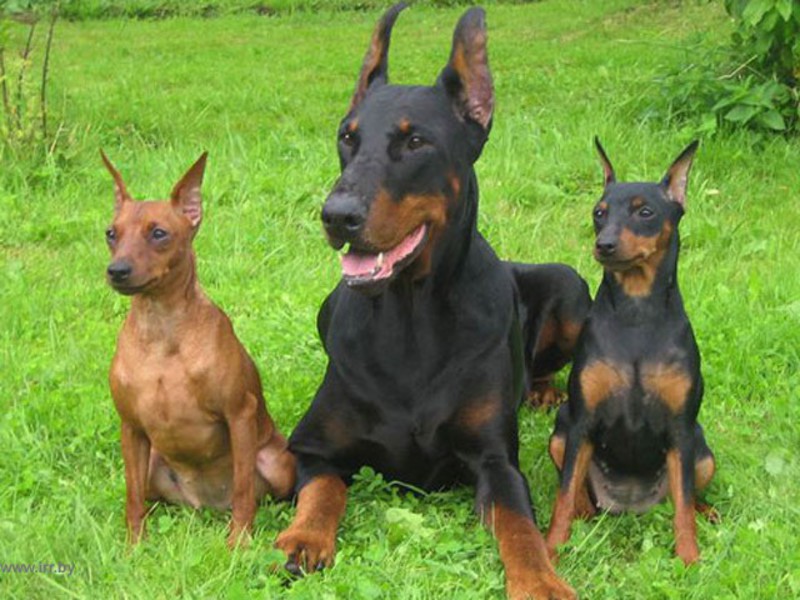
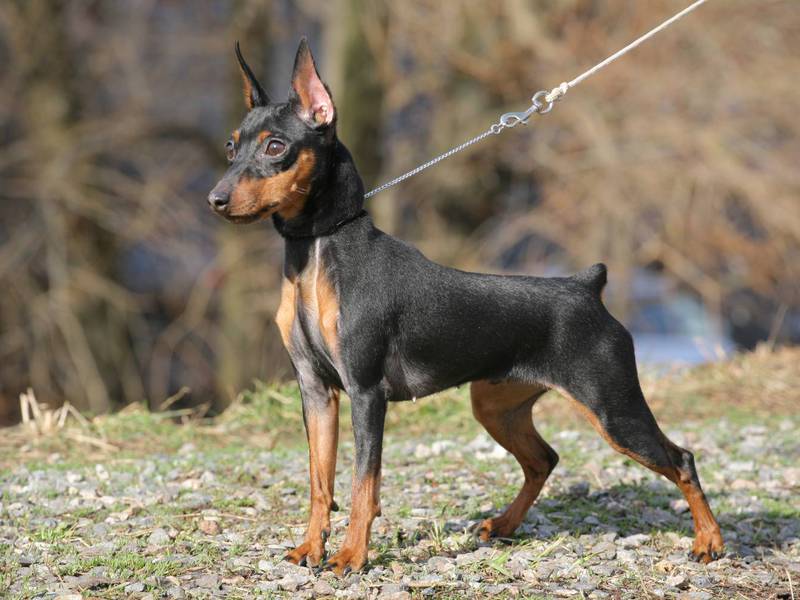
The Miniature Pinscher's appearance resembles a Doberman, although there is no relationship between these breedsThe dog weighs between 4 and 5 kg and stands 25-30 cm at the withers. Official breed standards were adopted in the late 18th century. The first Doberman breeder's club was founded in 1895 in Germany. Since then, the breed has developed, and Pinschers have been exported to shows in other countries. At a show in France, the miniature dog with a cheerful disposition was presented as a smooth-coated terrier, and it immediately became a crowd favorite.
The breed standards include:
- Well developed muscles and bones.
- High strong paws.
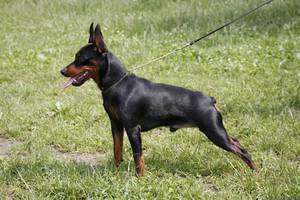
- The hind legs should be slightly longer than the front legs.
- Head proportional to the body.
- Thick and moderately long neck.
- Dark, oval eyes.
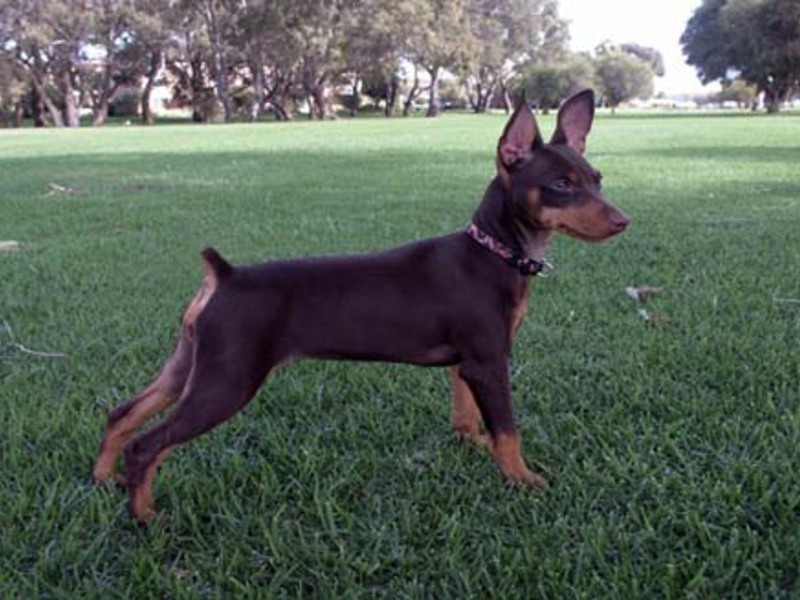
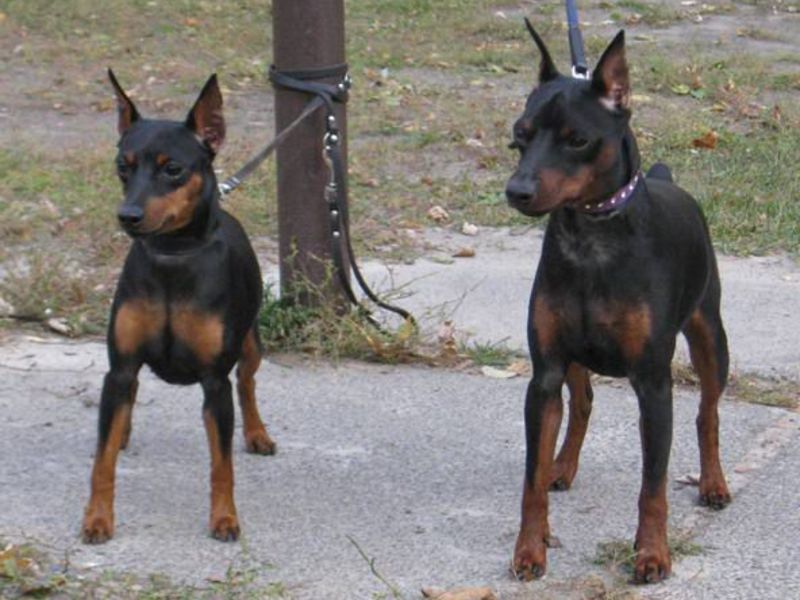
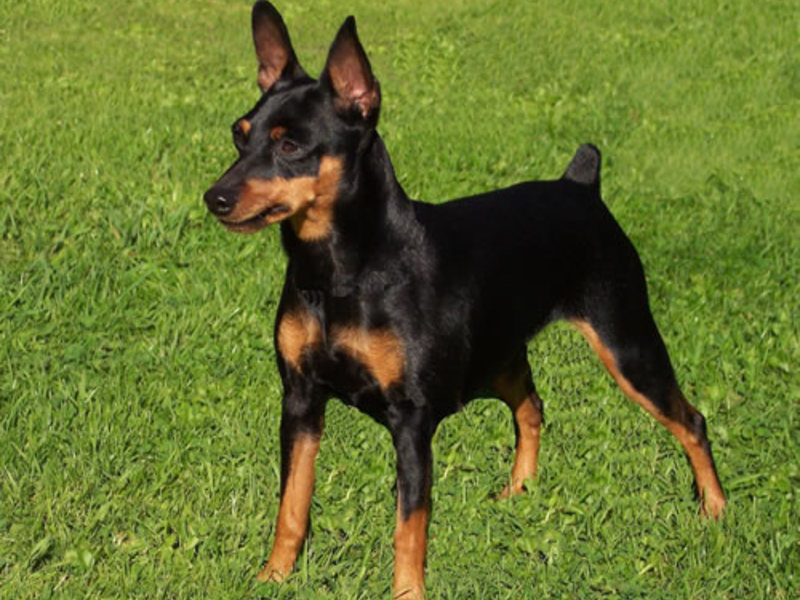
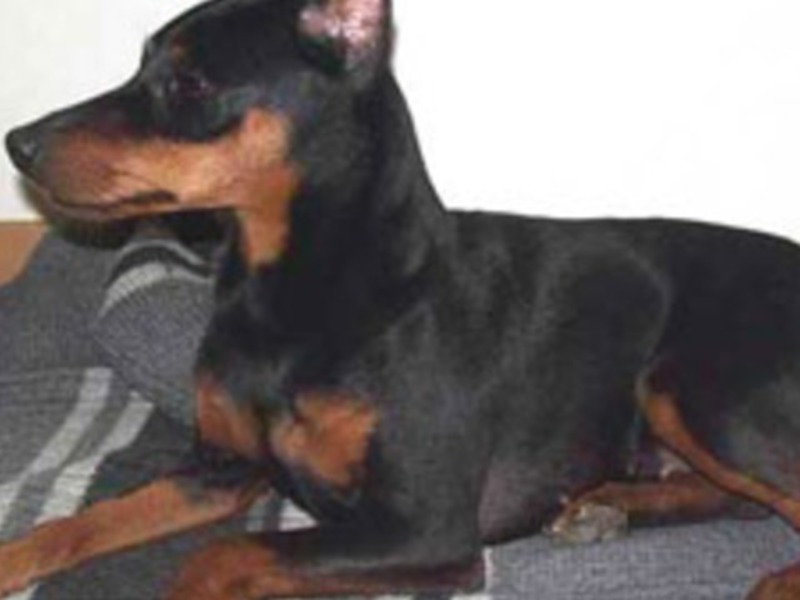
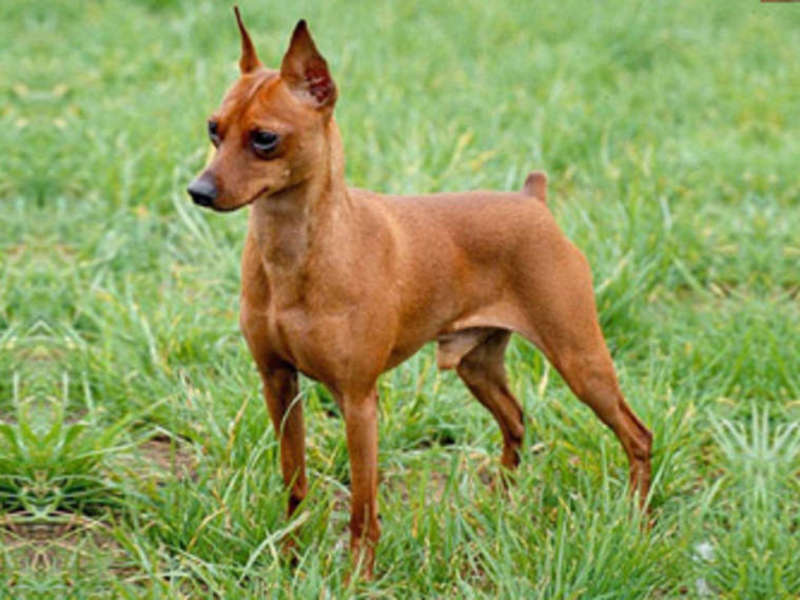
- The coat is shiny and smooth. It can be brown-red or black and tan. The tan markings should be on the inside of the hind legs, above the eyes, on the throat, and in two triangles on the chest. They must also have clearly defined edges.
Besides this, the pinscher ears and tail must be dockedHowever, many breeders do not torture animals and refuse docking.
The character of the Miniature Pinscher
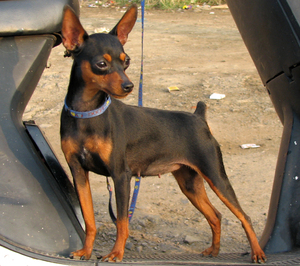 This proud-looking dog has a pleasant personality and loves affection and attention from its owners. When acquiring a Pinscher, you should be prepared for this energetic and playful pet to demand a lot of attention from its new family during its first year of life.
Miniature Doberman puppies are known for their mischievous nature, so they need to be trained from a very early age. This naturally suspicious breed is prone to excessive barking. This problem should be addressed from puppyhood by regularly interacting with the pet and teaching it to calmly receive guests who are friends of its owner. When taking your dog for a walk, be sure to must be kept on a leash.
Miniature Pinscher puppies are easy to train, but only an owner they completely trust can raise and train them. To avoid damaging their pet's psyche, training should begin gradually and very carefully. The breed thrives on various activities and learning new things, so simple rules of conduct and new commands will bring them great pleasure.
Because Miniature Dobermans are naturally independent and very curious, they require constant supervision. However, the breed's character traits include affection, gentleness, and energy, making them good with children who understand that a dog is not just a toy. They also get along well with other pets, but are wary of strange dogs. can be aggressive.
Designed for hunting small animals, this breed can easily accompany you on a walk or during recreational hunting.
Miniature Pinscher: Maintenance, Care, and Photos
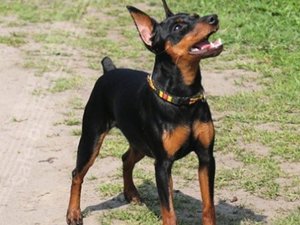 This easy-to-maintain breed requires an active lifestyle and constant attention. Dobermans don't like being left home alone, and if left unattended for too long, they'll start playing with their owner's belongings.
Short-haired dogs are constantly cold, so their space in the house requires special attention. It shouldn't be in a draft or on a cold floor. A Doberman requires good, thick bedding, or even a special house. For winter walks, it's essential to buy or sew warm clothesOtherwise, the dog may become ill. This breed's paws begin to freeze at temperatures as low as -7°C. Therefore, it is recommended to purchase walking boots for this breed.
Pinschers also don't do well in hot weather. In such weather, they're at risk of heatstroke. To avoid this, take drinking water with you on walks, and in very hot weather, you can even wet your pet.
Even if your pet is litter-trained, it still needs to be walked daily. Ideally, twice a day for at least 30 minutes. During walks, the dog should be active, as this breed is prone to obesity.
Smooth-haired dogs need to be brushed several times a week. They consider this a form of affection and enjoy it very much. However, bathing pinschers is not recommended, as the pet can easily catch a coldYou should only wash your dog when necessary.
This breed should not be picked up by the scruff or front paws. This can damage tendons. Therefore, it's best to carry the pet by holding it under its belly. A small dog doesn't have time to wear down its nails while moving, so they need to be trimmed regularly.
Feeding Features
 The breed can be fed natural products or dry food. If the owner chooses a natural diet, 40% of the pet's diet should consist of raw meat. Beef or horse meat is best for Pinscher. A third of the diet should consist of buckwheat, oatmeal, or wheat porridge, mixed with the meat. The dog's diet should also include stewed and fresh vegetables, which can be seasoned with a drop of sour cream or a small amount of vegetable oil.
A Pinscher should be fed on a strict schedule and in such quantities that nothing remains in the bowl. If the dog stands near the bowl with sad eyes, the portion can be slightly increased. To prevent worms, garlic should be added to the pet's food from time to time.
If your Pinscher is going to be fed dry food, it should be introduced to it from puppyhood. It's recommended to choose a premium or super-premium food specially formulated for small breed dogs. Feed your pet strictly according to the instructions on the packaging. Overfeeding dogs is not recommended, as this can lead to obesity and other health problems.
Feeding puppies
If your pet has given birth, then from the age of 4 weeks the puppies need to be weaned from their mother's milk and natural food introduced into their diet. Approximate diet for puppies:
- the first complementary food should be milk, preferably goat's milk;
- gradually the puppy is transferred to oatmeal cooked in milk;
- from 6 weeks, beets, carrots, greens and minced meat are added to the diet;
- the puppy must eat cottage cheese;
- vegetable salads can be dressed with vegetable oil or sour cream;
- Special vitamins are added to the diet, which are intended only for puppies.
Up to two months, small pinschers are fed 6 times a day, then 5 times a day, and six-month-old puppies - 4 times a dayAt one year, a pet should eat three times a day, and an adult dog is transferred to two meals a day.
Where to buy a miniature pinscher?
Purchasing dogs of this breed is easy. Those who don't plan to take their pet to shows can buy one through an online ad. Dogs with a pedigree or without a pedigree typically cost no more than 10,000 rubles.
Miniature Pinschers are sold with papers at kennels and cost between 10,000 and 20,000 rubles. If the puppy has titled champion parents and the smallest dog has excellent show potential, the price will increase. can reach 30,000 rubles.
Choosing a puppy
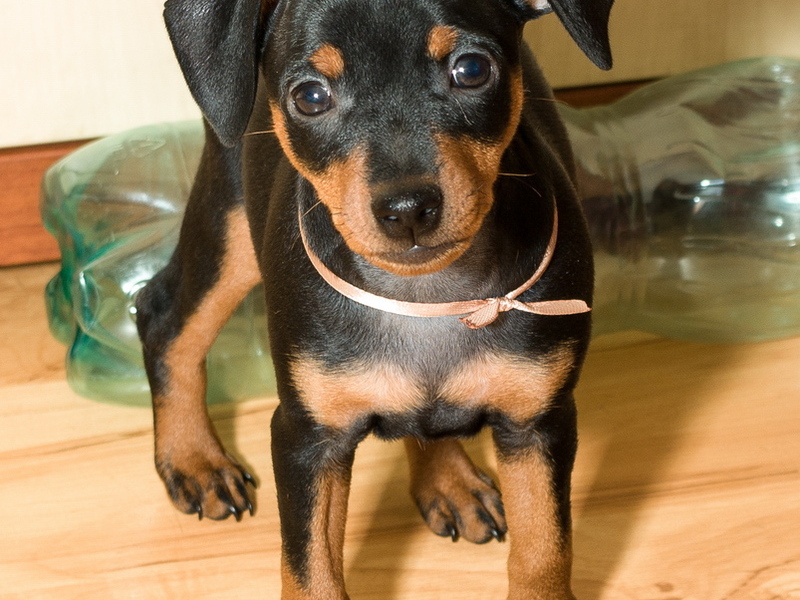
A small red or black and tan puppy can grow into anything, so it's not recommended to buy one from a pet market or private seller. To ensure a safe purchase, it's best to choose a small Doberman from a reputable breeder.
The puppy should be active, nimble, and courageous. It's best not to adopt a dog that's timid or aggressive. Crouch down in front of the entire litter and call them all. The first one to happily run up to you, showing curiosity and friendliness, may be your new pet. Additionally, it's essential pay attention to the following points:
 The puppy should be well-fed, but without signs of rickets.
- He should not be too squat or, on the contrary, too tall.
- The puppy must have a correct bite and healthy, clean teeth.
- The ears should not have any smelly discharge, and the eyes should not water.
- The coat should be clean, shiny, smooth and beautiful, without dandruff or bald spots.
- The pet's claws should be neat and not brittle.
- If a Pinscher is selected to attend exhibitions, it must meet all standards and have all the necessary documents.
- The droppings should be kept in a warm, clean room.
- The mother of the puppies must be well-fed and well-groomed, since a sad and sick animal will have weak puppies.
- The pet must have a good appetite and consume food literally at cosmic speed.
- An inactive and lethargic Miniature Pinscher should alert the buyer, as the energetic breed is usually always on the move.
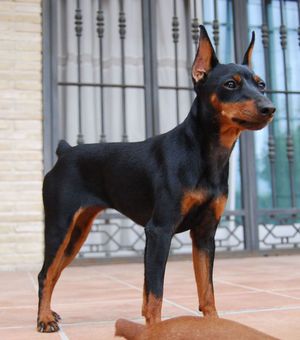 The puppy should be well-fed, but without signs of rickets.
After choosing a puppy, you need to ask the breeder what he fed the Pinscher, what vaccinations the pet has received, and what vaccinations the parents have. genetic diseasesYou should also remember to bring all the necessary documents for the new family member.
Miniature Pinschers are ideal for living in a small apartment. Easy to train and intelligent, they take up little space and shed virtually nothing. However, to prevent a willful and stubborn dog from becoming a spoiled pet, it's important to train them from an early age. As a result, this family pet will become not only a watchdog and guard, but also a kind and affectionate companion.