Today, there are approximately five hundred dog breeds worldwide. Ongoing selective breeding is systematically increasing this number, significantly complicating the choice of a four-legged pet. People deciding to get a small dog often wonder how a Pomeranian differs from a German Spitz. Experts have the answer.
Main differences
Foreign scientists confidently assert that the main differences between the Pomeranian and the German Spitz are due to selective breeding. This allows these toy dogs to be classified as representatives of different breeds.
Pomeranians are charming little dogs with a fearless and loyal spirit. One of the oldest and most popular breeds in Europe, the signature colors of the breed are black, red and white, brown, and gray with black accents, with cream, chocolate, and red highlights. This dog has a friendly nature and is characterized by activity and curiosity.
According to the standards of the International Cynological Federation, Pomeranians are classified as dwarf breeds.
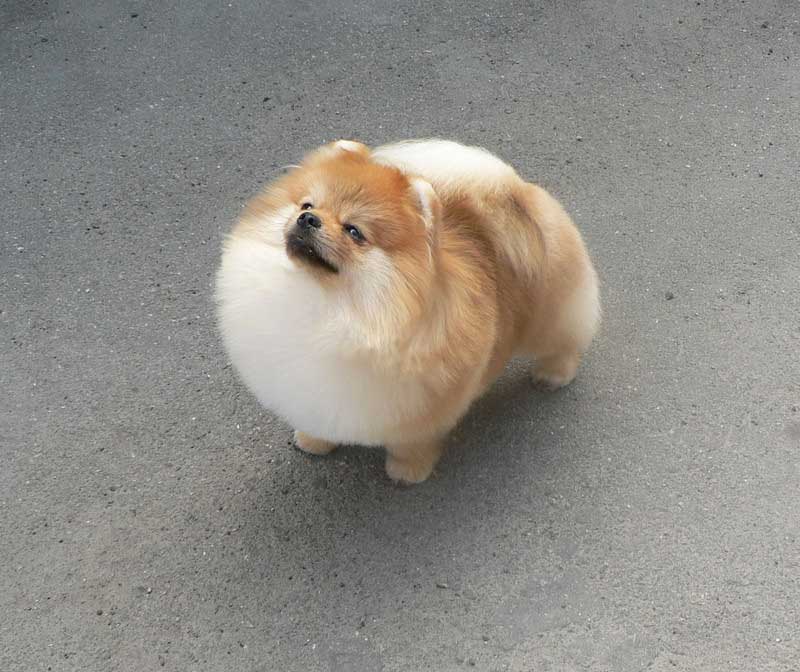
German Spitz descended from Stone Age peat dogs and the Spitz. Today, the FCI recognizes dogs with black, brown, gray-shaded, white, orange, and cream coat colors. Certain types are characteristic of several currently existing height variations of the breed.
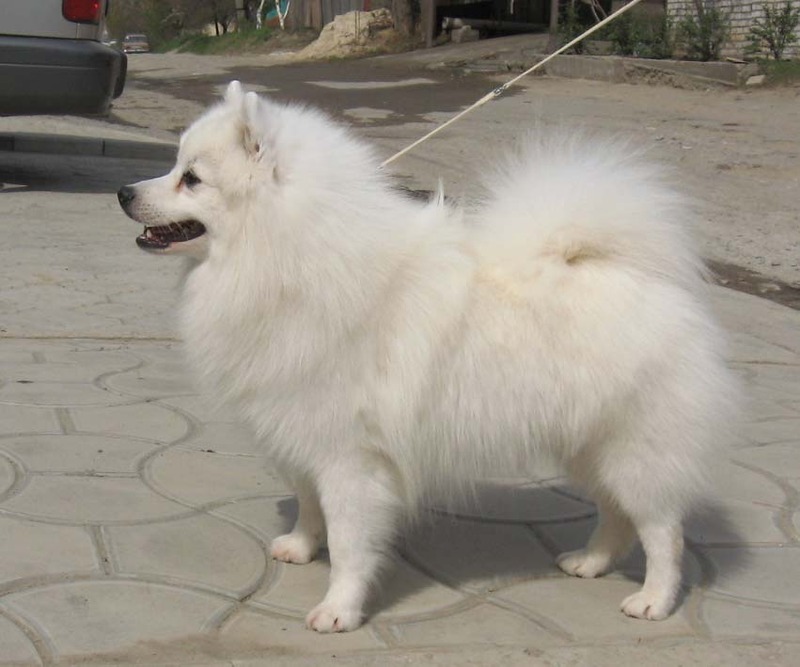
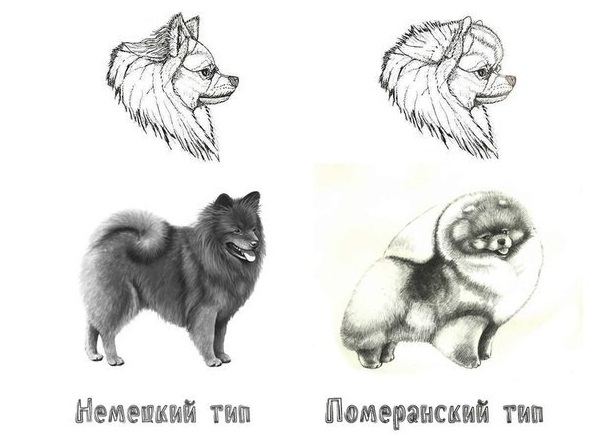
The main differences between these two breeds are as follows:
- The German Spitz's muzzle resembles a fox's, with an elongated nose and a moderate transition to the forehead, while the Pomeranian's muzzle is more like a bear's, has a noticeable transition from the forehead to the nose and is generally shorter than that of the German;
- The height of Germans varies from 18 to 55 cm, while Pomeranians can reach a maximum of 28 cm;
- The German Spitz's ears are set close together, while the Pomeranian's ears are set wide apart;
- The classic German Shepherd's tail is curled into one or two rings, while the Pomeranian's tail is straight and carried on the back.

Who is better to choose?
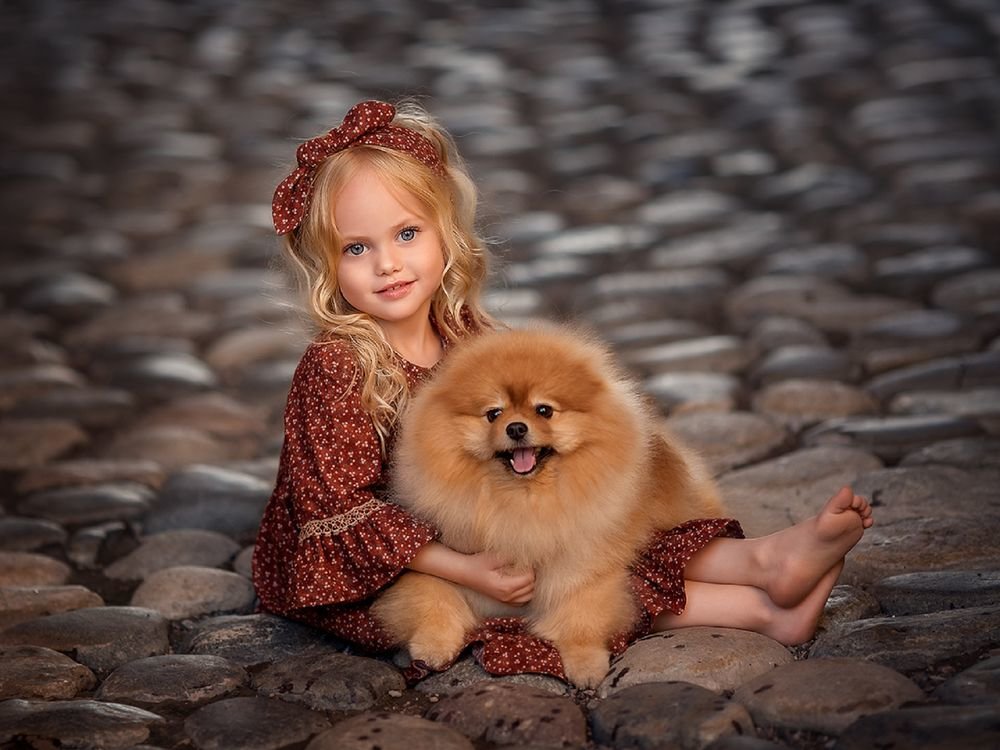
Representatives of the Pomeranian breed have a voluminous undercoat, an appearance reminiscent of a teddy bear, and a unique position of the front paws. According to experts, Pomeranians are characterized by a calmer and more even temperament, making these dogs more suitable for families with children or the elderly.
However, it's worth keeping in mind that the Pomeranian's coat is quite delicate and requires careful grooming. Owners of this breed will not only need to brush and bathe their pet regularly, but also take them to the groomer to trim the undercoat. German Spitz are more forgiving in this regard: brushing and bathing can be done as needed.
To participate in breeding, German Spitz dogs must have a "very good" show rating and documented pedigree. Pomeranians are bred in the United States, England, and Canada without a show rating, but with documentation of their pedigree.
Some canine associations consider Pomeranians a distinct variety of German Spitz, while others classify them as a distinct breed. In any case, there is a huge following of fans of these two exceptionally intelligent, loyal, and beautiful dog breeds.