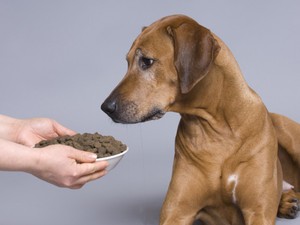
Not all dog owners have a clear understanding of their pet's nutritional needs. Dogs are often given various human treats, which is strictly prohibited. A dog's diet should be developed separately, eliminating all harmful ingredients.
Chocolate
Chocolate is on the list of prohibited foods for dogs. Cocoa beans are a source of theobromine, which affects the heart. While beneficial for humans in small doses, it is toxic to dogs. It stimulates the animal's central nervous system, leading to arrhythmia and tachycardia. Mild side effects of chocolate consumption in dogs include allergies, hair loss, lacrimation, and ear infections.
Animals lack the insulin needed to process all the sugars ingested in chocolate, so sweets can cause diabetes, blindness, and even death. The lethal dose of chocolate for dogs is 7 grams per kilogram of body weight. Chocolate is dangerous not only because of theobromine, but also because of a number of chemical components and vegetable fats. If your pet shows the first signs of poisoning (vomiting, diarrhea, rapid breathing), consult a veterinarian immediately.
Onions and garlic
Dogs should not eat onions or garlic, or any products containing them. These plants contain organic sulfoxides. When ingested, they break down into various sulfur compounds, which have a destructive effect on red blood cells.
Onion and garlic poisoning is possible not only when eaten raw, but also when baked, fried, or boiled, so it is important not to feed your dog human food that may contain these ingredients.
Signs of onion and garlic poisoning don't appear immediately; the first symptoms may not be noticed until several days later. The animal will experience vomiting, diarrhea, loss of appetite, and weakness. Small amounts of garlic or onions may not affect a dog, but these foods should be avoided.
Avocado
Avocados contain persin, an oil-soluble compound. It's found in larger quantities in the leaves, peel, and pit, but a small amount is also present in the fruit pulp. Persin is toxic to animals. Even some humans have an allergic reaction to persin.
Avocado consumed by a dog can cause digestive problems and swelling. More serious consequences can include damage to the cardiovascular and respiratory systems, which in some cases can lead to death. The large pit inside the fruit also poses a danger. If swallowed whole, it can cause internal bleeding, which without immediate veterinary care can be fatal.
Almond
Nuts are one of the healthiest foods for humans, but they have the opposite effect on dogs. A small handful of nuts won't harm your pet's health, but they won't provide any benefit either. Therefore, it's best not to introduce them to this delicacy.
Almonds are rich in monounsaturated fats, which can cause pancreatic problems and lead to pancreatitis in dogs. Excessive consumption of nuts can also disrupt gastrointestinal function and lead to diarrhea.
It's better to give dogs a small amount of peanuts as a treat, rather than almonds, as they're not nuts but rather members of the legume family. Peanuts are the least harmful, so they're fine to treat your pet with in small amounts.
Alcohol
Alcohol is harmful to humans, and it's even more dangerous for dogs. When an animal ingests alcohol, its reaction can vary. Some dogs fall asleep, while others become aggressive, their behavior becomes inappropriate, and in this state, the animal may even attack its owner.
Alcohol ingestion in dogs can cause liver damage, kidney problems, and a drop in blood sugar, which can lead to seizures. Alcohol can also disrupt the nervous system, slow the heart rate, impair coordination, and can lead to vomiting and a drop in body temperature. If prompt medical attention is not provided, alcohol poisoning can be fatal.
A dog is a member of the family, but that doesn't mean they should be fed from the owner's table or allowed to drink alcohol. All of the above-mentioned foods should be off-limits to prevent food poisoning and other health problems.