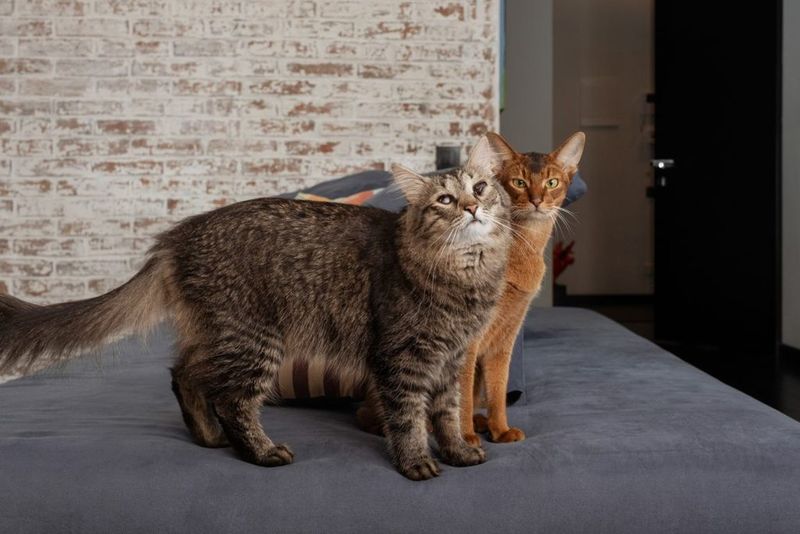
Domestic cat owners don't understand why bathing becomes such a challenge for them. How do cats really feel about water, and why does even the kindest and gentlest pet turn into a furious beast when forced to bathe?
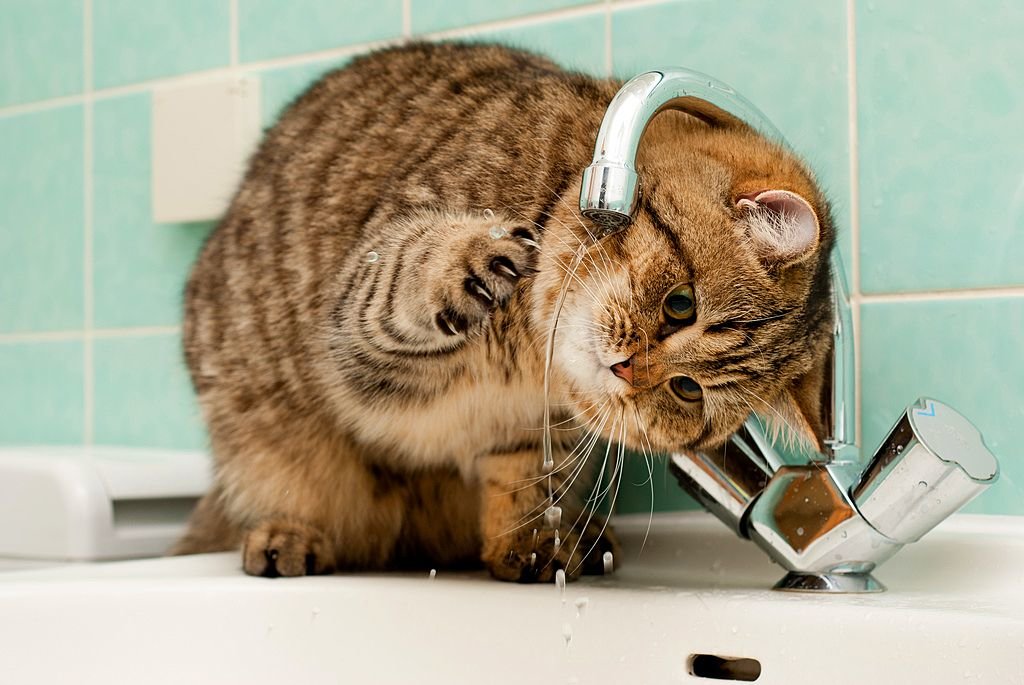
The cat is afraid of freezing.
When a pet gets wet in water, they can become cold, even if the room is warm. Animal fur has a unique structure, composition, and odor. Between the hairs is a layer of air that protects the cat from overheating and hypothermia, maintaining a comfortable temperature. When the fur gets wet, thermoregulation is disrupted. This air layer is lost, and the skin temperature drops by 5-7°C. Dogs shake themselves after bathing, getting rid of excess water. Cats, however, cannot do this, so they need a long time to dry. In such cases, wrapping the pet in a warm, dry towel will help them dry faster and feel calmer.
At home, a cat is unlikely to become severely hypothermic, but its self-preservation instinct is still triggered, so the animal is wary of bathing.
He is concerned about the increased smell of his fur.
Wet fur smells more intensely than dry fur. This is due to increased sebum production due to the sudden increase in body temperature.
Cats are hunters by nature. They lie motionless for long periods of time waiting for their prey. The intense odor of their fur is undesirable. It scares off prey, leaving the cat without food. Predators can also detect this scent, which is dangerous for the cat. To avoid this, cats avoid contact with water unless absolutely necessary. This can cause fear and panic during bathing.
The cat's fur is being washed off with a special lubricant.
Bathing washes away the thin layer of secretions that coat the fur and skin. This secretion serves a protective function: it repels dirt and dust, which contain many pathogenic bacteria and microorganisms. Wet fur, on the other hand, attracts dirt and dust. A cat instinctively becomes wary, unaware of the microbes lurking in the water. And then it has to lick off all the accumulated dirt.
When licking, harmful microflora can enter the stomach and significantly harm the animal’s health.
Cats aren't afraid of the water itself, but rather of the aftermath of swimming. They're cautious and wary and won't dive into the water with the same zeal as dogs. Every animal has its own way of adapting to its environment. And these furry creatures are especially perceptive.