Not only stray animals but also domestic animals suffer from poisoning. Cat poisoning comes in several forms. Let's take a closer look at each and the possible causes of your pet's illness.
Types of poisoning
- Food poisoning. It occurs due to the consumption of poor-quality, spoiled, or unsuitable food. To prevent food poisoning, prohibited foods (e.g., raw eggs, chocolate, potatoes, etc.) should be completely eliminated from the cat's diet when feeding a natural diet. It's best to replace loose food with packaged food: sealed packaging ensures the quality and safety of the product.
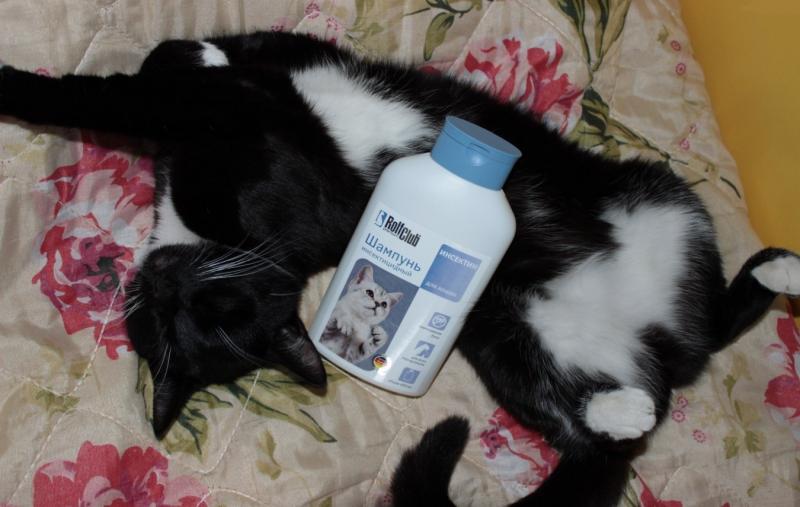
- Chemicals. Grooming products and parasite drops are toxic. Animals can be poisoned by licking them off their fur. Household chemicals should also be kept out of reach; cats may sample them out of curiosity.
- Medicinal. Occurs when medications left in an accessible place are accidentally swallowed, or when a veterinary drug is used incorrectly or inappropriately.
- Plant poisoning. Cats eat grass to improve digestion. Animals aren't always discerning what's safe for them. For example, geraniums, azaleas, aloe, and indoor palms are toxic to cats. Limit your pet's access to the plant or spray it with citrus juice—cats can't stand the smell.
- Poisoning. Pets may ingest rodent poison, which is often placed near trash cans, or they may catch a poisoned rat or mouse. Pets should be restricted from wandering in potentially dangerous areas.
Signs of poisoning
- Vomiting, diarrhea with mucus or blood.
- Weakness, apathy.
- Chills, decreased body temperature.
- Convulsions, swallowing dysfunction.
- Increased heart rate and breathing.
- Excessive salivation.
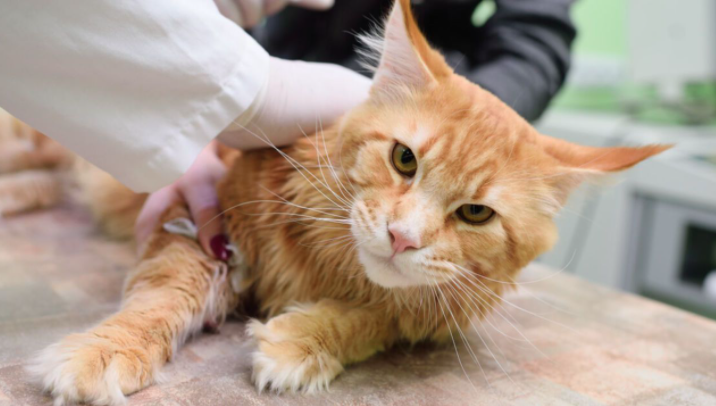
If one or more signs of poisoning appear, consult a veterinarian. Before visiting the doctor, administer first aid to alleviate your pet's symptoms.
First aid for poisoning in cats
Proper emergency care at home will save your pet's life. First, place your pet in a cool, well-ventilated area. It's important to prevent your pet from hiding in an inaccessible place (for example, hiding under a sofa where it's impossible to get out). Next, contact your veterinarian as soon as possible, describe the situation, and ask for advice. A veterinarian will have more experience and will be able to recommend the most effective first aid strategy.
If calling a specialist isn't possible, try inducing vomiting first. A solution of table salt or 3% hydrogen peroxide diluted with water will work. Inducing vomiting will only be effective if the poisoning has been occurring less than two hours ago: by then, the stomach contents will have already been digested, making vomiting useless.
Important! If you suspect poisoning from caustic chemicals (cleaning products, gasoline, kerosene, etc.), do not induce vomiting, as this will cause further damage to the esophagus. Instead, try giving your cat milk or raw eggs.
After gastric lavage, administer an absorbent such as activated charcoal, Enterosgel, Polysorb, or Atoxil. To prevent dehydration, give the cat plenty of water. In severe cases, saline solution can be administered subcutaneously.
If seizures, respiratory and swallowing problems, or rapid heartbeat occur, self-medication can lead to serious consequences. In such cases, immediate veterinary attention is required.