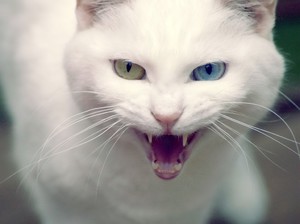
 The Turkish Van cat is a very rare native breed. These cats have semi-long hair and a distinctive coloring. The cat's body is white, while the crown of its head and tail are colored. Another distinctive feature of this breed is its waterproof coat, reminiscent of cashmere.
We'll discuss other distinctive characteristics of this breed of cat below. You'll also see photos of these animals.
Content
Origin of the Turkish Vanirs
Van cats originate from Eastern Anatolia (Turkey). This breed existed in its homeland as early as the Middle Ages, but it wasn't until the middle of the last century that they were noticed by foreigners and brought to the UK by two tourists. Officially the breed was registered in 1969 and was called the "Turkish cat." These cats received their current name, Turkish Van, only in 1985, to distinguish them from Turkish Angora cats.
Van cat: photo and description of appearance
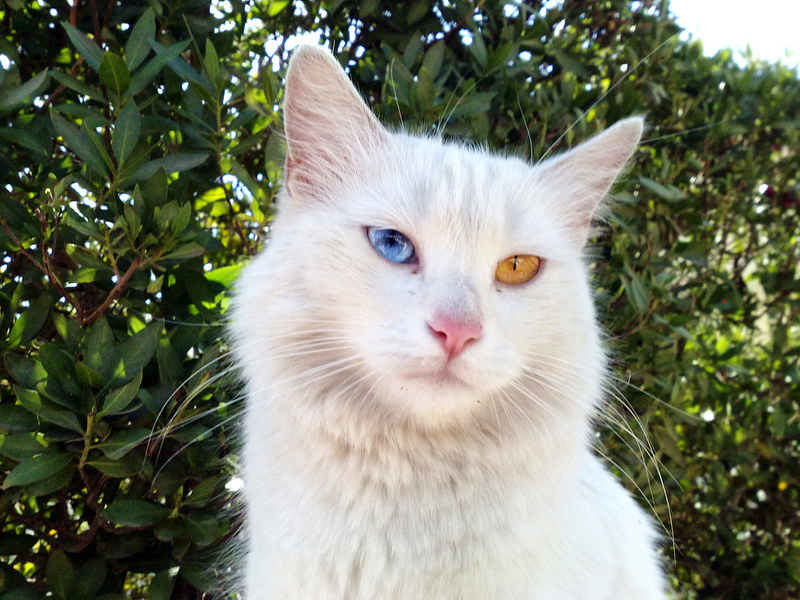
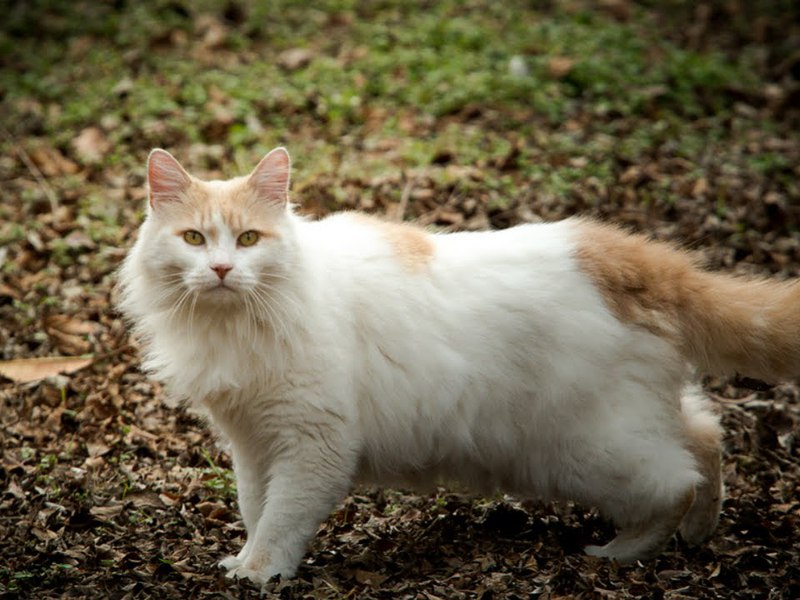
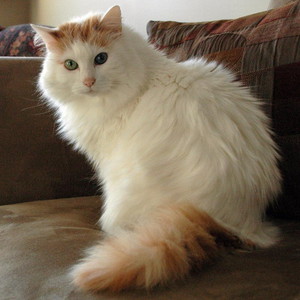
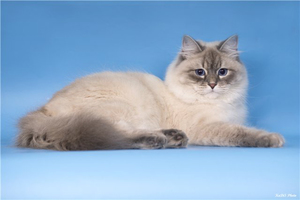
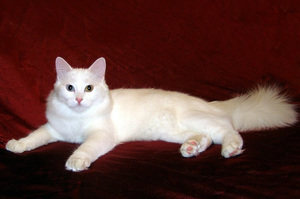
You can see what a Turkish Van looks like in the attached photo. Cats of this breed vary in size. For example, females individuals can weigh around 5 kilograms, and cats – even up to 10 kilograms.
The key characteristics of the Van cat's appearance are:
 The animal's head is medium to large, wide and long, wedge-shaped, with rounded contours and high cheekbones. The forehead and chin are rounded, and the muzzle is rounded, with a pronounced but not sharp pinch.
- Van cats have large eyes, shaped like nuts or peach pits, set at a slight angle and slightly elongated at the corners. Eye color can be blue or amber, and different colors are also found within each eye.
- The ears are large, set wide and high, and broad at the base. The inner ear margin turns slightly outward, and the outer edge is straight;
- The Turkish Van's body is large, strong, and long. The neck is short and muscular, the chest is rounded, and the muscles are well developed. There are no straight lines or angularities. The shoulders are broad, and the body tapers toward the pelvis.
- paws of medium length, the hind ones are slightly longer, the pads on the paws are neat, there are tassels between the toes;
- the cat's tail has the shape of a train or brush, and is of average proportional length;
- The coat is at least 5 cm long in adults. It is semi-long and has no undercoat. The climate in the Turkish Van's homeland is such that in summer, the animal's coat is often shorter and somewhat coarser than at other times of the year. The length remains the same on the belly and "trousers." In winter, the coat grows and becomes thicker, except for the head. These cats have a fluffy ruff and tail. The coat is very soft, similar to cashmere, and is waterproof.
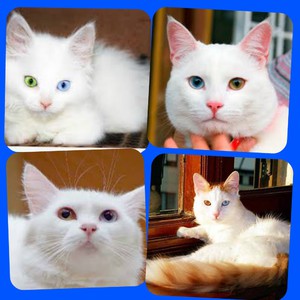 The animal's head is medium to large, wide and long, wedge-shaped, with rounded contours and high cheekbones. The forehead and chin are rounded, and the muzzle is rounded, with a pronounced but not sharp pinch.
Animal character
Owners of these cats note the following qualities in them:
- mind;
- loyalty;
- attachment;
- displays of affection;
- activity.
Cats have very strong legs, allowing them to climb even the tallest cabinets. They love to choose comfortable spots at the top of rooms and observe what's going on from there.
Van kittens are known for their playfulness, although such spontaneity and activity is also typical of older representatives of this breed. They they like to grab things on the fly objects and toys, tumble on the floor, and run around a lot. Turkish Vans also love water and can swim for long periods. They are also excellent natural hunters.
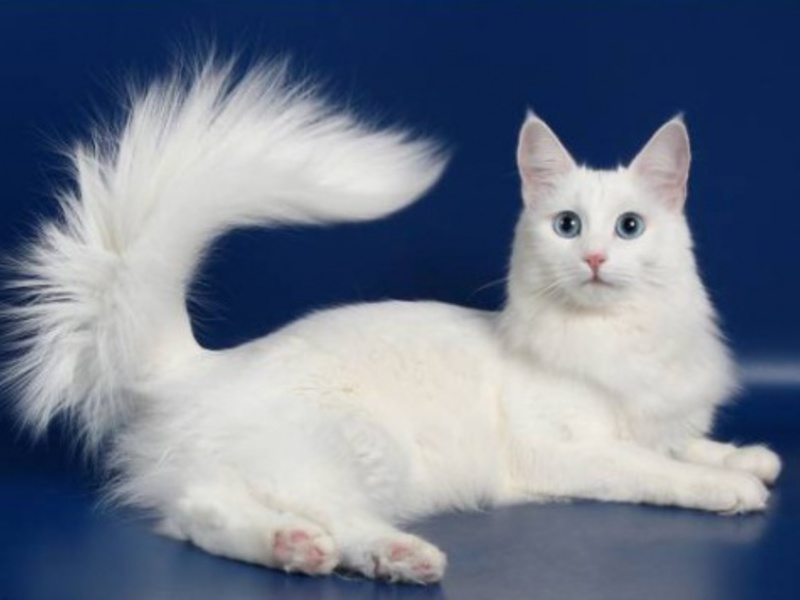
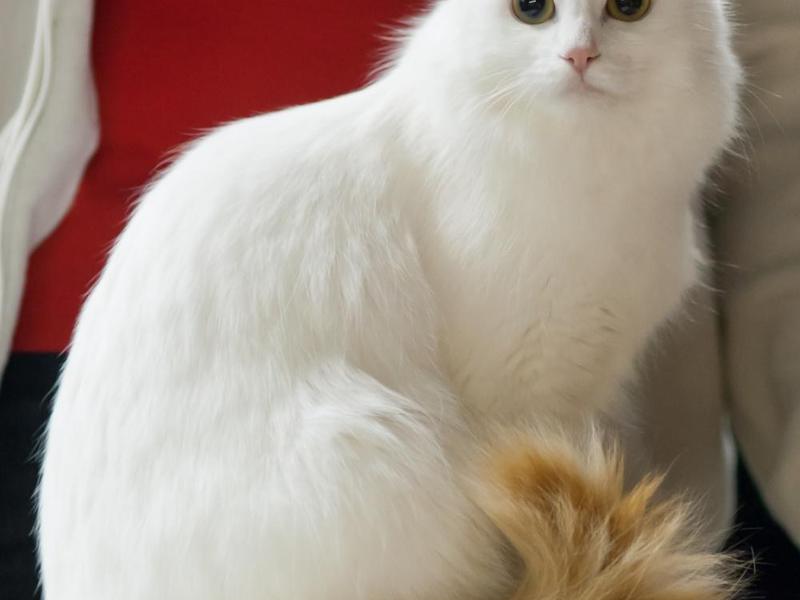
These animals are very curious and enjoy social interaction, including with other pets. However, Turkish Vans like to be aware of such situations. their superiority, and will do everything they can to focus their owners' attention on them. They will be constantly in your sight.
Cats not only love to be active and play, they also have a penchant for more intellectual entertainment. For example, they are ready to learn more serious thingsFor example, they can bring their owner slippers and other items when needed. Van cats are known for their loyalty, persistence, and intelligence.
They are quite demanding when it comes to interaction with their owners. Vans want to be spoken to loudly and for long periods of time, as if they were an equal. Also, if they become very attached to one owner, it can be extremely difficult for them to adjust to a new one.
Turkish Van Care and Health
 The average lifespan of a Van cat is about fifteen years. Representatives of this breed are generally healthy. However, certain illnesses can occur in some cases, particularly cardiac hypertrophic cardiomyopathy. cat breeds suffer from this disease Because it is passed down to them through inheritance. However, this is extremely rare among Turkish Vans.
The Van cat is very active, so if you notice your pet is lethargic or tired, it's a good idea to take them to a vet. Maintaining a Van cat's health requires a healthy, nutritious diet that includes carbohydrates and protein.
Turkish Vans have a coat that is very easy to care for. This breed has no undercoat, so They need to be combed at most once a weekCats also don't need regular or frequent bathing, unless they want to take a bath or swim in a pond. Their ears should be cleaned as they become dirty.
Turkish Vans are prone to periodontal disease, and to prevent it, you need to brush your pet's teeth. This should be done once a week, or at least once a monthIf the owners are unable to do this, the animal is taken to a veterinarian for this procedure.
The Van cat's long fur will not get dirty if you carefully keep its litter box clean.
In general, caring for Vans is very simple, considering that these cats are characterized by excellent health. They have no genetic diseases that many other breeds are susceptible to, then you need to regularly visit the doctor and give the animal the necessary vaccinations.
Keep a close eye on your pet and don't remain indifferent to him.
Van cat coloring characteristics
 The Turkish Van can be unmistakably recognized by the colored markings on its white coat. These markings can be of any color.classic color or pattern, particularly tabby. The markings located on the tips of the tail may have white dots.
The colored portion of the coat may cover the cat's tail and head, but no more than 20 percent of its surface. If the cat has a tabby pattern, the tail will be ringed with stripes, where the color on top will be brighter. In some cases,There are also color prints on the animal's left shoulder.Turkish legend says that this is God's mark, which blessed the cat to fight the mice that had perforated Noah's Ark at the instigation of evil spirits.
The markings most often have the following shades:
- cream;
- cakes;
- ginger;
- blue;
- black.
The breed's characteristics are such that completely white fur is also permitted in Turkish Vans; this is called "van kedisi," when there is not a single mark or pattern of a different shade on the animal's body.
The paw pads and nose of all representatives of the breed are usually pink.
Average price of a Van cat
Since the Turkish Van is a relatively rare cat breed, the price won't be low. In rubles, the price starts at 7,000 rubles and will rise depending on the following factors:
- gender;
- external features of the cat;
- documents for the animal.
How to buy a Van cat?
 However, even if you have the money to buy a Turkish Van, buying one in Russia, Ukraine, or Belarus won't be easy. For example, in Russia, there's only one cattery in Moscow where you can buy one. find representatives of this breedWhile they aren't available in Ukraine or Belarus, you can still find the cat you want through private ads. In such cases, you should carefully double-check the seller's information to ensure they're not a scammer.
You can also buy an animal in its historical homeland of Turkey, but in this case, you may encounter problems when exporting it; you will need to obtain a special permit.
Today, Van cat lovers are becoming increasingly popular all over the world. These animals are very attractive, easy to care for, and have a wonderful characterOf course, the purchase will be expensive, both financially and in terms of other red tape, but in return you will get your long-awaited furry pet.
 Paul
Paul
1 comment