The Snowshoe is a hybrid cat breed created by crossing classic-colored Siamese with bicolor American Shorthairs. The name translates from English as "snow shoe," and it's no coincidence that these cats received it. They have distinctive white markings on their paws. Snowshoes are only just gaining popularity and are most common in the United States and England.
Content
Historical background
The first kittens with unusual markings were born in Philadelphia in the mid-20th century. They were born to a Siamese female cat and an American Shorthair male. Breeder Dorothy Hinds-Dougherty decided to continue crossing these breeds, but was unable to achieve the desired results. She then mated a seal-pointed Siamese female with a non-pointed male, and finally, she again produced kittens with white "socks." However, experts considered these offspring "deficient" Siamese and did not recognize them as a distinct breed.
For many years, breeders and selectionists have been working to have an official breed standard drawn up. This event took place only in 1993, when Snowshoe received the champion status of the International Cat Association and was recognized by almost all renowned felinological organizations.
To this day, breeders in the United States and England continue to refine the cat's appearance. Breeders strive to reduce the cat's size and make its eyes more expressive.
Description and standard
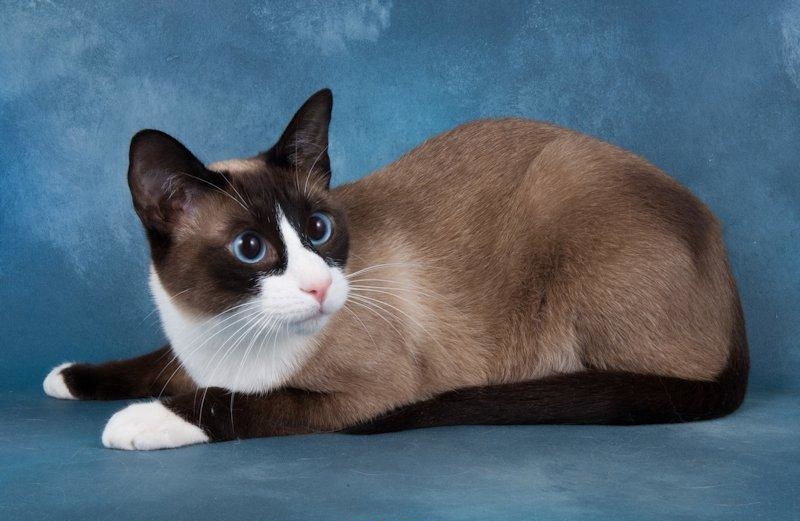
Snowshoes are quite graceful, despite their muscular and powerful bodies. Their weight varies depending on gender, but ranges from 2.5 to 6.5 kg. Females tend to be smaller and lighter than males. Body structure should be an average between the Siamese and American Shorthair.
Breed standard:
- The body is rectangular. The neck is short and flexible, and the chest is fairly wide.
- The limbs are strong and moderately thick. The hind legs are slightly longer than the front legs.
- The head is triangular with pronounced rounding. A muzzle that is too pointed or too blunt is a fault in the breed. The forehead is flat and broad, the cheekbones are high. The cheeks and nasal pad are thick, and the chin is strong.
- The eyes are slightly slanted and almond-shaped. The irises should definitely be blue, and the richer the shade, the better.
- The ears are large or medium in size, set low and covered with hair.
- The coat is dense, short, and lies close to the body. The undercoat is moderately developed or absent. Adults have folds on the neck and under the cheeks where the fur is fluffier.
- The tail is flexible and proportionate in length to the body.
Much attention is paid to the coat color of the Snowshoe. A purebred specimen should exhibit the following distinguishing characteristics:
- inverted white V-shaped marking on the muzzle;
- snow-white "socks" that should reach the wrist on the front legs and the ankle on the hind legs;
- color characteristic of Siamese.
There are 3 types of snowshoe color:
| Color type | Description | Photo |
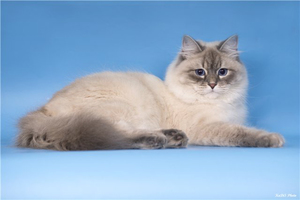
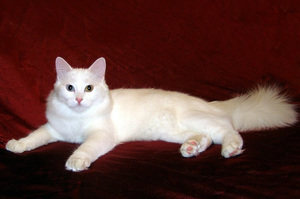
| Seal point | The body has dark markings. Their shade can vary from beige to brown. This color type is considered classic and the most common. | 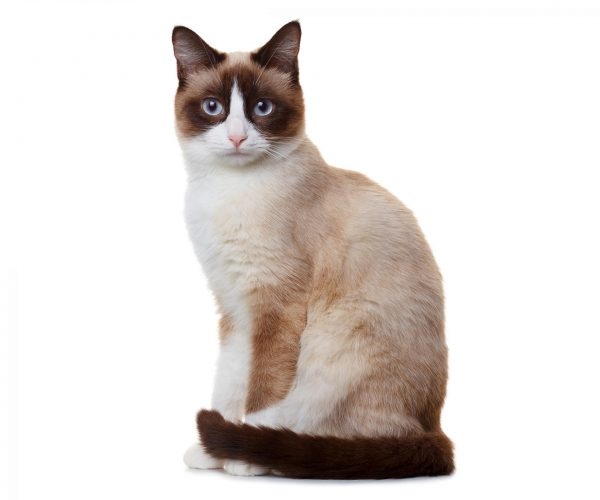 |
| Blue Point | The markings on the body should be a blue-gray color, and the base color of the coat should be light. Cats with this coloring are quite rare. | 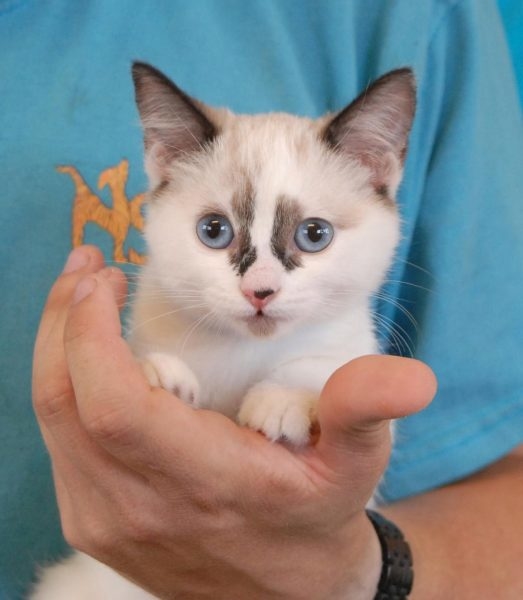 |
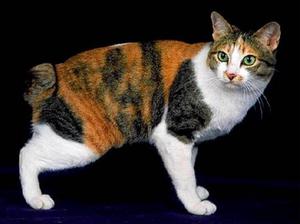
| Tortoiseshell | This color is a variety of seal point. It is a combination of three shades: chocolate, white, and light brown. | 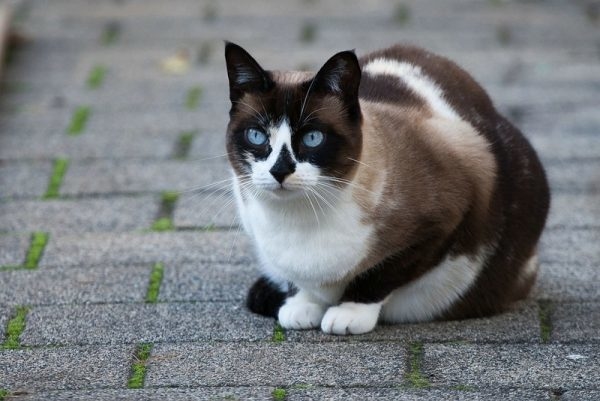 |
Character
Snowshoe is a friendly and sociable cat. She easily gets along with everyone in the household and loves spending time with them. These charming pets love to play with children and get along well with other pets, including dogs. These kind and affectionate cats often choose their owner from among family members, and often this owner is a child.
Snowshoes have a very pleasant, melodic voice, which they use to communicate with their family members. This breed of cat doesn't tolerate loneliness well, and if their owner is forced to leave them in an empty apartment for an extended period, it's advisable to get another pet to keep them from getting bored.
They are inquisitive and intelligent. They easily remember the location of objects in the house, explore their surroundings, and observe their owner's actions from atop a cabinet. An unusual characteristic of this cat is its adoration of water and loves to bathe.
Advantages and disadvantages of the breed
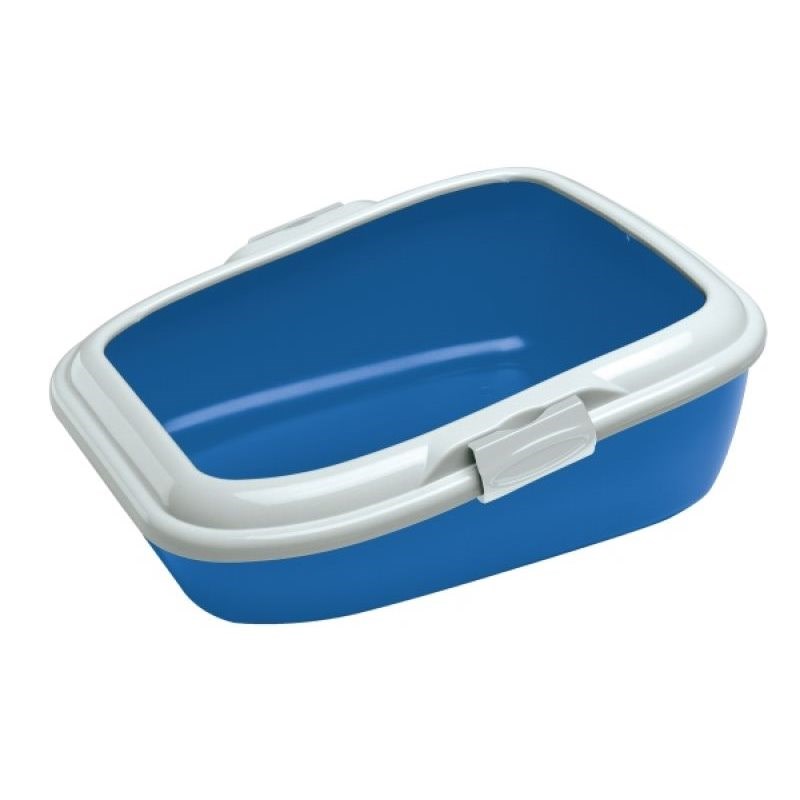
It's recommended to purchase a litter box with high sides to prevent the contents from spilling onto the floor when burying. The litter should be chosen based on your pet's preferences. But kittens need specialized "baby products," which can be replaced over time with a regular mixture with large or medium granules.
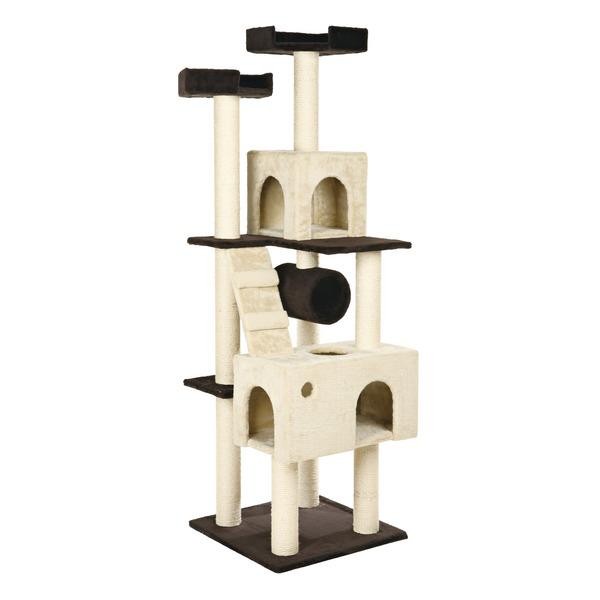
Instead of a bed, it's recommended to purchase a house with a scratching post, as Snowshoes love to climb high objects and will prefer this type of sleeping area. It's not recommended to place it near a heating device, as the dry, warm air will dry out the cat's coat.
Care Features
The owner will need to create a balanced diet for the pet and regularly carry out the following procedures:
- clean the cat's ears, teeth and eyes;
- bathe an animal;
- trim the claws;
- comb out the wool.
Grooming a Snowshoe is fairly simple. However, if desired, certain procedures, such as teeth cleaning and nail trimming, can be performed at a veterinary clinic or by a professional groomer.
Grooming
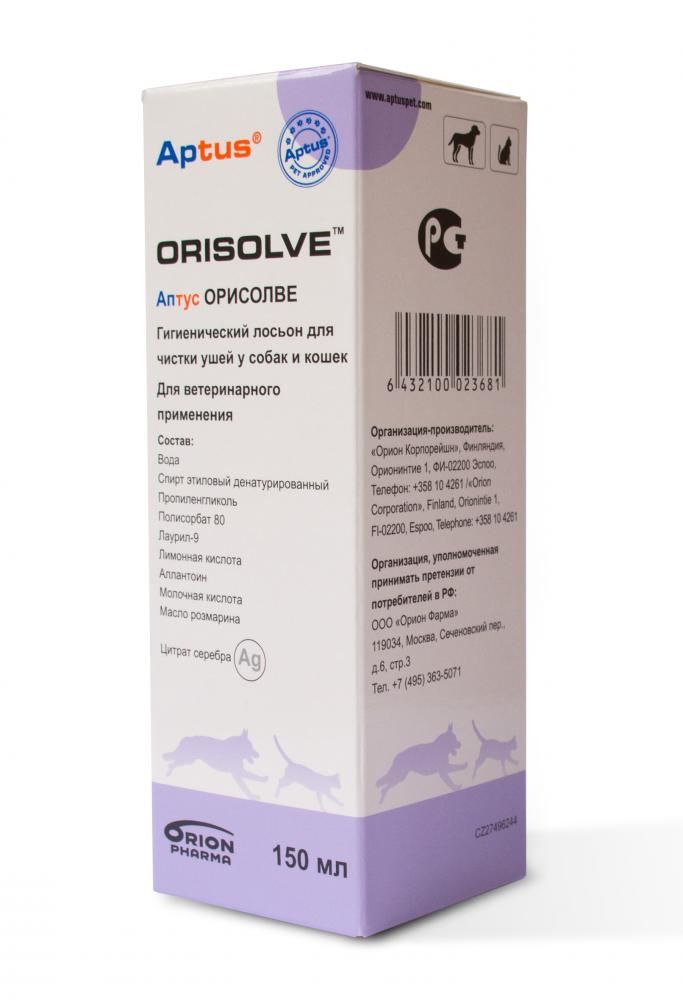
Ears should be cleaned once a week using cotton swabs soaked in a specialized lotion. Eyes should be cleaned as needed when discharge accumulates in the corners. Cotton pads can be used to clean them.
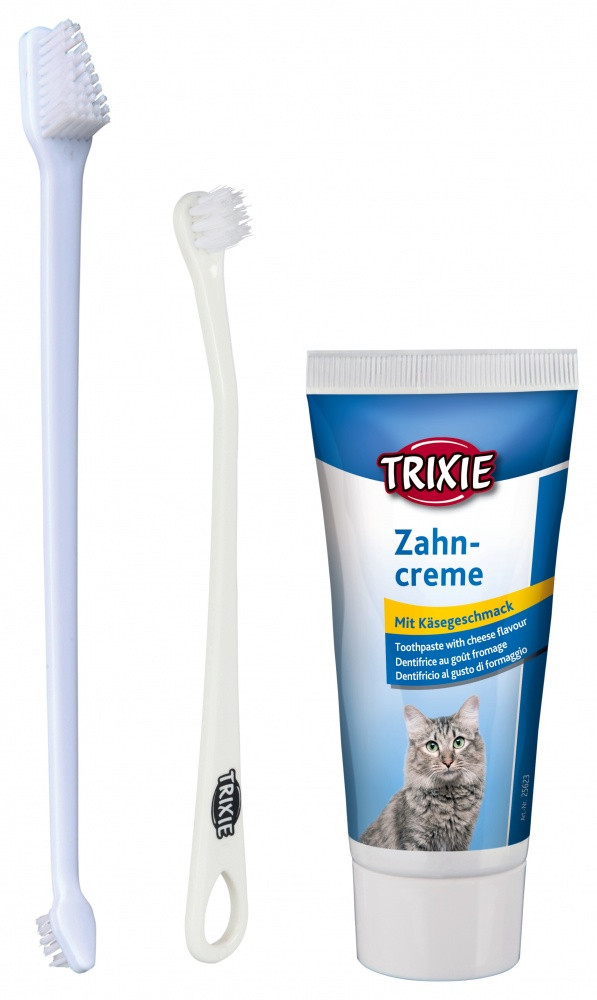
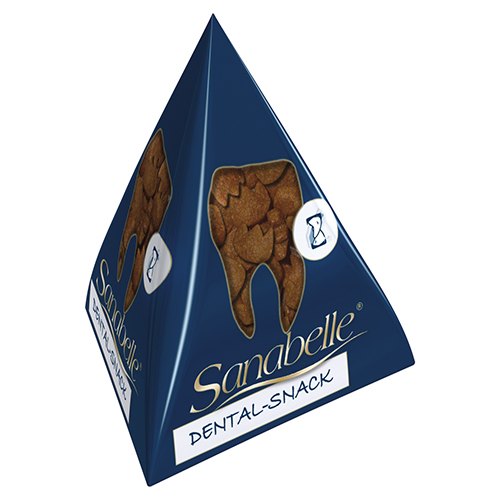
Your pet's teeth should be brushed at least once a month with a special toothpaste and toothbrush. These can be purchased at a pet store or veterinary pharmacy. To prevent tartar buildup, consider buying your cat treats.
Nails should be trimmed every two weeks. Use a small nail clipper. Trim only the clear tip of the nail, being careful not to cut the blood vessel. Brushing with a pin brush once or twice a week is recommended.
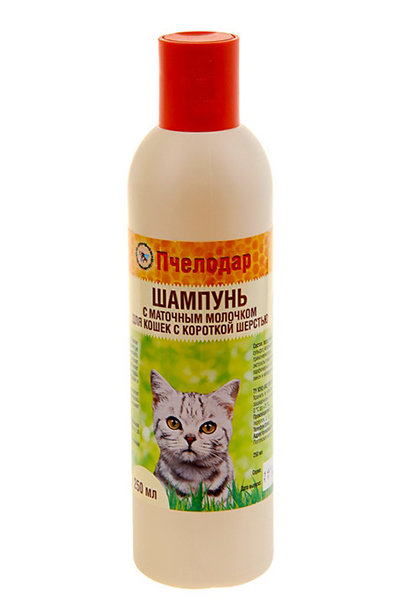
Snowshoes should be bathed as needed. It is not recommended to use human shampoos for water treatments, as these products can cause an allergic reaction in the animal. It is necessary to purchase specialized products for short-haired cats for your four-legged pet.
Diet planning
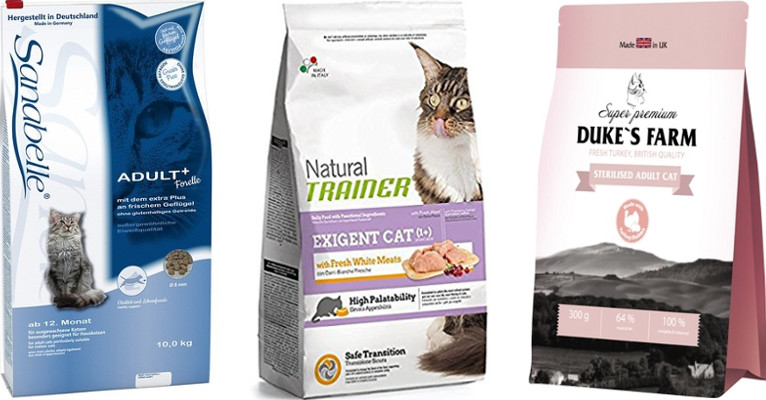
An adult cat requires two meals a day. You can feed it either natural food or commercial food. In the latter case, dry food is preferable, but canned food can also be given occasionally. PYou should only buy premium products, since economy-class products do not contain sufficient amounts of microelements and vitamins necessary for a cat's body.
Snowshoes should always have a bowl filled with filtered water available for free access.
When feeding a natural diet, it's recommended to include vitamin and mineral supplements in your cat's diet. Don't try to select these yourself; consult your veterinarian for assistance.
List of prohibited and permitted foods and dishes when feeding natural food:
| Permitted | Prohibited |
| Lean meat (veal, turkey, chicken, boiled or frozen) | Pork |
| Chicken and turkey offal (heart, gizzards, necks) | Smoked meats and sausages |
| Sea fish without bones and fins (can be given in small amounts and no more than twice a week) | River fish |
| Vegetables (can be served as a side dish with meat and offal) | Potato |
| Any non-exotic fruits (can be given occasionally as a treat) | Salty, fatty and fried foods |
| Cereals (buckwheat, rice, semolina, oatmeal) | Sweets |
| Low-fat fermented milk products (sour cream, natural yogurt, cottage cheese) | Milk (not digestible by an adult cat's body) |
Porridge should be cooked in water and served as a side dish with meat. Salt, pepper, and any spices should not be added to the dishes. Feeding your pet from the owner's table is also prohibited.
Health
Representatives of this breed are distinguished by a strong immune system, inherited from American Shorthair cats. However, Snowshoes, like their Siamese relatives, sometimes suffer from congenital tail defects and crossed eyes.
The most vulnerable area is the teeth. To prevent tartar and periodontal disease, they need to be brushed regularly, and your pet needs preventative veterinary care.
It's important to ensure your cat doesn't get too cold, otherwise it will catch a cold. Vaccinations and deworming should also be kept up to date. To prevent fleas and ticks from appearing on your cat, it is advisable to purchase a special collar or spray that repels insects.
The average life expectancy of representatives of this breed is 14-18 years.
Breeding
When breeding Snowshoes, choosing the right mate can be challenging. The difficulty is that cats with perfect markings are extremely rare, and up to 70% of litters are "defective." To ensure that at least one kitten in seven has the characteristic "socks," it is recommended to adhere to the following guidelines:
- If the cat has unclear markings on its face, then you need to choose a cat with pronounced spots;
- If the female's paws are short, then she should be matched with a partner with long ones.
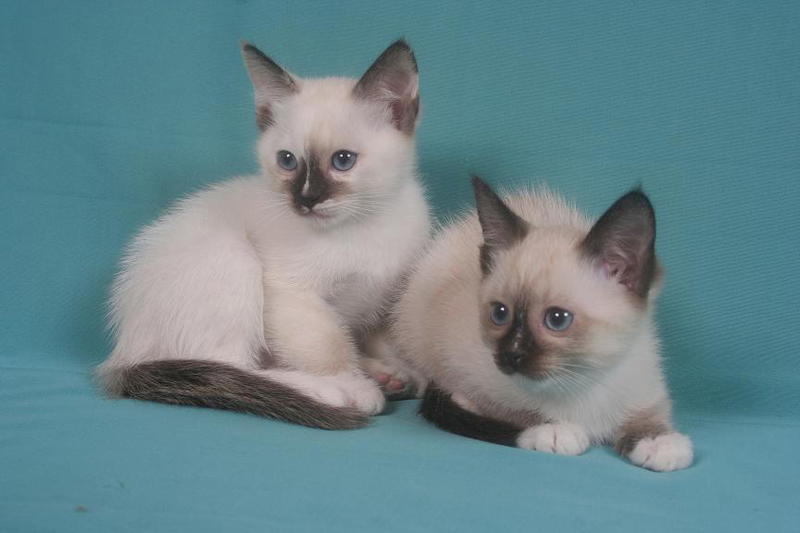
Mating is carried out from the 2nd or 3rd heat. Typically, a litter contains 3 to 7 kittens, which are divided into classes a month after birth:
- "Pat". Kittens of this class are suitable for keeping in a house, but they are not allowed for further breeding.
- "Brid". The babies are well suited for breeding, but not for participation in competitions.
- "Show". The cubs have ideal coloring and can participate in exhibitions.
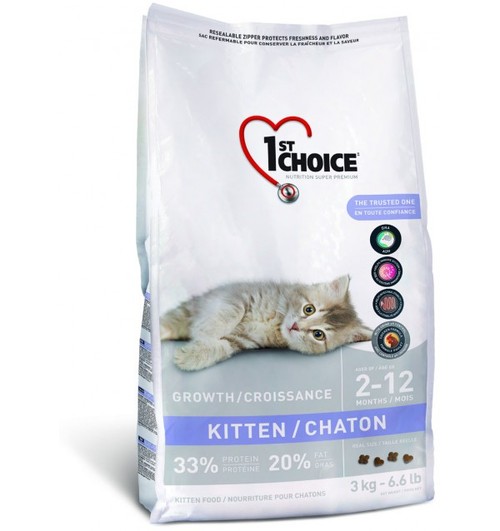
Kittens require proper care. They should be fed 4-5 times a day until they are six months old, gradually reducing the number of feedings to 3-4 times a day, and by the time they are one year old, to 2 times a day.
Nickname ideas
The following beautiful nicknames are suitable for cats with white paws:
- Jessie;
- Mia;
- Nora;
- Lime;
- Snowball.
Boys may benefit from names such as:
- Prince;
- Kevin;
- Jackie;
- Sapphire.
Snowshoe cats make excellent pets, boasting not only an attractive appearance but also an ideal temperament and robust health. However, finding these cats in Russian catteries is quite difficult, and when purchasing one, you should ask the breeder for a complete set of documents to avoid buying a common, non-pedigree kitten for a large sum.