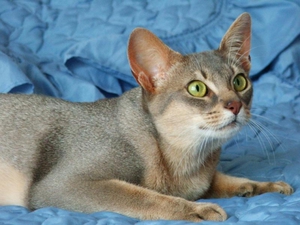
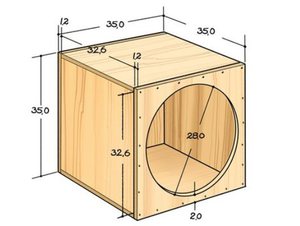
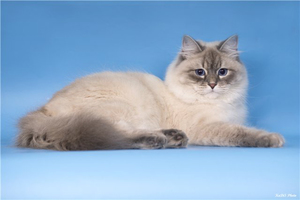
Cats are curious creatures. When you first unpack a package and leave it unattended, they'll always check what's inside. And once they realize the box is big enough, they'll immediately curl up in the tight space.
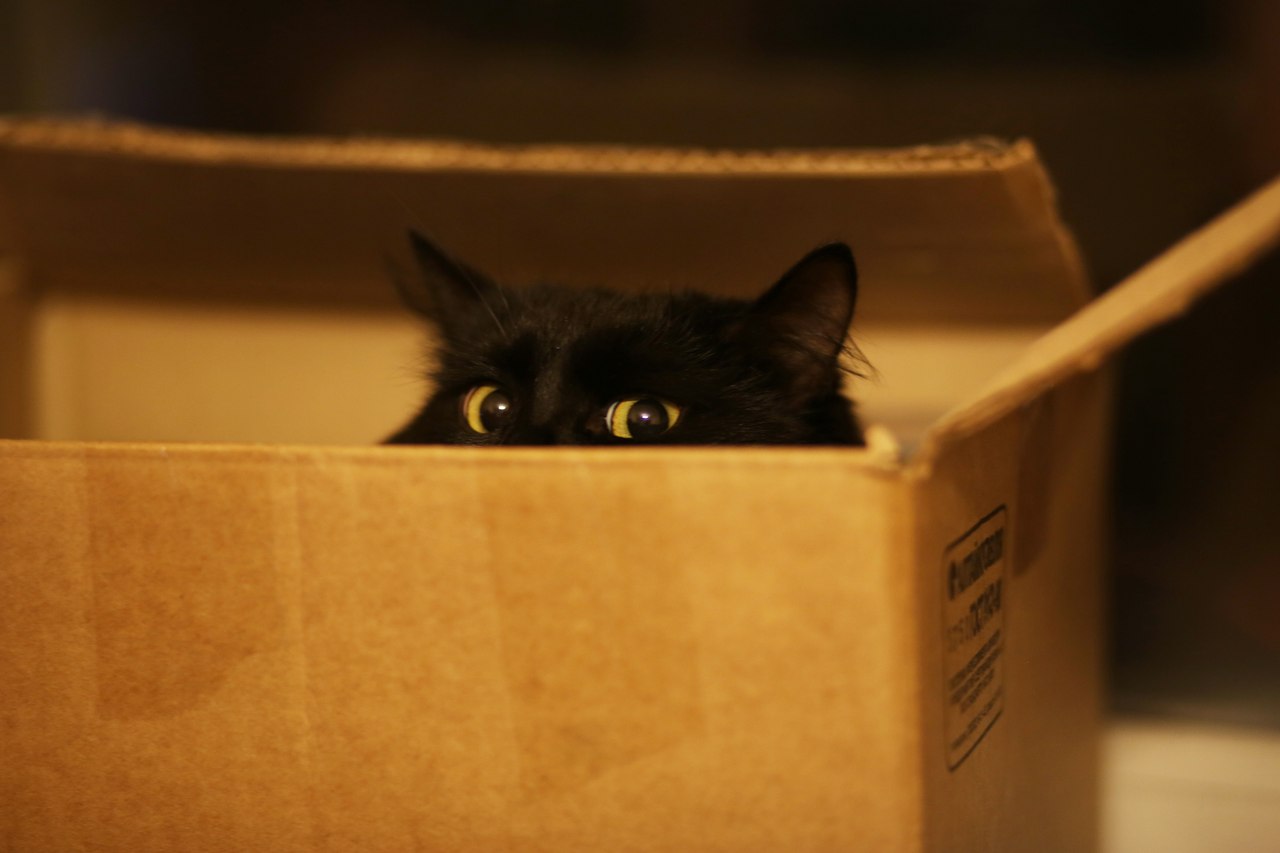
Feeling of security
It may seem strange to you that your cat often crawls into boxes, laundry baskets, and bags, but this is instinctive behavior. There are several theories about why cats love boxes and other confined spaces, but the most common explanation is that they feel secure in a box.
Cats are naturally predatory and mysterious animals. The instincts of their wild relatives have been preserved in our domesticated pets. If an animal lives in the wild, it seeks out confined spaces where it can hide from predators and also use them as cover while waiting for prey. These furry friends perceive a cardboard box as a shelter similar to a den or cave, where they feel safe because other animals or predators cannot approach them from behind or from the side and attack unexpectedly.
Cats prefer to hunt from ambush, remaining unnoticed, observing their surroundings to spot threats, and often stalking potential prey. They also sleep 18-20 hours a day and require a quiet, calm place to rest.
Cardboard boxes or any other small, confined space are ideal for these purposes because they give your pets a sense of superiority, dominance, and security. Have you ever noticed how they love to suddenly leap out from their hiding place, grab the legs of anyone passing by, and then run back to where they feel safe? Cats behave just like they would in the wild, simply following their instincts.
Features of heat exchange in cats
Cats also love boxes because they find them comfortable. Boxes help them regulate their body temperature. The average body temperature for cats is 37.2-38.8 degrees Celsius.
For most people, a comfortable home temperature of 22 degrees Celsius (72 degrees Fahrenheit) is not enough for our furry friends. The thermoneutral zone for domestic cats is between 30 and 36 degrees Celsius (86 to 96 degrees Fahrenheit). This is the temperature range in which cats are comfortable and do not need to generate additional heat to stay warm or expend metabolic energy to cool down.
For a cat, a comfortable temperature is 10 degrees higher than for humans, and this explains why it is not uncommon to see an animal stretched out on hot asphalt on a sunny summer day, absorbing the sun's heat.
Small, enclosed spaces like cardboard boxes provide thermal insulation, allowing your furry pet to rest in warmth and safety. Unless they're basking in the sun or lying on freshly washed sheets, you're sure to find them curled up in a box.
Shelter from problems
We often talk to our furry companions and are confident they understand us. But cats, by nature, are unable to talk, ask questions, or discuss their problems with us. They tend to retreat into their comfort zone, avoiding conflict.
People try to solve their problems rather than run away from them, but for cats, escaping to a safe place gives them much-needed time to "cool down." In the box, in this happy and calm place, their anger and anxiety quickly dissipate. Instead of developing a problem-solving strategy, which is more typical of herd animals, cats are more likely to avoid them altogether, simply running away, or reducing their activity. The box, in this sense, often represents a safe zone, a place where sources of anxiety, hostility, and unwanted attention simply disappear.
When a cat is overexcited, tired, or simply in need of a rest, a simple cardboard box gives them a chance to recharge. After a while, they'll be ready to go out, play, and have fun again. A box is a kind of meditation zone for a cat. Animals, especially those recently settled in a new, unfamiliar environment, often feel stressed and overwhelmed. A box helps them find some peace and a break from the hustle and bustle. So give your cat a cardboard box—they'll undoubtedly appreciate it.
Researchers conducted an experiment with two groups of cats placed in an unfamiliar space. One group was provided with hiding places, while the other group was deprived of these completely. They found a significant difference in stress levels between the cats with boxes and those without. In fact, the cats with boxes acclimated to the new environment more quickly, were initially significantly less tense, and were more interested in interactions. The first reaction of almost all cats to a stressful situation is to flee and hide—a behavioral strategy common to the species for coping with environmental changes and stress.
Being confined to boxes also helps reduce stress and lower harmful hormone levels. Cats who were confined to boxes were found to be happier and calmer. Stress in cats can lead to behavioral problems, such as urinating outside the litter box, digestive difficulties, depression, and aggression. If a simple box can help prevent these problems, it's worth giving it to your furry friend! But if your cat starts spending too much time in isolation, be sure to show them some love and attention so they know the outside world isn't such a bad place.
Pet lovers debate which is smarter, a cat or a dog? People agree that cats' behavior is difficult to understand. But everyone knows there's one thing these furry friends definitely love: cardboard boxes!