Cats are beloved pets by countless people. Any cat owner will cite the many benefits of owning a cat. Cats with different-colored eyes, or heterochromia, are believed to bring good luck to their owners.
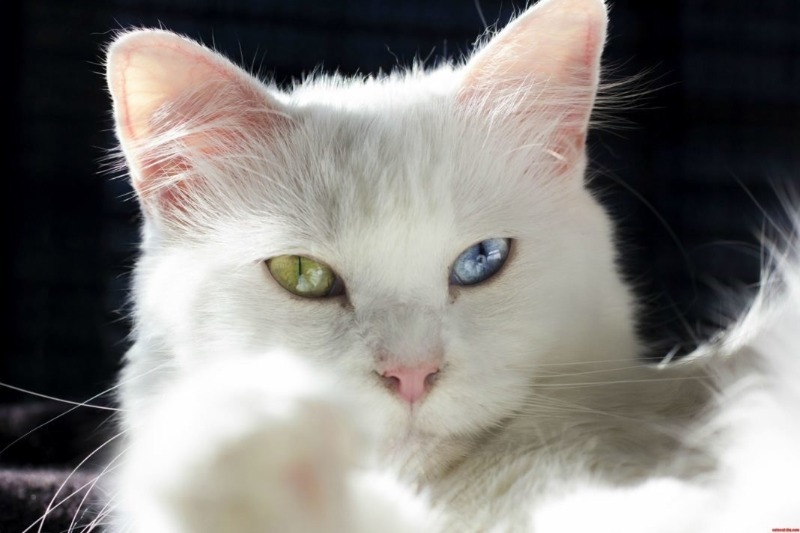
What is heterochromia?
This is a different color of the iris in the right and left eyes, or different coloring of certain areas of the iris in one eye. Translated from Greek, "heteros" means "different" and "chroma" means "color." This is not unique to cats. Heterochromia occurs not only in cats, but also in other animal species and even humans.
Cats with different eye colors were encountered as early as the Middle Ages. Heterochromia is more common in white cats than in other colorings. Animals with complete heterochromia are also more common than those with only part of the eye a different color.
Why does a cat have different eye colors?
Heterochromia can be congenital or acquired. It can be caused by a genetic abnormality, injury, disease, or inflammation. Contrary to popular belief, cats' vision is not affected. Cats with this abnormality often experience deafness, as well as unilateral hearing loss. However, not all white cats should be considered deaf. In the case of pedigree cats, individuals with this condition are eliminated from the breeding program. If heterochromia is congenital, it is not a medical condition.
Which cat breeds are most likely to have heterochromia?
There are many similar breeds. But they all have one thing in common: a predominance of white in their fur.
Kao-mani
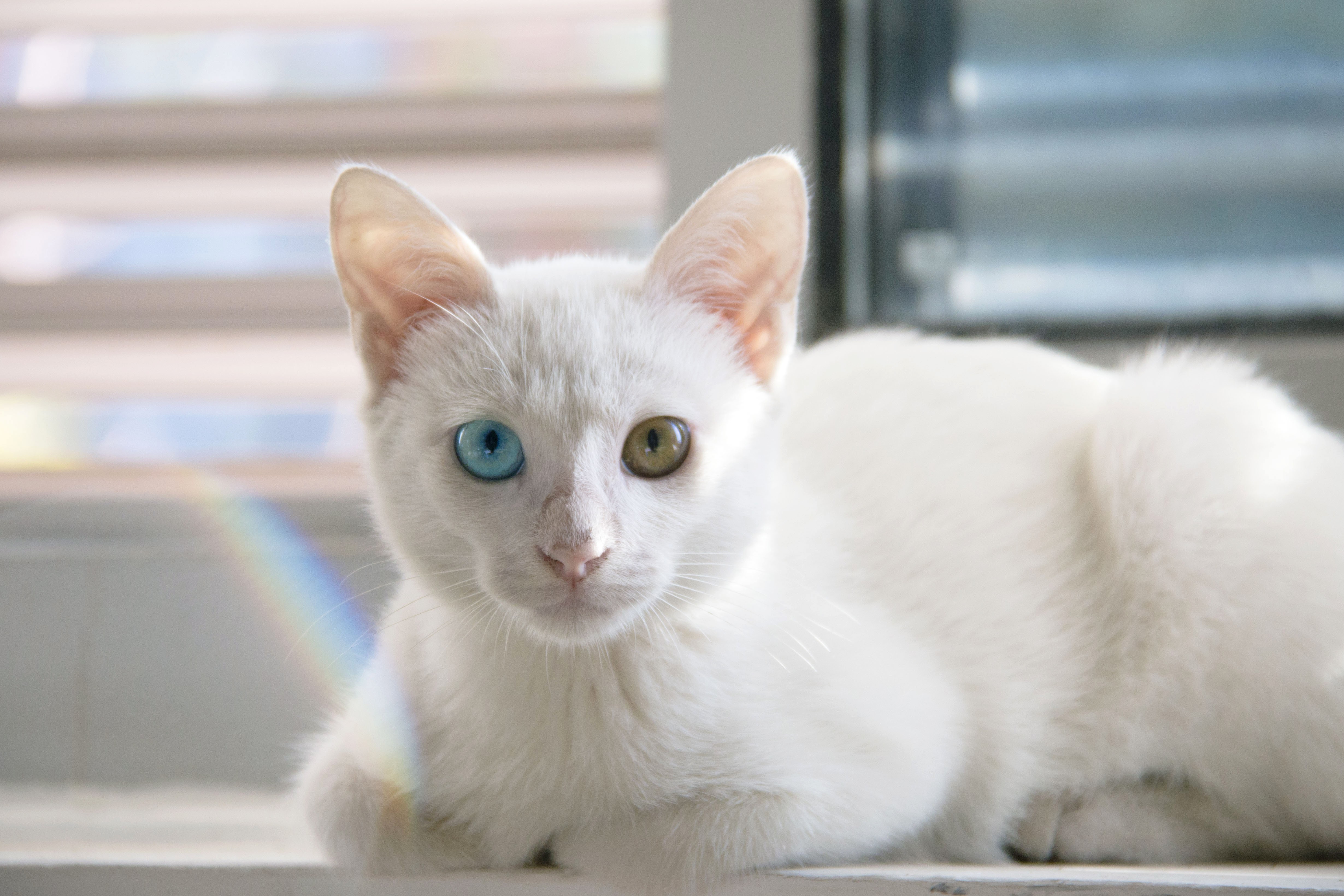
This breed is an exception to all the rules. This trait is quite rare in this breed. They are simply charming in nature, lively, easygoing, and easily mingle with everyone. Cats of this breed are very rare and considered a national treasure of Thailand.
Turkish Angora
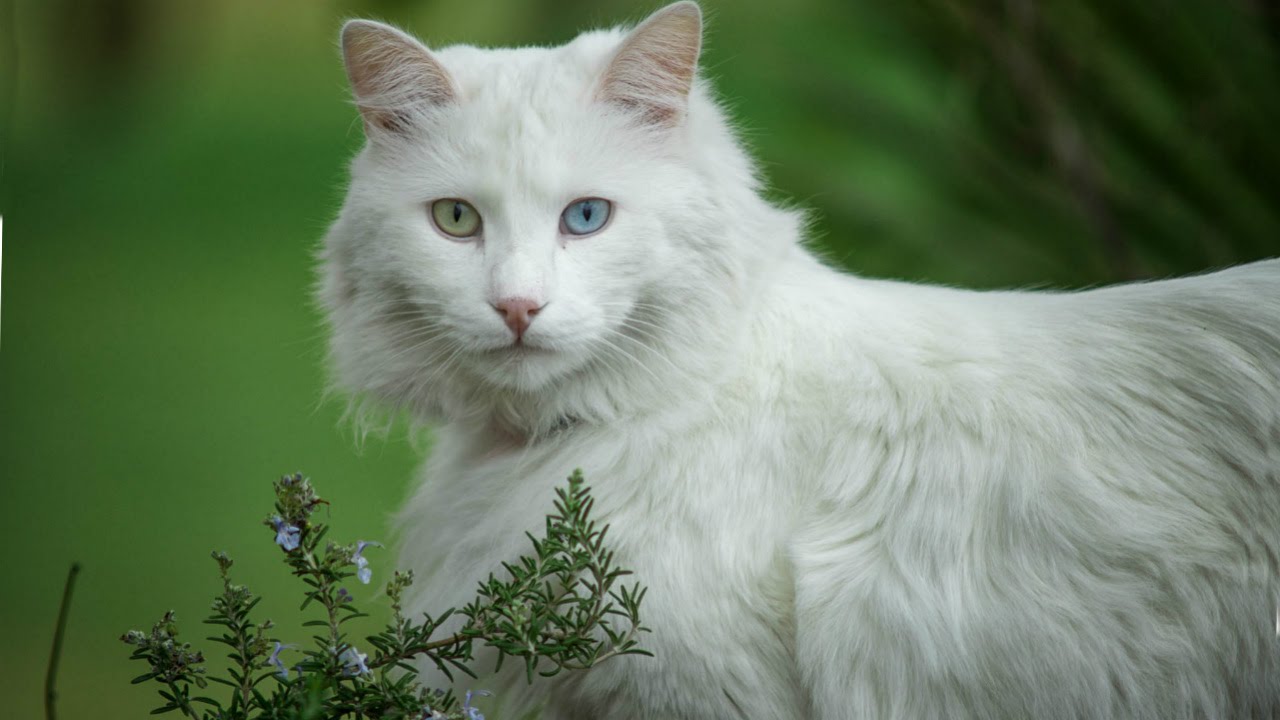
Cats of this breed are inquisitive and active, graceful and elegant, affectionate, and love attention. They are considered the best cat breed for single people, as they feel much more comfortable alone with their owner.
Exotic
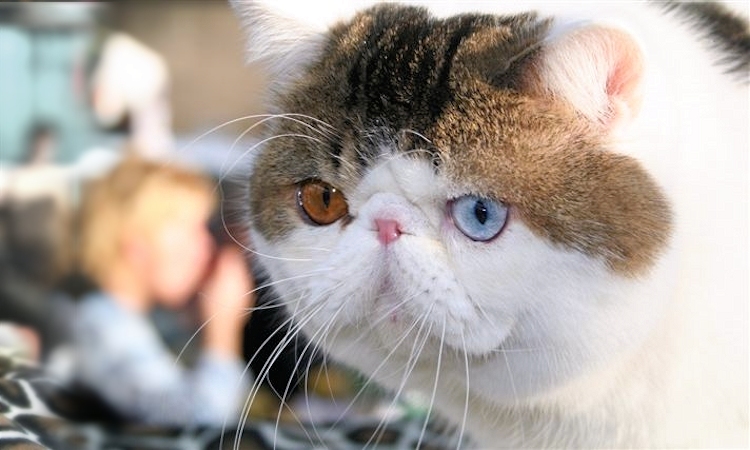
The Exotic Shorthair cat breed was bred in the United States in the 1960s. Cats of this breed have plush fur, and their coloring ranges from white to jet-black. They are affectionate and gentle by nature, and are very loyal to their nature.
Persian
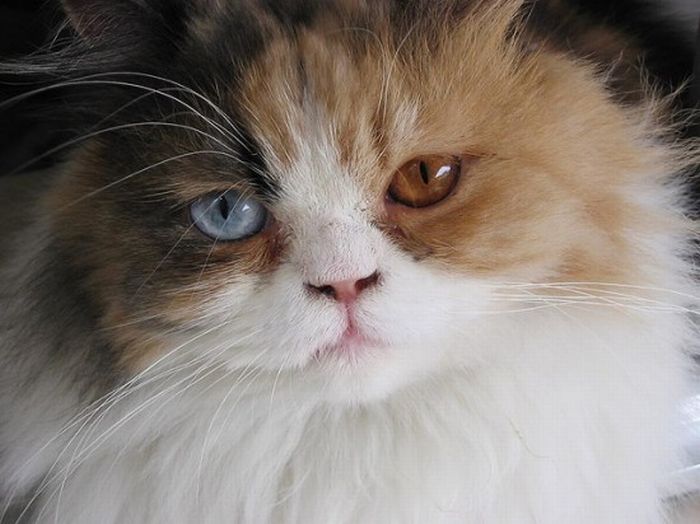
Cats of this breed are even-tempered, but willful and stubborn. They aren't afraid of children, but they don't show affection for them either. They aren't prone to aggression and don't allow strangers or anyone they don't like to approach them.
Turkish Van
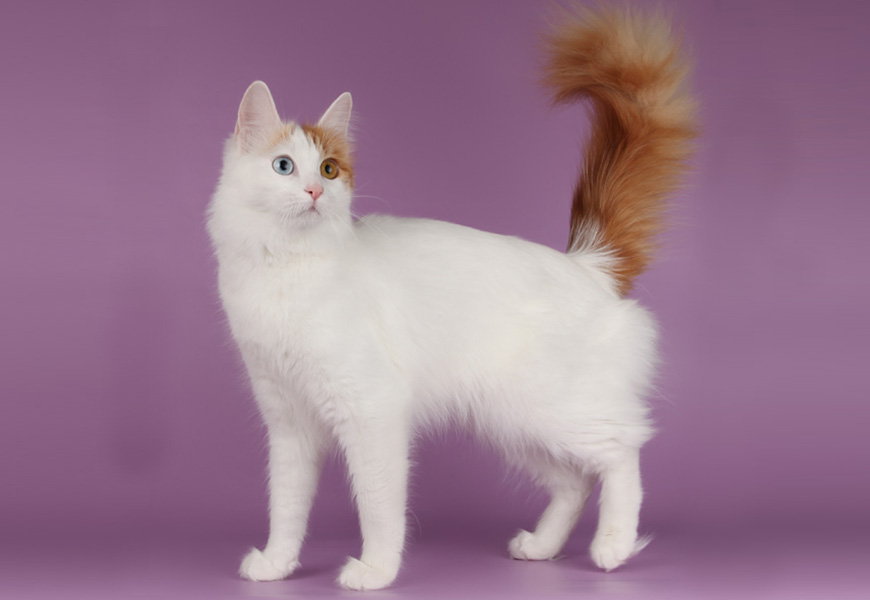
Cats of this breed are loving, affectionate, and loyal. A distinctive feature of this breed is that they enjoy playing in water and are also excellent swimmers. A distinctive feature is the different-colored spots on their head and tail.
Oriental
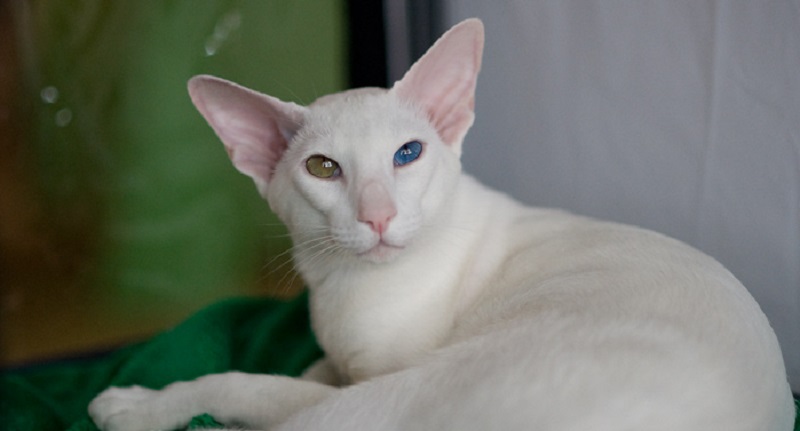
Representatives of this breed are sociable, intelligent, and energetic. They love being the center of attention and don't take kindly to being ignored. If this happens, they will do everything they can to regain attention, fully engaging in their owner's activities.
British and Scots
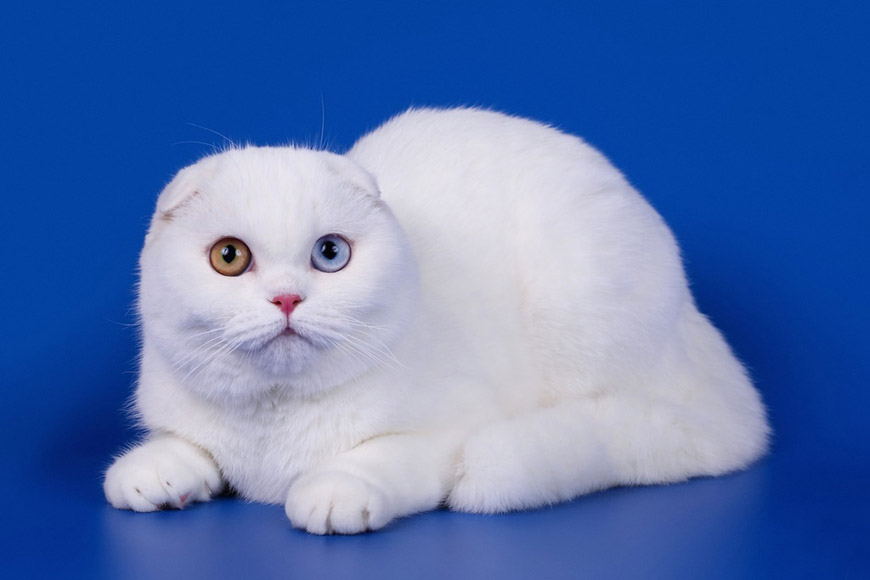
One of the most widespread breeds in the world, they have a calm nature and are very attached to people. These cat breeds differ in the structure of their ears, paws, and tail. Although at first glance, representatives of both breeds appear similar.
Sphinxes
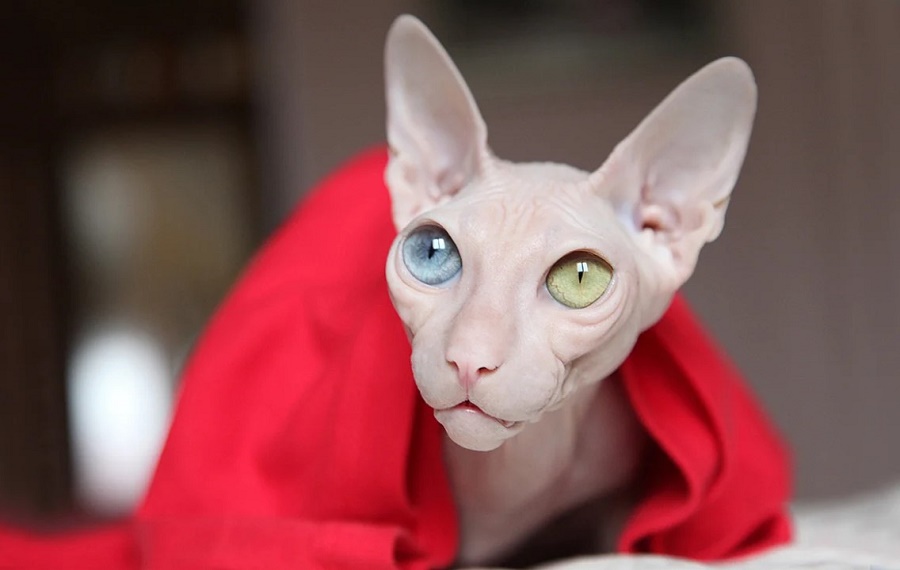
Sphynxes are among the friendliest and most loyal cats in the world. Cats of this breed don't hold grudges, but they are very sensitive. They become offended if their owner doesn't give them the attention they deserve.
Heterochromia occurs in various cat breeds worldwide. It's not a disease, but rather a genetic abnormality that, in most cases, causes no discomfort to the animal.