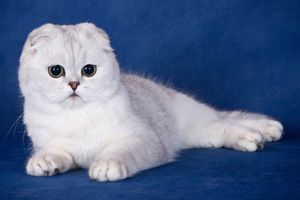
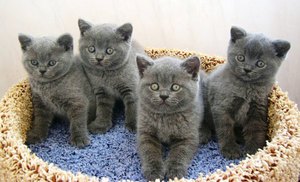
 The British Shorthair cat breed is considered one of the aristocrats of the animal world. It is powerful, self-sufficient, intelligent, and a wonderful pet. These qualities make the British Shorthair a perfect choice for owners who aren't used to being indoors all the time.
This pet easily tolerates loneliness and doesn't become homesick in the absence of its owners. They don't exhibit the habits typical of ordinary felines. They make virtually no noise, as they have a quiet, pleasant voice that they rarely speak. They don't have the habit of sharpening their claws on upholstered furniture. don't ride on curtains trying to climb the ledge in search of adventure.
Many pet lovers know that pedigree cats require special attention. In most cases, when purchasing a British Shorthair cat from a breeder, people are given recommendations on the appropriate food. But what if the cat has already arrived and the owners don't know what to feed a British Shorthair cat at home? Improper feeding or dietary disruptions can cause irreversible health problems.
Content
Basic rules for feeding a British cat
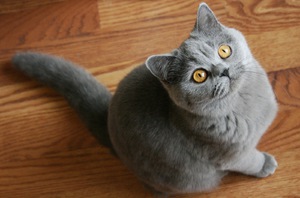 The frequency of feeding purebred cats directly depends on their age. Kittens under six months of age should be fed correctly. at least 6 times during the dayThere's no need to remove the food bowl after feeding. A young, fragile animal should always have the opportunity to replenish lost calories.
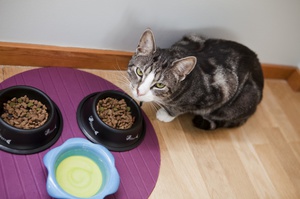
British Shorthairs over six months of age should eat no more than twice a day, in the morning and evening. After the pet eats, the food bowl is removed until the next feeding. It's important to remember that for any pet, a bowl of clean water should always be provided, changing it as it gets dirty.
But regardless of the age of your pet, there are General rules for feeding cats of all breeds:
- It is correct to feed a British cat only fresh food;
- the temperature of food should be the same as the ambient temperature in the room;
- If your pet is fed food that has been ground in a meat grinder, it should be formed into small balls;
- Cats don't really like boiled porridge or vegetables, so it's best to grate these foods and mix them with meat ingredients;
- the volume of the side dish should not exceed a quarter of the serving;
- Next to the feeding bowl there should be a cup of fresh water, purified through a filter that most people use at home;
- You should not leave food leftovers on your plate to prevent the growth of harmful bacteria and microorganisms;
- It is important to establish a regular feeding schedule at the same time that suits both the cat and its owner;
- After the British cat has eaten its fill, you should leave it alone and not try to play with it.
You can't feed your pet too much hot or, conversely, cold foodOnly through a healthy and moderate diet will a domestic cat's fur remain soft and silky.
What foods should you feed a British cat at home?
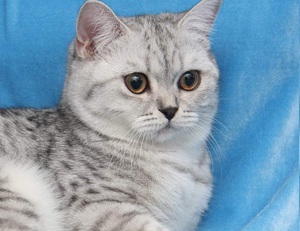 Every pet owner should understand that pedigree cats should never be fed food from the common table. If you decide to feed your cat only natural food, you need to be patient and understand that you'll have to cook separately for your British cat. An incorrect or unbalanced diet can negatively impact the health of your four-legged family member.
It is important to understand that no British cat can't live without meat productsThis food is first exposed to low temperatures in the refrigerator freezer, where the meat remains for at least two days. Thawed meat is free of harmful microorganisms or bacteria and is therefore suitable for cats to eat raw. It is preferable to choose beef that is cut with membranes and sinews. This meat can be fed daily. Veal is best avoided in domestic cats' diets, as it contains virtually no enzymatic substances.
When feeding lamb, pork, or game to your cat, it must be cooked thoroughly. Otherwise, your cat may become infected with helminths or more serious parasites. The British also like offal. - Kidneys, liver, heart, or lungs, cut into pieces. This meat product should not be cut too finely, to prevent the pet from swallowing it without chewing it. Only beef or chicken liver should be used, never pork.
Boiled fish is beneficial for the health of British cats. Raw fish is not recommended because it destroys B vitamins. Seafood is best. However, fish should not make up the majority of the cat's diet. A neutered cat should be given fish no more than once a month. Chicken should be pre-boiled and any bones removed. It's best to serve it with broth no more than 3-5 times a week.
The food of a British cat may consist of from chicken and quail yolks, both cooked and raw. You can mix egg yolks with dairy products and feed them to your pet 2-3 times a week. Whole eggs can be cooked as an omelet without added spices or salt and also fed to your British Shorthair cat. Fermented milk products can be fed separately. However, veterinarians do not recommend giving pure milk.
Using dry food for feeding
If a British cat's owner decides to feed their cat dry food, they should understand the importance of choosing the right ingredients and manufacturer. Premium food is a top priority. It's also important that the cat enjoys the food. British cats are very picky about food choicesTherefore, there's no point in buying large packages of food, even if it's the best on the pet store shelf. Start by choosing a few varieties in economical packaging and see what your cat likes.
When choosing the right type of dry food, it's also important that it's readily available, meaning you don't have to search through various stores around town to find it. Once a food has been selected, it's not recommended to switch to other types. Cats become accustomed to one type of food, and switching to a different type of diet is very difficult. If your cat eats dry food, it's important to ensure there's always a bowl of clean, fresh water near the food bowl.
Diet and feeding regimen of the British Shorthair
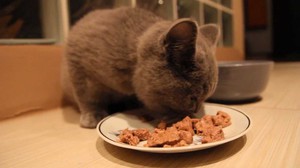 Adult British Shorthair cats should be fed no more than once a day during the summer heat, and twice a day during all other seasons. It's crucial to maintain a consistent feeding schedule.
Balanced cat food per kilogram of weight may consist of the following ingredients:
- beef – 20 g;
- soft cheeses – 10 g;
- cereals – 4 g;
- sunflower oil – 0.2 g.
By following a proper diet, a cat will live a long, healthy life, without needing to visit a veterinarian, delighting its owners with a grateful purr.
What should not be used in British cat food?
In the food of British breed cats, under no circumstances The following products should not be present:
 Fish or bird bones that can cause a pet to choke or, even worse, damage the stomach lining and cause death.
- It is not recommended to feed British Shorthairs lamb, turkey, or goose. These meats are difficult for domestic cats to digest.
- High-fat foods, as well as any smoked food, can cause all sorts of digestive upsets in cats. Their consumption often leads to various unpleasant illnesses.
- Don't indulge your pet with sweets. They weaken their immune system and cause tooth decay.
- Cats should not be fed potatoes, as the starch they contain in large quantities is completely indigestible in the animal's stomach. Consequently, this can lead to digestive problems.
- Giving British Shorthairs vitamins or medications intended for human use is strictly contraindicated. They are absolutely not intended for use in animals and can be fatal.
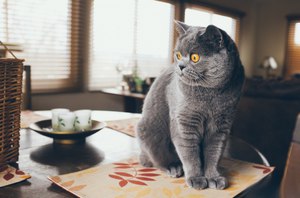 Fish or bird bones that can cause a pet to choke or, even worse, damage the stomach lining and cause death.
If follow the advice of professionals and strictly adhere to a balanced diet and feeding times, the British cat will be active, cheerful, and delight its owners with playfulness and affection.