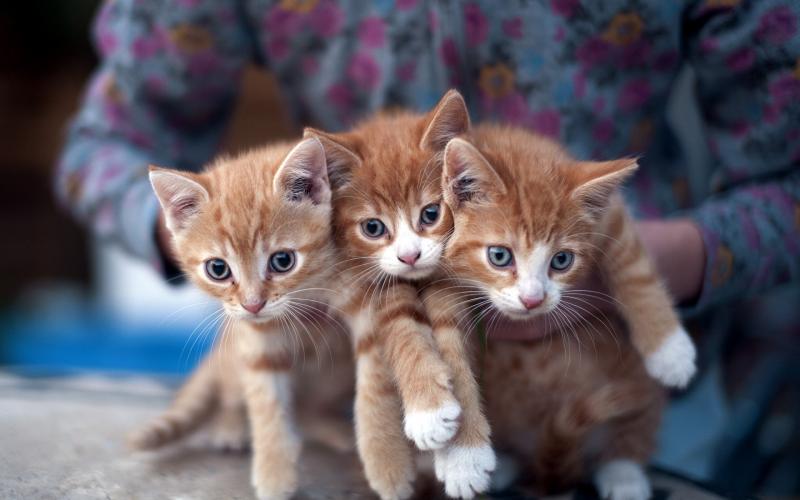
There are many ads online for purebred kittens, especially for common breeds. However, you need to choose a healthy kitten and pay a reasonable price.
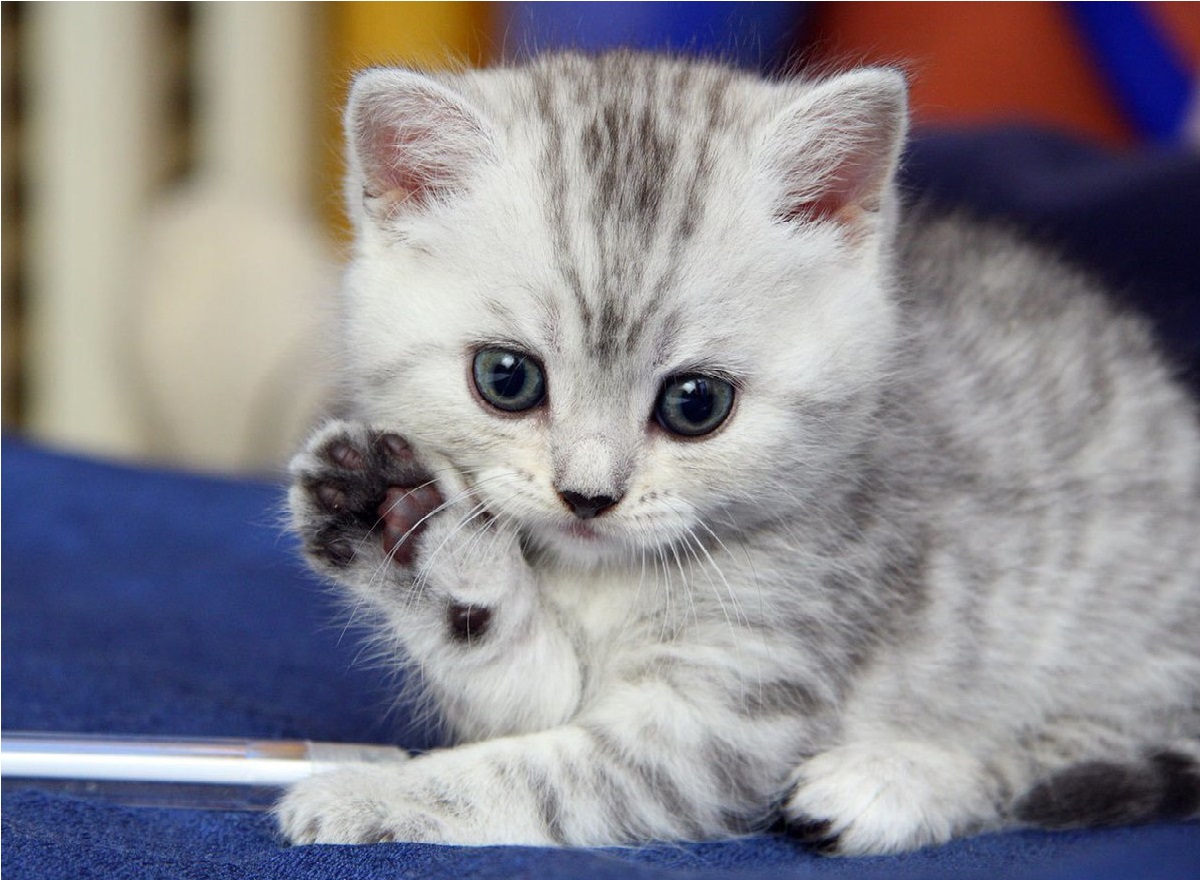
Wool
A healthy animal has a shiny coat. Kittens have a "baby" coat, often with guard hairs and a short undercoat. This coat gradually changes to the adult coat. Therefore, it's difficult to determine an animal's health based on its color and texture. The coat should be shiny, dense, and thick.
In solid-colored, lilac, and blue kittens, residual tabby patterns—spots and stripes—may sometimes be visible. When both parents are solid-colored, the stripes gradually fade. The ears and nose should be free of discharge.
You can feel the baby's tail. It should be straight, flexible, and free of knots.
Build
You should choose the plumpest and strongest kitten. It should respond calmly to being petted.
Pay attention to the animal's body type. A kitten should be well-fed, but an excessively plump or bloated belly indicates intestinal disease or worms.
Eyes
The kitten's eyes should be clear and free of pus. There should be no watery eyes, sneezing, or foul odor. Even minor discharge from the eyes or nose can indicate a viral illness. If you have any doubts about the kitten's health, it's best to choose another kitten or consult a veterinarian.
Passport
If you're looking for a truly purebred kitten, not a mixed-breed of unknown origin that only vaguely resembles a particular breed, when choosing an animal for your home, you should pay attention to whether it has a pedigree, that is, a passport.
This is a document confirming that the kitten you're looking for is truly purebred. Of course, non-pedigree kittens are often very smart and cute, too. But don't pay a large sum of money for a kitten of unknown origin, as they are often given away to good homes for free.
The document is prepared during the certification—an inspection by a specialist. Each club and breeder establishes its own format. The following are mandatory attributes:
- name of the organization that issued the document
- date of issue, number
- animal's name, breed, color, gender, and date of birth
- address and last name of the cat's owner or breeder
- signature of the club director, certified by a seal.
The breeder must provide the original card. However, it's important to note that the certificate must be replaced with a pedigree within a certain period of time. This is the official document proving the animal's origin. The pedigree indicates the animal's sex, breed, color, studbook number, and also provides information about its ancestors.
Choosing and acquiring a kitten takes a considerable amount of time and effort, but the first few minutes of interacting with it will make up for it. It's best to take your time and make your choice, paying close attention to the animal's health and appearance.