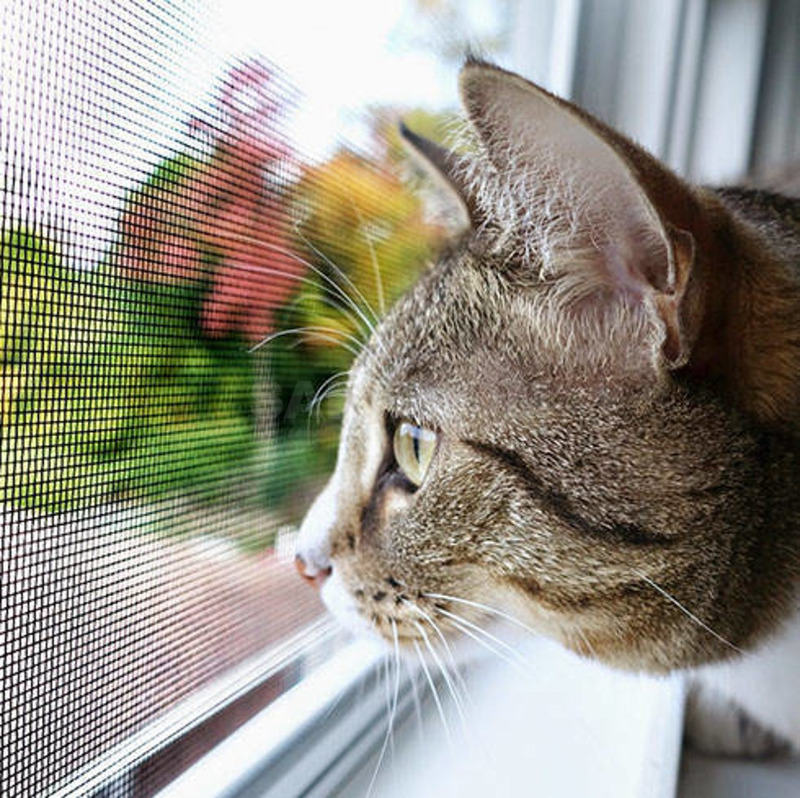
Mura, our fluffy and playful cat, loves to sleep and play on the windowsill or balcony. In the summer, she ventures through the open window into the attic. It's a mystery how she learned to walk on awnings and jump across neighboring balconies.
One morning, she didn't come home; that had never happened before. We searched the attic and the surrounding area – Mura was gone. Our emotions were beyond words: our hearts skipped a beat, the children were in tears, and only my husband tried to think rationally and not give in to despair. A little later, we found her in the bushes near another house. We took her to the vet, where they said our cat had a broken hip. She was also missing a tooth, poor thing.
Mura underwent extensive treatment, and a year later she was already running and playing, having forgotten her past adventures. She doesn't go up to the attic anymore, though. After this incident, we decided to protect her from falls and ourselves from stress using several methods, which we'd like to share with you.
When walking your pet, do not leave the windows fully open.
A closed window is the easiest way to keep your pet safe. This can be difficult to do during warmer months, as rooms need ventilation. Window opening limiters are designed for this purpose.
An important rule for installing the device is that the gap must be smaller than the size of the cat's head, otherwise it can damage its paws or crawl through.
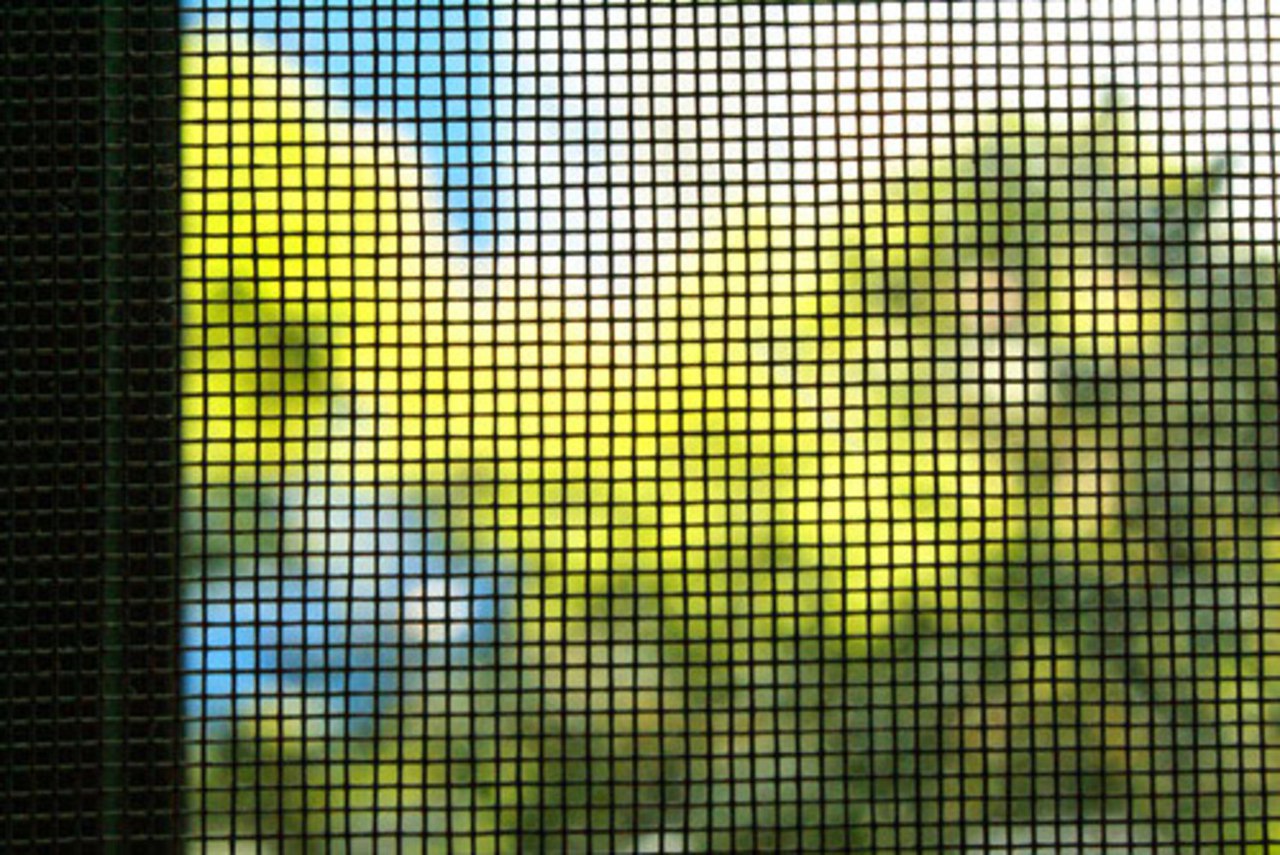
Install heavy-duty mosquito nets
A window with a restrictor allows only a small amount of airflow, which can be problematic in hot weather. In this situation, mosquito nets can be a solution. They are made from several materials, including plastic, nylon, and stainless steel. For owners of curious pets, reinforced nylon nets are available. However, particularly persistent pets can sometimes tear even these. Regular mosquito nets are not suitable for protecting pets; they won't support their weight.
Instead of mosquito netting, you can purchase welded metal or polycarbonate mesh. These can be installed not only on windows but also on open balconies. They are durable and won't damage your pet's claws. The downside is their high cost.
Cat owners recommend avoiding mosquito nets with plastic or spring fastenings, as they can easily be pushed out by their weight.
Sand all wood surfaces.
When installing a mosquito net on a wooden window or balcony, sand the surface first. Otherwise, the net will not hold well and may tear if your cat decides to play and jump on it.
Use gray or black grid color
Cats are active and friendly. They'll definitely want to play with the mosquito net, which could damage it. However, they dislike the color black, which is why we used it to protect the structure from attacks from furry creatures. A cat is unlikely to try to jump on a black or gray mosquito net when hunting for a bird or a fly.
In addition, dark colors transmit less light, so the air in the room will heat up more slowly.
Creating a comfortable spot on the balcony is a task for those who truly love their furry friend.