New cat breeds are emerging so rapidly and regularly these days that many of them remain unknown to the average person. Among them are some quite rare and exotic specimens.
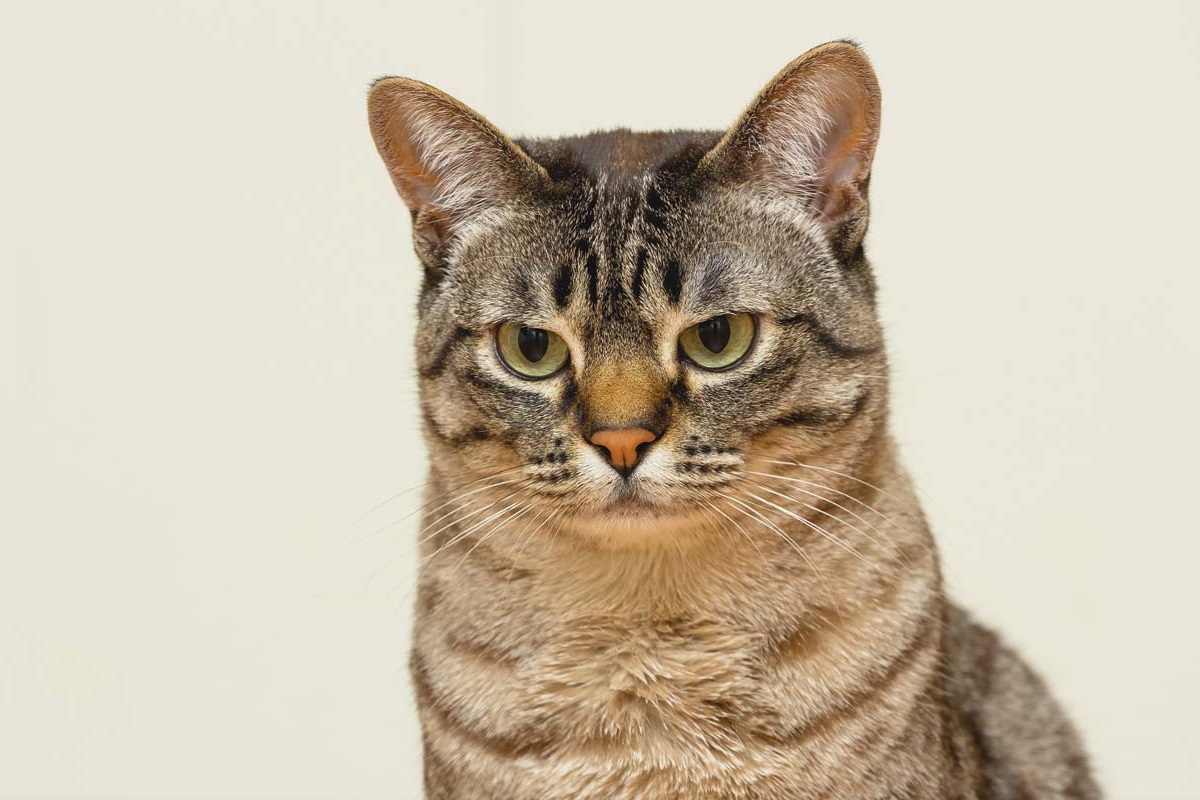
Mandalay
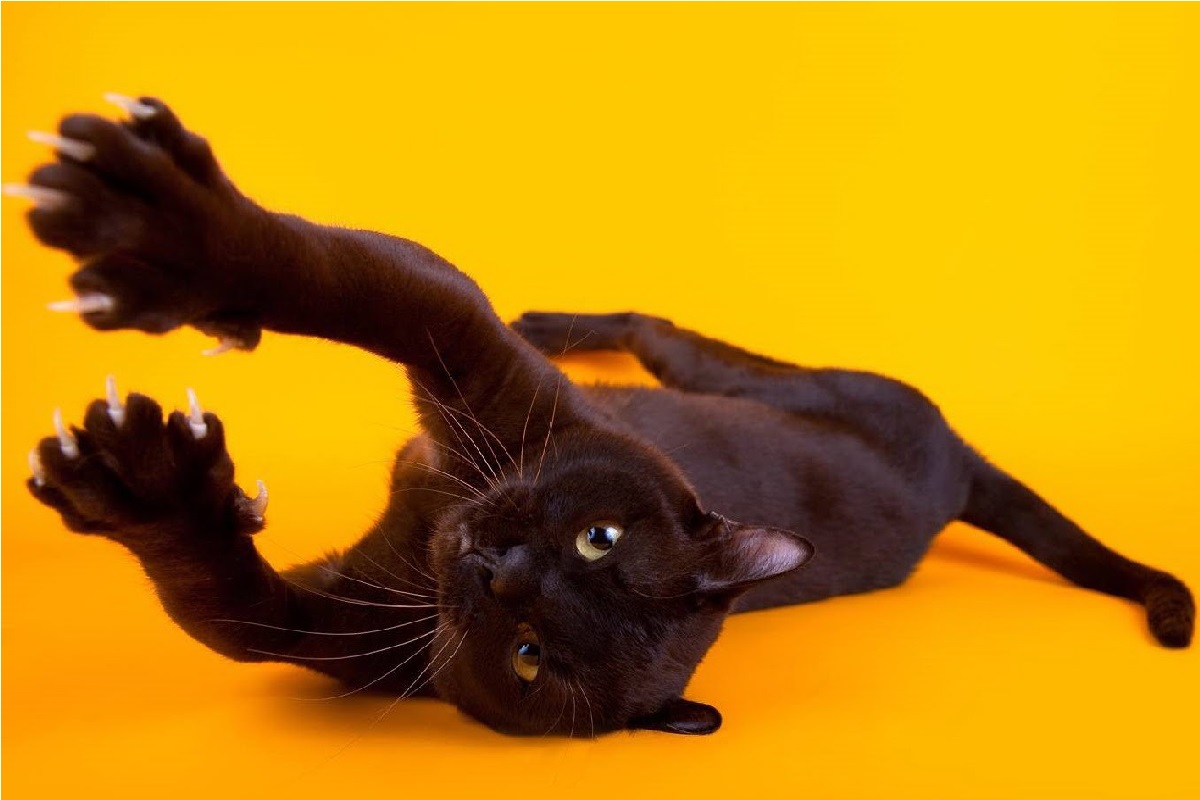
The first Mandalay cats appeared in New Zealand in the mid-20th century as a result of the accidental crossing of purebred Burmese cats with mongrel street cats.
The circumstances under which this occurred remain unknown, but thanks to the independent choice of partners made by exquisite Burmese cats, a new breed emerged, representatives of which today can be considered among the most beautiful specimens of domestic cats.
The kittens resulting from this first cross were distinguished by a uniform, rich, and very dark coat, ranging from blue-black to jet-black, and even dark chocolate. To consolidate the deep, uniform coloring, which gave the new breed a truly regal appearance, renowned New Zealand breeders Horton Dorothy and Haugen Pat, who recognized the potential of show winners in them, crossed them first with Abyssinians and then with Siamese cats.
Thanks to crossbreeding, Mandalai cats have acquired not only their luxurious black coat but also excellent health. Their average lifespan is 18-20 years. They inherited a strong immune system, endurance, and strength from their non-pedigree cats.
Representatives of the Mandalay breed, distinguished by their medium size and weight from 4 to 6 kg, are the owners of:
- small oval head
- neat, shortened muzzle
- a short nose with a bridge that has a small depression, colored black or dark pink
- large round golden eyes
- stocky, strong body with well-developed muscles.
Mandalays are distinguished by their kind and friendly nature, playfulness, sociability, exceptional intelligence, and high trainability. They are not prone to aggression, get along well with many pets (except rodents, small birds, and fish, which they perceive as prey), and can courageously tolerate the antics of children. This is why Mandalays are safe to keep in a home with small children.
To purchase a kitten of this breed, a Russian citizen will have to travel to New Zealand, the USA, or Australia.
Australian Mist cat
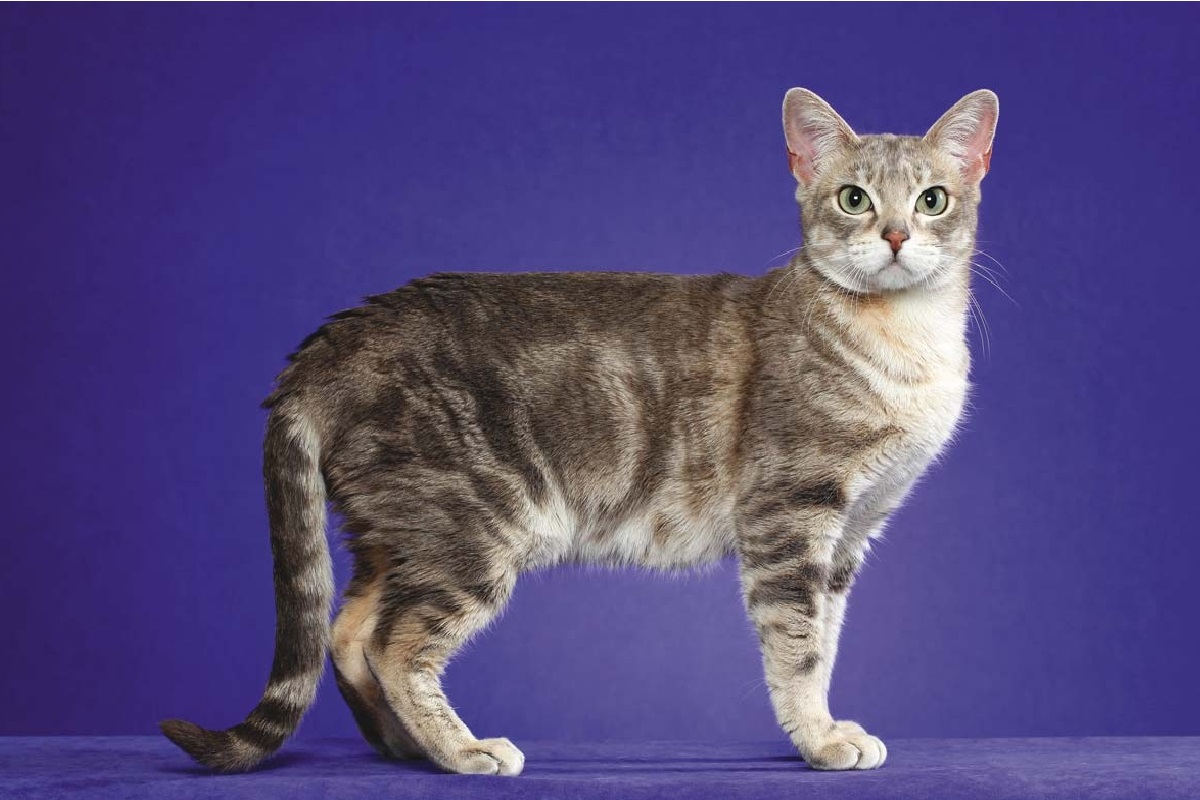
The Australian Mist breed (this is its second official name) was developed in Australia by crossing local street cats with Abyssinian and Burmese cats.
The main goal of Australian specialists was to create a new breed distinguished by a balanced, calm character and a unique tabby coloring, identified in local yard cats.
Local breeder Truda Streid is at the forefront of the breeding process, which began in 1975. The first registration of the new breed, called the "spotted mist," occurred in 1986. In 1998, due to the addition of Siamese genes to the breed, which resulted in a marbled-spotted cat with aquamarine eyes, the breed standards were significantly revised, and the breed became known as the "Australian Mist."
The breed's color variations are quite diverse: among its representatives there are individuals of chocolate, gold, blue, peach, lilac, caramel and brown colors.
Cats of this breed are characterized by the presence of:
- wide wedge-shaped head with rounded contours
- wide-set, large, and shiny eyes
- muscular heavy body
- rounded wide chest
- muscular legs of medium length
- a long tail with a wide base, tapering slightly towards the tip
- elastic, short, shiny coat with a thick undercoat.
Australian Mist cats have a very docile and calm nature. They are avid homebodies, do well without long walks, and prefer to be in secluded, enclosed areas.
Young cats are playful and moderately inquisitive, but in adulthood they prefer quiet time. Endowed with a friendly nature, they are tolerant of all pets and get along well with small children without causing them any harm. Despite their attachment to people, they can easily tolerate long periods of solitude.
Being in good health and not having a genetic predisposition to diseases, they are not demanding either in terms of diet or living conditions.
Chantilly
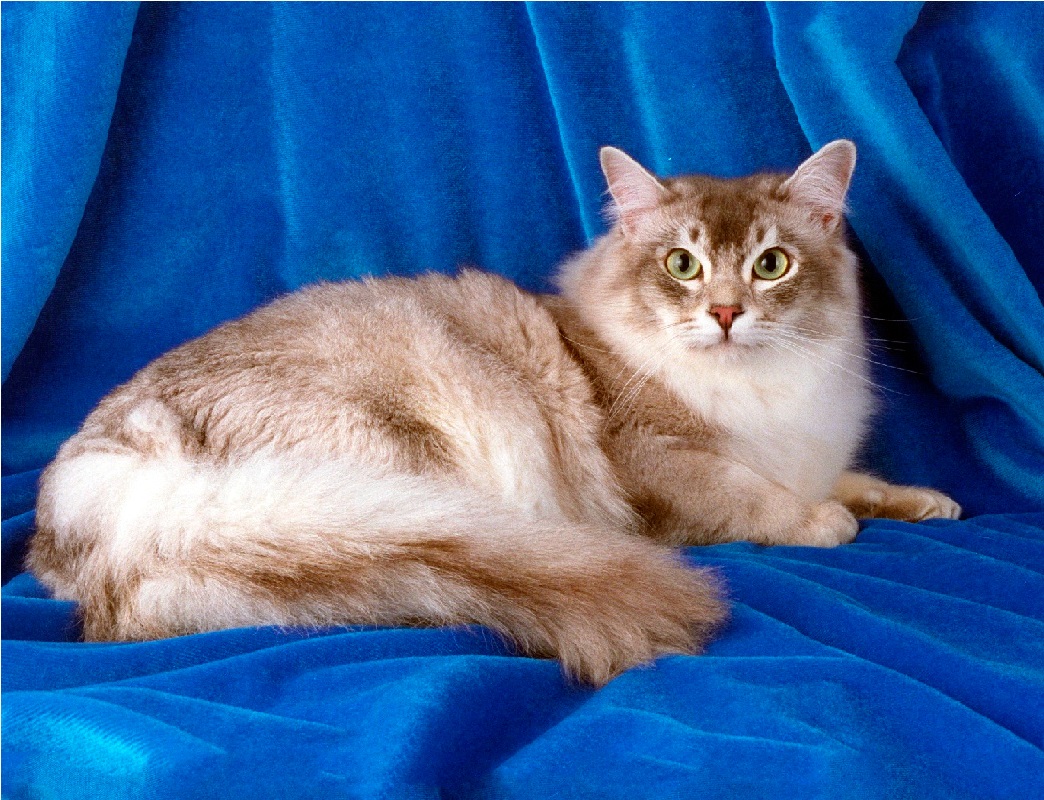
There are two main versions of the origin of the Chantilly breed of domestic cats:
- According to the first, two chocolate-colored cats, belonging to a breed thought extinct, were discovered in the basement of a New York City home. Their descendants became the founders of the new breed.
- According to the second version, two fluffy kittens of different sexes with unusual chocolate-colored fur were purchased in a New York pet store by breeder Jenny Robinson in 1967. For two decades, the offspring of this pair passed from one breeder to another. In the 1980s, Tiffany cats (as breeder Sigyn Lund named them) were crossed with Somali, Havana, Chantilly, Nibelung, and Angora cats. Thanks to the efforts of breeder Tracy Oraas, the new breed, named Chantilly Tiffany, was registered in 1992.
The unusually spectacular representatives of this breed possess:
- graceful, slightly elongated build
- dry muscles of the athletic type
- a small head shaped like a blunt triangle
- almond-shaped or oval amber-colored eyes
- semi-long silky hair, devoid of undercoat and therefore not prone to tangling
- weighing from 3 to 5 kg.
Very inquisitive and playful, Chantilly kittens mature quickly and within a year they become intelligent, calm, and balanced animals, great with children and very attached to their owner, which they choose as one of the family members.
Easy to care for, they require regular brushing only during the seasonal shedding period, and their ears will need to be cleaned of excess wax at least once a week. Free from any genetic defects, Chantilly cats can live for over 18 years.
Any cat—even the most pedigreed—needs its owner's love. Remember that your care and attention are far more important to your pet than its breed.
 Svetik Svetik
1 comment