The Egyptian Mau is a shorthaired, native cat breed. A distinctive feature of these cats is their spots, which appear not only on their fur but also on their skin. These spots are randomly distributed, and each individual has its own unique pattern.
Egyptian Maus are relatively easy to care for, but require timely socialization and training. They are very devoted to their owners and require a great deal of attention.
Content
Historical background
The ancestors of modern Egyptian Mau are Nubian cats, which were considered sacred in Egypt. Although Mau cats originated 5,000 years ago, interest in these pets only arose in the 20th century, when European breeders decided to recreate the breed. The desired result was achieved fairly quickly, and the baton was soon picked up in Russia.
Three kittens of varying coloring that Princess Natalia Trubetskaya inherited are considered the progenitors of the modern Egyptian Mau. The breed later attracted interest in the United States, where breeders refined the cats' appearance. Toward the end of the 20th century, it was recognized by renowned felinological organizations.
Description and standard
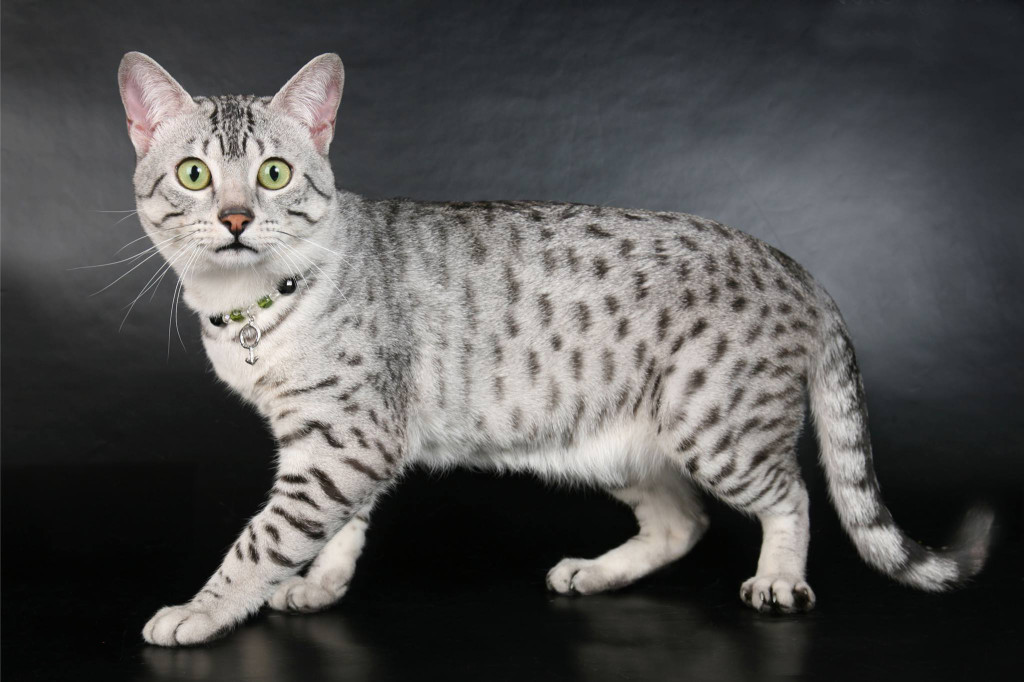
Egyptian Mau cats have a muscular build and weigh between 3 and 6 kg. Females are smaller than males. Breed standard:
- The body is elongated. Male cats have a more massive shoulder girdle and neck than female cats.
- The limbs are proportional. The hind limbs are longer than the front limbs. The paws are rounded and have long toes.
- The head is small and wedge-shaped.
- The ears are large and set wide apart. The hair on the ears is short. The standard allows for small tufts.
- The eyes are almond-shaped and large. Blue irises are not permitted by the standard.
- The coat is short, thick and silky.
A purebred individual must have transverse stripes and spots located in a random order on the body, and on the muzzle - the outline of the letter M.The standard allows only 3 colors:
- silver with dark markings;
- smoky with black spots;
- bronze with dark brown spots.
Character
Egyptian Maus are intelligent and playful cats. This pet loves being the center of attention and enjoys interacting with other household members. It gets along well with other pets, but it's best not to house it with rodents or birds. The Mau perceives small pets as potential prey, as it has a well-developed hunting instinct.
Cats love to watch moving objects and explore their surroundings. They get along well with children and enjoy playing with them. However, it's best not to leave a cat alone with a small child, as the child may unwittingly harm the cat. Egyptian Maus don't tolerate children's mischief and may scratch them.
Pros and cons of the breed
Advantages:
- intelligence;
- sociability;
- devotion to the owner;
- ease of care;
- playfulness and mobility.
The main drawbacks of this breed for some breeders are that the cats don't get along with small children and don't tolerate loneliness. Another drawback of Egyptian Mau cats is their tendency to overeat.
Education and training
It is recommended to start education from an early age. First, teach the kitten its name and litter box training. Then, explain the general house rules. Avoid yelling or hitting if the kitten misbehaves, as this will only provoke aggression. Express displeasure with a stern tone.
The Mau is a fairly intelligent cat and quickly learns not only rules of behavior but also simple commands and tricks. She can be taught to fetch toys in her mouth and open doors. Compliance should always be rewarded with treats.
Content
Before bringing an Egyptian Mau to a new home, it's a good idea to keep medications, fragile items, and wires out of reach. This breed is very curious and can easily injure itself.
The following accessories must be purchased for your pet:
| Item | General recommendations | Image |
| Dishes | It's preferable for bowls to be made of metal or ceramic. You should purchase two bowls—one for water and one for food. | 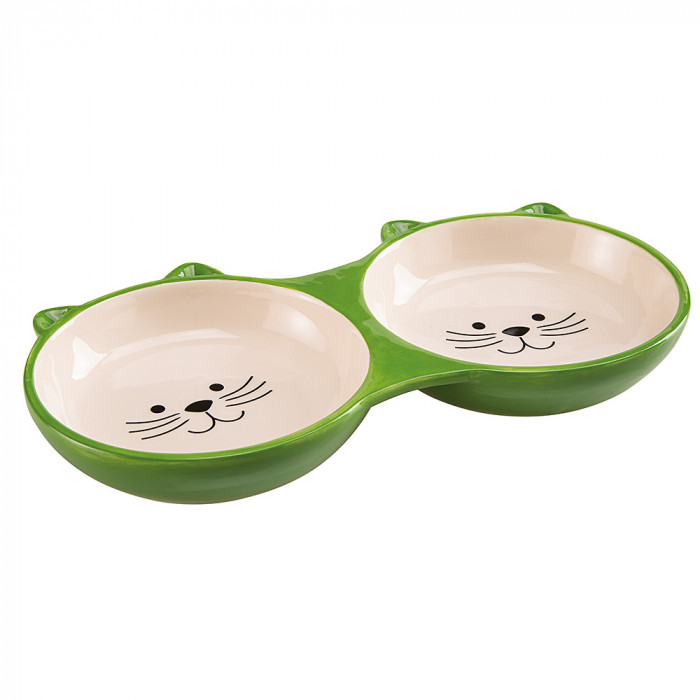 |
| Bed | You can buy a simple lounger or a small house | 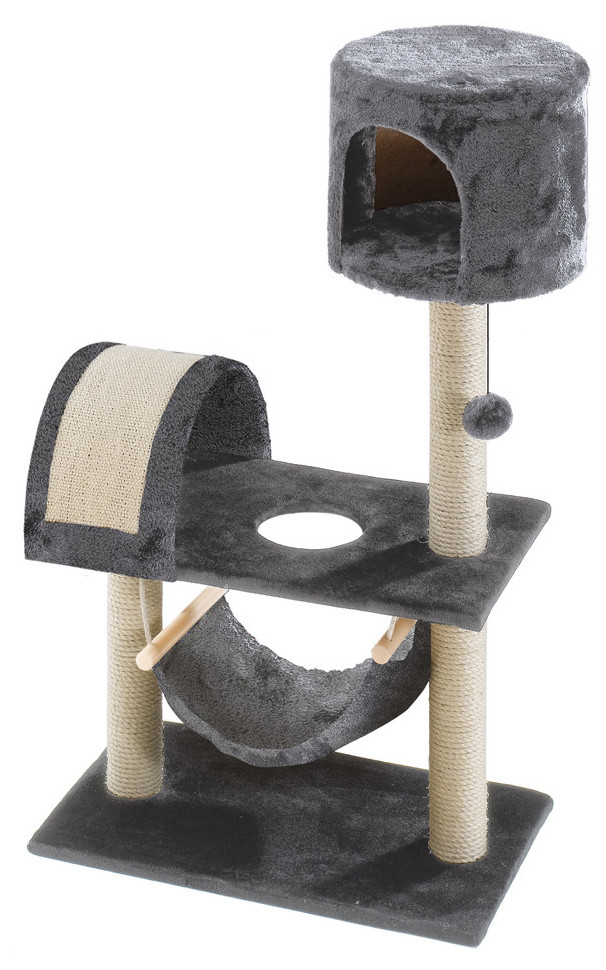 |
| Scratching post | You can purchase a scented scratching post that will attract your cat with its aroma, or a regular one on a stand. | 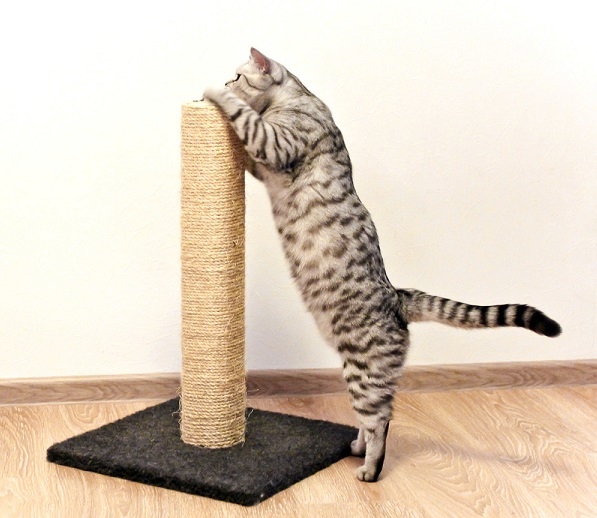 |
| Tray | It is recommended to buy a spacious toilet with high sides. | 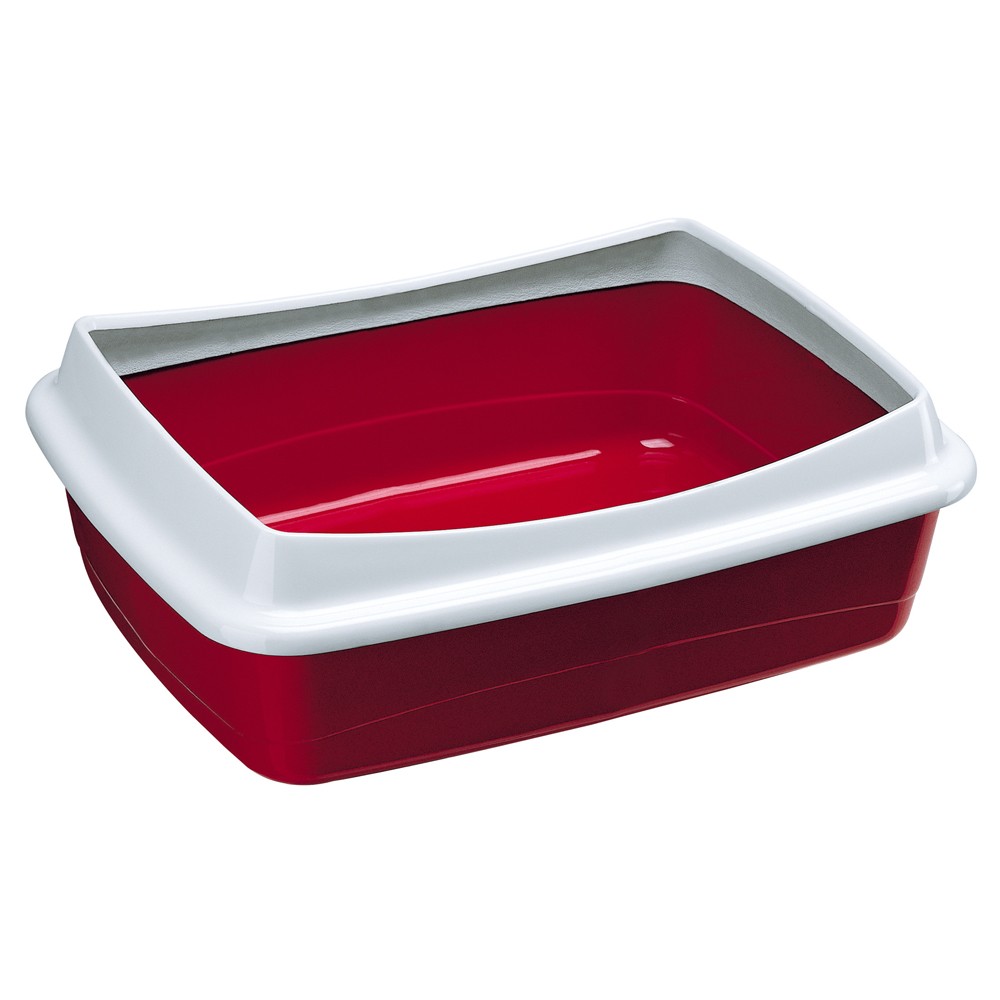 |
| Toilet filler | When choosing litter, it's best to consider your cat's preferences. A clumping clay mixture is a good place to start, but if your pet refuses to use the litter box, consider replacing it with wood. | 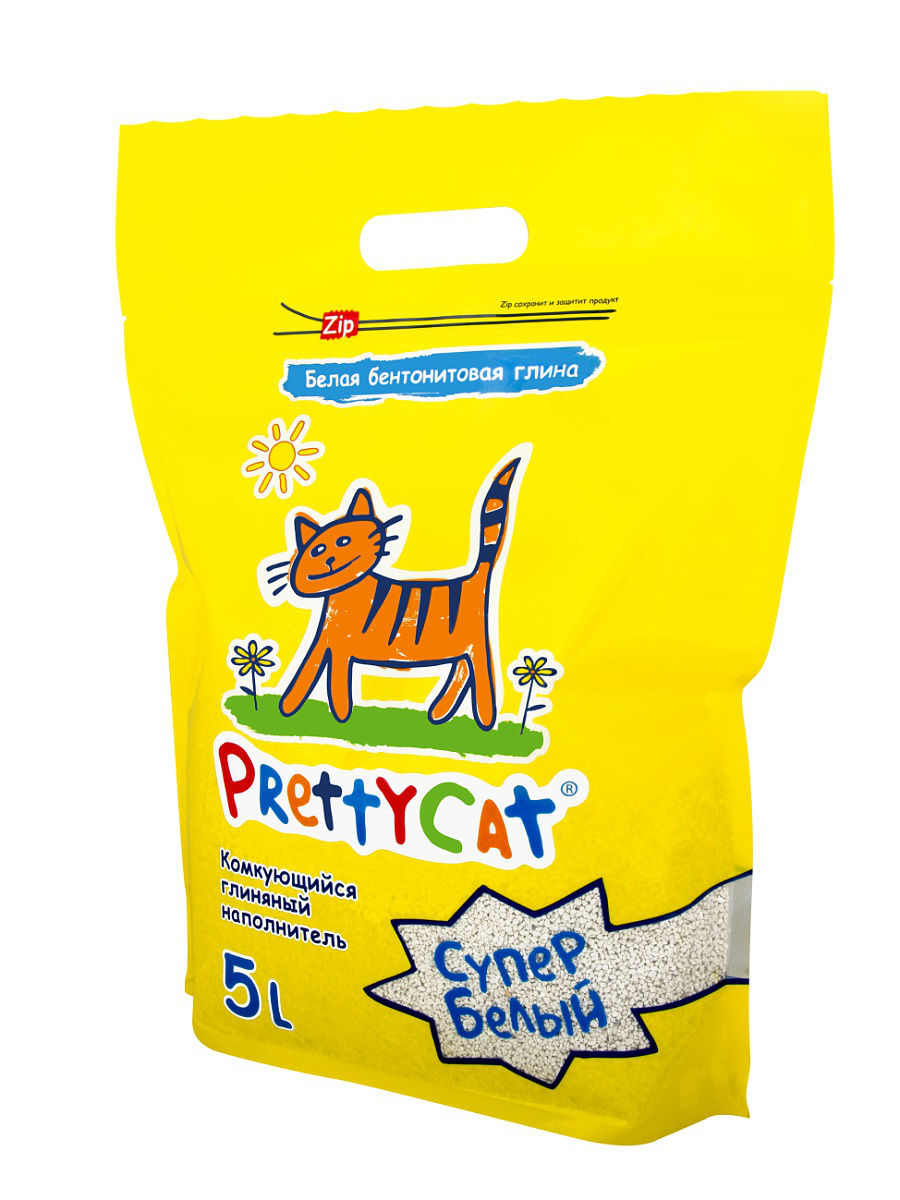 |
| Toys | For a playful Mau, various balls, fishing rods and mice are suitable. | 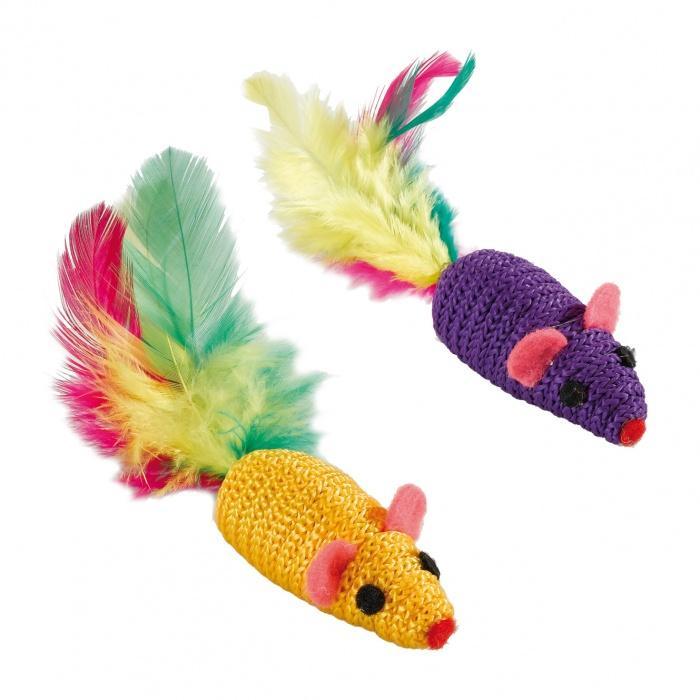 |
| Harness | Representatives of this breed can be walked regularly, but only on a leash, as cats are very active. | 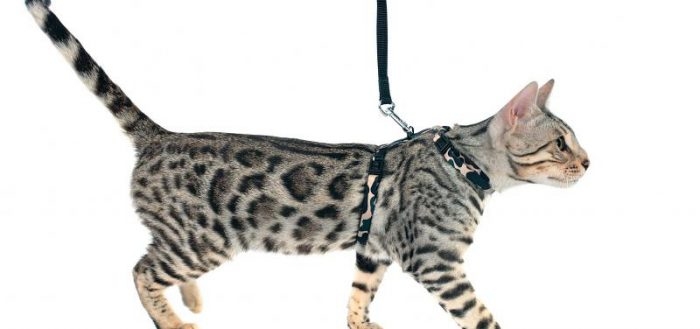 |
Care Features
An Egyptian Mau's diet should be enriched with the vitamins and minerals it needs. Regular treatments will be necessary:
- clean the cat's teeth, ears and eyes;
- comb your pet's fur;
- bathe the cat;
- trim the claws.
The animal must be accustomed to all of the above procedures from an early age.
Grooming
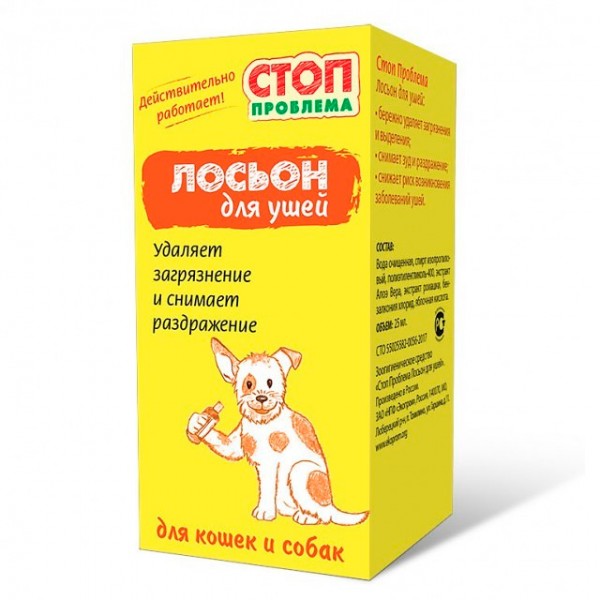
Your cat's ears should be cleaned with cotton pads soaked in a special lotion. This procedure is recommended 2-3 times a month. Eyes should be cleaned as needed, using a cotton pad to remove discharge.
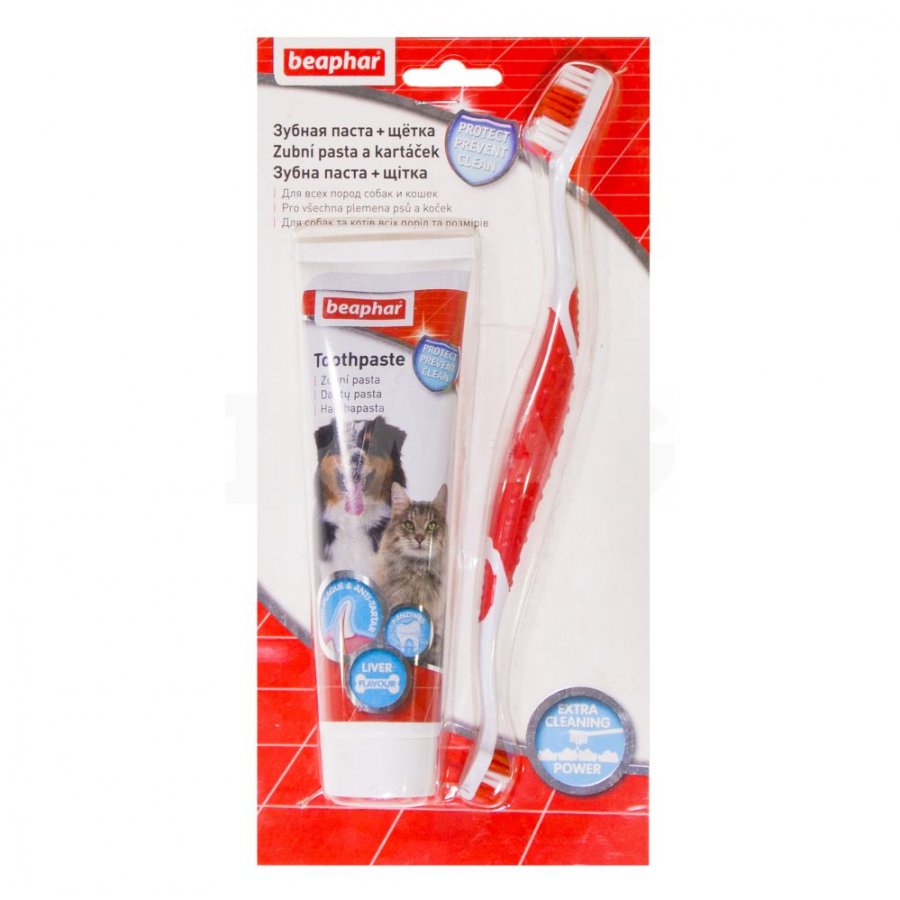
It's recommended to brush your pet's teeth once every 1-2 weeks. If your cat eats dry food, you can brush less frequently. Use a cat toothpaste and toothbrush, which are available at veterinary pharmacies and pet stores.
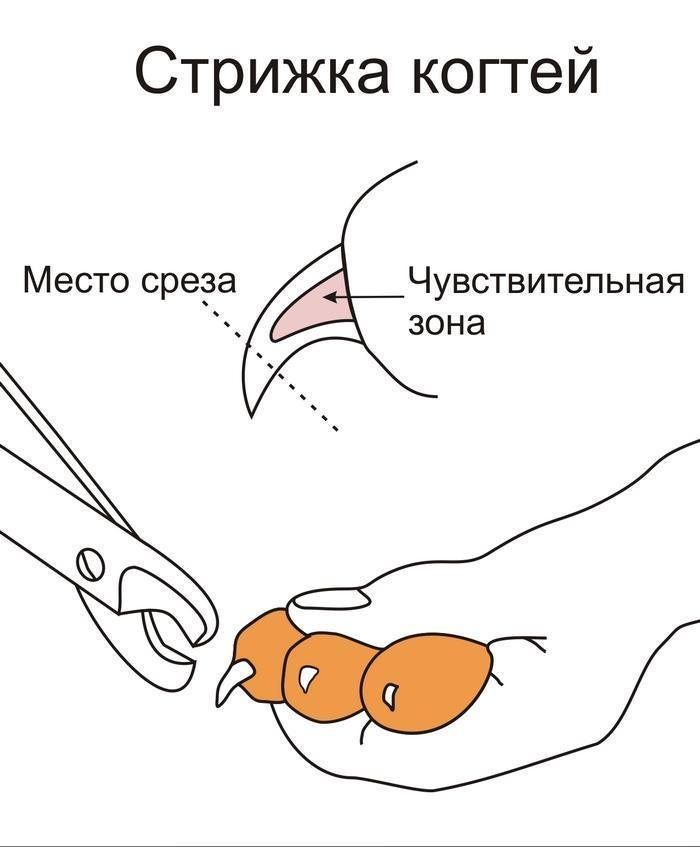
Nails should be trimmed as they grow. Trim only the very tip, avoiding the blood vessel, using a special nail clipper. Cats that are regularly walked outdoors rarely need this.
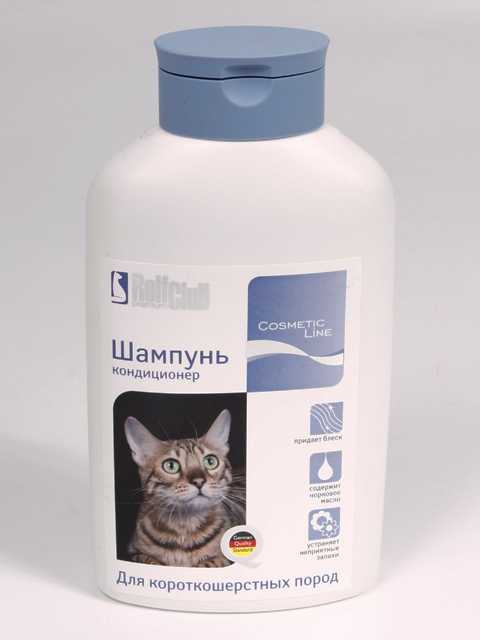
An Egyptian Mau should be bathed no more than once every three months, using a specialized shampoo for short-haired breeds. After bathing, the pet's coat should be thoroughly dried with a towel and kept in a draft-free room. Brushing is recommended once every two weeks. During shedding periods, brushing should be done twice a week. To remove loose hair, run wet hands along the cat's sides once a day.
Diet planning
This point in caring for a representative of this breed is the most important for 2 reasons:
- The Egyptian Mau is prone to obesity, which can lead to health problems;
- Cats of this breed are prone to allergic reactions.
When preparing a diet for a cat, you should first take these nuances into account, namely, try not to overfeed it and carefully select commercial food. Prepared food should be at least premium. Dry food is preferred, but canned food can also be given occasionally. Portions are calculated based on the cat's weight; a sample chart is included on the packaging.
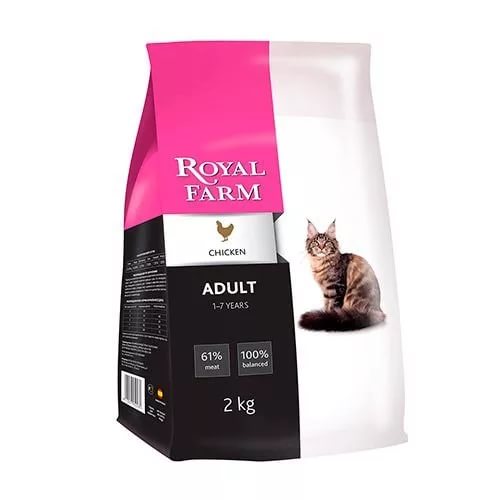
If desired, you can feed your cat natural food, but not dishes from the owner's table. When feeding this type of food, keep in mind that the majority of the diet should consist of pre-frozen or scalded meat. Consider chicken, turkey, and veal. The Egyptian Mau's diet should also include:
- boiled offal;
- sea fish without bones and fins;
- low-fat dairy products (preferably given once a week);
- vegetable puree (can be used as a side dish for meat);
- buckwheat and rice porridge in water or meat broth.
Your pet should have 80 kcal per kilogram of body weight. Exceeding this limit is undesirable, as it can lead to weight gain. Avoid adding salt, pepper, or spices to your cat's food. Sweets, pickles and smoked foods are contraindicated for the Egyptian Mau.
If your cat shows symptoms of an allergic reaction (redness, itching), it should be taken to the veterinarian immediately.
Health
The Egyptian Mau is prone not only to allergies but also to cardiovascular disease. This breed also frequently experiences respiratory problems. For this reason, it is recommended to avoid exposing your pet to tobacco smoke and other allergens.
Vaccinations and deworming are essential. A kitten's first vaccination should be given at 6-8 weeks of age. Adults should be vaccinated and taken to the veterinarian for a preventative checkup once a year. If you don't plan to breed your pet, it's recommended to have it spayed or neutered.
Average life expectancy is 13-15 years.
Breeding
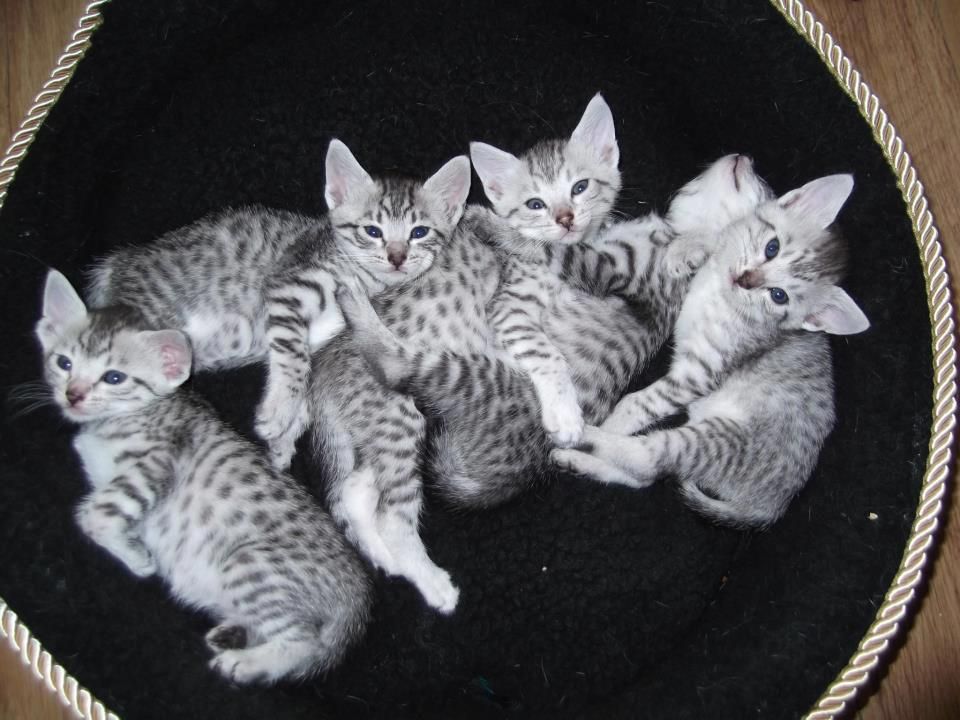
Breeding can only take place after the Egyptian Mau reaches 10 months of age. It's best to skip the first two heat cycles to allow the cat's body to fully develop. The first mating is recommended before the cat reaches 1.5 years of age and only after a veterinary examination.
It's best to mate in the male's territory. It's a good idea to bring along familiar items, such as a favorite toy and bowls. This will help the female adjust to the new environment more quickly.
Egyptian Mau kittens usually give birth without complications. These cats are very caring mothers, but they wean their kittens at two months. The kittens' coloring doesn't appear immediately and isn't fully developed until 20 weeks. The spots on newborn kittens are usually minor and may be hidden by the hairs.
Black kittens are often produced in litters. These animals are culled from further breeding and are not allowed to participate in shows, but they make excellent pets.
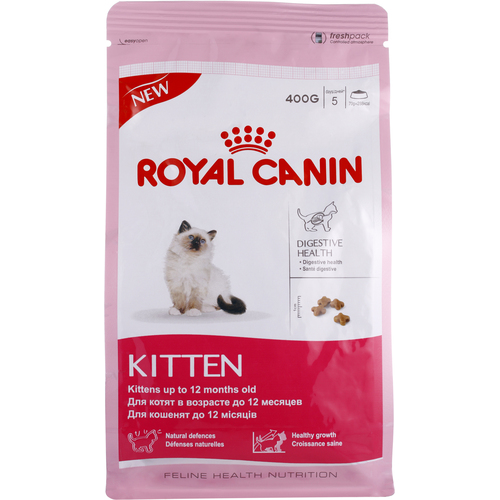
Once the kittens wean, they should be transitioned to specialized nutrition. It's best to feed them premium dry and wet food.
Nickname ideas
The following names may be suitable for a male Egyptian Mau:
- Osiris;
- Dundee;
- Canty;
- Cairo;
- Ramses.
An elegant cat of this breed can be called:
- Cleo;
- Nefertiti;
- Naomi;
- Subiro;
- Isis.
The Egyptian Mau is considered one of the oldest and relatively rare breeds, which explains its high price. When purchasing one, be careful to avoid unscrupulous breeders, who often pass off mongrel pets as purebreds.
If you follow all the recommendations for caring for a representative of this breed, the cat will live a long and happy life.