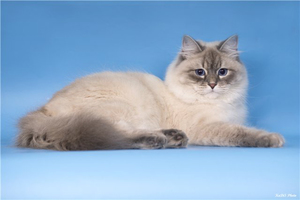
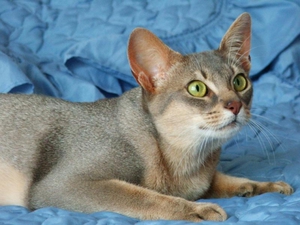
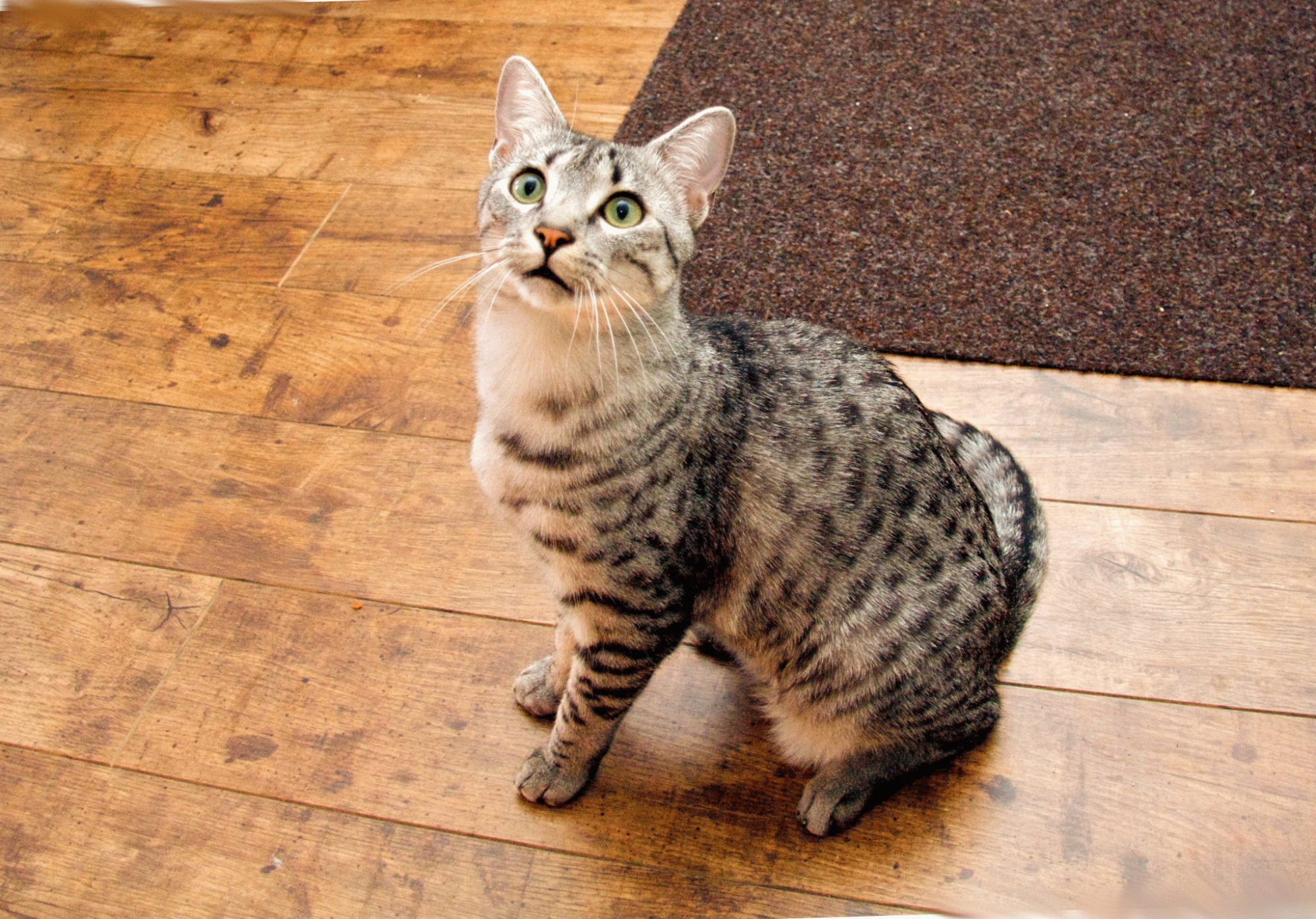
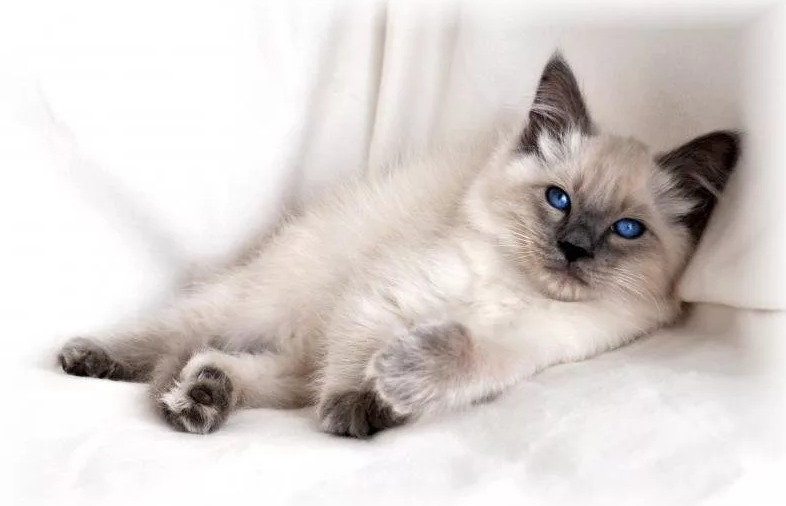
The Balinese cat is a semi-longhaired breed developed in America. It is also known as the Polynesian or Balinese. It is a variety of Siamese cat. Balinese cats are highly prized by breeders for their low maintenance, aristocratic appearance, and docile nature. They are versatile pets, getting along well with other animals and children.
Content
Historical background
There is no reliable information about the origin of the Balinese cat, but there are two unofficial theories. According to the first, a breeder crossed an Angora and a Siamese cat and created a hybrid variety called the Balinese.
The second option is more plausible. Siamese kittens with long hair were considered "defective" and were not used for further breeding. One of these kittens was noticed in a cattery by breeder Marion Dorset. The graceful gait of the long-haired Siamese reminded her of the movements of Balinese dancers. She decided to name the breed Balinese and began breeding these cats.
Balinese cats were recognized by major felinological organizations by the end of the 20th century.
Description and standard
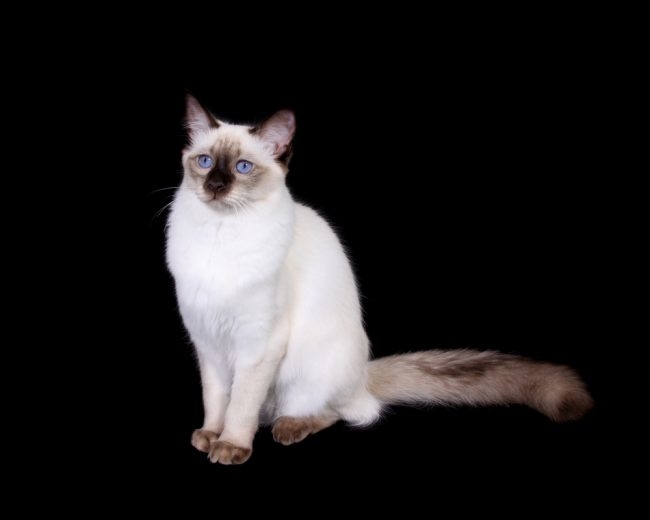
Cats with red and black fur are not allowed to participate in exhibitions and are not used for breeding.
Balinese cats are distinguished by their relatively small build. They weigh no more than 5 kg, with females being lighter than males.
Breed standard:
- The body is slender and elongated.
- The limbs are long and thin. The paws are small, oval-shaped, and the toes are long. The forelimbs are shorter than the hindlimbs.
- The head is small and wedge-shaped. The muzzle is elongated, the cheekbones are prominent, and the nose is long and straight.
- The ears are large, triangular in shape with pointed ends.
- The eyes are large and almond-shaped. The iris is light blue or deep blue.
- The tail is thin and long. A kink in it is a breed fault.
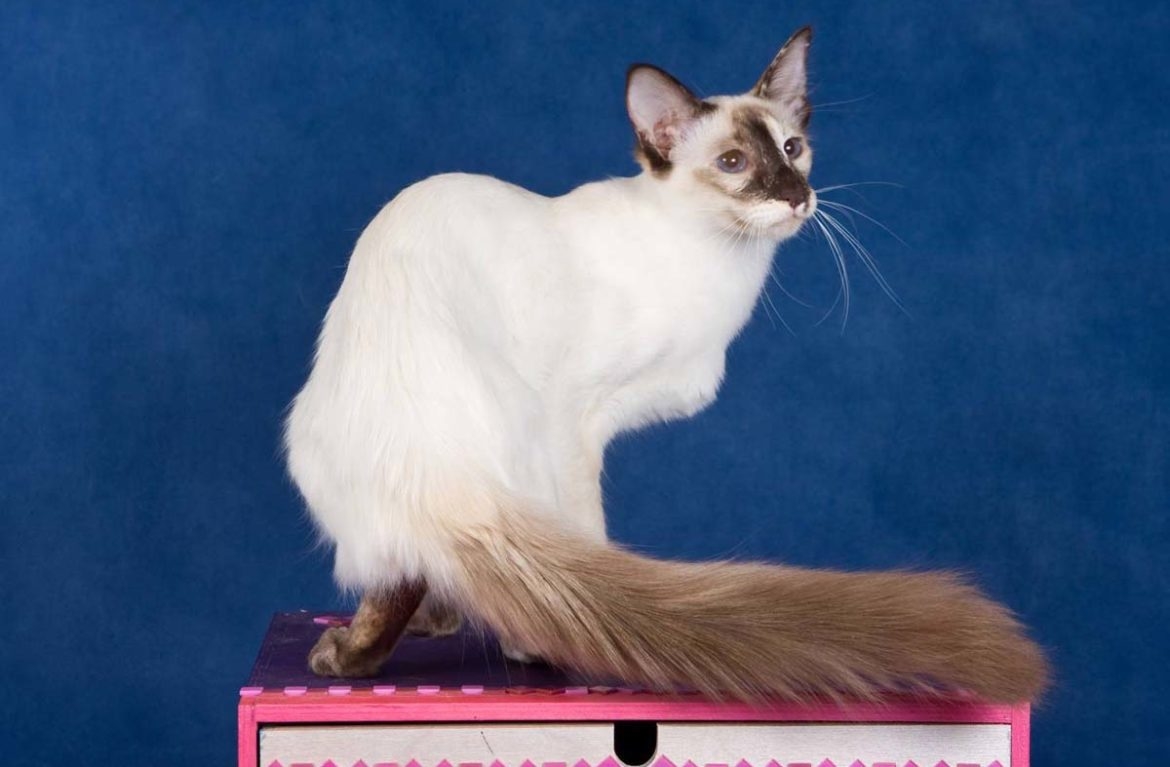
- The coat is silky and long. The hairs on the chin, tail, and neck are slightly wavy. Balinese cats have no undercoat.
The primary color of Balinese cats is the pointed pattern. It is available in 20 variations. The standard also allows for a solid color (Javanese).
The average lifespan of Balinese cats is 15-20 years.
Character
Balinese cats are sociable and peaceful pets. They love spending time with family members and playing with children. However, children should be taught in advance how to handle the animal properly. If a child bothers the cat, it may fend for itself and scratch the child. However, unprovoked aggression and vindictiveness are not typical of this breed.
Balinese cats are friendly with strangers. They love affection and demand extra attention from their owners. They don't tolerate prolonged separation from their owners well and don't like being alone.
These animals are very curious and intelligent. They love to explore their surroundings and participate in household chores.
Advantages and disadvantages of the breed
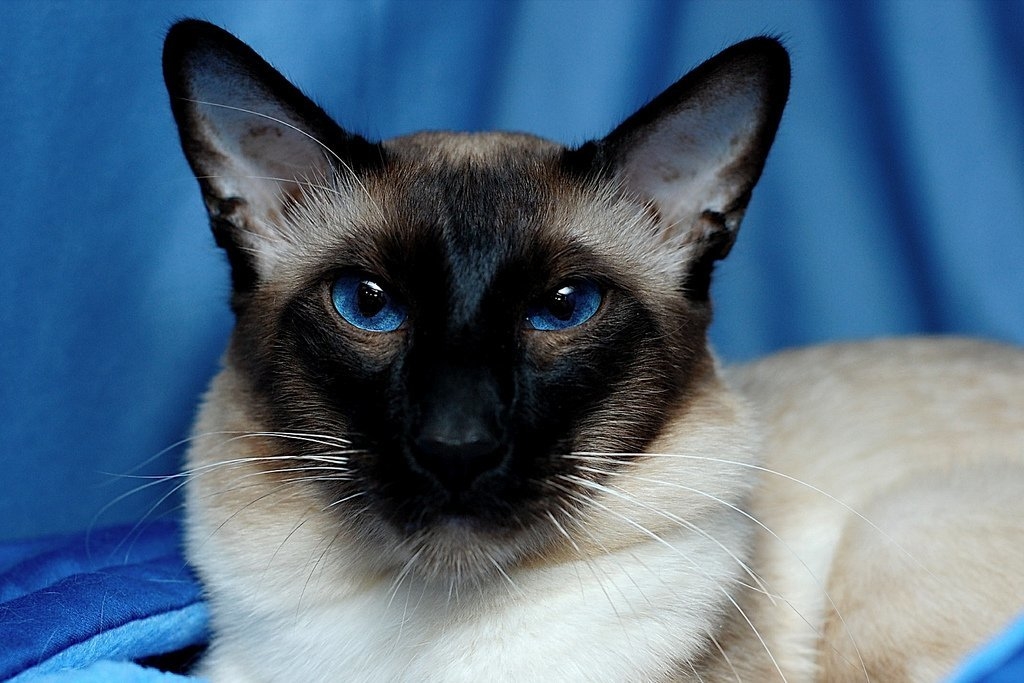
For many breeders, the downside is that cats have a hard time coping with loneliness.
Advantages of Balinese:
- attractive appearance;
- docile nature;
- undemanding in care;
- moderate shedding;
- friendliness;
- unfussy about food.
A minor drawback of Balinese cats is their loud meow. However, their voice is quite pleasant and melodic.
Education and training
It is advisable to reward successful execution of a command with a treat.
Representatives of this breed do not require additional training. They learn the rules of the house on their own and remember where the litter box is quite quickly. The owner will only need to teach the pet its name.
If desired, you can train a Balinese cat. They are very active, and this process will be enjoyable not only for the owner but also for the cat.
A cat can be taught simple tricks and commands. Shouting and physical abuse are prohibited during training. Such behavior can cause psychological trauma to the pet.
Content
Balinese cats are suitable for living in spacious city apartments or country houses. A small space will make this active pet uncomfortable.
It is not recommended to let the cat outside unattended, as as a result of selective breeding, Balinese have lost their basic instincts. If desired, you can take a Balinese cat for walks, but only on a leash and in warm weather. In cold weather, the pet should be protected from drafts, as this breed lacks an undercoat and has a relatively weak immune system.
Before moving your cat into a new home, it's important to prepare it. Keep medications, wires, and valuables out of reach of curious pets.
For the Balinese you will also need to purchase the following accessories:
| Item | Recommendations | Image |
| House | Active Balinese cats benefit from a large cat house where they can climb and observe the household from above. It can also be used to sharpen their claws. | 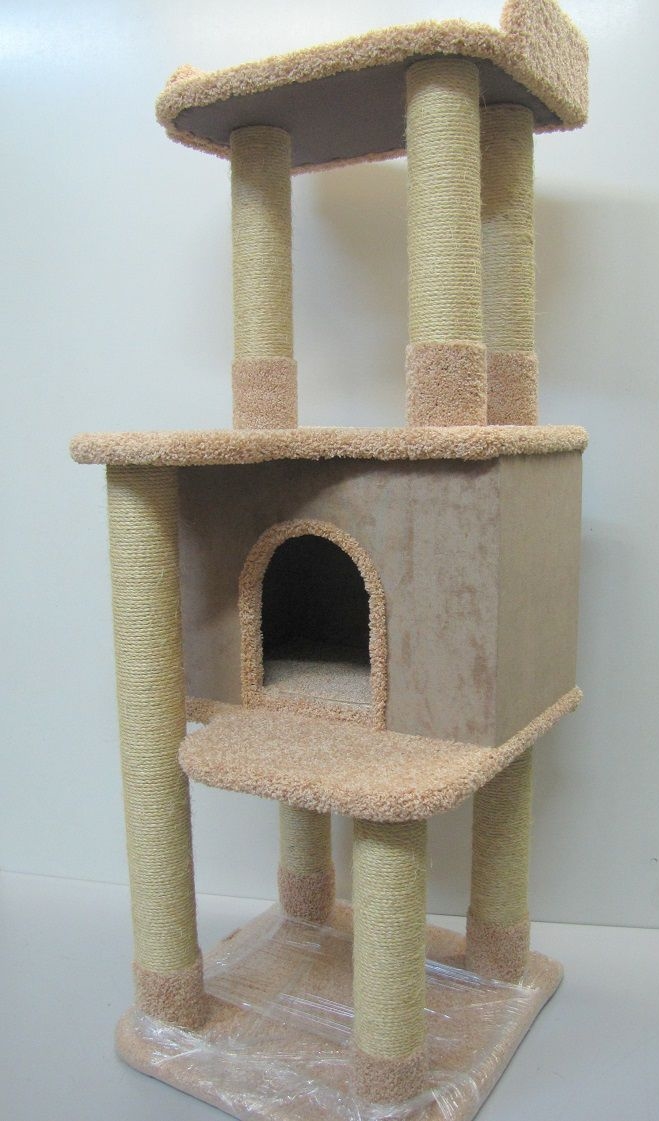 |
| Dishes | You'll need to purchase a separate bowl for food and water. It's best to make the bowl ceramic. |  |
| Tray | A spacious toilet with high sides is suitable for a Balinese. |  |
| Toilet filler | It's recommended to purchase clumping litter, as it's the most convenient to use and safe for cats. However, if your pet doesn't like it and refuses to use the litter box, silica gel can be used instead. | 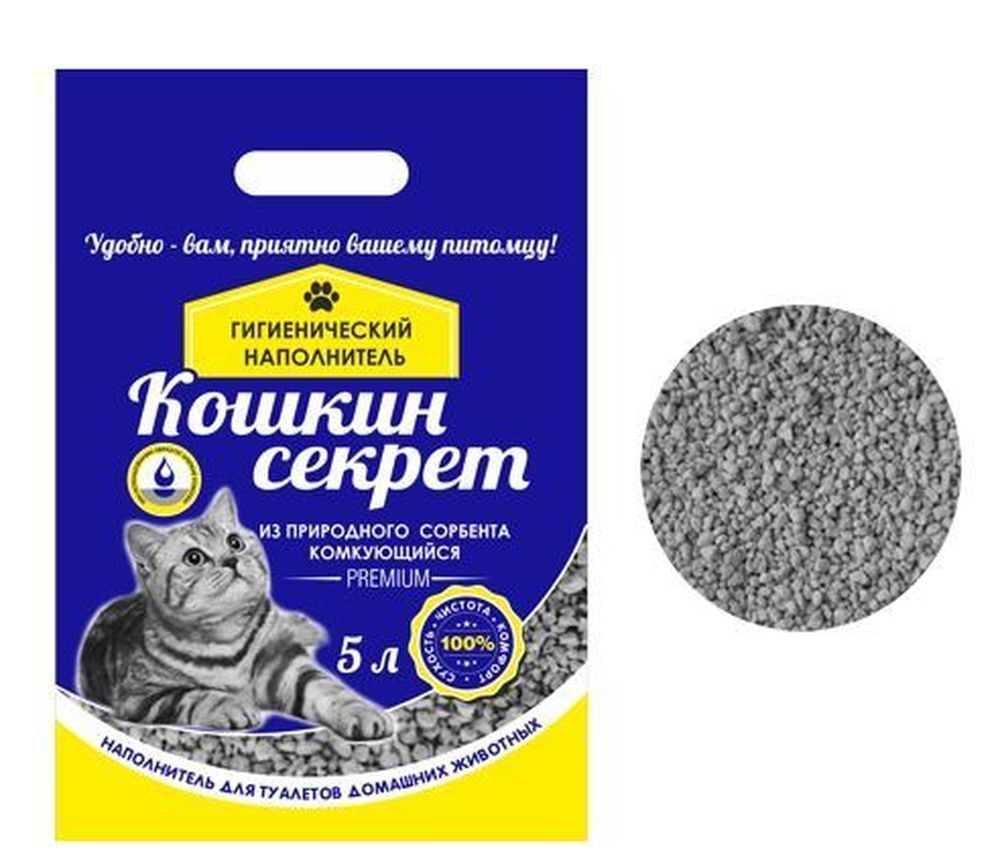 |
| Toys | Balinese are very playful and require regular exercise. To avoid purchasing a large number of different toys, it's recommended to purchase a play structure. This way, your pet can entertain itself independently. |  |
Care Features
The Balinese cat doesn't require any special care. Regularly performing the following procedures is sufficient:
- clean the cat's ears, eyes and teeth;
- comb out wool;
- bathe your pet;
- trim claws.
The owner also needs to create a diet for the four-legged pet.
Grooming
Regular inspection of your pet's ears and eyes is recommended. Any discharge should be removed with cotton swabs. To remove plaque, use cotton swabs dipped in Vaseline oil.
Balinese cats are prone to dental disease and require careful dental care. Their mouth should be examined once a week. Their teeth should also be brushed with a specialized toothpaste and toothbrush at the same frequency. If this procedure isn't introduced early on, it can be difficult to carry out at home. In such cases, it's advisable to seek veterinary attention.

It is recommended to give snacks to your cat once a week.
To prevent tartar and other dental problems, you should also purchase specialized dental cleaning treats from your pet store. The packaging of such food should be labeled "Dental."
Balinese cats should be bathed as needed. Since Balinese cats dislike water, the owner will need an assistant to hold the pet. The coat should be lathered once with a specialized shampoo for long-haired breeds. After bathing, the coat should be blotted dry with a towel. Avoid using a hair dryer, as the hot air will dry out the delicate skin.
 During molting, it is advisable to carry out the procedure more often.
Since the cat has no undercoat, its fur doesn't mat, meaning it doesn't require extensive grooming. Brushing the Balinese once a week is sufficient.
 If a blood vessel is damaged during the procedure, the cat's injured finger should be immediately treated with hydrogen peroxide.
Nails need to be trimmed as they grow. This procedure can be performed by a professional groomer. At home, you'll need to use a small nail clipper to carefully trim the very tip of the nail.
Diet planning
Balinese cats can be fed either commercially prepared food or natural food. Mixed feeding is not recommended for this breed. If you choose the latter option, include the following foods and dishes in your pet's diet:
- lean meat (turkey, chicken, veal);
- boneless sea fish (can be given occasionally);
- fermented milk products;
- various porridges cooked in water;
- vegetables in puree form.
Feeding your pet food from the common table is not recommended. Don't feed them sweets, smoked meats, or pickles, and don't add salt, pepper, or seasoning to prepared meals.
When feeding natural food, it is recommended to include specialized vitamin supplements in your pet's diet.

A veterinarian can help you choose the right food.
It is much easier to feed a Balinese cat with commercial dry and canned food than to prepare various dishes for it. But when choosing such food, it is worth considering that the complex of vitamins and microelements necessary for the cat's body is contained only in premium foods (Royal Canin, 1st Choice, Brit). You also need to make sure that your pet always has free access to a bowl of clean water at room temperature.
Diseases and treatment
Balinese cats most often suffer from parasites. To prevent this problem, it's important to have your pet dewormed regularly at a veterinary clinic. It's also recommended to purchase a special flea and tick collar for your pet.
Polynesian cats are also prone to developing the following health conditions:
| Disease | Description | Treatment |
| Gingivitis | This dental disease is characterized by inflammation of the soft tissues of the gums and leads to tooth loss. It can be recognized by key symptoms such as bad breath, swollen gums, and increased salivation. | Regular dental brushing can help in the early stages. Additionally, you can treat your cat's gums with Zubastik or Dentavidin. |
| Amyloidosis | The disease is associated with a disruption of protein metabolism in the body. It can affect the animal's digestive system, spleen, and liver. | The disease is incurable |
| Cardiomyopathy | This cardiovascular disease leads to the development of heart failure in cats and is characterized by dilation of the heart chambers. Signs of the disease include coughing, lethargy, and shortness of breath. | If symptoms are detected, you should take your pet to the veterinarian for examination and proper treatment. |
| Infectious lesion of the upper respiratory tract | The disease can be fatal if left untreated. Symptoms include sneezing and profuse discharge of clear mucus from the cat's eyes. | The pet requires antibiotic therapy. |
Representatives of this breed are also frequently diagnosed with musculoskeletal, kidney, and liver diseases. Strabismus is a congenital defect.
Regular preventive examinations at a veterinary clinic will help identify the disease at an early stage and prevent its progression.
Breeding
For kittens, you can also alternate canned food with dry food.
Mating can only take place after a female cat's first heat cycle, once she's reached one year of age. The female should be taken to the male's territory. Before mating, it's recommended to take the animal to a veterinarian for a preventative checkup.
The first signs of pregnancy may not be noticeable until three weeks after mating. During this period, the female cat should be well-fed and include plenty of meat in her diet. Feedings should be increased, and the female cat should be given smaller portions. Avoid allowing the female cat to gain excess weight, as this can lead to complications during labor.
Kittens are born with snow-white, short fur. The first signs of their characteristic coloring appear only a few months after birth, and the coat is fully formed by 7-10 months.
It's best to feed kittens with special kitten food, which should also be at least premium.
Nickname ideas
The graceful miniature cat of this breed can be called:
- Becky;
- Amanda;
- Zlata;
- Weasel;
- Nancy.
The following nicknames may be suitable for a male Balinese:
- Lord;
- Sam;
- Storm;
- Topaz;
- Mars.
Balinese cats are ideal for large families with small children and for elderly people. Furthermore, this breed is hypoallergenic, making them an ideal choice for allergy sufferers.