Each breed of furry friend has its own distinct personality traits. These four feline breeds are the perfect example of how beauty doesn't necessarily dictate a docile nature.
Persian cats
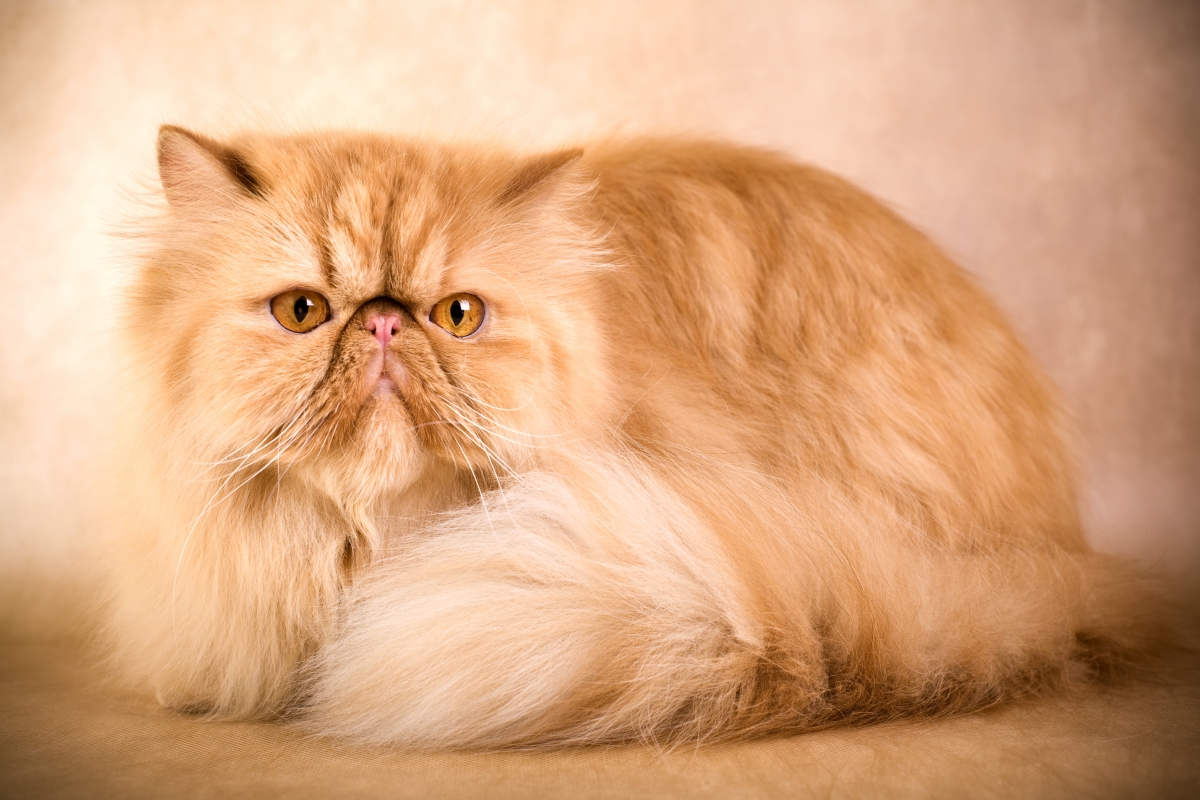
This is one of the oldest domestic cat breeds. They are even-tempered, calm, and form strong bonds with their owners. They are demanding of attention: if deprived of it, they can become resentful. Persians should not be left alone for long periods of time—they can become depressed and apathetic.
Persian cats are homebodies. They're not interested in outdoor walks; they prefer to lie on the sofa.
Persians are willful animals. They choose one owner ("leader") and obey only him. For this same reason, these cats rarely get along with other animals. They usually try to dominate them. Persians are friendly with children, but will not allow themselves to be used as toys.
Persians are a bit of a pain to groom. Their eyes often water, and their fur tends to mat. Their hair should be groomed by a professional, as their skin is very delicate and easily damaged. When buying a Persian cat, be careful: they often have congenital malocclusions.
British cats
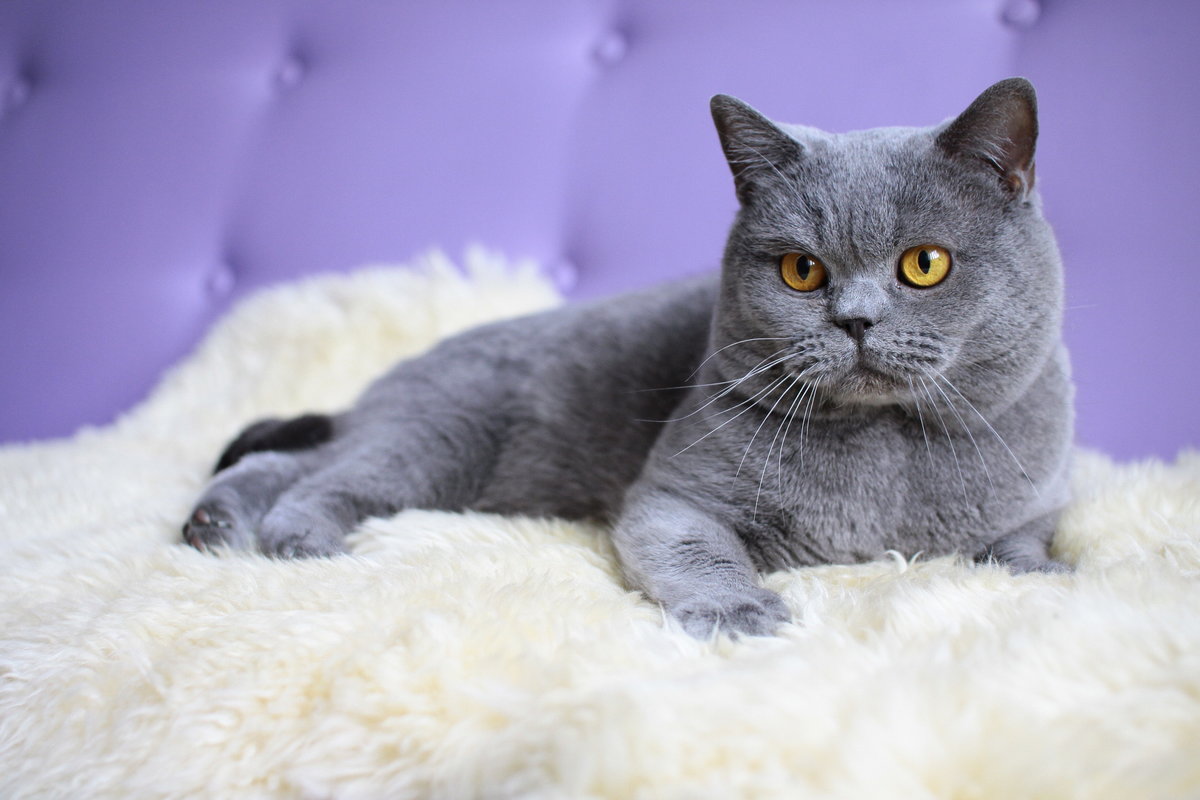
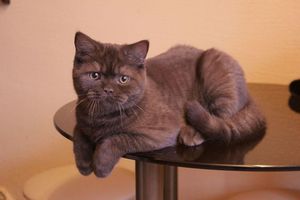
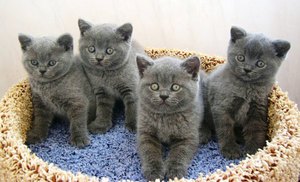
Handsome men and women with a haughty, "royal" look. British Shorthairs are independent and enjoy spending time alone. British Shorthairs are not suitable for those who want a cat for constant cuddles. These cats set boundaries in interactions with humans and demand respect for their personal space.
British Shorthairs are intelligent, reserved, and easy to train. They adapt quickly and adapt to their owners' daily routines. And they expect the same in return. It's best not to disturb a sleeping British Shorthair.
They tolerate loneliness well. They don't impose on their owners or engage in mischief to attract attention. British Shorthairs don't appreciate intrusive affection. These cats are left to their own devices and don't tolerate constant attention. For busy and professional people, British Shorthairs are the ideal breed. However, it's important to remember that British Shorthairs rarely show affection, and if they do, it's very reserved.
Siamese cats
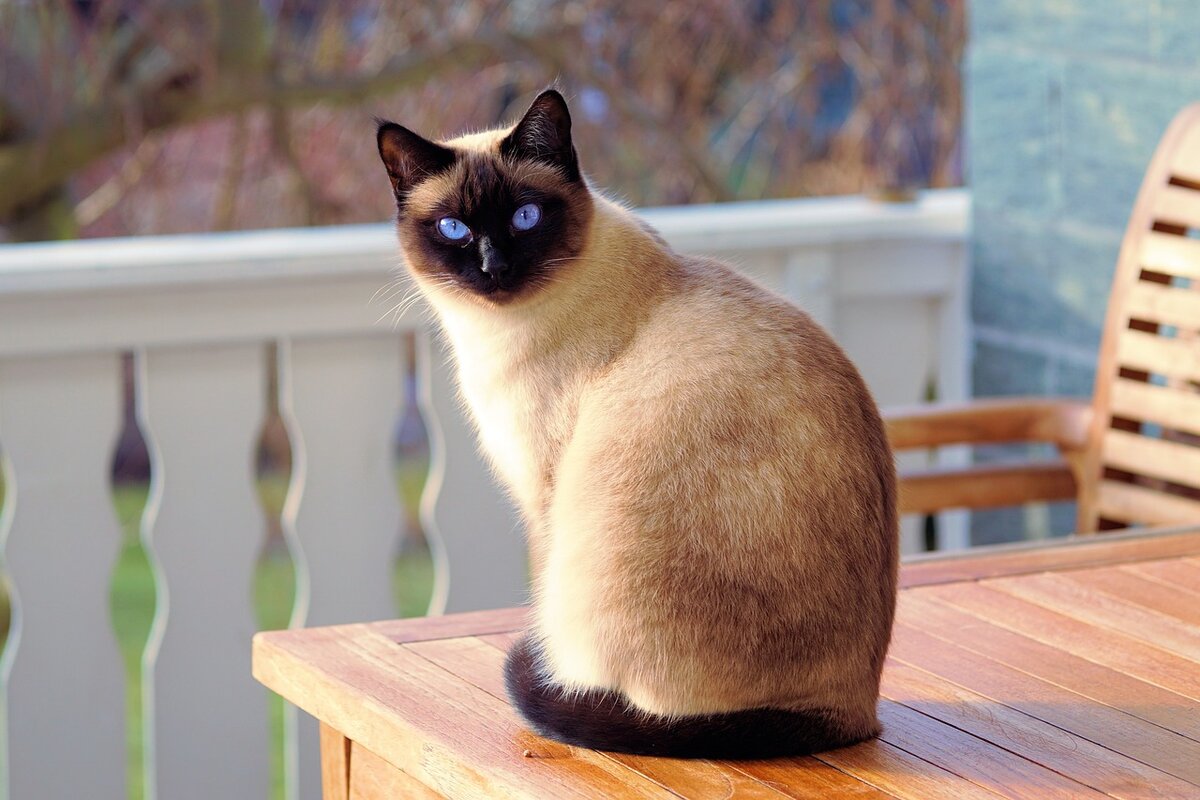
There are many horror stories about the character of these cats. Siamese cats are not the most good-natured breed of cats. They are vindictive, jealous, and easily offended. These little creatures are capable of and enjoy taking revenge.
Siamese cats have a strong and stubborn character. They are loyal to only one person. Even in a large family, they will obey only one "leader." Siamese cats love their owner's attention and do not tolerate loneliness. These animals have a well-developed intuition: they literally anticipate their owner's actions and read their thoughts.
This breed is very active. They poke their noses into every corner of the house, can run from room to room at night, and meow incessantly. They can also cause mischief, such as scratching furniture. These animals are not suitable as pets for those who prefer order and quiet.
Siamese cats don't get along well with other animals. There are exceptions, but in most cases, these cats will give owners who offend them a sweet life. This breed is known for its fearlessness and strength: they can pick a fight even with someone stronger than themselves. Incidentally, Siamese cats can also react negatively to the arrival of a newborn baby.
Scottish Fold cats
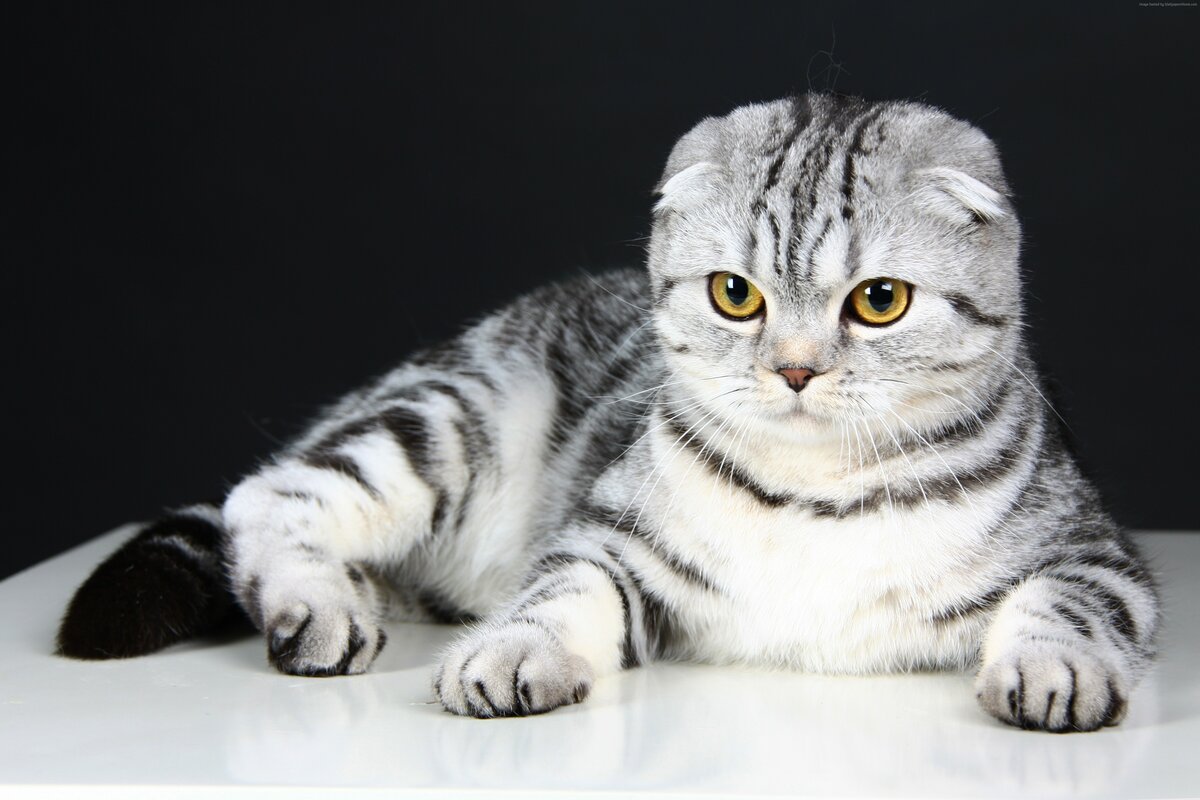
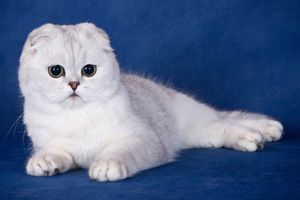
Scottish Fold cats are cute on the outside, but they have a tough personality. They're the kind of pet that follows you around and meows annoyingly. As kittens, they're very nervous and even aggressive. At any age, Scottish Fold cats are hyperactive and clingy: they might stalk their owner from around the corner and attack. If left unattended for too long, they'll cause mischief. These cats require constant activity. But they're poor hunters: they won't catch mice.
Scottish Folds are capricious and stubborn. They don't like to be held and don't tolerate being hugged. If games and affection are forced upon them, they'll resort to using their teeth and claws. They don't treat strangers well.
Before getting a cat, it's worth studying its personality. Based on your own lifestyle and temperament, you can choose the perfect pet for you.
 Novel
Novel
1 comment