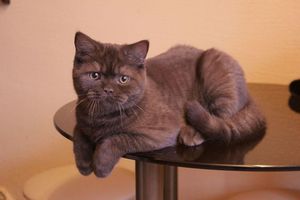
 The homeland of these cats, distinguished by their aristocratic character, is Great Britain, and from the moment they appeared, they became a symbol of that country. These creatures, which come in various sizes and invariably have short, plush fur and a charming "Cheshire" smile, were officially registered in 1987. Even then, the British breed began to gain popularity worldwide.
The first officially recognized British Shorthair was pure white. However, breeders remained focused on creating a large-sized cat characterized by strength, endurance, calmness, and intelligence. As a result, British Shorthairs are now available to many. provide more than 25 types of colors, including black, red, and others. Among them, there are also quite rare specimens that are of great value not only as animals, but also as objects for sale.
Types and colors of British cats
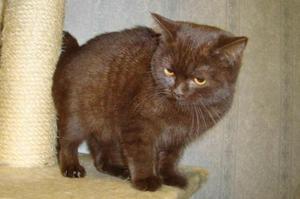 Due to the long-standing efforts of breeders to popularize British cats, which involved using other well-known breeds, this ultimately led to the creation of offspring from cats originating from different continents. Therefore, today a wide variety of pedigree varieties are available, including red ones. A characteristic feature of the first representatives of the British breed was the presence of a thick undercoat and short hair. By crossing with the Persian cat, it was possible to create semi-longhaired British.
Currently, many people associate a British Shorthair with a smoky or blue coat. However, few realize how diverse British Shorthair cat colors can be. Kittens born to two "standard" parents are particularly unique. Currently, there is a classification of British Shorthair colors based on pattern, color dominance, and pigmentation.
Plain blue
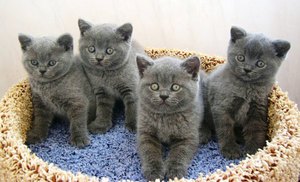
This is one of the common colors of the British breed, which is better known as gray or classicBlue British Shorthairs have a solid-colored coat, lacking any lighter hairs. The undercoat is typically a lighter shade. These animals have only blue skin. Within this breed, animals with a lighter skin tone are prized. A residual pattern is often visible in kittens, but as the animal matures, it disappears completely.
Solid and smoky
An animal can be classified in this color group only if all hairs, undercoat, and skin are the same color. The presence of a small spot on the skin is sufficient grounds for excluding a cat from the solid elite group. Among the solid-colored British cats, cinnamon and fawn are the most prized. The most common British cats are those with black, blue, lilac, chocolate, red, cream, and white coat colors.
Animals with smoky fur color are characterized by the presence of a light-colored undercoatTherefore, when the cat moves, its fur takes on a unique iridescent sheen. However, the most prized are the smoke-colored British Shorthairs, which have a black coat.
 PurpleThe characteristic features of this solid color are a complex combination of blue and pink. Unfortunately, words are insufficient to describe this color. Light lilac kittens are presented with fur that is almost pink. Against this background, adult dark male cats, whose fur is reminiscent of a delicate latte, look very beautiful. The nose and paw pads have a solid color, the same color as the fur. Differences may appear only in the undercoat, which is slightly lighter. This complex coloring can be explained by the fact that these animals lack the gene responsible for this color mixture. Therefore, breeding lilac cats does not depend entirely on the professionalism of breeders; luck also plays a role. Light lilac males of the British Shorthair breed are distinguished by their eyes, which have an orange or copper tint.
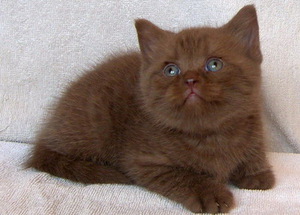
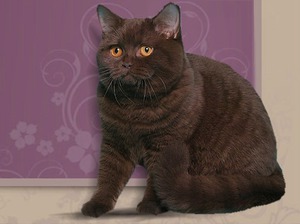
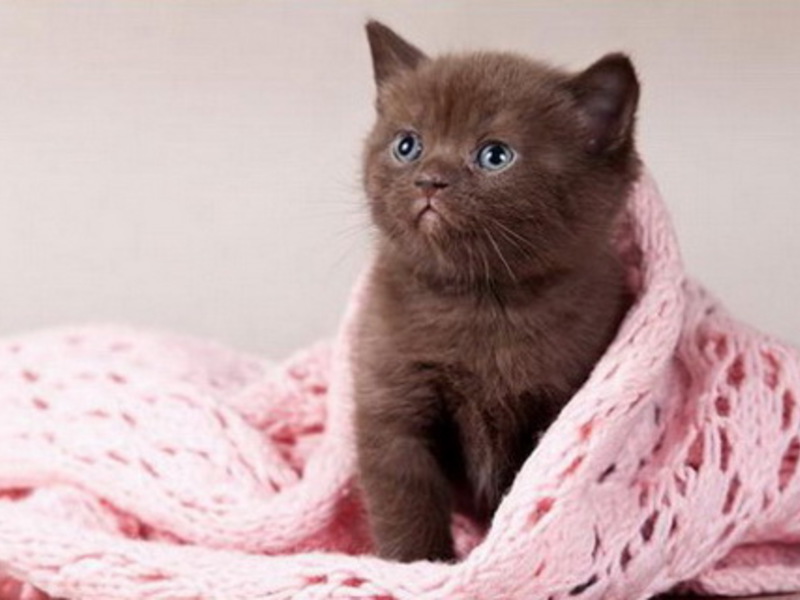
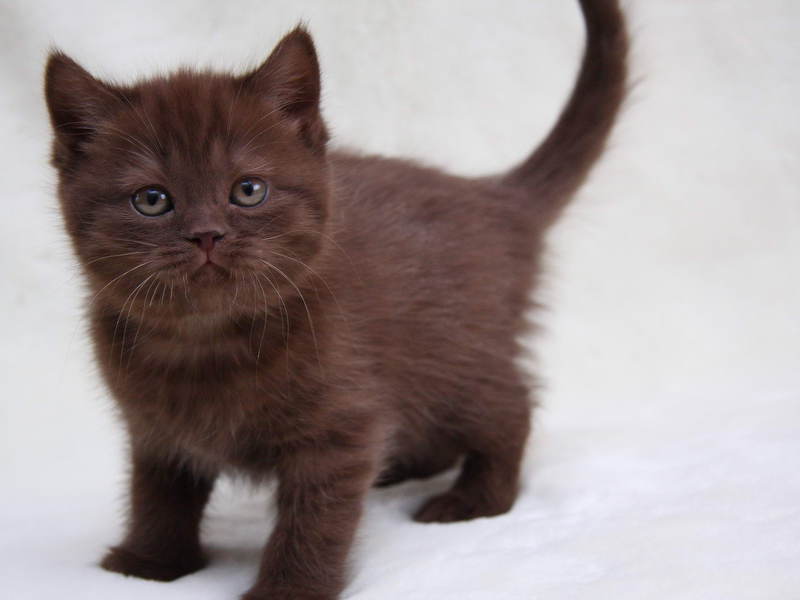
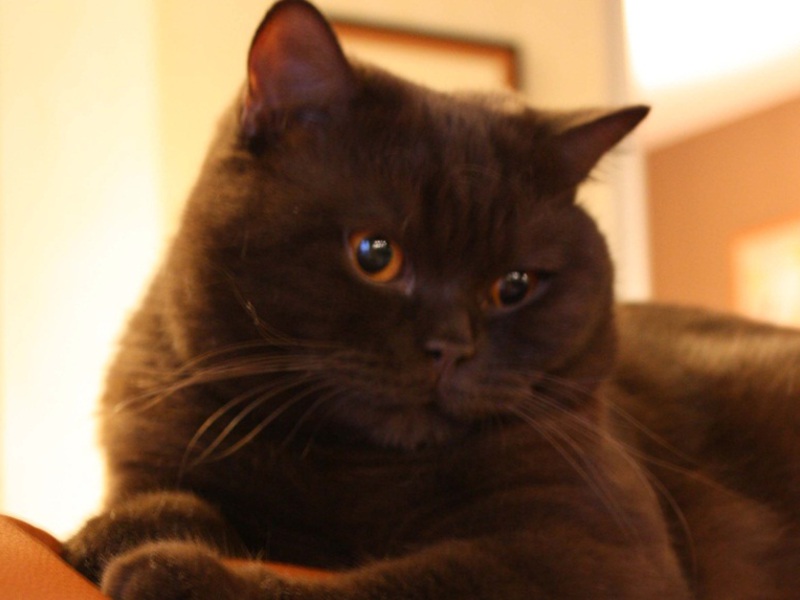
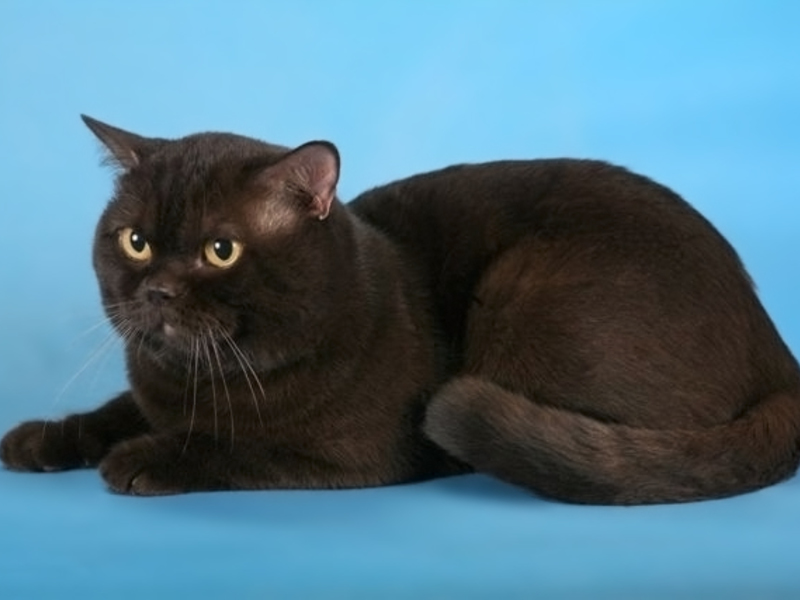
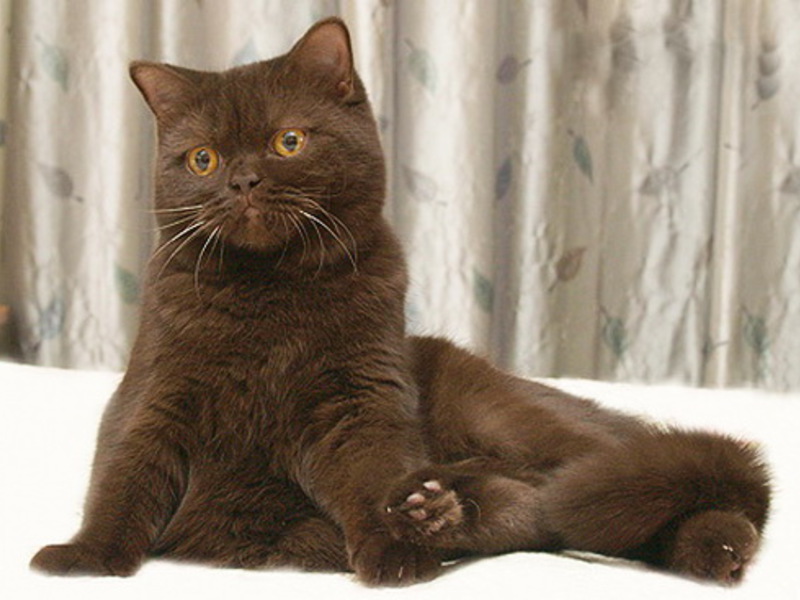
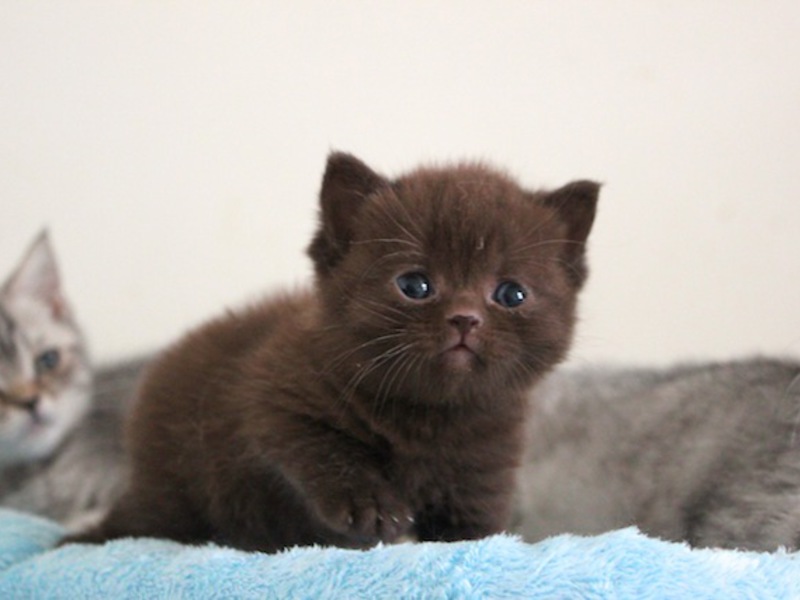
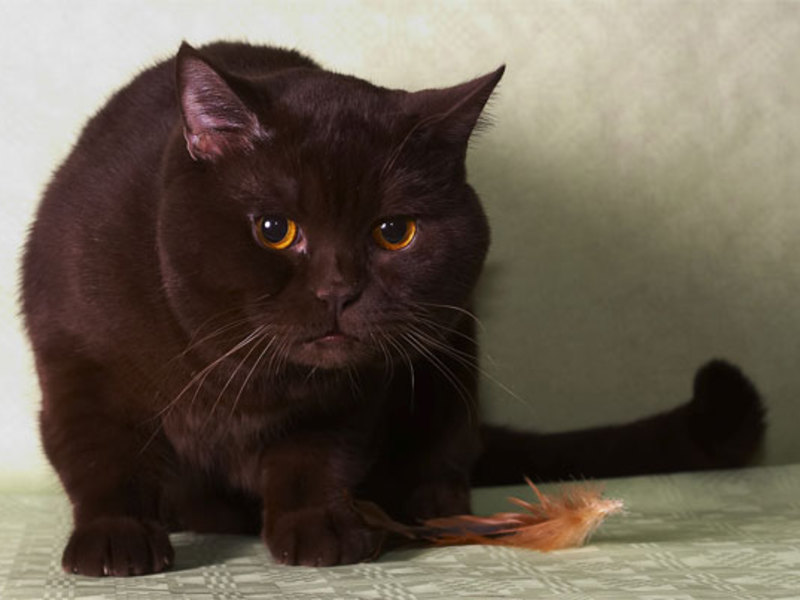
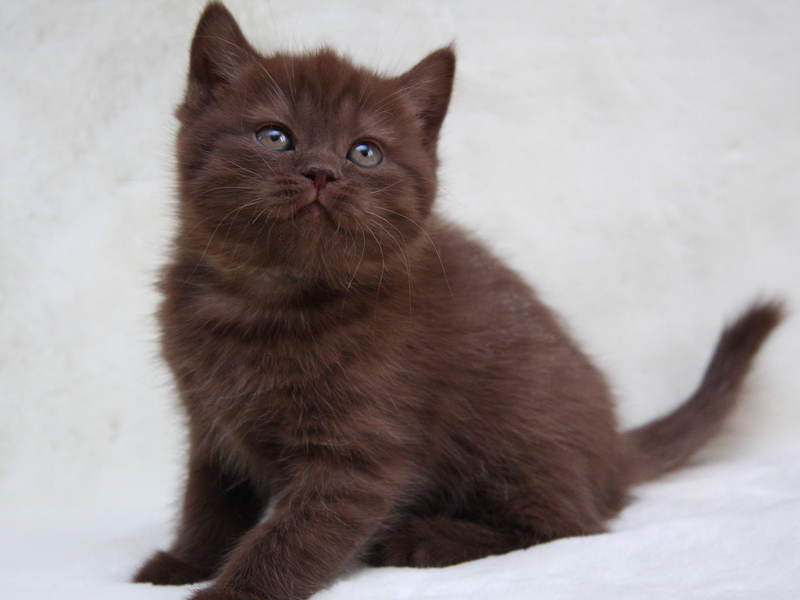
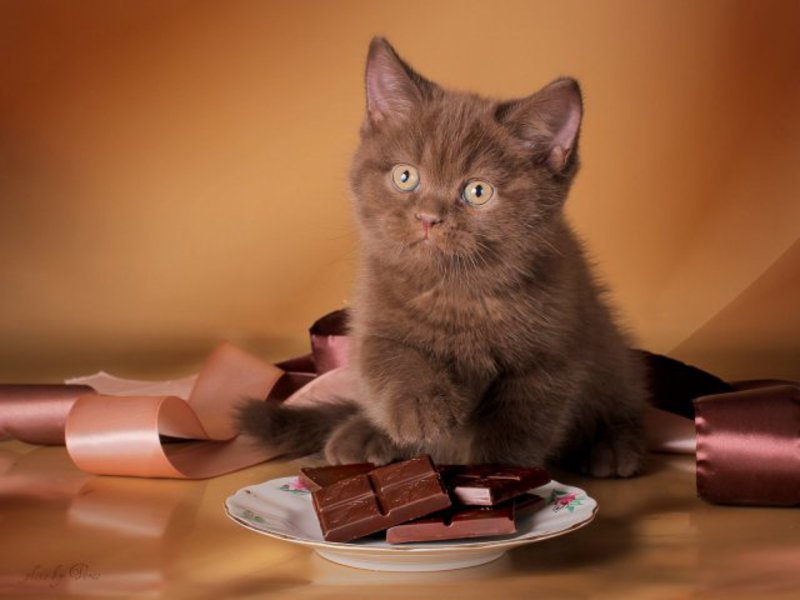
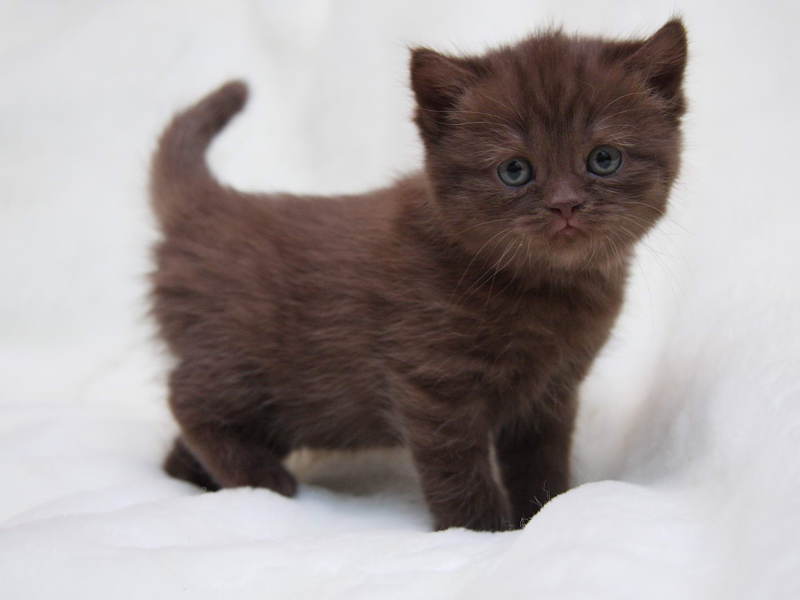
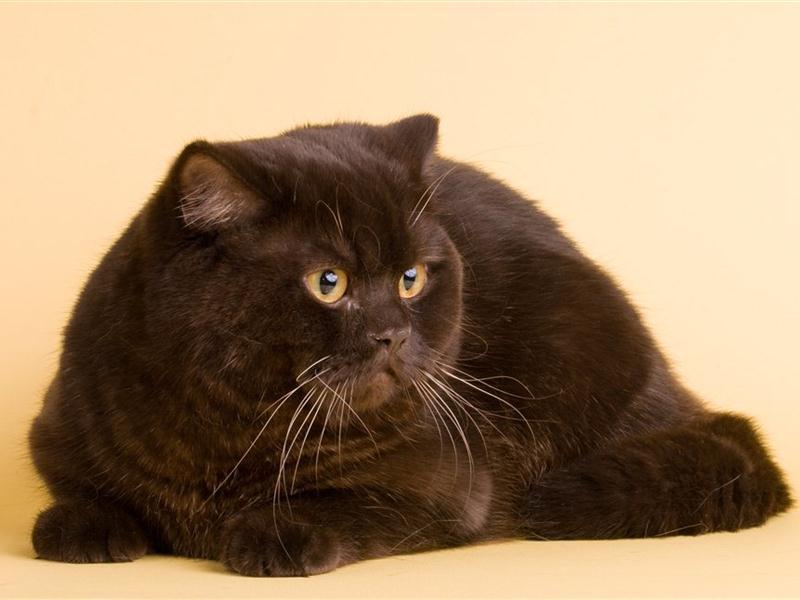
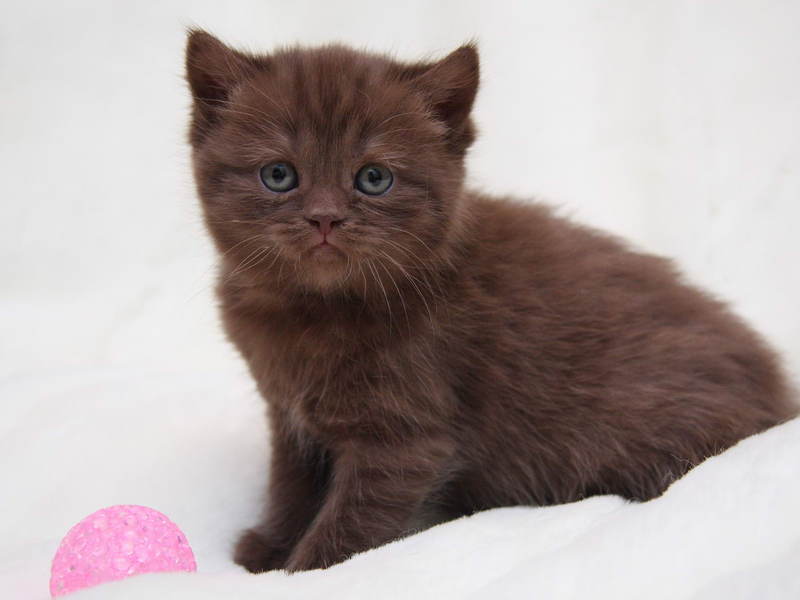
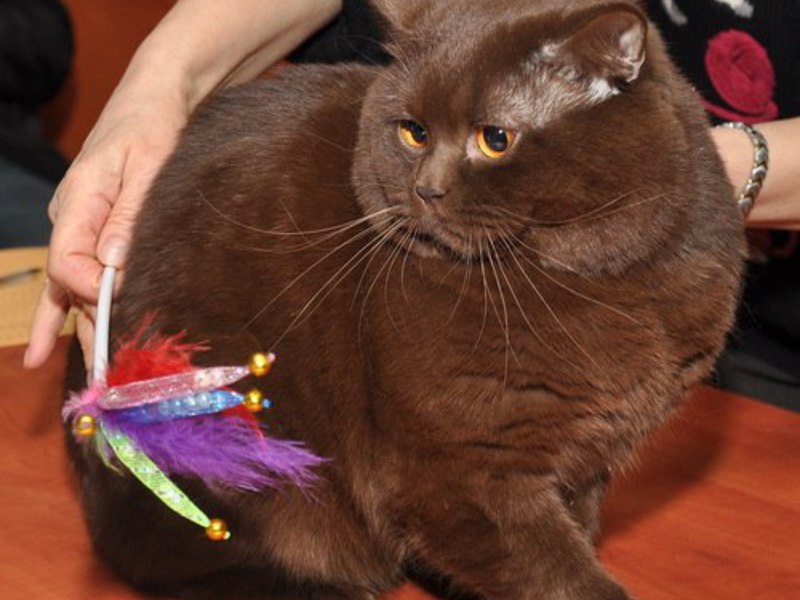
- ChocolateThese breeds have fur, like their skin, characterized by deep pigmentation, and a deep, warm color. Adult animals have a rich brown hue, which becomes even deeper in rarer specimens. Animals with this coloring are often referred to as chestnut or Havana.
- BlackAnimals of this color have a jet-black coat that covers the entire surface, extending into the undercoat and skin. The main problem in breeding this breed is the "color shift" of the coat, which occurs in young kittens aged 6-7 months. If a kitten is a rich jet black as a kitten, its color may change to dark brown or chocolate within a year. However, this cannot be predicted; heredity is the determining factor.
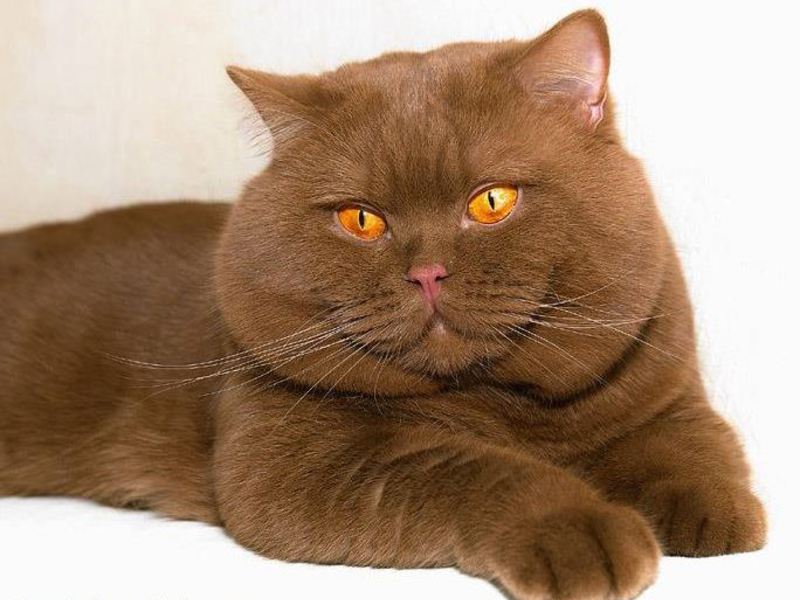
- CinnamonAnimals of this color have a cinnamon hue, which is very rare. This is why so many people want these British cats. In the first years of life, this color appears as a light chocolate. Such individuals can only be created by crossing gene carriers. They are rare because "cinnamon babies" are born only after every other generation, and in some cases even less frequently.
- Fawn. Uninformed owners often mistake this color for cinnamon and cream. It's not very common to see animals with the "fawn" coloring. Its characteristic appearance is shades of pink and crème brûlée, which are common in lilac cats.
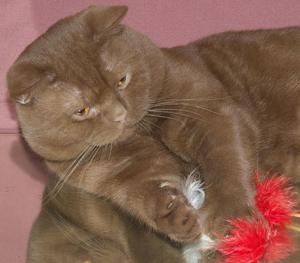 PurpleThe characteristic features of this solid color are a complex combination of blue and pink. Unfortunately, words are insufficient to describe this color. Light lilac kittens are presented with fur that is almost pink. Against this background, adult dark male cats, whose fur is reminiscent of a delicate latte, look very beautiful. The nose and paw pads have a solid color, the same color as the fur. Differences may appear only in the undercoat, which is slightly lighter. This complex coloring can be explained by the fact that these animals lack the gene responsible for this color mixture. Therefore, breeding lilac cats does not depend entirely on the professionalism of breeders; luck also plays a role. Light lilac males of the British Shorthair breed are distinguished by their eyes, which have an orange or copper tint.
White
This group includes British cats whose eyes have a characteristic blue or complex color.
- the coat has cool tones, and the skin has a light pink color;
- Kittens often have color spots, but they gradually disappear during the first year of life;
- Unlike red and black breeds, white British cats do not turn yellow, which affects all areas of their fur, including the inner surface, the area under the eyes and the tail area.
Color Point
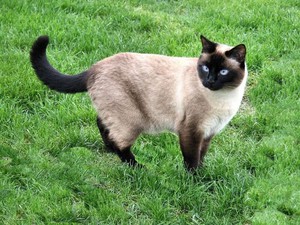
 This group is represented by cats with two-colored eyes, where the dominant colors are white and blue. Within the dominant shades, colors are often found. from light gray to redA characteristic feature of animals that represent the British Colorpoint group is the presence of an extremely rare Siamese color, which has a black or chocolate palette.
Silver and gold shaded
The main color is found mainly on the head, ears, tail, and back. The silvery sheen is the main decoration. collar, paws, belly and chestWithin this group, it is customary to distinguish black, blue, lilac, chocolate, cinnamon, and fawn silver shaded British Shorthairs.
However, breeders treat all silver cats differently, considering them a single species called chinchillas. This is a grave mistake.
Silver chinchillaRepresentatives of this species are distinguished by their silvery, shaded coat, making them highly prized. Bred by crossing with Persian cats, these animals are distinguished by a more sociable nature, in which they surpass their relatives. Other distinguishing characteristics include pigmented hairs, in which the silvery light penetrates no more than 1/8 of the length.
Conclusion
 British shorthair cats are a popular and sought-after breed in many countries. They are attractive not only for their character, but also, above all, for their decorative features. Based on this characteristic, a wide variety of British shorthair varieties can be distinguished.
Breeders have worked hard in recent years, so today we have animals available that even many cat lovers have never heard of. It's unlikely anyone even imagined that they existed. chocolate and lilac BritishHowever, they do exist and are in high demand. Therefore, there are always those interested in such specimens.
 Catherine
1 comment