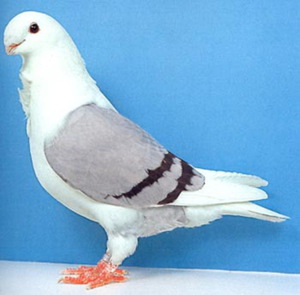
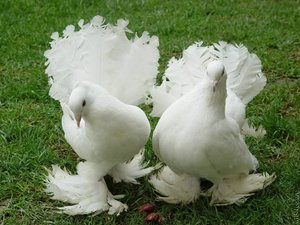
Feeding pigeons outdoors is a wonderful pastime. But we have no idea what dangers await us and the birds.
Wrong food
Contrary to popular belief, pigeons should not be fed bread on a regular basis: it can only be used as a dietary supplement in small quantities. Bread products cause obesity in pigeons, often leading to gastrointestinal problems, and these changes are irreversible. As for black bread, it should not be given to pigeons even in small quantities, as it causes bloating, followed by gas volvulus (bloat), a buildup of gases in the body without a release.
Potatoes are given only as a food supplement: despite their high carbohydrate content, they cannot replace the grains necessary for the normal development of birds, so potatoes are boiled, peeled, mashed, mixed with grains, and only in this form are they fed to pigeons.
Pigeons should not be fed rye, as it causes diarrhea. It is also not recommended to feed them meat or fish, as they are not digested at all.
Dairy products can cause dysbacteriosis in adults, and sunflower seeds should be given in strictly limited quantities.
Risk of getting sick
By feeding pigeons, you risk contracting the following infectious diseases:
- Ornithosis is an acute infectious disease caused by chlamydia, an intracellular parasite. A person develops a fever of up to 39°C (102.4°F), headaches, muscle pain, cough, and a sore throat. If the disease is not diagnosed promptly, enlargement of the liver and spleen may occur. Full recovery occurs within 2-3 months of treatment.
- Salmonellosis is a group of acute infectious diseases caused by bacteria of the genus Salmonella. The disease is characterized by damage to the human gastrointestinal tract, followed by dehydration and intoxication. Salmonellosis can be contracted by consuming food that has come into contact with pigeon droppings. The disease is often fatal.
- Yersiniosis (pseudo-tuberculosis) is another acute infectious disease, primarily affecting the gastrointestinal tract. Generalized involvement of other organs and systems is often observed. The most common symptoms include fever, headache, weakness, muscle pain, and loss of appetite. Nausea, vomiting, and diarrhea are also possible. Less common symptoms include joint pain and a rash on the lower arms or legs.
- Campylobacteriosis is an acute intestinal infection. Symptoms include fever, weakness, muscle pain and aches, particularly in the right abdomen and around the navel. Vomiting and frequent diarrhea occur during the first days of illness.
Lost vigilance
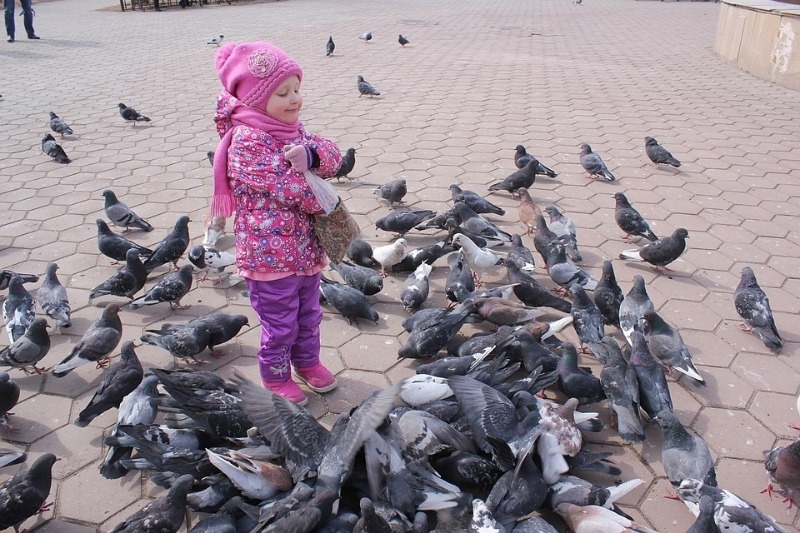
If pigeons are fed at relatively consistent times of day, over time they develop a conditioned instinct to flock to a specific feeding spot, often in fairly large flocks. Such large gatherings of pigeons cause a number of problems:
- When fed, pigeons instantly take to the air, rushing to grab the treat, completely oblivious to everything else. This can lead to them running into pedestrians, getting run over by bicycles, or even cars;
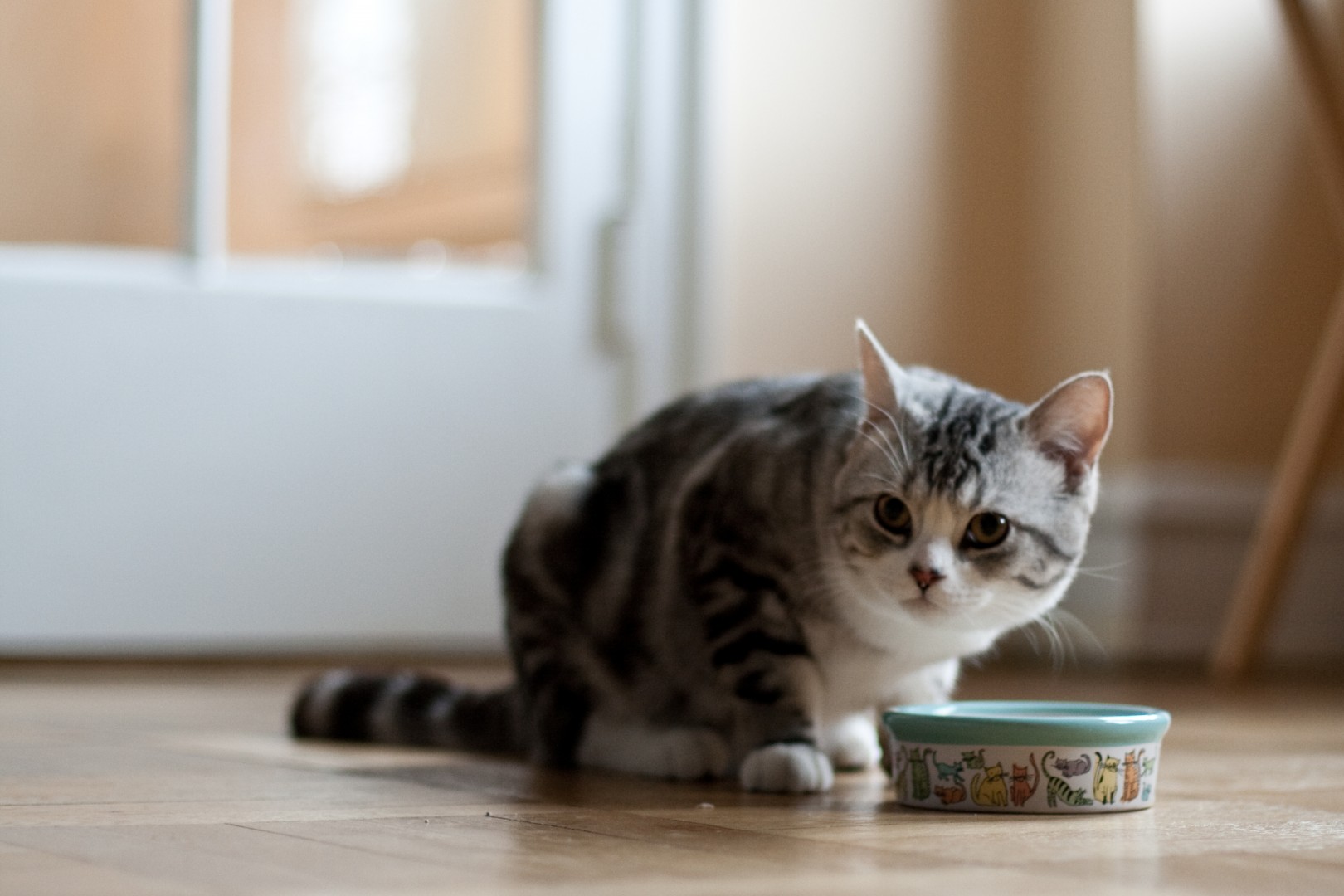
- In their excitement about eating food, pigeons lose attention to what is happening around them, which makes them vulnerable to predators (cats, dogs).
Damage to property
Feeding pigeons forces them to adapt to living in one specific location. During their daily lives, pigeons damage human property by excreting excrement, which can render sidewalks, window sills, and cars unacceptable. Pigeons are rightly called "feathered vandals" because they also damage cultural treasures: monuments are subject to erosion, and brick buildings deteriorate faster. Pigeons, by pecking seeds from cracks between bricks, widen the cracks.
Feeding pigeons is nothing more than an interference with the natural course of life in nature, which disrupts the birds' normal rhythm of life, damages people's property and is fraught with detrimental effects on our health.