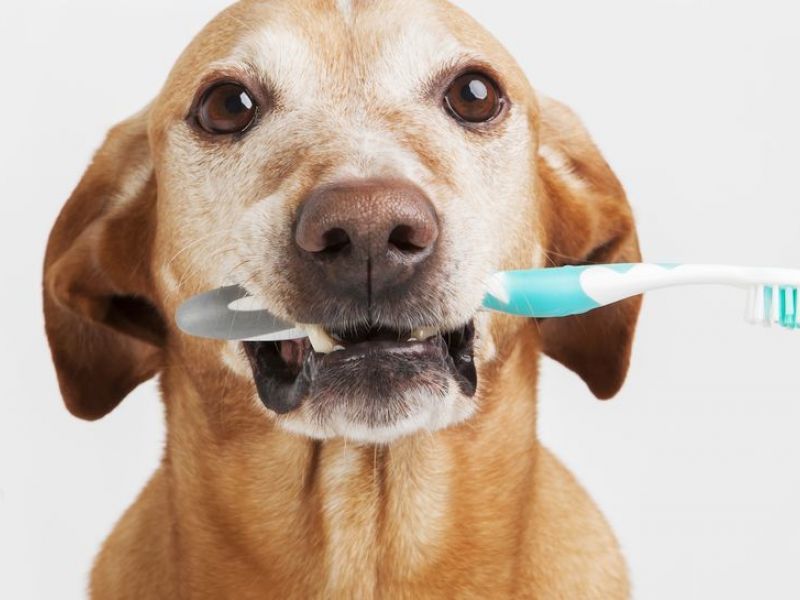
When it comes to pet dental health, pet owners face many conflicting opinions about proper care. Let's look at four of the most common myths about pet dental health that can be confusing.
Dry food is better for teeth
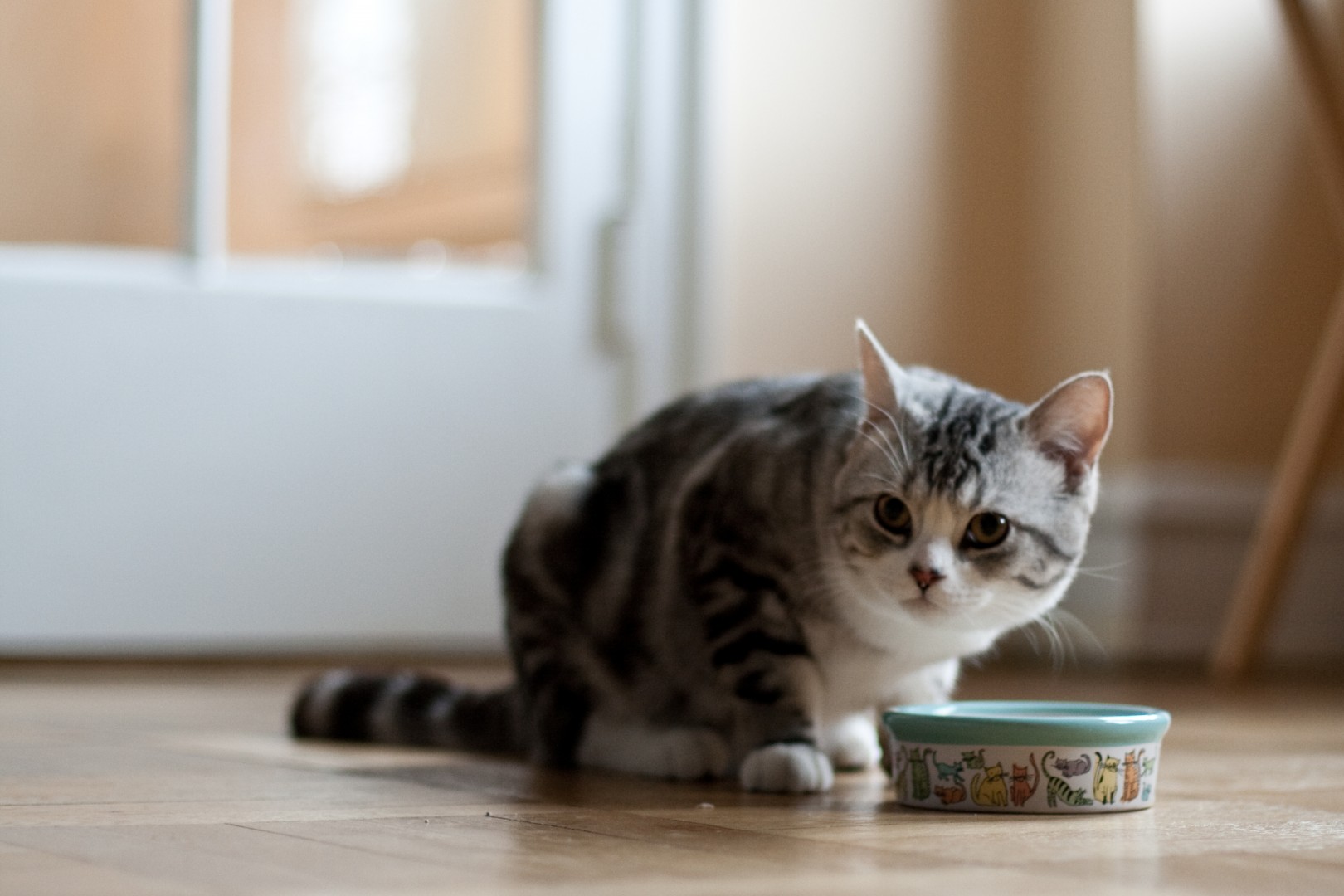
When it comes to cats, this assumption is fundamentally incorrect. The fact is that most dry foods are fragile and have small kibble sizes. Therefore, they don't cause any mechanical stress on the teeth when eaten. Furthermore, cats are natural carnivores, so they prefer to swallow their food whole. However, it's worth noting that some brands are developing specialized lines designed for dental health. Their kibble is harder and larger.
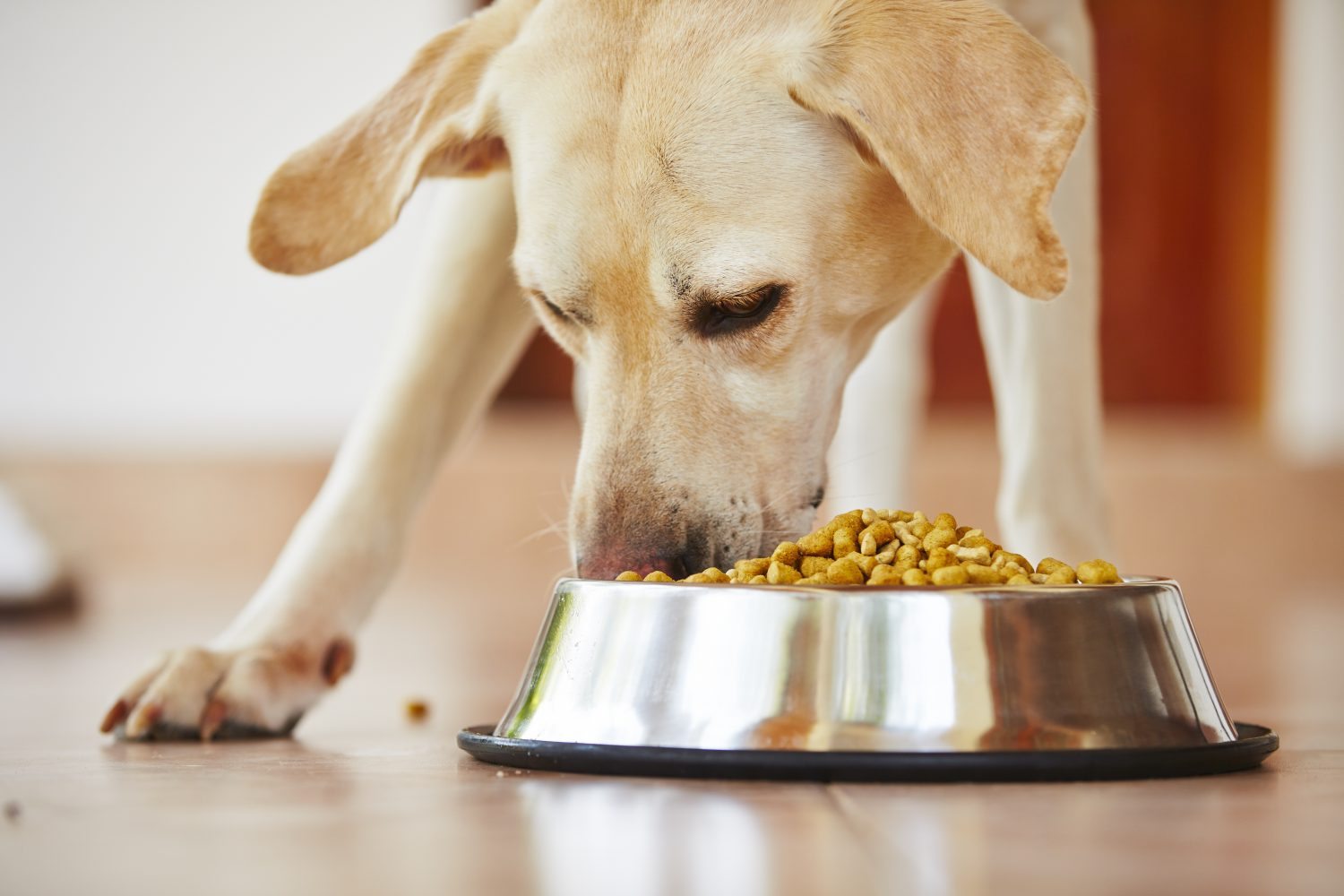
With dogs, the situation is a little different. This assertion is partially justified, as natural food can get stuck between their teeth, allowing pathogenic microorganisms to develop. Dry food solves this problem, but only partially.
In general, dry food does not contribute to pets' dental health. Only special treats and chew toys can help remove plaque. These are specifically designed for mechanical cleaning of pets' teeth.
If your pet has a broken tooth, it should be removed immediately.
In this situation, extraction is only necessary if the problem is with the root system. If only the crown is damaged and the tooth itself is healthy, a veterinary dentist should be consulted. The specialist will polish the surface and treat it with a specialized solution that will seal the cracks and pores at the fracture site. This procedure will help your pet avoid pain and discomfort in the future.
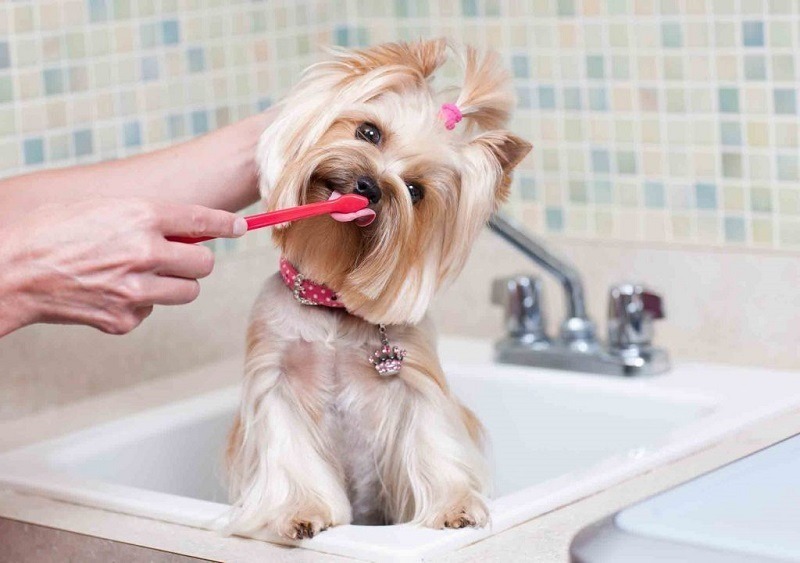
You can brush your pet's teeth with regular toothpaste.
This is absolutely not recommended, as human toothpaste contains fluoride. Animals cannot rinse their mouths, so the toothpaste's ingredients inevitably end up in their gastrointestinal tract. Fluoride can irritate the mucous membranes. Only toothpastes designed for animals should be used for brushing teeth. They are harmless and, what's more, pets enjoy the taste.
Close contact with a pet can cause a sore throat in humans.
In humans, sore throats are caused by group A streptococcal bacteria, which cannot be found in cats or dogs. Only group G streptococcus, which is completely harmless to humans, can be found in the nasopharynx, upper respiratory tract, and on the skin of animals. Therefore, it is impossible to catch a sore throat from a pet.