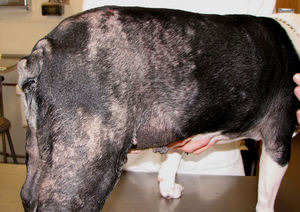
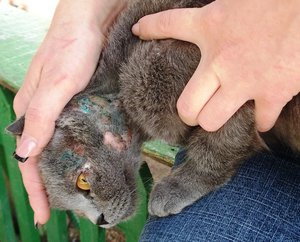
Pyoderma is a condition in which purulent inflammation develops on the superficial and deep layers of a dog's skin. It is believed to be secondary and occurs as a result of a number of other skin problems. It occurs in dogs of various breeds and ages. Gender also does not affect the manifestations.
There is not only a superficial form (affecting the upper layers of the skin), but also a deep form (muscles, fatty tissue) of the disease.
Content
Types of pyoderma in dogs
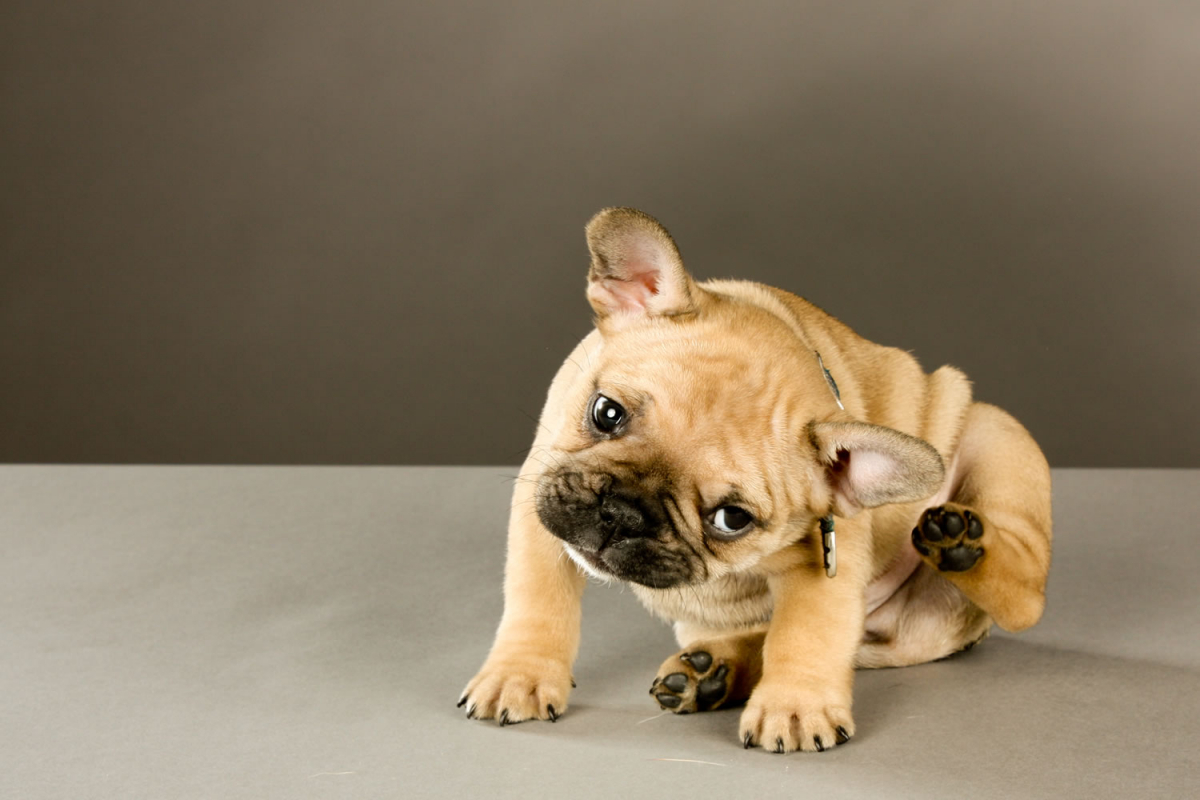
Pyoderma occurs:
- Interdigital or purulent. It occurs as a result of injury due to fungal infections, cuts, punctures, parasites, and burns. Increased skin sensitivity can be a cause of the condition.
- Calloused. It occurs when the immune system is weakened. Superficial damage to the skin and thyroid dysfunction can cause this type of pyoderma. It is most common in large breed dogs. The affected area will appear on the skin over a large joint.
- Skin folds. High humidity contributes to the development of this type of disease. In spaniels, it often appears on the lower lip, while in Pekingese and bulldogs, it appears on the forehead, cheeks, and genitals.
- Superficial pruritic folliculitis. It occurs in short-haired animals due to seborrhea or hypersensitive skin. Pets sometimes scratch for days on end. Bald patches appear in the affected areas. The condition may resolve on its own with a healthy immune system.
- Impetigo. Most often occurs in puppies aged 3-12 months. It presents as inflammation in the form of pink, watery blisters. It can penetrate into the deeper layers of the skin.
- Acute dyshidrotic dermatitis. It manifests as a damp area with a characteristic odor. The animal constantly scratches itself, causing further damage. Treatment is long and difficult.
Reasons for occurrence
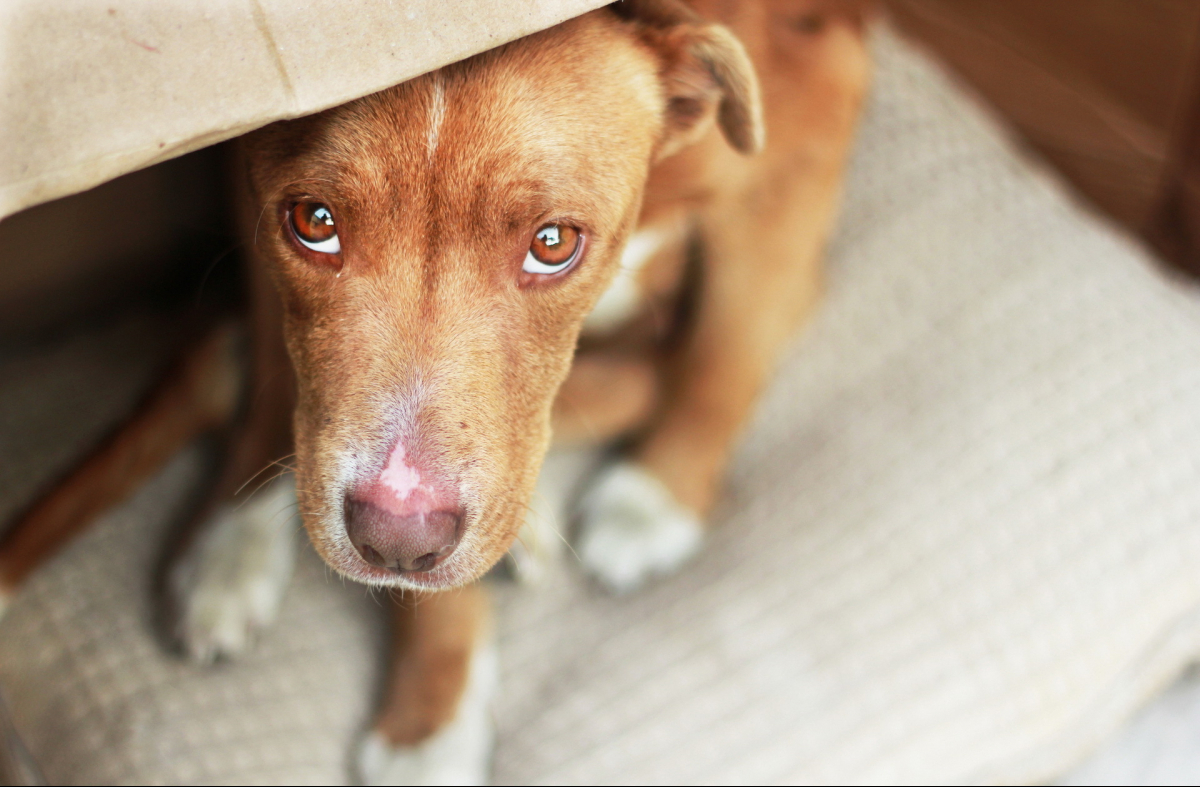
The main factor is a weakened immune system, which occurs during illness. Pyoderma can be caused by:
- Changing the type of food: changing food, switching from natural food to prepared food.
- New conditions of detention.
- Stress experienced.
- Allergy.
- Mechanical damage to the skin.
- Chemical effects on the skin.
- Long-term exposure of the animal to warm, humid conditions.
- Worms.
- Skin damage: wounds, scratches, cuts, microcracks, splinters, burns, abrasions from sand and gravel.
- Exhaustion.
- Diabetes mellitus.
- Gastrointestinal diseases.
- Disruptions in the functioning of the circulatory system.
Some dog breeds are prone to pyoderma due to their anatomical features, such as thick fur. The fur can sometimes form mats that take up a large area. Risk zones for developing the disease include: — folds on the face and body if they are not properly cared for.
Both under the folds and under the tangles, the skin is not provided with the necessary ventilation and begins to sweat. These conditions are favorable for staph. If immunity is weakened, the bacteria actively multiply and lead to the development of staph pyoderma in dogs.
Those at risk include:
- Animals with problem skin: dermatitis, dermatophyte.
- Dog breeds that have many folds on their bodies include Shar Pei, Neapolitan Mastiff, Chihuahua, and Bulldogs.
- Animals suffering from fleas, lice, ticks.
- Individuals with hormonal disorders.
- Dogs whose physical activity is too little or too much.
A number of factors increase the likelihood of developing the disease:
- fungi;
- hormonal imbalances;
- heredity;
- side effect of some medications.
Symptoms and diagnosis

With pyoderma in dogs, treatment and symptoms are interrelated. The main signs of the disease are:
- itching;
- unpleasant odor coming from the skin;
- redness, inflammation of the skin;
- the appearance of purulent discharge.
The animal becomes restless, twitchy, and nervous. It struggles to find a place to rest and chews itself. Squealing and whining may occur. The four-legged friend begins to interfere with the owner's sleep.
Symptoms may vary depending on the form of the disease. With superficial pyoderma, dogs develop small hardened lesions on the skin. As the disease progresses to a deeper stage, these lesions begin to fester. A fever is characteristic.
The initial signs of the disease are purulent papules accompanied by itching. These gradually develop into erosions. The superficial form is characterized by eczema, which most often occurs in excessively humid climates. The deep form is characterized by the development of painful ulcers and hyperemia around the site of inflammation.
The affected area is covered with blisters. Over time, they may burst on their own. These symptoms most often appear in puppies under one year of age.
The primary diagnostic method is an examination performed by veterinary clinic specialists. The doctor will also conduct laboratory and instrumental diagnostics.
The doctor will perform superficial and deep scrapings to determine the presence of parasitic mites.
To rule out dermatophytosis, a Wood's lamp (LUM) examination is performed. A hair microscopy is performed, a skin swab is taken, and additional tests are performed.
A skin culture may be necessary to identify the bacteria present on the skin and determine an effective treatment. In some cases, a biopsy may be performed.
What is the danger of this disease?
If pyoderma isn't treated promptly, it will become chronic and have a detrimental effect on your pet's health. Significant ulcerative lesions will develop, emitting a foul odor.
If the infection is deep, pus enters the bloodstream, poisoning the dog's body and disrupting its normal functioning. The kidneys and liver are the first to be affected.
Is it contagious to humans and how is it transmitted to other animals?
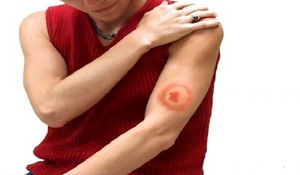
Gloves should be worn when handling your pet. Pyoderma is transmitted to humans through purulent exudate. The type caused by streptococci, staphylococci, and demodex is considered contagious and can be transmitted to other animals.
The main ways of infection:
- domestic;
- airborne;
- through feed;
- visiting a veterinary clinic where sanitary rules were violated.
Treatment

The treatment regimen includes the use of antiseptics and topical wound-healing agents. Anti-inflammatory and antipruritic medications are prescribed. Hair around the affected areas is always trimmed.
The healing and antimicrobial agents used are:
- Lorinden;
- Celestoderm;
- Travocort;
- Fucicort.
If the affected area is large, it is recommended to take baths and bathe with antiseptic shampoos:
- Globalvet Chlorohexidine;
- Urban Dog 01;
- DAVIS.
These medications should contain chlorhexidine or benzoyl peroxide. It is recommended to use these products 2-3 times every 7 days.
After washing, the pet's skin must be treated with antimicrobial compounds:
- with regular brilliant green;
- Zooderm;
- Vedinol;
- Iodes.
Antibiotic treatment lasts from 2 weeks to 2 months. In severe cases, two antibiotics are prescribed simultaneously.
The doctor prescribes the following medications:
- Tylosin;
- Baytral;
- Amoxiclav;
- Cephalexin;
- Enrofloxacin;
- Erythromycin;
- Lincomycin;
- Clindamycin.
One should be used for no more than 7 days. Do not stop taking the medication, reduce the dosage, or violate the dosage regimen on your own. This behavior leads to relapse and complications.
A mandatory stage of treatment is treatment for ectoparasites. A specialist will analyze the animal's diet to determine the possibility of an allergic reaction to any food. A hypoallergenic diet may be prescribed.
The following medications are used to strengthen the immune system: Gamavit, Fosprenil, Splenin, Cycloferon, Immunofan, Pyrogenase.
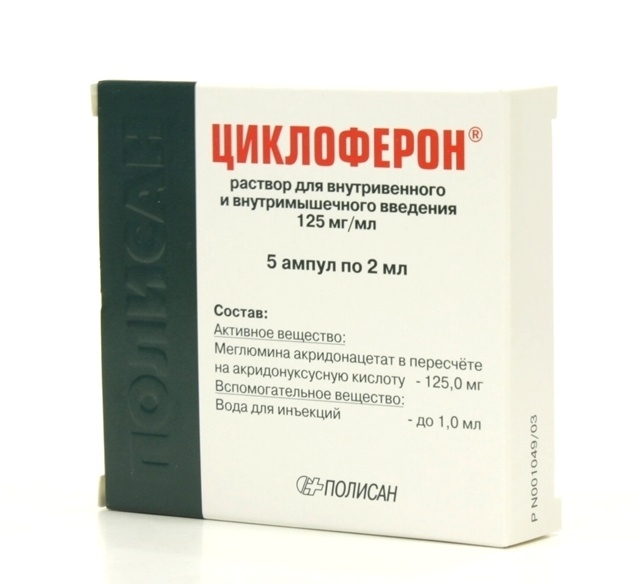
Interdigital pyoderma in dogs is treated with streptomycin ointment, Vedinol, and Maxidin. Novocaine or lidocaine is administered to relieve pain.
Prevention
Preventive measures are easy to implement:
- A balanced diet that includes essential micronutrients and vitamins is recommended. It's best to use professional pet food that contains all the necessary nutrients. Avoid sudden diet changes. It's recommended to do so gradually, over a 5-6 day period.
- Regularly treat all pets for ectoparasites. This can be done using drops, collars, or sprays.
- Timely deworming.
- Avoid contact with other sick animals.
- Proper coat and skin care (using special shampoos, sprays, antiseptics for wrinkles, and ear cleaning lotions) is essential. Brushing should be done weekly. After going outside, inspect the paws for damage. It is recommended to trim long-haired dogs in hot weather. The dog's habitat should also be dry and warm.

It's essential to consult a veterinarian promptly. Pay close attention to any wounds on your pet's body, treating them promptly with brilliant green or hydrogen peroxide.
Life expectancy and possible complications
The prognosis is favorable if all doctor's instructions are followed. Early stages of the disease respond to symptomatic treatment. The situation becomes more complicated if pet owners, having noticed characteristic symptoms, fail to seek medical attention promptly.
But even if pyoderma becomes chronic, with proper treatment and accurate identification of the causative agent, the prognosis is favorable. Possible complications include persistent scarring, baldness, and pigmentation changes.
Pyoderma is a fairly serious condition in dogs that requires proper treatment. Prompt consultation with a qualified specialist and treatment can help eliminate the disease before it progresses. Pet owners should be more attentive to their pets, as with proper care, pyoderma can be prevented.