 Every dog owner has likely encountered the unpleasant experience of their pet developing diarrhea. The most shocking thing is that the cause of the diarrhea is completely unclear, as the owner believes there have been no significant changes to the dog's diet.
The idea that this is a temporary phenomenon and that everything will return to normal on its own is the main reason for the disease's progression and its transition to a chronic stage. It is extremely important to carefully monitor your pet's toilet habits and frequency. Only such an approach can not only detect the disease early but also prevent its progression. The conditions that allow the disease to progress rapidly are inattention and irresponsibility!
Everything is as usual, but the dog has diarrhea with mucus.
For dog owners, especially those with a first dog and little experience caring for them, the onset of diarrhea or bloody diarrhea can be a real shock. Don't panic. First of all, it's important to know what conditions can cause or trigger diarrhea. It turns out there are many possible causes, especially in this day and age, when food is simply saturated with food additives, colors and flavorsThe main ones are:
 violation of the feeding regime (or complete lack thereof!);
- spoiled foods or even those that have a bad odor;
- a sudden change in diet, when an animal accustomed to eating dry food (for example) suddenly begins to eat cooked or raw food;
- various objects getting into the dog's esophagus;
- the presence of chemicals in the body.
 violation of the feeding regime (or complete lack thereof!);
Owners should not only be aware of such situations, but also carefully avoid them. Very often, pets they start feeding you all sorts of goodies (in honor of a holiday or birthday), which cannot be fully digested by the body or are unusual. A sudden change in the composition of a dog's diet is also a common cause of diarrhea.
It's important to understand that a dog's intestinal tract is adaptive. It secretes a certain amount of gastric juice, which is sufficient for the type of food the body is accustomed to. When introduced to unfamiliar food that requires more gastrointestinal effort, the body cannot cope immediately. Therefore, if you decide to change your dog's diet, do so gradually, adjusting the menu in small doses.
However, there are other causes of diarrhea or diarrhea with blood, which are a consequence of diseases or the presence in the body all kinds of infections:
- Presence of a malignant tumor.
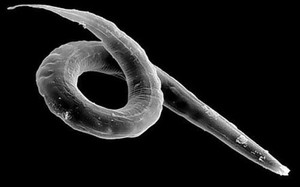
- Presence of worms.
- Infectious diseases.
- Improper functioning of the gastrointestinal tract.
This is a more serious issue, which cannot be resolved without the timely intervention of a medical specialist. It is crucial to identify the symptoms of the disease early, which will ensure the treatment process is quick and most effective.
Types of ailments in dogs
Of course, no matter how experienced the owner, making a definitive diagnosis is extremely difficult, and it requires medical knowledge. However, knowing the general characteristics of ailments is very important. For example, if a dog has diarrhea or defecates more than four times a day, and the feces are liquid, there is a problem related to issues such as poisoning or vitamin deficiencyAlmost every type of illness has its own characteristic symptoms, which are not difficult to remember:
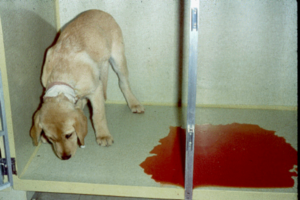
- If bloody diarrhea occurs, you should immediately sound the alarm. This indicates serious problems with the animal's internal organs, which must be examined immediately. It's important to understand that delaying this issue can be fatal. It's quite possible that the dog was given medications, which caused poisoning or a violent immune response.
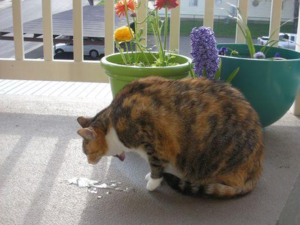
- Diarrhea is often accompanied by mucus. This discomfort indicates putrefactive processes in the animal's intestines. This can be caused by the animal's ingestion of poor-quality food or the presence of infectious pathogens. This type of diarrhea requires prompt veterinary intervention, as it can very quickly lead to dehydration and death. Mucus from vomiting is not as dangerous as blood, but only until the disease is advanced.
- If diarrhea is accompanied by vomiting, poisoning is a clear sign. To quickly and effectively relieve your pet's suffering, it's essential to seek medical attention immediately.
 If bloody diarrhea occurs, you should immediately sound the alarm. This indicates serious problems with the animal's internal organs, which must be examined immediately. It's important to understand that delaying this issue can be fatal. It's quite possible that the dog was given medications, which caused poisoning or a violent immune response.
Proper nutrition during diarrhea
The question naturally arises about how to feed a dog when it suffers from diarrhea or loose stools. First of all, remember: no force-feeding! If a dog doesn't want to eat, don't force it under any circumstances. The best option is for the animal to fast completely for at least 24 hours. normalizes bowel function.
Products that have an astringent effect or "bind" stool are good remedies. These include:
- liquid rice water;
- oak bark infusion;
- medium strength tea with a minimum amount of sugar;
- fermented milk products.
In these cases, it's important to know what your pet prefers. For example, if your dog didn't eat dairy products before developing diarrhea, you shouldn't offer them during the illness. It's important to keep the food moderate and did not burden the gastrointestinal tract, which is already inflamed or filled with mucus.
It's important to understand that treating an animal with these methods isn't realistic; it's merely a means of supporting the animal's health. Only a veterinarian should perform treatment, and this isn't negotiable!
Treating diarrhea and whether it's worth doing on your own
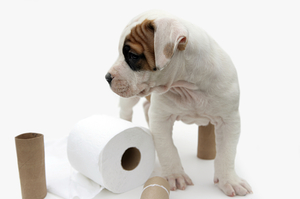 No matter how experienced an owner considers themselves, the best treatment for diarrhea in a dog is, of course, a prompt visit to a veterinarian. Incidentally, many unfortunate outcomes occur precisely because owners make the arbitrary decision to self-medicate. The mistake of such actions is that, without sufficient medical knowledge, it is very difficult to correctly diagnose a dog, and this is extremely important. It is important to remember that the effects of medications self-administered to an animal... can have a fatal effect.
However, there are safe methods that won't harm your pet. If diarrhea occurs, activated charcoal can be used. It's most effective when administered at a dose of one tablet per ten kilograms of body weight. This procedure can be repeated four to five times a day. It's important to remember that if your dog's diarrhea doesn't stop after using activated charcoal, the problem isn't poisoning or an irritant. This suggests a possible illness, worms, or infection.
Bloody diarrhea requires completely different treatment. A specialist should be called immediately and, without any hesitation, to ensure treatment is as quick and easy as possible. Before the doctor arrives, you can give the dog herbal infusions, which have an astringent effect. Oak bark tinctures have a very beneficial effect on the body, making them the most effective home remedy.
 To ensure that your pet is healthy, playful and cheerful, bringing joy to all the inhabitants of the house, it is very important conduct systematic monitoring Observe your pet's bowel movements and the condition of their feces. This seemingly unpleasant task can help quickly identify even the most incipient ailments. If your dog does experience diarrhea, don't risk the animal's life and health by using your own knowledge or following advice from a friend. Only a qualified professional should treat your pet!
Contacting a veterinarian promptly and taking the right steps before their arrival will make your dog's treatment quick, effective, and virtually unnoticeable!