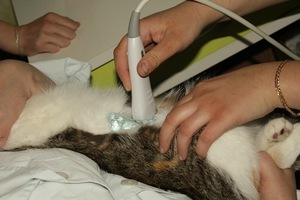
Renal failure (RF) is one of the most complex diseases, poorly diagnosed and often with a poor prognosis. Cat owners should be aware of its symptoms and treatment. It's crucial to recognize the signs of this disease promptly: if ignored or veterinary care is delayed, irreversible changes occur in the body, leading to the death of the animal.
Content
The main types of kidney failure in cats
The consequence of renal failure is water-salt and acid-base imbalance, leading to secondary dysfunctions of the main body systems.
PN in cats is a pathological process in which the excretory functions of this organ are disrupted.
There are two types of PN:
- acute (ARF) - damage to the renal tissue occurs over a short period of time, as a result of which the amount of urine excreted is sharply reduced, sometimes to the point of complete absence;
- chronic (CRF) - the excretory function gradually fades due to the death of nephrons.
In turn, there are three types of OPN:
- prerenal - the development of pathology is provoked by hypotension, heart failure, and prolonged dehydration;
- renal - the disease is caused by systemic infections and inflammatory diseases of the kidneys, and the lesion is located directly in them, and is also a consequence of long-term use of certain medications;
- postrenal - pathology caused by partial or complete obstruction of the ureters or urethra.
The stages of CRF are classified as follows:
- latent - against the background of a reduced glomerular filtration rate, the concentration of creatinine in the blood remains within the normal range;
- initial - an increase in nitrogenous metabolic products excreted by the kidneys is observed;
- conservative - the body accumulates intoxication with protein metabolism products;
- terminal - the amount of calcium in the blood serum is critically reduced.
In any of these cases, developing nephron necrosis leads to impaired blood circulation in the kidneys and their hypoxia, as well as a decrease in the ability to filter and remove toxic metabolic products.
Causes of occurrence
Dehydration can be a cause of kidney failure.
The causes of the development of PN can be conditionally divided into two groups:
- arising as a result of pathogenic processes directly in the kidneys (the effect of toxic substances and medications on the renal pelvis, some infections, nephritis);
- predisposing, when a stress factor, without directly affecting the kidneys, still leads to their damage (destruction of red blood cells).
Symptoms
The signs of chronic renal failure and acute renal failure differ both in their course and in the rate of manifestation.
Symptoms of acute renal failure
There are 4 stages of development of the acute pathological process:
- Debut, or initial stage, is when it is difficult to determine the onset of the disease, as the symptoms of the underlying disease prevail.
- Impaired diuresis is one of the most striking symptoms of the disease: partial or complete cessation of urine output. Signs of uremia are observed.
- Diuretic - there is a gradual restoration of kidney function with a significant increase in the amount of excreted urine, which has a low density.
- The final stage is recovery: the signs of the acute course are leveled out, and with the restoration of urinary functions, the four-legged patient is said to be in rehabilitation.
Symptoms of acute renal failure are characterized by sudden onset and rapid development over a short period of time.
The owner notes changes in the pet's behavior and appearance:
- the cat's motor activity decreases sharply;
- against the background of complete anorexia, a strong thirst develops;
- frequent vomiting occurs without the rejection of the stomach contents;
- when the urinary tract is blocked, the animal’s attempts to urinate remain unsuccessful; with acute renal failure of a different etiology, urine volumes can fluctuate both upward and downward;
- urine is colored pink;
- manifestations from the central nervous system - tics, convulsions;
- coma may occur.
With uremia in cats, the excreted urine has a thick consistency, contains blood clots, and a visually noticeable sediment
Symptoms of chronic renal failure
Signs of the disease also appear in the animal’s appearance and behavior:
- appetite is significantly reduced, to the point of complete refusal to eat;
- the cat is apathetic, depressed, sleeps more than usual;
- a sharp loss of weight is noted, with visually noticeable protruding costal arches and a sunken abdomen;
- there are periodic attacks of vomiting not associated with the intake of food or water, nausea, and constant salivation;
- taste preferences change;
- a distinct smell of acetone can be felt from the mouth;
- urination becomes more frequent, accompanied by a change in the normal amount of urine in one direction or another;
- defecation, on the contrary, becomes irregular, no more than once every few days;
- the cat becomes nervous, fearful, and easily excitable;
- In the terminal stage, tics of the limbs and face, as well as convulsions and the onset of coma may be observed.
The clinical picture is complemented by the following symptoms:
- slow heart rate;
- high blood pressure;
- extensive swelling, starting from the paws and spreading to the chest and abdomen;
- the appearance of bald patches on the coat, the fur becoming dull and disheveled;
- pallor of the mucous membranes of the oral cavity;
- the appearance of ulcers on the tip of the tongue.
In addition, palpation can easily reveal changes in the size of the kidneys, and examination of the muzzle can reveal softening of the facial bones.
Treatment
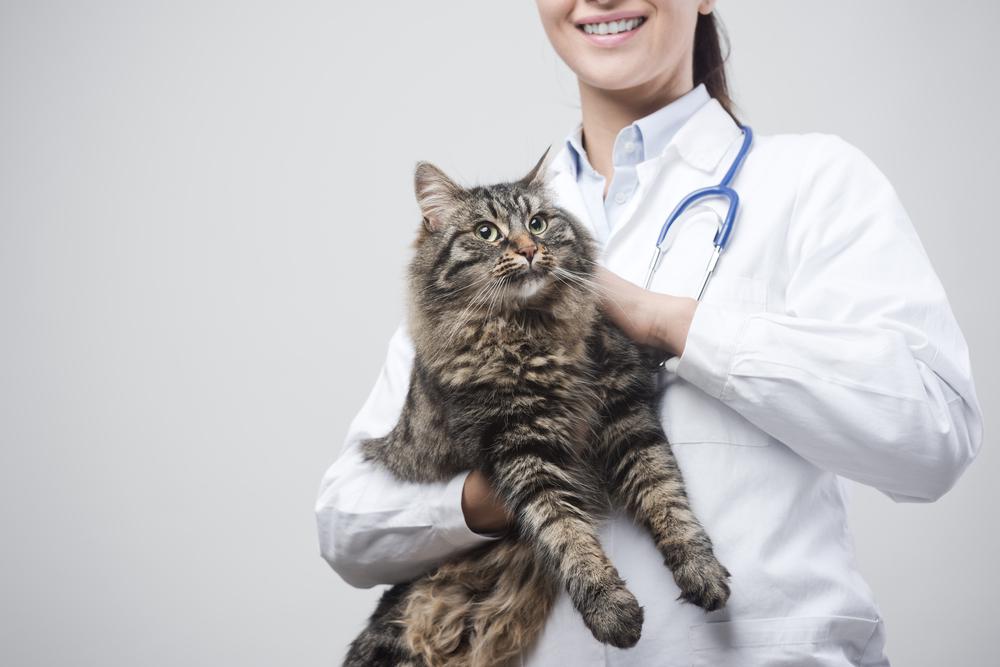
There is no general treatment plan for cats: a doctor selects it for each individual case.
Therapy for renal failure in cats is aimed at restoring the excretory function of the kidneys and reducing the symptoms of the disease. The treatment regimen for acute and chronic disease differs.
In case of diagnosed acute renal failure:
- identify and eliminate the underlying cause of the disease;
- bring the animal out of a state of dehydration;
- stop hemolysis (the process of breakdown and destruction of red blood cells);
- relieve intoxication;
- in particularly severe cases, hemodialysis is prescribed;
- strictly control the food and drink regime.
In case of PN that has become chronic:
- a supportive diet and medications are prescribed to normalize blood pressure and compensate for heart failure;
- carry out measures to restore water-salt, mineral, and acid-base balances;
- eliminate signs of anemia;
- include vitamin intake in the treatment protocol;
- If necessary, hemodialysis is performed.
Table: Medications for PN in cats
| Group of drugs | Purpose of appointment |
| Antibiotics (Tsifran, Baytril) | To suppress secondary infection or to combat pyelonephritis |
| Glucocorticoids (initially "Dexamethasone", when the animal's condition stabilizes - "Prednisolone", "Metipred") | To increase diuresis, reduce swelling of renal tissue, and improve general condition |
| Diuretics (Furosemide intravenously, in a stable condition - the same drug and Veroshpiron in tablet form) | To increase the amount of urine excreted |
| Potassium supplements (Panangin or its analogue Asparkam) | To improve metabolic processes and replenish K and Mg in the body |
| Cleansing enemas or the drug "Lactusan" as an alternative to procedures | To eliminate the consequences of putrefactive processes in the intestines |
| Subcutaneous drips (Ringer's solution with glucose) | In order to maintain water, acid-base, and mineral balance, as well as to replenish fluid losses or create a water load with a subsequent increase in urine production |
| Analgesics (Baralgin, Lidocaine) | To reduce pain if present |
Caring for a sick animal
When diagnosed with CRF, the primary goal of therapeutic measures is to maintain stable function of the remaining healthy kidney cells. To reduce the burden on these organs, it is necessary to administer periodic IVs and medications according to the treatment regimen prescribed by the physician monitoring the animal. If the condition is stabilized, follow-up examinations are performed every three months.
It's important to constantly monitor your pet's weight and blood pressure. Sudden fluctuations in these levels are a warning sign.
The owner should be aware that the further course of the disease, in addition to treatment measures, is largely determined by the conditions of keeping and caring for the animal, the most important of which is dietary nutrition. The proper composition of the diet affects the proper functioning of metabolic processes, the level of toxins, and the body's ability to eliminate them. A specific diet is recommended by a veterinarian based on the stage of the disease, the severity of the condition, and the individual characteristics of the cat.

In case of an exacerbation of the disease, examination and tests are carried out as prescribed by a doctor.
In general, the composition of the feed should differ:
- low phosphorus content;
- optimal amount of protein;
- the presence of alkalizing substances to maintain pH balance.
If a cat has been diagnosed with PN, a diet consisting of dry food is contraindicated. To avoid protein deficiency and weight loss, specialists recommend choosing a special therapeutic and dietary super-premium ready-to-eat food.
At any stage of PN, the general principles of feeding a cat are also relevant:
- To improve kidney function, therapeutic feed should contain additional moisture;
- To maintain blood pressure within normal limits, it is recommended to eat foods in which the sodium content in dry matter does not exceed 0.5%;
- When feeding cats with PN natural food, foods high in Omega-3 fatty acids and antioxidants must be included in the diet.
Another problem may be that the animal refuses to eat. In this case, appetite stimulants and digestive stimulants are prescribed. Some owners manage anorexia in their pets by making their food more palatable. For example, they can grind tuna meat into a paste, dilute it with low-fat broth, and add this substance to the food.
Forecast
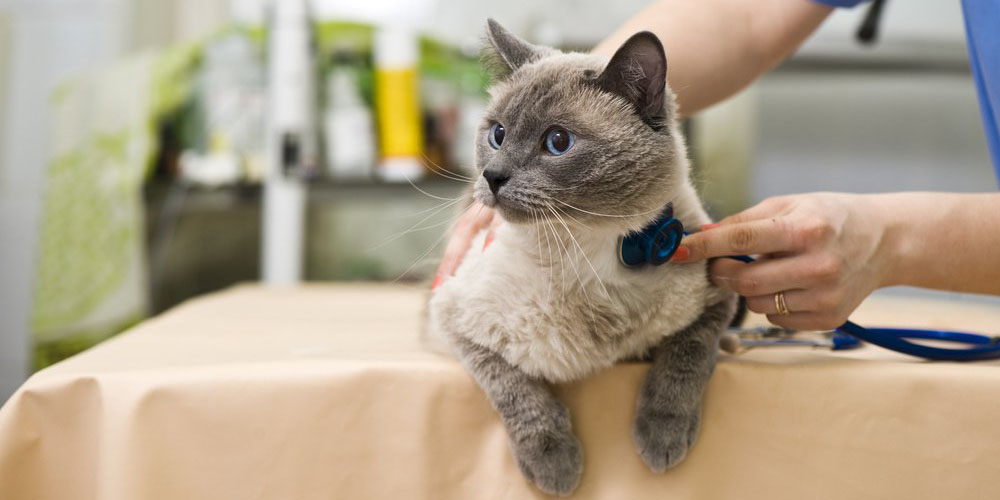
The outcome of the disease depends on what form of PN was diagnosed, how timely it was done, and whether adequate therapeutic measures were taken for the animal’s condition.
When acute renal failure is diagnosed, careful adherence to the treatment regimen and provision of adequate home care after a hospital stay generally makes the prognosis favorable.
Chronic renal failure (CRF) is characterized by a sluggish or asymptomatic course. Therefore, veterinary care is most often sought when the disease has entered its final stages and the cat cannot be saved. Attentive pet owners will always notice deviations from their pet's normal behavior and external changes that signal the need for a veterinary examination. At the stage of early referral to a specialist and detection of chronic renal failure, the cat has a good chance of stopping the pathological process. Although the disease cannot be completely cured, careful care, strict adherence to a mandatory kidney function monitoring schedule, and the elimination of factors that cause an exacerbation of the disease can not only prolong the animal's life, but also maintain its satisfactory quality.
The most likely to develop PN are elderly cats over 8 years of age and representatives of the Persian, Abyssinian and Maine Coon breeds.
Video: Renal Failure in Cats – Veterinarian Advice
Periodic blood and urine tests and regular specialist examinations of at-risk animals should become a rigorous practice to help diagnose the disease at a stage when the cat can live for many more years and even thrive, bringing joy to its owner.