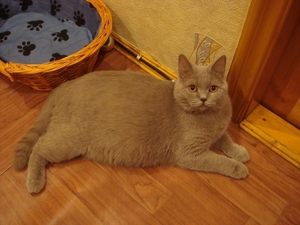
A cat's condition, during which she exhibits all the symptoms and signs characteristic of a true pregnancy, is called a false pregnancy, even though she has not interacted with another cat. This condition not only causes discomfort to the owner but also contributes to negative changes in the cat's hormonal levels. The symptoms and treatment of this condition are discussed below.
Symptoms of false pregnancy in cats
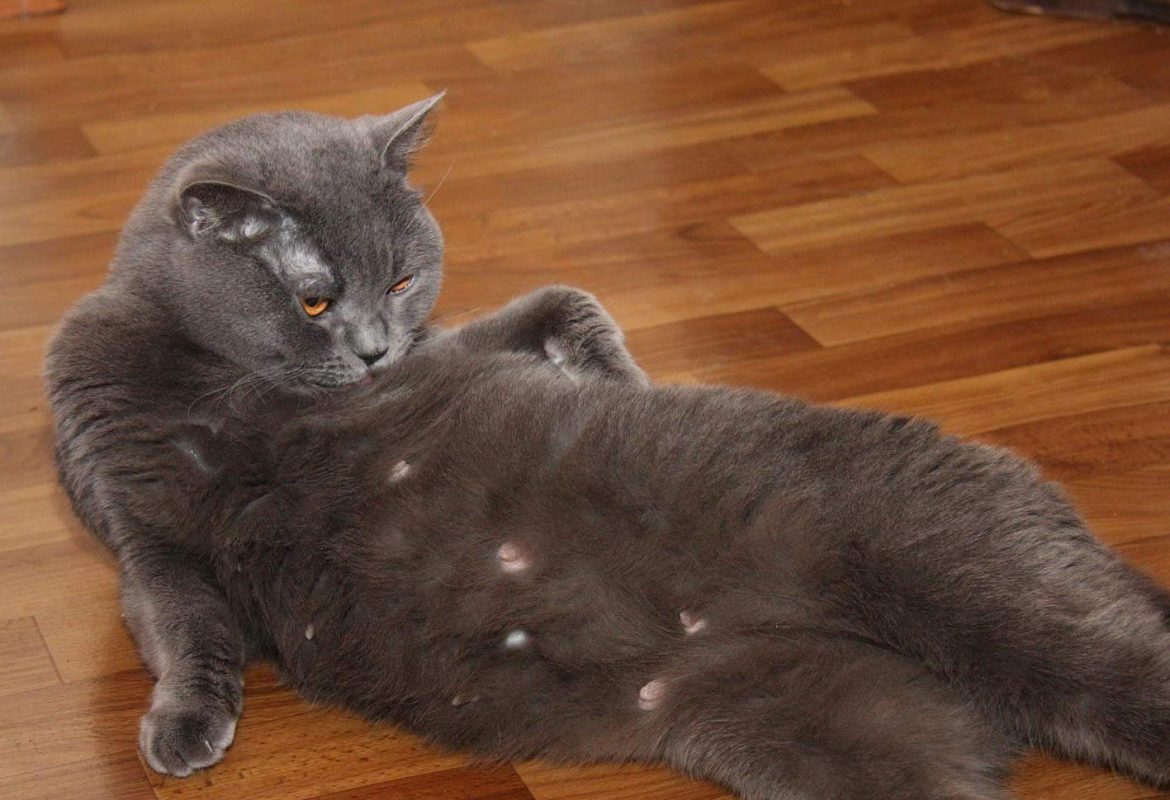
The basis for the development of the disease are:
- disorders of the reproductive and endocrine systems;
- decrease/increase in hormone levels;
- long-term psychological stress;
- overfeeding;
- lack of attention, affection and care from the owner;
- hereditary predisposition.
Emotional symptoms of false pregnancy:
- unusual changes in your pet's behavior;
- quite often the cat tries to “make” a nest for itself (climbs into the closet, drags things from one end of the room to the other);
- loud meowing;
- aggression when trying to pick up the pet.
Physiological signs:
- discharge from the genitals;
- swelling and redness of the nipples;
- bloated belly;
- severe vomiting;
- diarrhea;
- elevated temperature (above 39 °C);
- lack of appetite.
The presence of certain manifestations of the disease depends on the state of the animal's nervous system, the condition of the uterus and ovaries, and the level of sex hormones in the blood.
Treatment
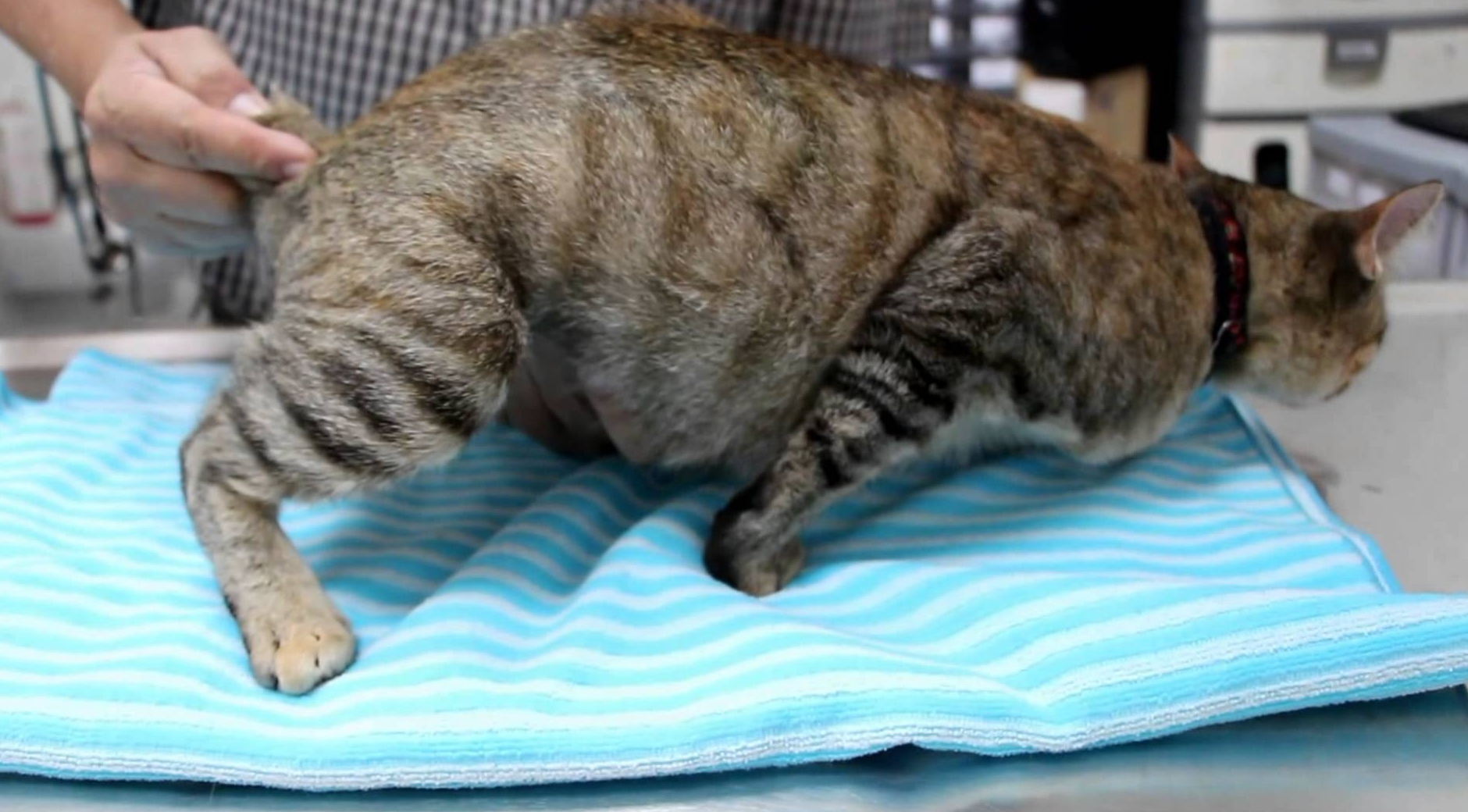
In order to choose an effective treatment method, you must first consult a veterinarian. Only he can confirm or refute the diagnosis, having first conducted a blood test and an ultrasound examination.
If the illness is caused by the animal's unstable emotional state, the veterinarian will recommend handling the cat more often and providing it with attention and care. Playing with the pet can help the recovery process.
Since false pregnancy can be caused by both psychological and physiological factors, treatment may require medication. Sedatives can stop milk flow. Compresses, compression bandages, and gentle massage can also help alleviate the animal's condition. If mastitis (an inflammation of the mammary tissue) develops due to constant milk flow, antibiotics will be necessary. A course of Naloxone or Cyclozocine will stabilize the pet's condition and help prevent further health problems.
Only a doctor can prescribe a specific drug and the exact dosage.
After promptly seeking medical help and completing a course of treatment, it will take 3–5 weeks for the cat to return to its normal state.
The most common mistake, which can lead to irreversible changes in a cat's body, exhaustion, mental disorders, and even death, is ignoring the above symptoms. This problem should not be ignored; at the first sign of trouble, consult a veterinarian.