There can be several causes for allergies in cats. These causes need to be determined before treatment. In some cases, an allergic reaction can be dangerous for the animal, so a veterinary consultation is necessary.
The main causes of allergies
An allergic reaction in a cat can occur both upon initial and repeated exposure to a foreign agent.
Before starting treatment, it's important to determine what substances are causing your pet's discomfort. Depending on the allergen's composition and how it enters the cat's body, allergies are divided into several types:
- Food. Protein foods most often cause an adverse reaction: meat (beef, chicken, pork), fish, milk, and grains.
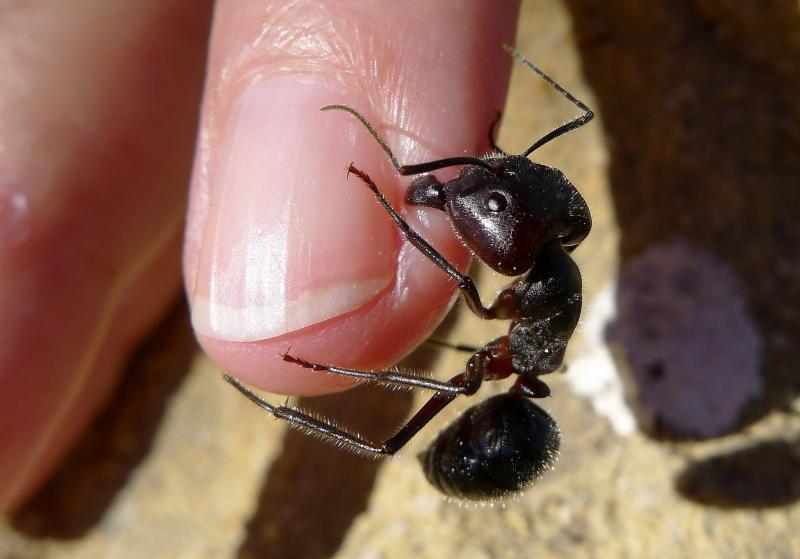
- An allergy caused by a parasitic infection, most often to flea saliva.
- Atopic or contact dermatitis. Caused by exposure to environmental factors (high humidity, dust, plant particles), household chemicals, and personal care products.
Symptoms of pathology
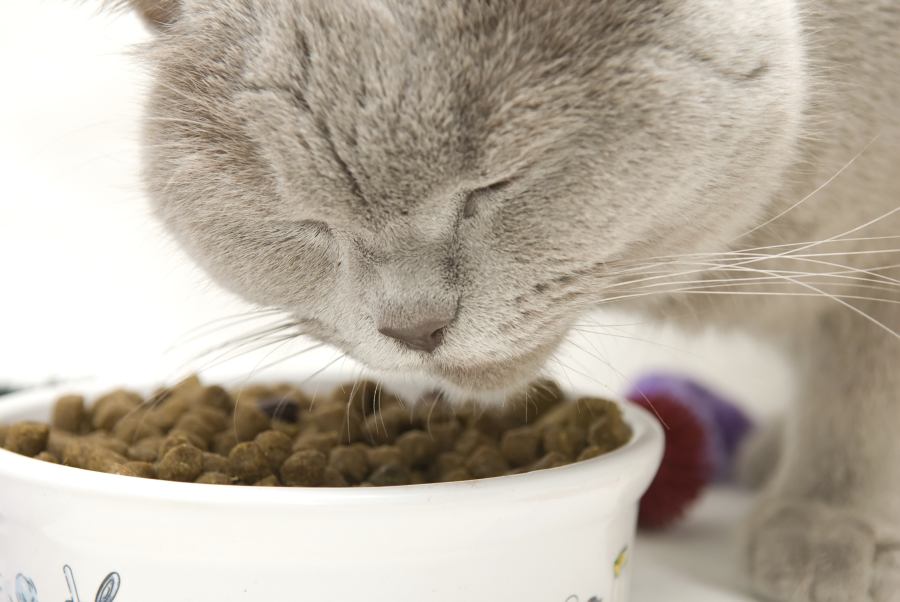
A cat's food allergy may not appear immediately, but over time as the allergen accumulates in the blood.
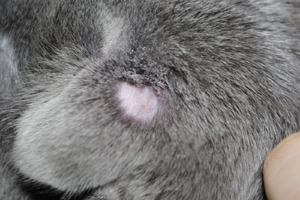
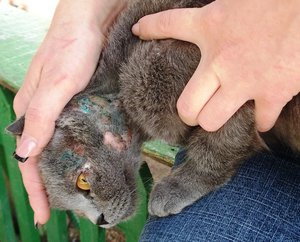
Typically, the first external signs of allergies in cats are localized on the skin in the form of tissue swelling, ulcers, and rashes. The fur in the affected areas loses its shine, becomes matted, or falls out. The animal begins to constantly lick or scratch itself, which is especially noticeable after contact with the suspected allergen.
As the disease progresses, skin symptoms may include loose stools, watery eyes, sneezing, and red eyes.
Treatment of allergies in cats
An important role in carrying out treatment measures is the elimination of a potential allergen from the cat’s life or diet. The easiest way to deal with allergies is to treat a flea infestation: simply give your animal a course of anti-flea treatment and try to avoid re-infection.
Food- and contact-related pathologies are more difficult to treat, as it's not always possible to identify the offending product or substance, and the symptoms of feline illness worsen in a vicious cycle. If protein intolerance is suspected, the cat's usual meat-based diet should be replaced with hypoallergenic foods, with careful expansion of the diet. If the allergic reaction recurs, the offending food should be eliminated permanently.
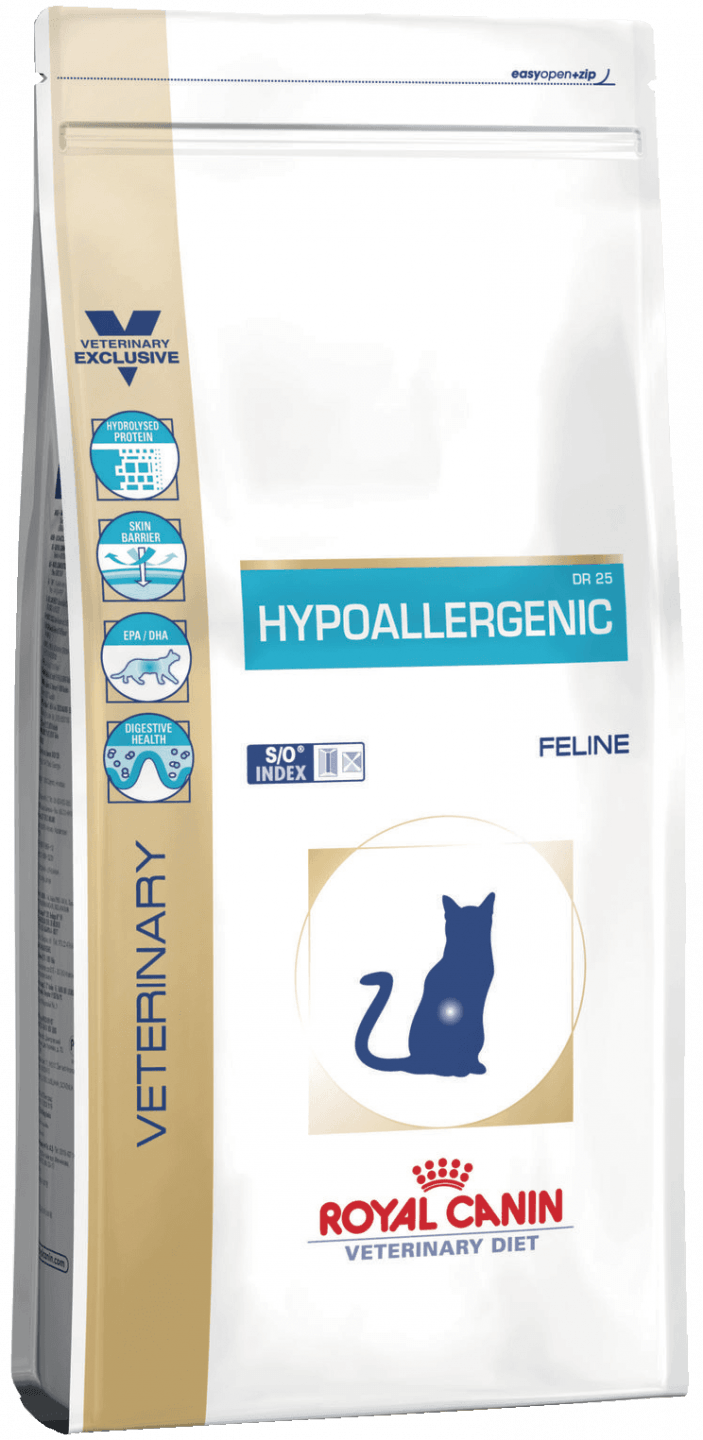
Regarding hypoallergenic food, it is better to consult a veterinarian; he will select the most suitable one for your pet.
For contact allergies, similar steps are taken: changing the cat's litter, shampoo, protecting the cat from household chemicals, pollen, and so on.
As a drug therapy, hormonal and antihistamine drugs for oral and local administration (Bravegil, Dexafort) are usually used.
For any type of allergy in a pet, self-treatment is not recommended; incorrect therapy can have a detrimental effect on the cat's condition.