Ketosteril is an amino acid-based medication. Initially developed by a German company for human use, the drug later found application in veterinary medicine. It is used to treat chronic renal failure in pets. Its key feature is that the amino acids it contains have a beneficial effect on metabolic processes in the animal's body.
Composition and release form
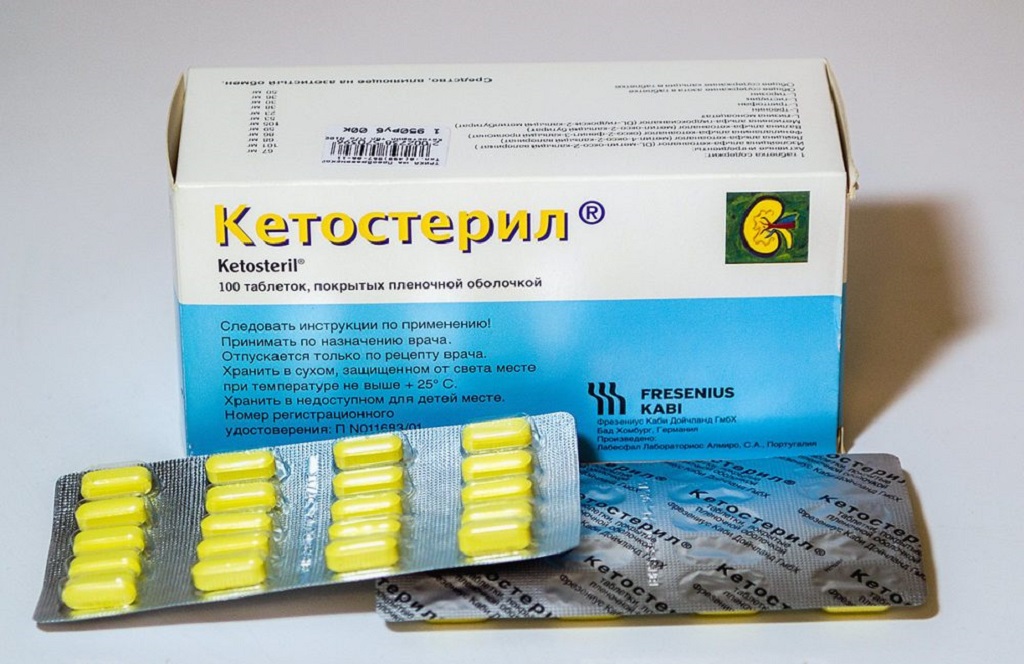
Ketosteril is available as yellowish tablets coated with a protective coating to preserve the pharmacological properties of the drug's components. When ingested, the coating dissolves and promotes absorption of the active ingredients, accelerating the drug's action. The tablets are packaged in blisters of 20 tablets. Five such packages are contained in a cardboard box, along with instructions for use.
This drug contains the following substances:
- isoleucine α-keto analogue;
- leucine α-keto analogue;
- phenylalanine α-keto analogue,
- valine α-keto analog;
- methionine α-hydroxy analogue;
- L-lysine monoacetate;
- L-threonine;
- L-tryptophan;
- L-histidine;
- L-tyrosine.
Talc, colloidal silicon dioxide, corn starch and magnesium stearate are used as auxiliary components.
Indications for use
The main indication for the use of ketosteril for cats is chronic renal failure. This medication is especially effective in the early stages of the disease. However, if the disease is advanced, it will not produce the desired results.
Veterinarians often prescribe ketosteril when a cat is diagnosed with a water-salt imbalance (acidosis). It is also used to treat metabolic disorders.
Contraindications
This medicine should not be used in the following cases:
- individual intolerance to the components present in the drug;
- pregnancy and lactation period;
- violation of amino acid metabolism in the body.
Because ketosteril can increase calcium levels, it is not recommended for cats under one year of age. Excess calcium can negatively impact skeletal development in kittens.
It is prohibited to combine ketosteril with medications containing calcium and antibiotics of the tetracycline and quinoline groups. If they are necessary, then a 2-hour break should be taken between doses of medication.
Instructions
The instructions for use indicate the dosage of the drug for humans, and for cats, it is calculated by a veterinarian based on the pet's general condition, the stage of the disease, symptoms, and other factors. You shouldn't experiment, as an overdose can lead to side effects.
The frequency of ketosteril administration is also determined by the veterinarian after an examination. During treatment, it is recommended to take the cat to regular veterinary appointments so the veterinarian can monitor its condition and adjust the dosage if necessary.
Tablets should be given whole, without crushing or adding to food, as the substances may react chemically with components of dry or wet food, leading to a loss of pharmacological properties or the formation of hazardous compounds. Moreover, in whole form they are absorbed more quickly by the animal’s body.
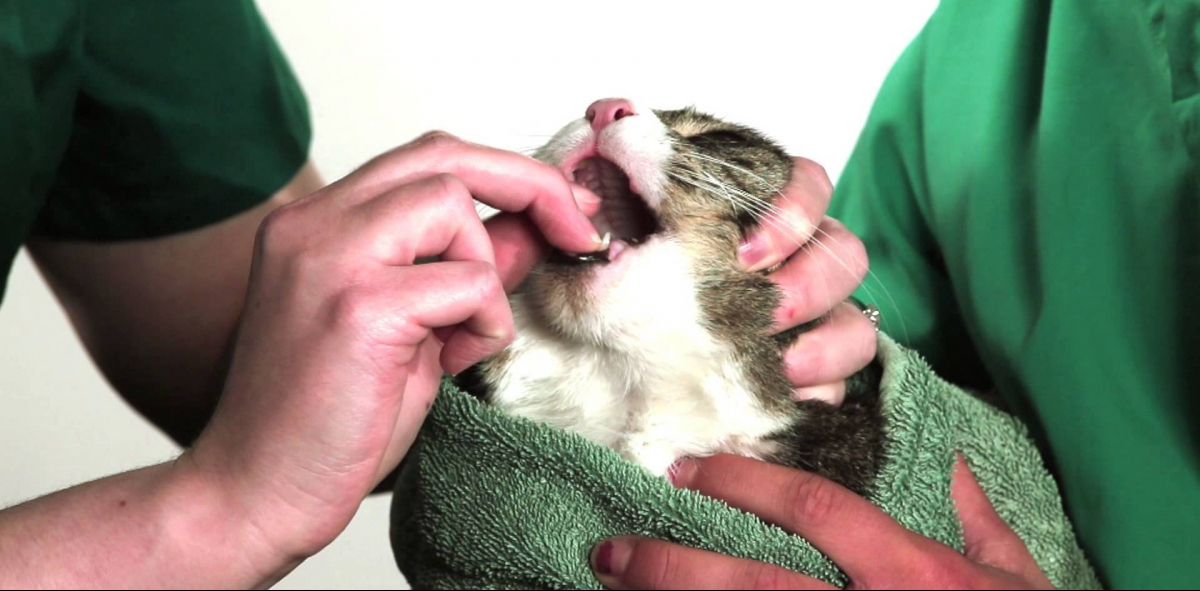
To give your pet a pill, you should follow these steps:
- Wrap the cat in a towel or blanket to prevent it from escaping during the administration. You can ask a family member to help secure the animal.
- Place your pet on your lap so that its muzzle is facing upwards.
- Open your mouth and place the tablet on the root of your tongue.
- Stroke the cat's neck to trigger the swallowing reflex.
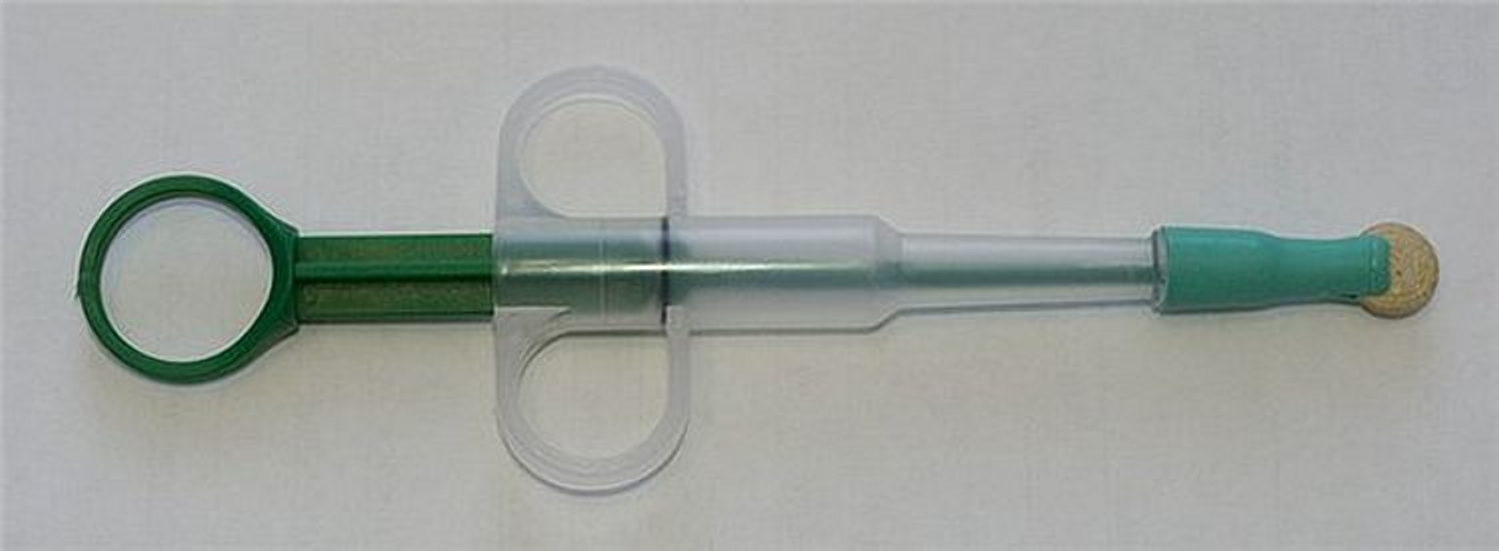
To simplify the procedure, you can use a specialized device for giving pills to animals, which is sold in pharmacies.
Possible side effects
Side effects from this drug may occur in cats due to overdose. Most often, pets develop hypercalcemia, which significantly increases the risk of bladder and kidney stones. The following symptoms indicate the development of this disease:
- convulsions;
- impaired coordination of movements;
- nausea and vomiting;
- loss of appetite;
- dyspnea;
- general malaise.
If you notice these symptoms, you should stop giving your pet the pills and take him to a veterinary clinic.
Animals often experience allergic reactions, which are identified by symptoms such as itching and watery eyes. In this case, you should also consult your veterinarian for a dosage adjustment.
Analogues
There is no medication completely identical in composition to ketosteril, but there are medications available with similar effects. These medications include:
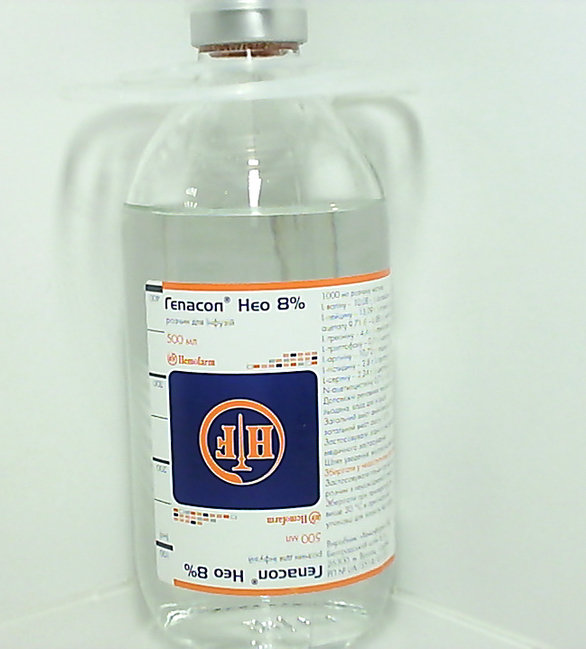
- Hepasol-Neo.
This foreign-produced medication is available as an amino acid solution, which contains more amino acids than ketosteril. The drug has metabolic and hepatoprotective effects.
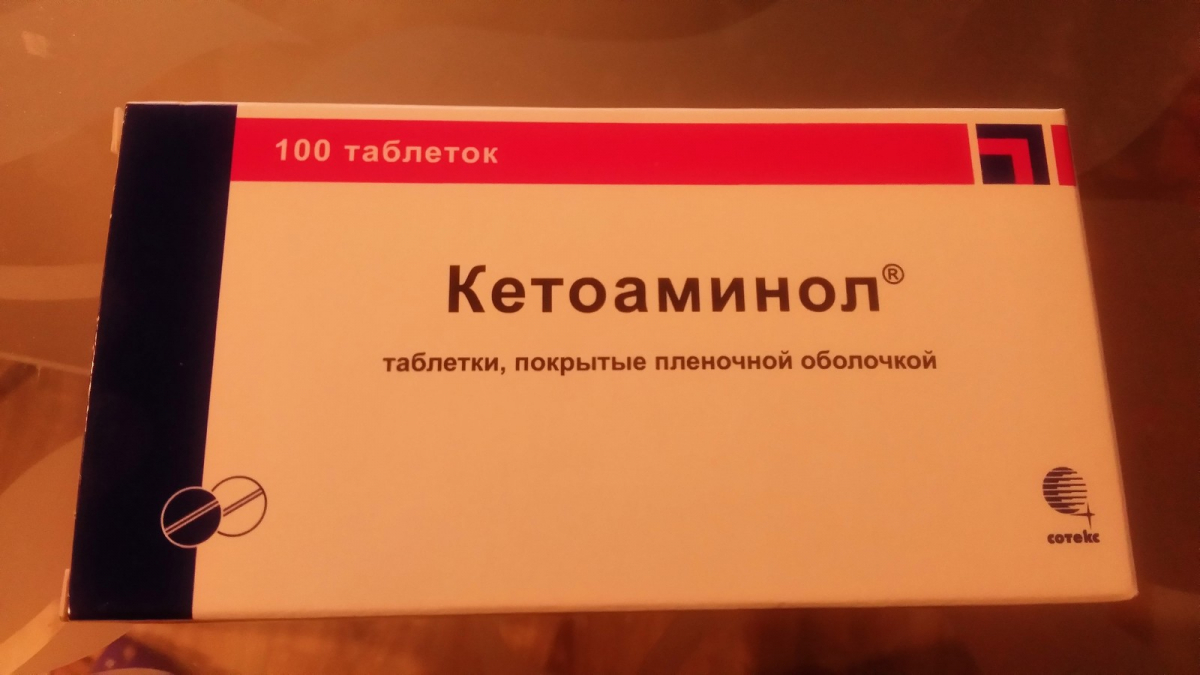
- Ketoaminol.
This domestically produced medication is available in tablet form. It also contains an amino acid complex. It has a metabolic effect and replenishes amino acid deficiencies.
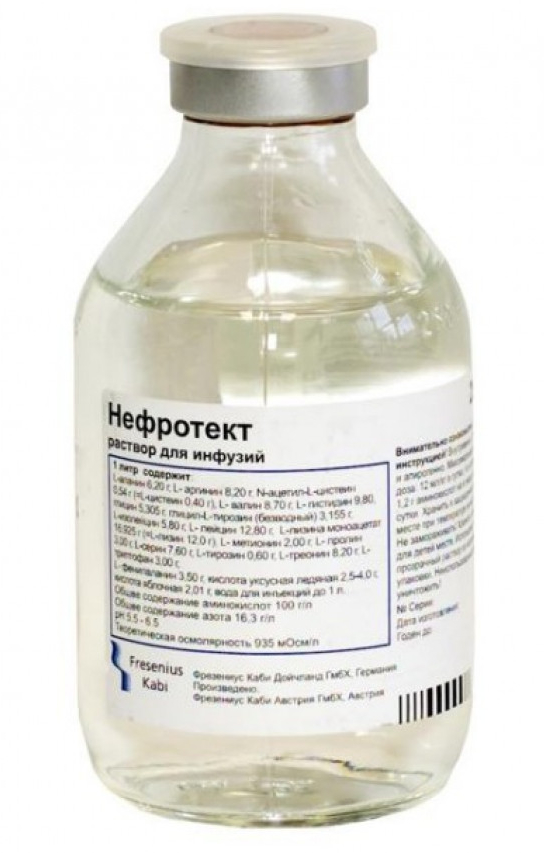
- Nephrotect.
This solution contains essential and replaceable amino acids. It facilitates protein synthesis in the body.
Ketosteril is considered a safe medication for cats, but it is not recommended to use it without a doctor's prescription. Since this is a veterinary medication, its dosage is determined on an individual basis. Do not follow the instructions or adjust the dosage yourself, as side effects cannot be avoided.