In Rus', dog and cat names were traditionally based on the pet's personality or appearance. These could include a keen sense of smell, a loud bark, fluffy fur, or a courageous disposition. Let's find out what the simplest Russian cat and dog names mean.
Bim
The name Bim symbolizes a penchant for movement and freedom. The nickname gained popularity after the release of the film "White Bim Black Ear."
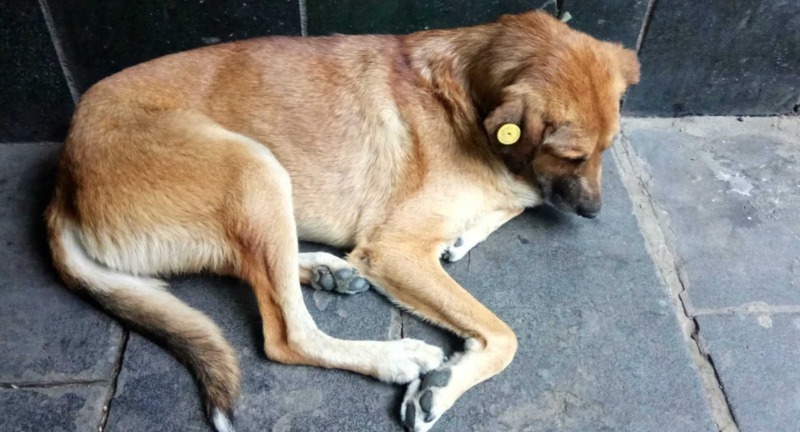
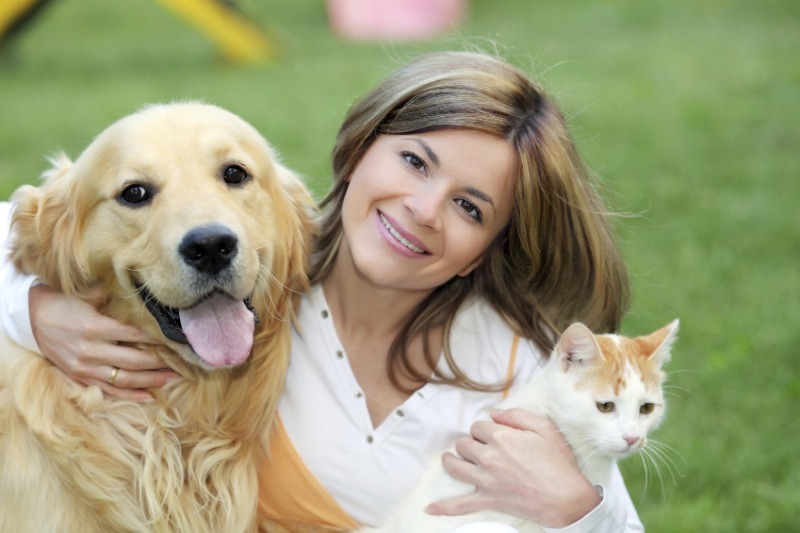
Bim is a cheerful, trusting dog, devoted to its owner. It is a family dog, loving with children, and possessing the gift of empathy.
The nickname is suitable for both purebred and non-purebred dogs of medium size.
Murka
Murka is the most common cat name. It likely originates from the verbs "purr" and "murchat," which are onomatopoeic.
A furry character with this name can be found in many literary works, children's songs, and poems. For a long time, the word "murka" was a common noun, referring to any cat.
This cute name is best suited for an affectionate and kind pet.
Murzik
One of the most famous "male" cat names is Murzik. There are two versions of the origin of this nickname. According to one, "murza" was the highest echelon of the Turkic nobility, equivalent to princes in Rus'. According to the second, "murza" in Moscow dialects meant "slob," and the verb "murzitsia" in Tambov meant "to be angry, to be furious."
Therefore, the nickname Murzik would suit a cat with characteristic spots on his face (as if he was dirty) or an independent and aggressive representative of the feline family.
Bug
"Zhuchi" (little bugs) were small black dogs that not only resembled beetles in appearance but also possessed the agility and persistence of these insects. Their incessant barking resembled an obsessive buzzing.
Another theory is that the nickname originates from the French word "Julie" (Zhulka). Another theory is that it comes from the Polish verb "zhuchit" (to rush or lunge at someone).
This nickname is ideal for pets with the above-described behavior, although nowadays absolutely any small mongrel dog is called a Zhuchka.
Ball
The nickname Sharik has the most versions of its origin:
- The first and most popular one is derived from the word “ball,” since all puppies are fluffy, round balls.
- The second comes from the Polish adjective “shary”, meaning “gray”.
- The third option is from the nickname "Cheri," which aristocrats used to call their four-legged pets, and peasant children picked up this word, altering it in a Russian way.
- The fourth version involves the ascension of the noun “ball” to the verb “sharit” (to search) and the spread of this nickname among police bloodhounds in Tsarist Russia.
Nowadays this nickname is a common name and denotes all mongrels.
Barbos
Two centuries ago, thanks to novels about pirates and bandits, ferocious and fierce dogs were nicknamed "Barbosses." This was precisely the character of the popular novel's protagonist, the Spanish captain Barbossa, who was famous for his thick facial hair. The captain's name comes from the Latin word "barba," meaning beard.
The nickname gained widespread popularity after the release of the comedy "Dog Barbos and the Unusual Crossbreed." Thus, the shaggy and vicious dogs became known as Barbos.
Barsik
The diminutive name Barsik, which became the nickname for pets, originated from the snow leopard, the most beautiful representative of the cat family.
This name would be appropriate for freedom-loving hunters who enjoy active games and sunbathing. Only cats with an independent nature, who are especially beloved by their owners, are entitled to bear a name given in honor of a wild relative.
Tuzik
Russian nobles loved to while away an evening playing cards, stroking a lap dog resting in their arms. As is well known, the most important playing card is the ace. Thus, it became common for the "cream of society" to call their favorites "Tuziki," a diminutive of the word "tuz" (accent).
The nickname is most suitable for harmless small domestic dogs that are attached to their owner and love to spend time in his arms.
Treasure
The dog name Trezor has French roots. The word "trezor" translates as "treasure." Other linguists believe the name derives from the Old Slavic word "trevzor," meaning "clairvoyant," "possessing a third eye," or "looking with three eyes."
In Rus', this name was given to a guard dog that excelled at guarding the home and reliably protecting the owner's property from burglars. Even today, this nickname is perfectly suited to a formidable guard dog.
Mukhtar
In 1965, the film "Come to Me, Mukhtar" was released, starring Yuri Nikulin and the German Shepherd Dyke.
The story behind the film's dog name goes like this: screenwriter Israel Metter, while visiting the Leningrad Criminal Investigation Museum, saw a stuffed dog named Sultan, who served in the police for 10 years and was involved in the arrest of more than a thousand criminals.
Izrail Moiseevich spoke with the legendary dog's partner, retired Major Bushmin, and, inspired by what he heard, wrote a story, which director Semyon Tumanov later adapted into a film.
Metter changed the dog's name to one that sounded similar to its origin—Mukhtar. The word "mukhtar" translates from Arabic as "chosen one," and from Turkish as "headman, overseer."
Following the film's success, the name Mukhtar became the most popular in the USSR. It would be ideal for service and guard dogs, with their imposing appearance and strong character.