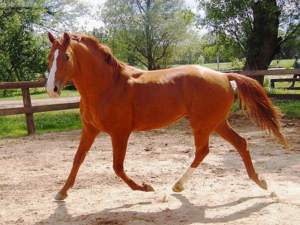
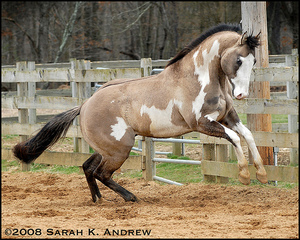
Western horseback riding is diverse and takes many forms. Many riders enjoy long rides in a cowboy saddle and herding cattle, others seek companionship with their horses, and bold and confident athletes enjoy barrel racing, trail riding, or reining. All of these people share a love of freedom, speed, and companionship with their horses.
Any horse with a calm disposition is suitable for Western disciplines. The most preferred are the American Quarter Horse and the Pinto, well-muscled horses bred for American cattle.
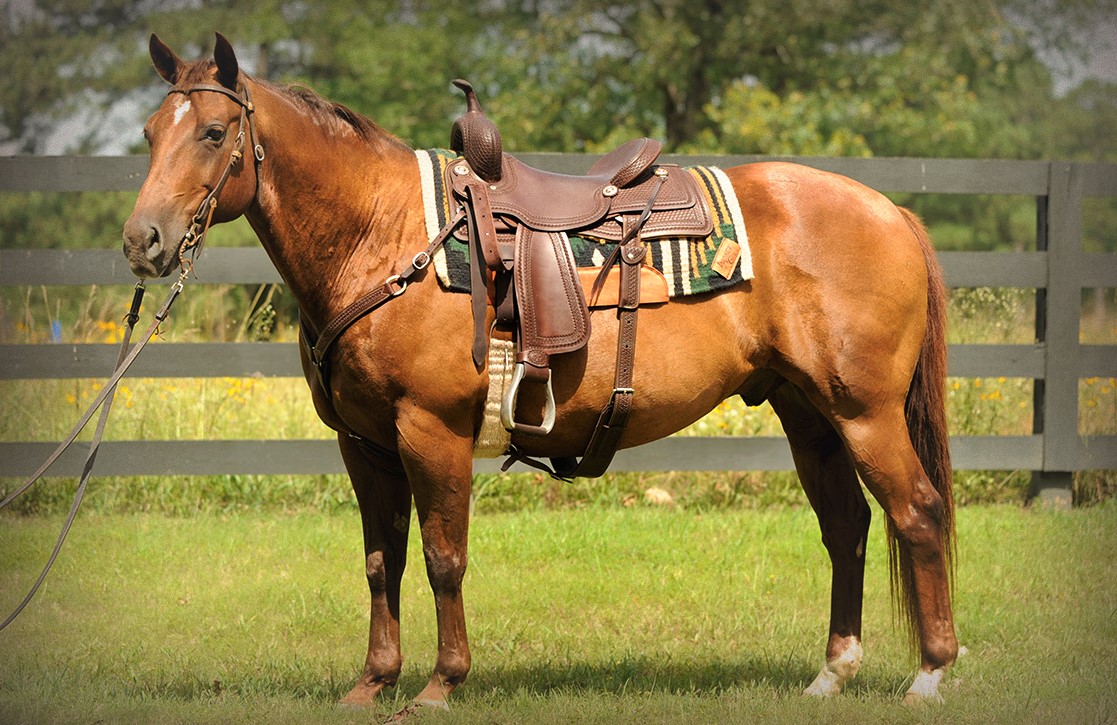
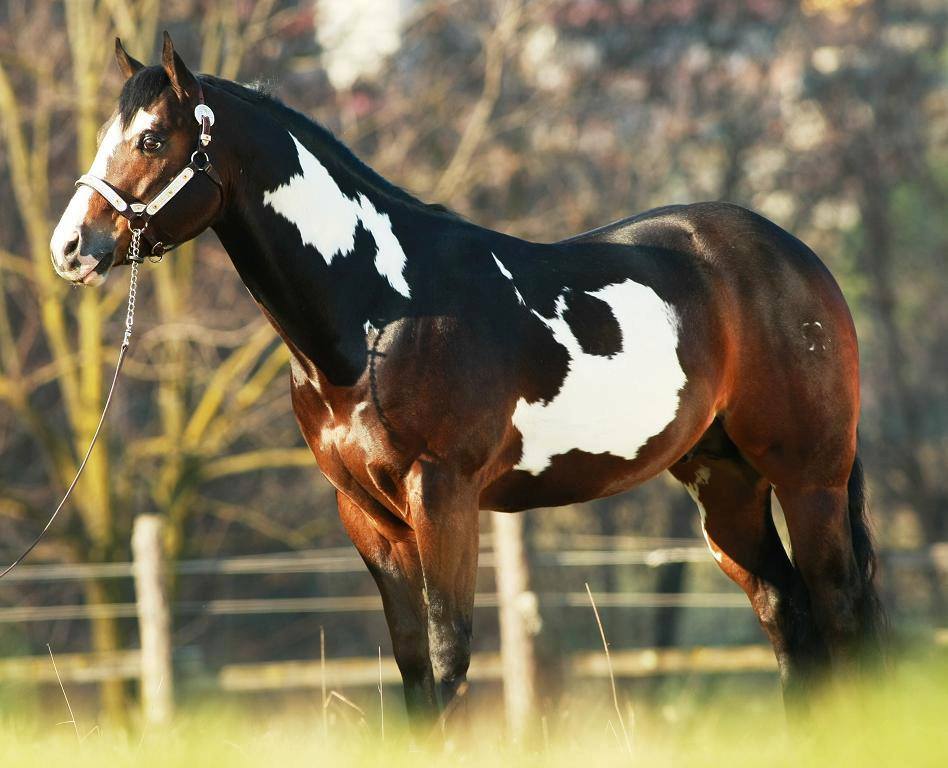
Cowboys often had to lasso and rope cattle for inspection and sorting. This led to the development of a special saddle shape and riding style that allowed the rider to easily interact with the horse, holding the reins in only one hand.
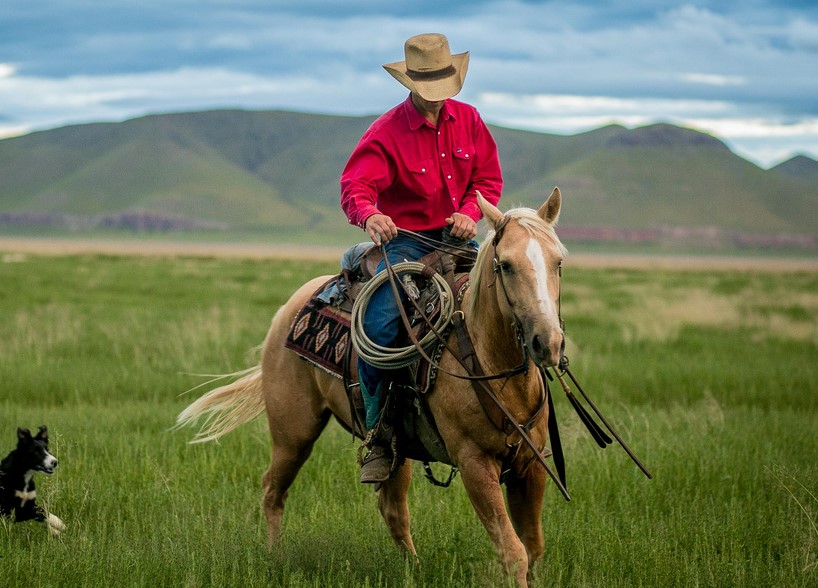
Horsemanship is the basis of the Western. This discipline is designed for beginner riders. At slow gaits, they demonstrate their skill and ability to work with their horses discreetly.
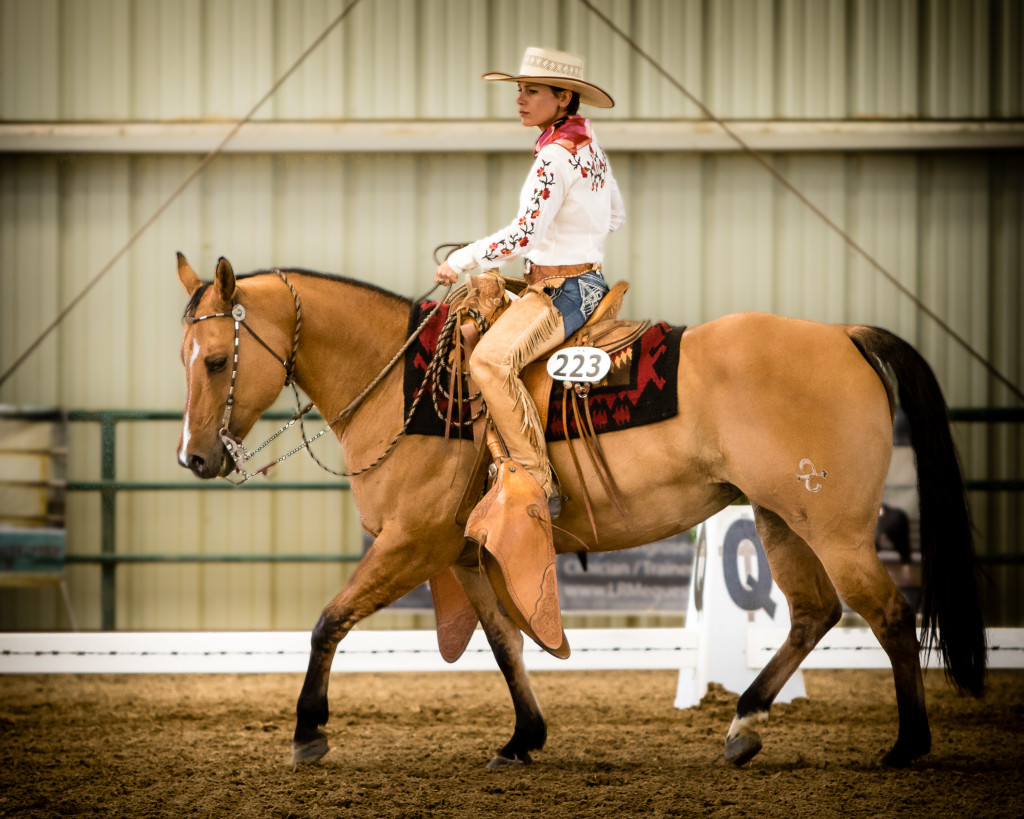
The next stage is pleasure. Here the rider and horse must demonstrate coordinated work at the trot and shortened canter.
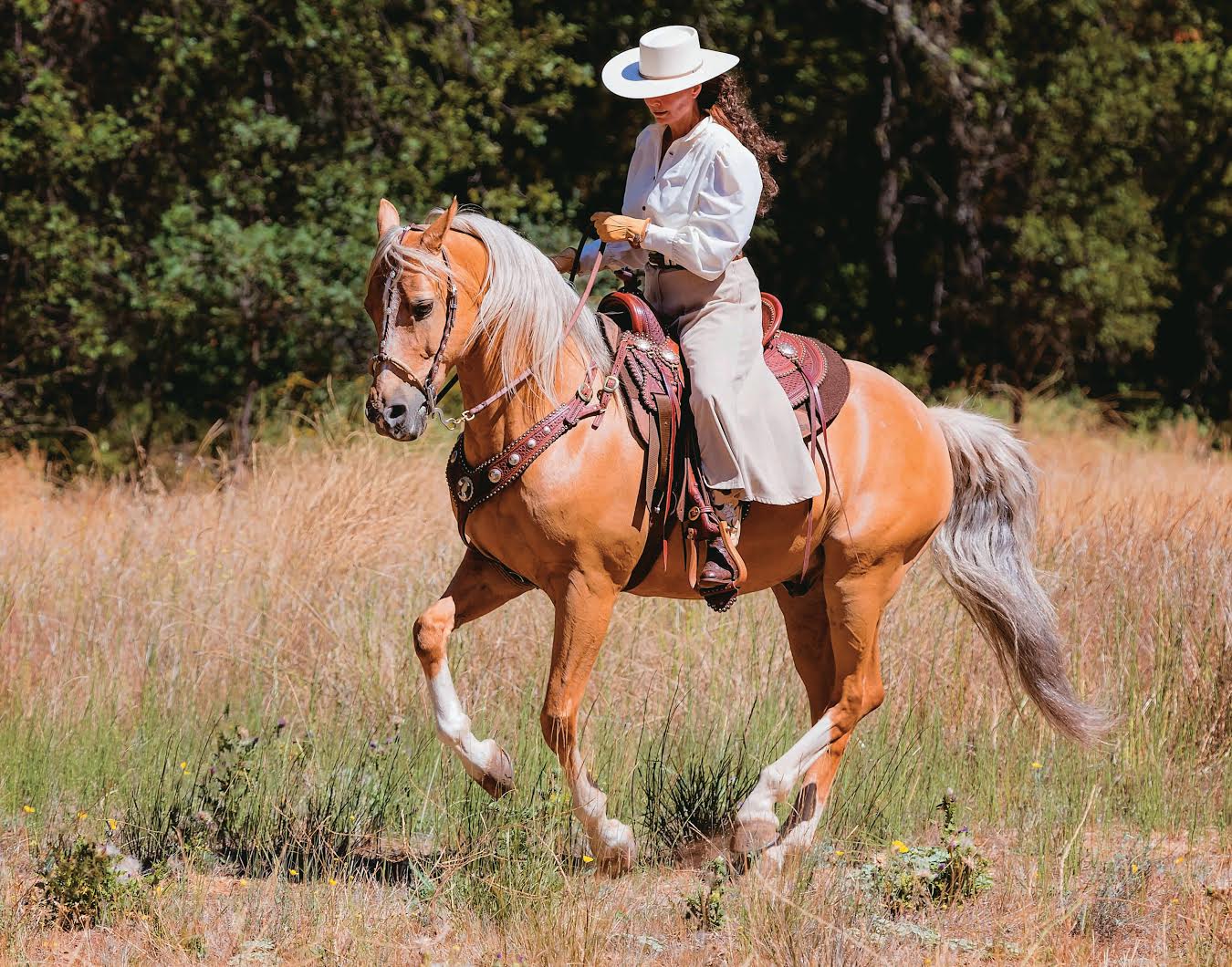
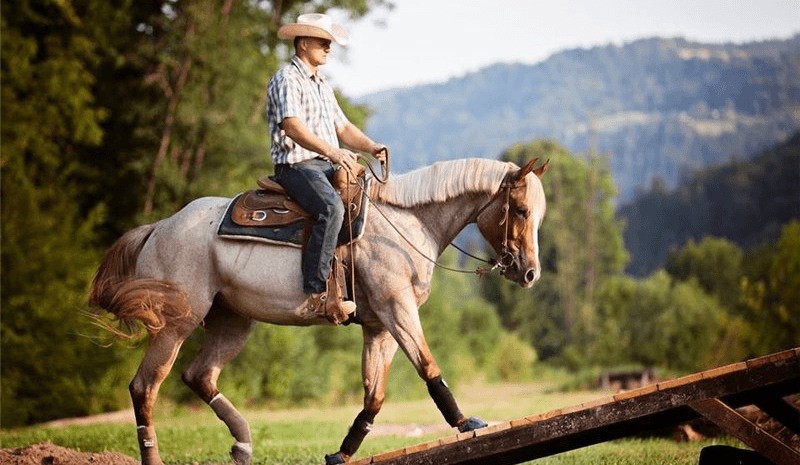
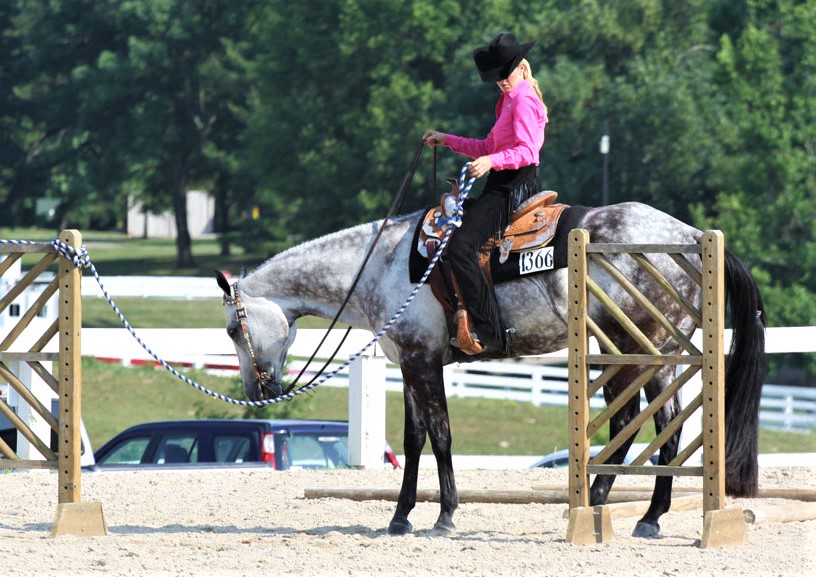
Trail. Equestrian agility. This is a demonstration of trust. The rider is tasked with opening a gate without dismounting, riding across a bridge, and negotiating an obstacle course.
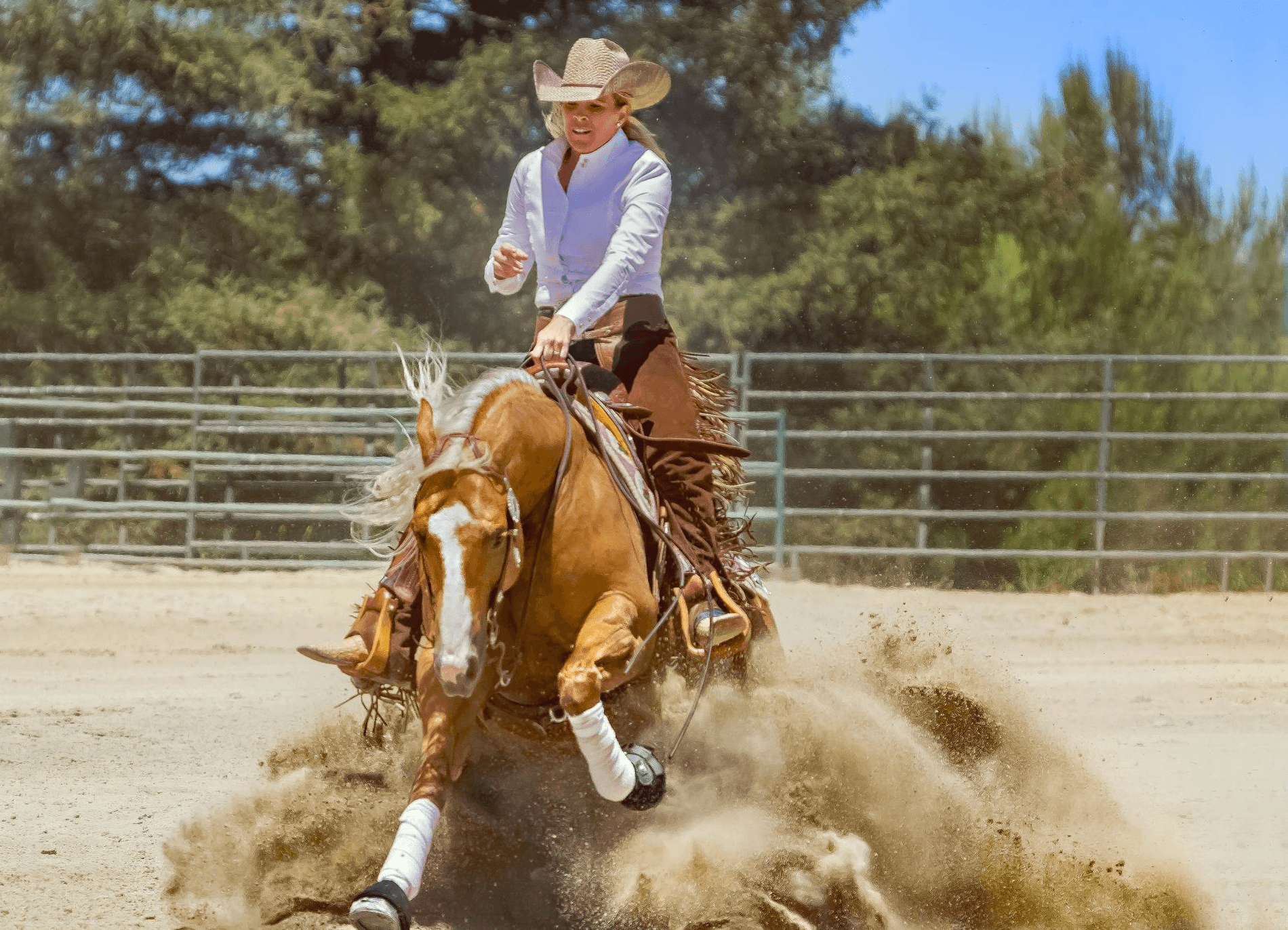
Riding. This discipline is similar to classical dressage, but more dynamic. The required routine includes: voltes at a fast canter, spins on the spot, and abrupt halts from a fast canter, where the horse's hind legs practically glide across the ground.
Cutting is working with a bull. Here the cowboy must cut the calf from the herd and lasso it.
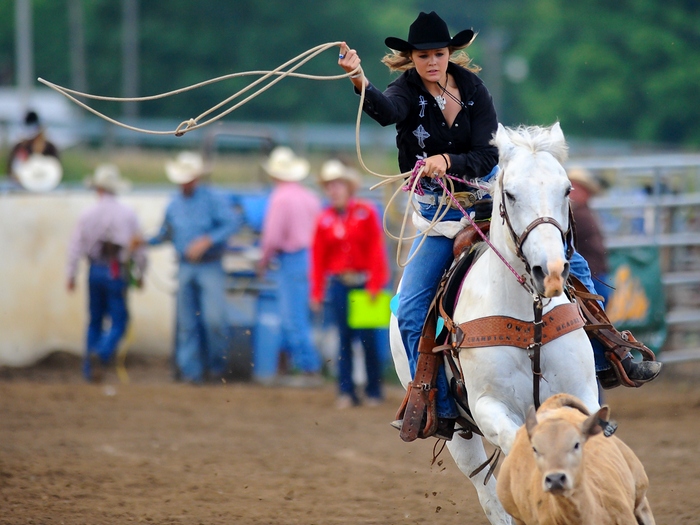
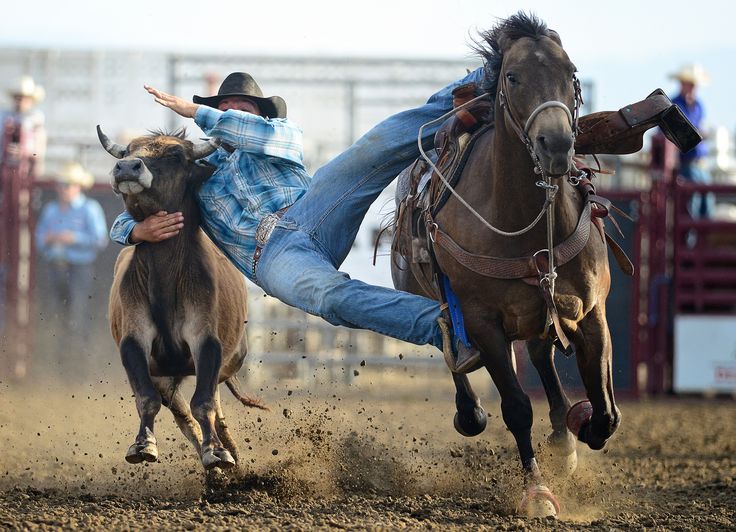
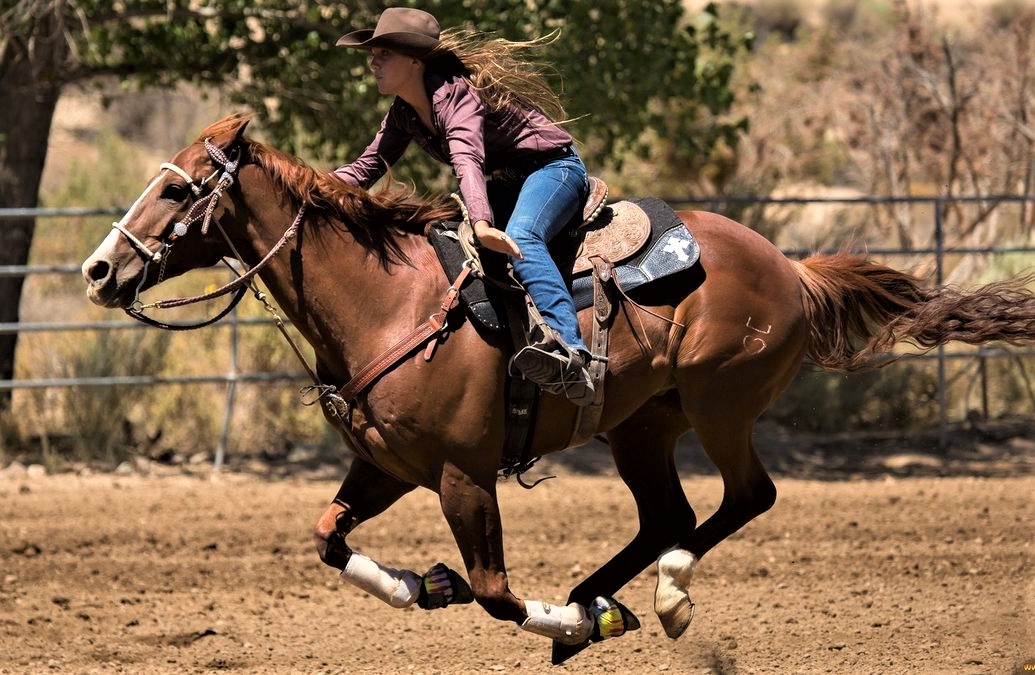
Barrel racing, or racing around barrels. A highly spectacular discipline where every second counts. At top speed, you must race around barrels without hitting them.
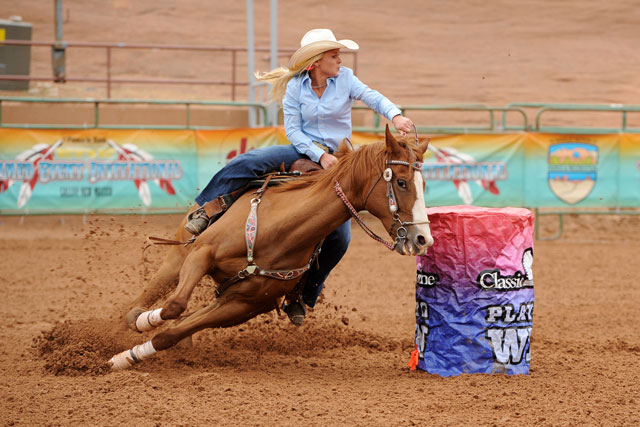
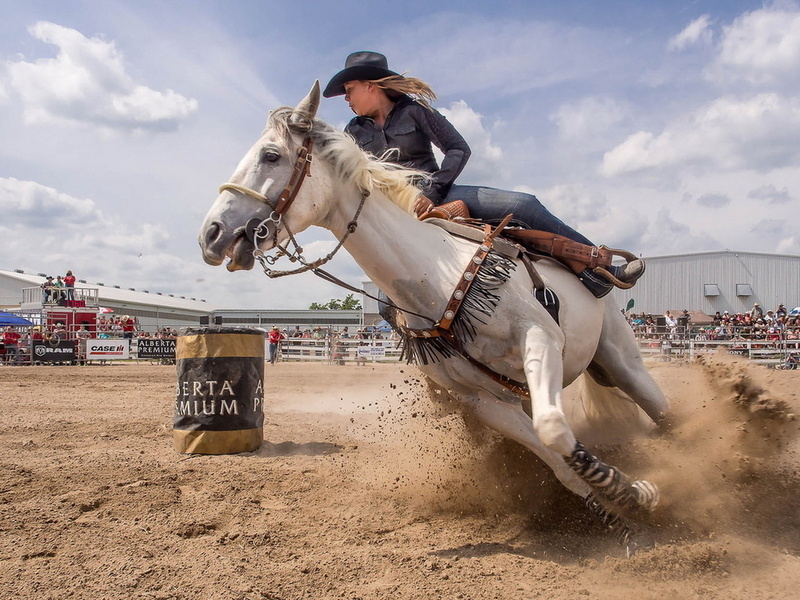
Western horseback riding is a true spectacle. A unique atmosphere, ornate tack and riders' costumes, a variety of horses, and, of course, the spirit of freedom and the thirst for speed!