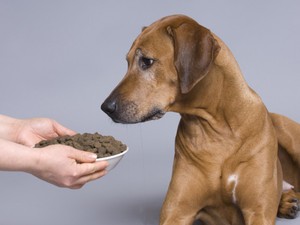
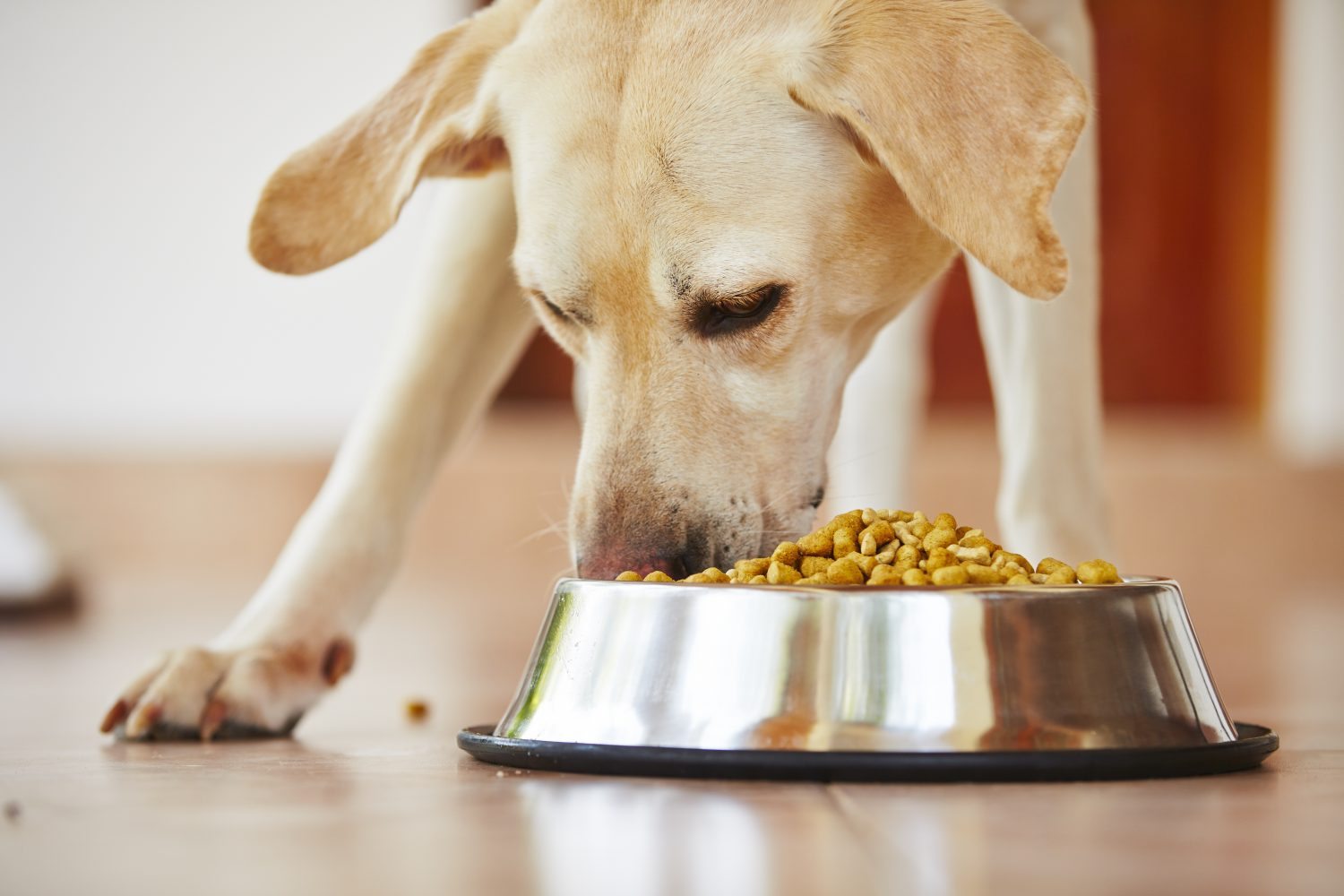
Almost every dog owner sooner or later faces the question of which pet food is better: dry or natural. To help you decide, let's look at the advantages and disadvantages of each, and determine which offers the best value for money.
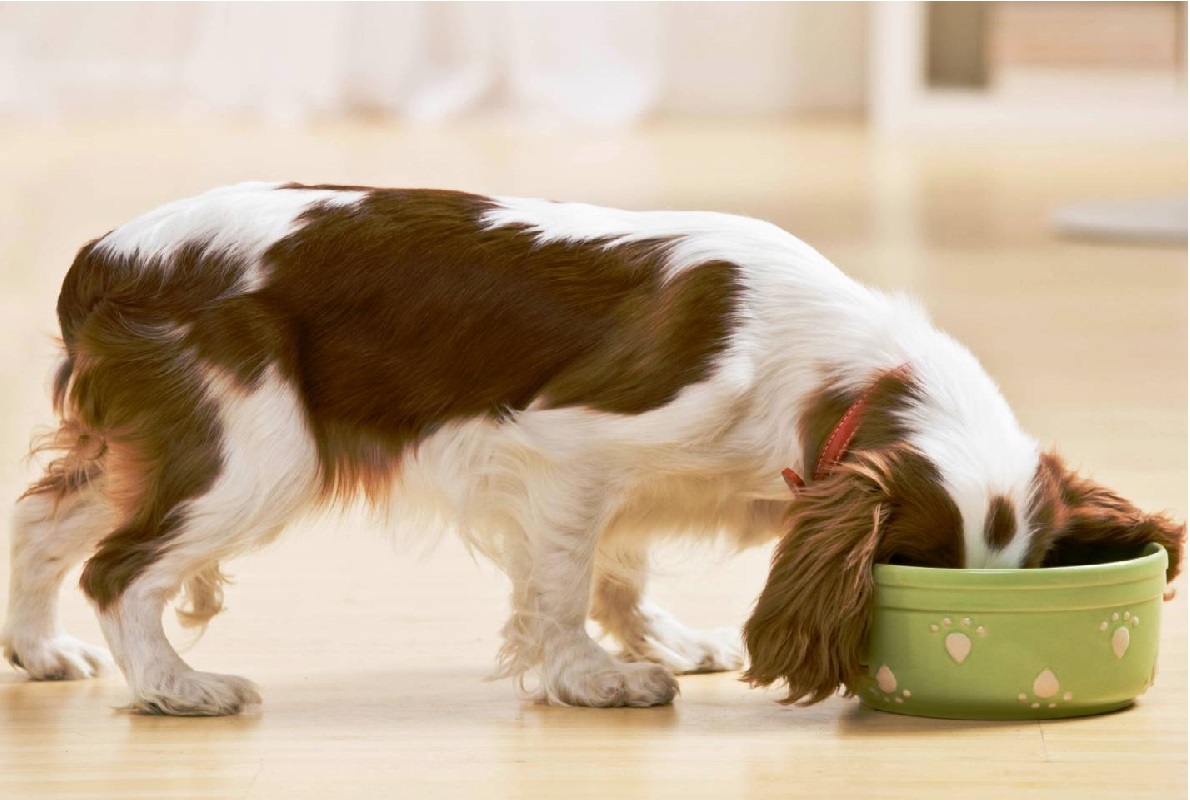
Pros and cons of dry food
Dry food is the most affordable and simplest nutritional option for dogs. Its popularity among breeders is growing every day.
To ensure that dry food provides maximum benefit to your pet, you need to follow these simple rules:
- When choosing food, you need to ensure that it corresponds to the age, lifestyle, health condition and breed of the dog.
- The quantity and frequency of feeding should be calculated based on the animal’s weight.
- The pet must have constant access to water.
Advantages of dry food:
- It's easy to feed and there are no problems with determining the daily norm.
- The composition is balanced, there is no need for additional vitamin and mineral supplements.
- Convenient for transportation. If you need to travel with your pet, you won't have to change their diet.
- A wide selection of flavors.
- It is possible to find options in different price categories: from economy class to super-premium.
- Compact and does not require refrigeration.
Now let's look at the disadvantages of dry dog kibble:
- There is no exact information about what products were used in production.
- May cause an allergic reaction with continuous use.
- In economy-class feeds, meat is replaced with soy, which makes the product cheaper, and the feed is not the most nutritious.
- Some vitamins are destroyed during the manufacturing process.
- The use of preservatives, emulsifiers and flavorings in the composition, which have a negative impact on the health of the animal.
If you feed your dog dry food, experts strongly recommend purchasing products from reputable companies. Ideally, it should be at least premium. Using economy-class food can cause allergies and chronic illnesses in your pet.
Natural food: advantages and disadvantages
A natural diet is considered the most optimal for dogs, but only if it is adjusted to the animal's current needs and prepared from high-quality ingredients.
Experts have identified a list of foods that should be included in a dog's daily diet: meat and offal, cottage cheese and fermented milk products, vegetables and fruits, various grains, and fish. In addition, your pet should receive a range of vitamins and minerals. To determine the optimal natural diet for your pet, it's best to consult a veterinarian.
Benefits of a natural diet:
- allows you to select high-quality products yourself
- does not contain emulsifiers, colorants or preservatives
- easily replaced if an allergy occurs
- contains natural fiber, fats and proteins
- provides optimal load on the masticatory apparatus and is easily digestible.
However, natural food is not perfect and has a number of disadvantages that are worth paying attention to:
- It takes a lot of time to buy food and prepare it.
- You need to independently create and adjust the diet taking into account the age and lifestyle of your pet, as well as the time of year.
- It is more difficult to travel with a dog, as there are not always conditions for preparing food.
Which is cheaper?
When considering the cost of dry and natural food, there is no clear answer to the question of which is cheaper.
It is possible, but not recommended, to feed your pet with economy-class granules, which will be cheaper than natural food, which will require time to prepare.
If you compare premium pet food and natural, complete food made from high-quality ingredients, the final cost will be approximately the same.
If the choice is between high-quality dry food and food made from inexpensive ingredients, such as porridge and bones, then premium pellets will be more expensive.
Every type of dog food—dry or natural—has its advantages and disadvantages. Some find it easy to prepare natural food for their pet every day. Others find it easier and quicker to buy high-quality, ready-made pet food. In any case, it's important to remember not to skimp on feeding, as your dog's health and lifespan depend on it.