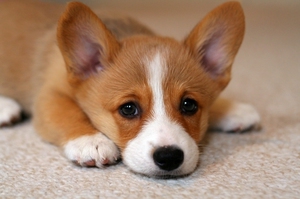
Small or "pocket" dogs are a common pet. While some people find them adorable and delightful, others are wary due to widespread myths about these animals. Many of these myths are unfounded and misleading. Let's take a look.
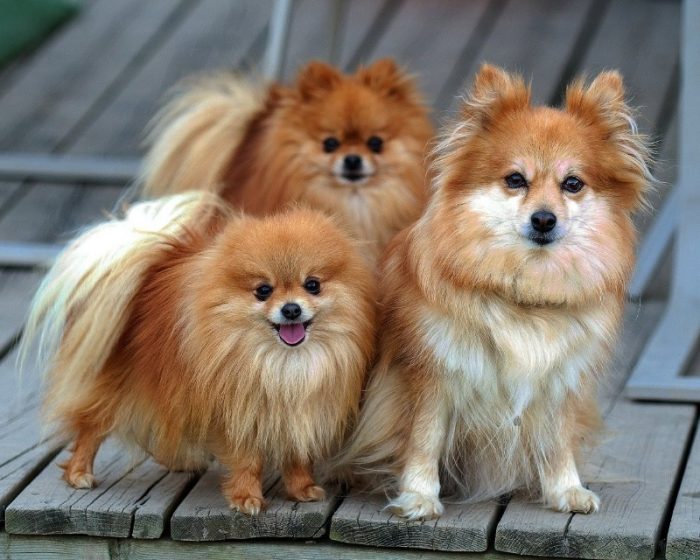
All small dogs bark a lot.
It's a common misconception that small dogs bark louder and more frequently than larger ones. In fact, not all small breeds are prone to barking. This is not typical of the Italian Greyhound, King Charles Spaniel, and some other breeds. There are small dogs that don't bark at all, including the Boston Terrier and Shiba Inu.
Experienced dog handlers claim that loud and frequent barking is often provoked by improper handling. Dogs learn that simply barking is enough to attract their owner's attention and earn a reward. They resort to this ploy, distracting their owners. If the owner misbehaves, raises their voice, and begins scolding the pet, this will only worsen the situation. Dog handlers recommend calmly giving the command "no" in such cases.
A dog barks as a signal to its owner when something is bothering it. It's important to recognize the reasons why an animal uses this method to attract attention. It's important to break the habit of barking without reason. Otherwise, your pet will become noisy whenever it wants attention.
Loud and frequent barking is a problem faced by both small and large dog owners. The root cause is not the animal's size, but a lack of training.
Small dogs require less grooming than large dogs.
A common myth is that small dogs require less grooming than large ones. This is not proven true in practice. Experienced dog owners claim that keeping small breeds at home can be very difficult and time-consuming.
A small pet will require less food and is easier to transport and bathe. There are no other benefits associated with owning a small dog. Small breeds are more difficult to train. They are more difficult to train than larger dogs.
Small animals like the Bichon Frise have a hard time training themselves to go potty outside. They cause their owners a lot of trouble by defecating on carpet or hardwood floors.
A small dog often requires a lot of attention. A Yorkie's owner must be prepared to devote a lot of time to their pet.
Miniature dogs are prone to dental problems. Special attention to oral care is required.
Canine experts say that the owner of a small dog will need to ensure its active socialization. Otherwise, the pet will not be as sweet and charming.
Small dogs love to be in their owner's arms.
There's a popular myth that small dogs should be carried all the time. It's widely believed that miniature dogs love it. In reality, many small breeds are independent, active, and don't like being handled.
Four-legged pets enjoy interacting and playing with their owners. However, it's important to provide your pet with the physical activity they need to stay healthy. Constantly being held can make dogs prone to anxiety and aggression. Dog breeders insist that it's not a good idea to accustom them to this. Instead, they should be given the opportunity to move around more.
Small dogs do not require training or obedience.
There's a common misconception that small dogs don't need training because they're completely harmless. Dog trainers insist that dogs, regardless of size, need to be trained and taught commands.
Without proper training, a small dog risks getting lost or being injured in a fight with another dog. An ill-trained dog will harass its owners with frequent, unprovoked barking and become aggressive toward family members and others.
Both small and large dogs should be trained from an early age. Training is essential throughout the pet's life. It will allow it to:
- be obedient;
- execute commands;
- behave within the bounds of what is permitted;
- do not create problems for the owners at home and during walks.
A well-behaved dog poses no danger to humans and does not disturb the peace of others. Miniature dogs that enjoy an active lifestyle require daily exercise. They are trainable, able to remember commands, and obey them.
Small dogs are not suitable for men.
A dog's small size doesn't mean that only women can have such a pet. Small breeds aren't considered feminine—that's an outdated stereotype. Some dwarf dogs need exercise; they can compete and demonstrate their skills and abilities. This is why men can adopt such a small dog. Men who keep small dogs have long since discovered that they are active and energetic creatures. They're hardly inferior to their larger counterparts.
Small dogs differ from their larger relatives only in appearance. At heart, they are brave, loyal, and loving companions. Regardless of size, a pet needs care and affection. It's up to the owner to determine how their pet will grow up: active or lazy, obedient or willful, calm or loud. Everything else is just myth.