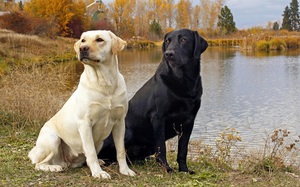
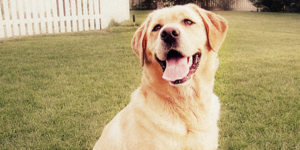
 Labrador Retrievers are the most popular breed in America. But these intelligent and sociable dogs are also beloved throughout the world. They are prized for their friendly behavior, playful nature, and devotion. In the morning, a Labrador Retriever might bring you slippers or the newspaper, accompany you on a jog, or even on a long hike. This affectionate pet enjoys playing with children, is friendly with cats, and doesn't care for upholstered furniture. A Labrador Retriever can be kept in small apartments, but don't forget to take them for daily walks.
Content
History of the breed
Officially a breed was recognized in the early 19th centuryLabradors were discovered on the island of Newfoundland by European sailors. The inhabitants of the Canadian island used the dogs as indispensable assistants. The retriever would bring back game to its owner and dive into the water for fishermen's nets. Perhaps this explains Labradors' great love of water.
The breed was brought to Britain in 1830, where it immediately became a favorite among hunters. Their natural endurance and keen intelligence often saved hunters in dangerous and difficult situations, while their soft jaws prevented them from injuring their prey. Even then, Labradors began to be used not only for hunting but also as beloved family members.
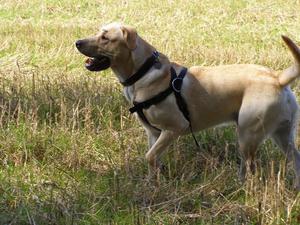
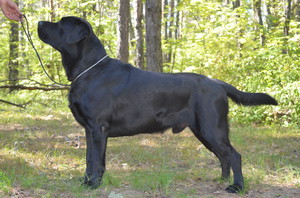
The breed was officially recognized by the English club in 1903. Initially, only black individuals were considered Labradors. Today, the standard has changed. Dogs can also be fawn, dark red, chocolate, and light cream.
The breed's name was obtained in honor of the Canadian province of LabradorHowever, at first they were named after the capital – "St. John's dogs." English hunters disliked this name, but "Labrador" stuck.
In the 20th century, retrievers arrived in America, where they found favor with hunters, sportsmen, and loggers. Over time, the breed became popular among artists, actors, pop stars, and politicians. Labradors became a household dog symbolizing well-being, harmony, and comfort.
Description of the Labrador breed
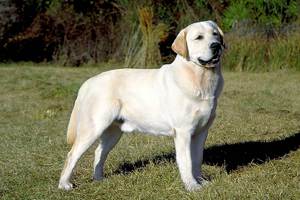
Nature has endowed retrievers with well-developed muscles, a compact body, and a strong, broad skull. Visually, a four-month-old puppy's head appears larger than its body.
According to the American standard, males should be about 63 cm at the withers, females – from 55 to 58 cm. Distinguishing features of Labradors include:
 strong and robust long body;
- powerful, broad chest;
- massive neck;
- strong, short loin;
- hanging ears located slightly at the back;
- wide-set almond-shaped eyes;
- strongly elongated muzzle;
- neat, rounded paws;
- leathery webbing between the toes;
- a tail thick at the base and tapering towards the tip, reminiscent of an otter's tail;
- horizontal tail orientation;
- short but dense coat with developed undercoat.
 strong and robust long body;
The retriever's warm coat is a legacy of its ancestors, who inhabited cold climates. The coat is also water-repellent. It has no frills or waves, and feels rough to the touch.
Three colors are considered standard for the breed:
- black;
- pale yellow;
- chocolate.
Labradors' coat colors can also be golden, liver, light cream, and fox. A white spot may adorn the dog's chest.
Description of character and temperament
Labradors are naturally are not dangerous or vicious dogsThe description of the breed's character can include:
- loyalty;
- kindness;
- patience;
- friendliness;
- mind.
Labradors aren't exactly bodyguards, but they are always ready to serve their owners. They can be hunting companions, caregivers, guide dogs, and even psychotherapists. They quickly warm up to people and want to be in constant contact with friends and acquaintances. Labradors don't like being alone.
The dog has plenty of energy. The Golden Retriever loves to play, so it's important to provide it with toys and exercise. Otherwise, boredom can lead to property damage.
Because the Labrador belongs to a hunting breedHe reacts quickly to various outside noises. But he will never bark without a reason.
A properly trained pet is obedient and non-aggressive. It is calm and affectionate with the elderly and loves children.
Peculiarities of education and training
 Labrador retrievers are highly trainable, but training should begin in puppyhood. Otherwise, an adult pet may develop undesirable habits. Three-month-old Labrador puppies can solve problems and perform commands that other breeds only learn at six months.
You can discipline your pet through walks and exercise. A short morning walk and a long evening walk are ideal for the breed. You can occasionally walk the dog for half an hour several times a day. More intense exercise is also necessary for your pet. you can take it for a morning runPlay soccer or another active game with him. Retrievers love to swim, so if possible, take them to a body of water.
Don't overindulge a Labrador. Praise them gently, and only reward them with treats. Raising your voice or physically punishing them is not recommended. To prevent a misbehaving pet from harboring a grudge, scold them gently but firmly.
Owners should devote maximum attention to their four-legged friend. Dogs should become part of the family, actively participating in picnics and watching TV series with their owners. They love guests, interacting with them kindly and sincerely. They enjoy playing with small children and even cats.
Content Features
When wondering whether it is worth getting a retriever in an apartment, you should take into account the following points:
- Pet's place. Because dogs love social interaction, they need to be able to see their owners at all times. Therefore, their designated area should have a clear view of almost every corner of the apartment. Kennels with roofs or crates are not necessary for this breed. A natural, spacious bed is ideal. A personal item belonging to the owner should also be kept near the pet's area. This could be a bicycle, kept at a distance from the bed.
- Grooming. Labradors have medium-length fur, but they can shed a lot during shedding season. This should be taken into account and brushed regularly. Otherwise, you'll end up finding hairballs all over your apartment. Retrievers shed year-round, so they'll need to be brushed daily.
- Walks. Even if your pet is housetrained, they shouldn't be cooped up all day. An active dog needs freedom of movement and space to play. Therefore, a Labrador needs to be walked daily, preferably several times a day. A fenced yard is much more comfortable.
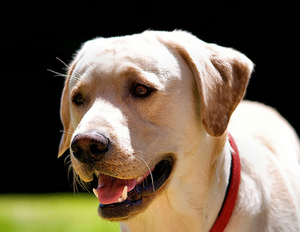 Pet's place. Because dogs love social interaction, they need to be able to see their owners at all times. Therefore, their designated area should have a clear view of almost every corner of the apartment. Kennels with roofs or crates are not necessary for this breed. A natural, spacious bed is ideal. A personal item belonging to the owner should also be kept near the pet's area. This could be a bicycle, kept at a distance from the bed.
Feeding Labradors
The pet needs complex dietThe owner decides whether the dog eats natural or dry food. It's important to keep in mind that mixing the two types of food is not recommended. Dogs of this breed often have a habit of stealing food, so it's important to always be vigilant and keep an eye on the food.
Retriever feeding schedule is as follows:
- Up to 3 months of age – six times a day.
- Up to 5 months – five times.
- Up to 10 months of age – four times.
- Up to one year – three times.
- An adult dog should be fed twice a day.
Puppies love to eat, but they should not be overfed, as the breed is prone to obesity. A balanced diet is essential.
Puppies It is recommended to feed dry food, mixing it with porridge or soup. Your pet's diet should definitely include:
- fruits and vegetables;
- cottage cheese;
- cereals;
- vegetable oil;
- eggs;
- lean fish;
- skinless chicken;
- beef or veal.
 fruits and vegetables;
Labradors need to be fed vitamin and mineral supplements throughout the year.
If you will have your four-legged friend feed natural food, then the dog should eat 20 grams of meat per kilogram of body weight daily. A Labrador can be fed beef, lean lamb, turkey, and chicken. A quarter of the diet should consist of buckwheat, rice, or wheat. If your pet is prone to obesity, barley is recommended. Another quarter of the diet should consist of pumpkin, cabbage, tomatoes, zucchini, beets, carrots, and greens.
Retriever health
Hardy large dogs can still get sick. The breed most often suffers from:
- From hereditary diseases associated with bones and joints. This can include elbow or hip dysplasia. Osteoarthritis is common in older people.
- For gastrointestinal problems such as nausea, constipation, or diarrhea. In any case, it's best to consult a doctor immediately.
- False pregnancy, which can occur in some female dogs a couple of months after estrus, requires treatment. A young dog should also be monitored by a veterinarian during her first pregnancy.
- For various injuries such as cuts, bruises, strains, and fractures, which can easily be sustained by an active dog. Open, minor wounds can be treated at home. For strains and more serious injuries, consult a veterinarian.
With proper maintenance, moderate exercise and a balanced diet Labradors live from 10 to 14 years.
Choosing a puppy
You can buy a healthy puppy from an experienced breeder or a kennel. It's best to choose a pet between 6 and 8 weeks old. When choosing, it's important to pay attention to the following points:
- the puppy should have a good appetite;
- the skin should be free from any damage or fleas;
- the puppy should be dense, but not fat;
- the small pet should show signs of friendship;
- The puppy should not be timid or vicious.
 the puppy should have a good appetite;
Bitch or male
To ensure friendliness and calm, many choose female dogs. However, they are quite stubborn individuals. Moreover, the main estrus may become a problem, which takes place twice a year. During this time, owners must be especially vigilant and protect female dogs from unwanted cables.
It's believed that kennel cats are more loyal to their owners and get along well with any pet. They grow into strong, large individuals that are very active and require constant attention.
Therefore, when choosing a four-legged friend, you should remember that you will have to look after it for 10 to 15 years.
It's essential to thoroughly prepare for the arrival of a new resident. First and foremost, you should purchase and prepare:
- sleeping mattress;
- individual place for a dog;
- a bowl for water and food;
- feeding place;
- special food;
- collar and leash;
- first aid kit;
- toys.
 Before a puppy appears in the house, you need to remove carpets from the floors, put away shoes, chemicals, various wires and small objects that the little pet can be chewed or swallowed.
Many people wonder whether it's worth buying an adult Labrador. It's essential to observe your potential pet in its natural environment. Observe how it behaves outside. Ask about any bad habits and learn how it interacts with children and other animals. Training an adult Labrador will be easiest for someone who has handled a similar breed before.
When buying or adopting a Labrador Retriever puppy, be prepared to care for it and spend money on training and education. If you want a helper and loyal companion, spend more time with the dog, as the breed was bred to interact and communicate with people.