A zebroid is a rare equine hybrid that is the result of crossing a horse mare and a zebra stallion.
In 1815, scientists first crossed an Arabian mare with a quagga zebra, a now-extinct species of wild horse. The result was a very cute striped foal, more similar in appearance to an Arabian horse than a zebra.
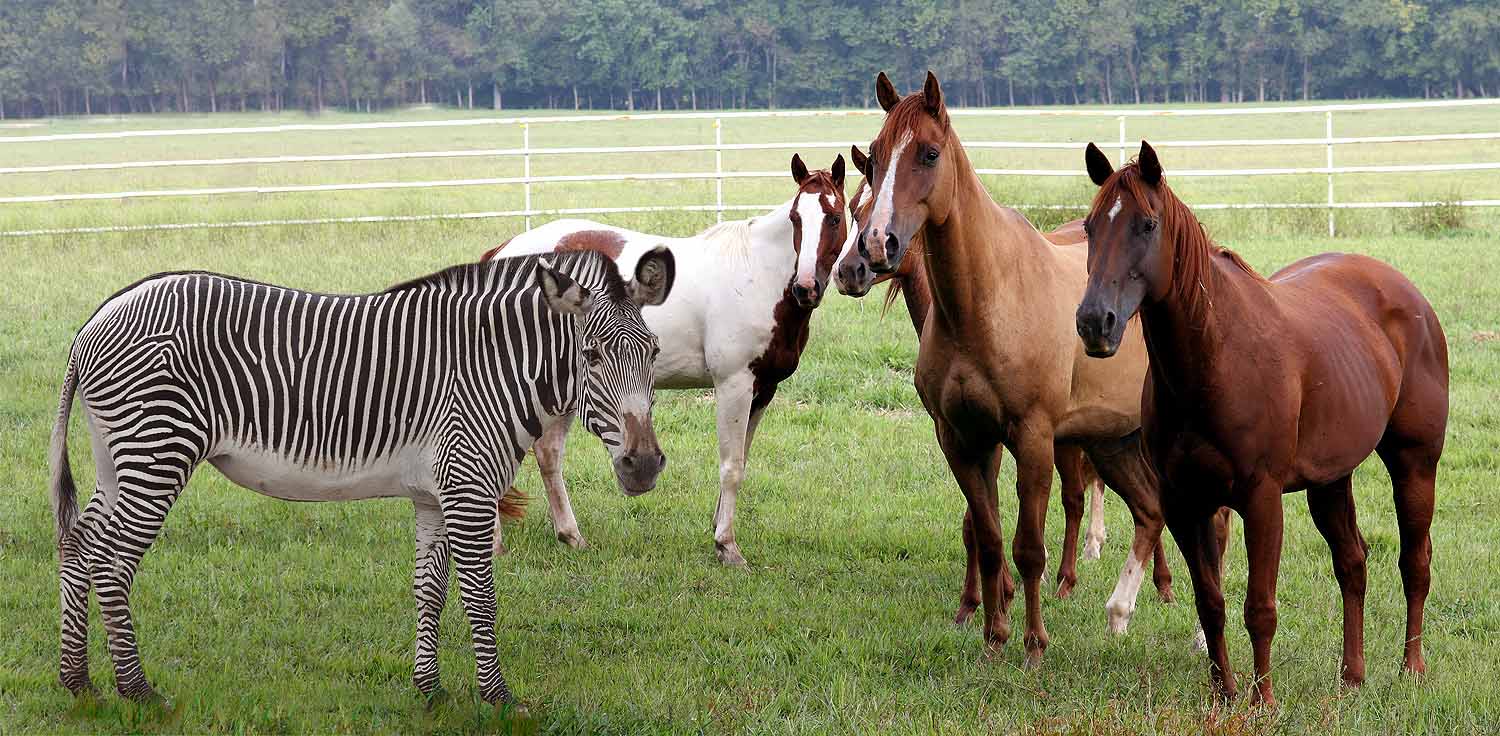
To date, several varieties of zebroids have been bred:
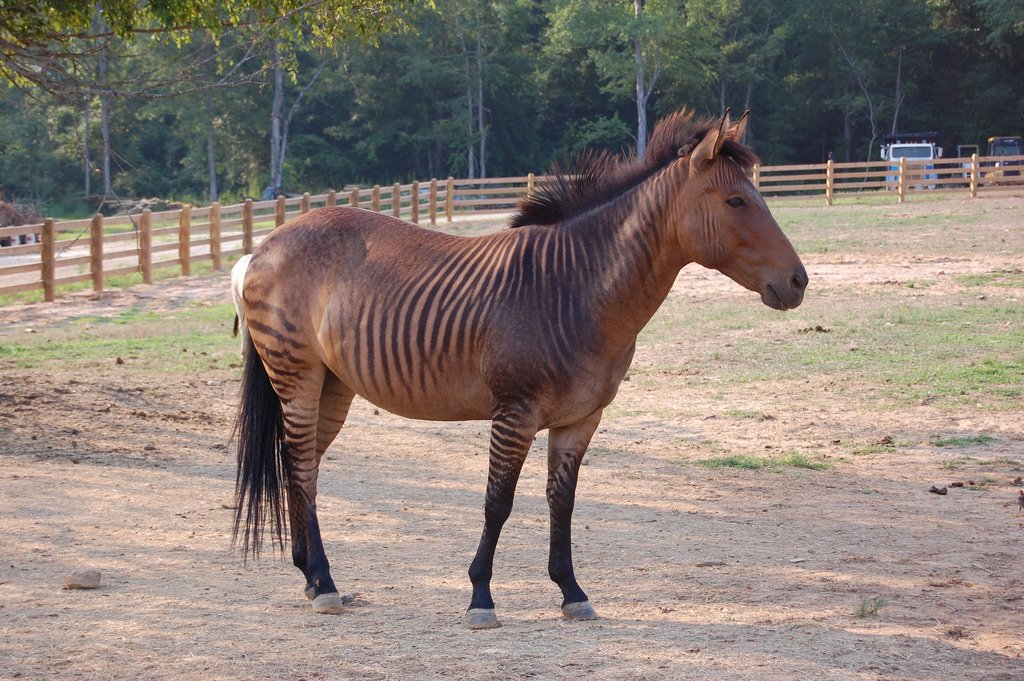
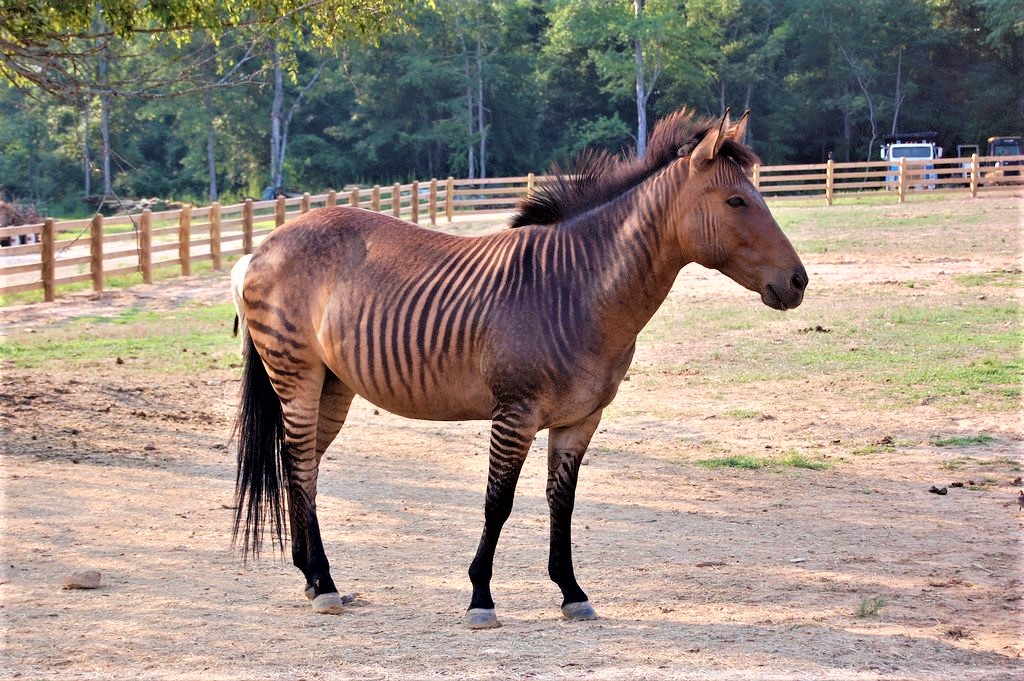
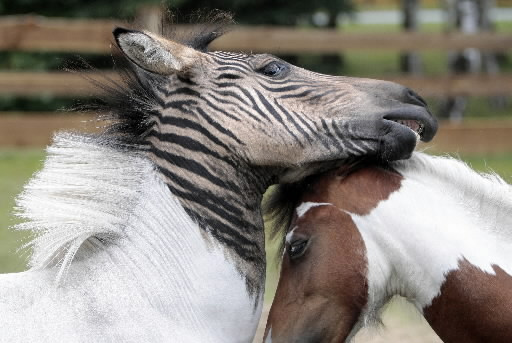
Zorses are foals from a zebra and a horse.
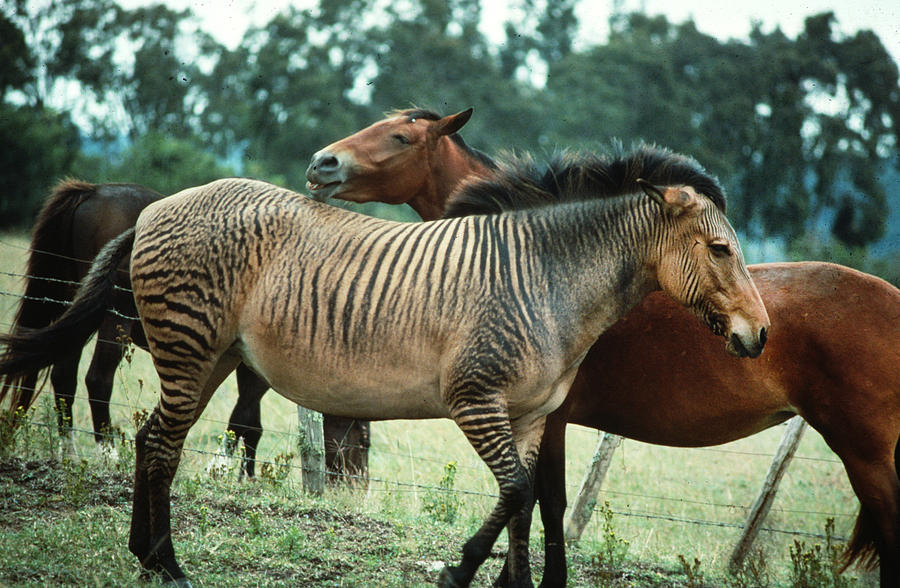
Zoni are foals from a zebra and a pony.
Zedonki are foals from a zebra and a donkey.
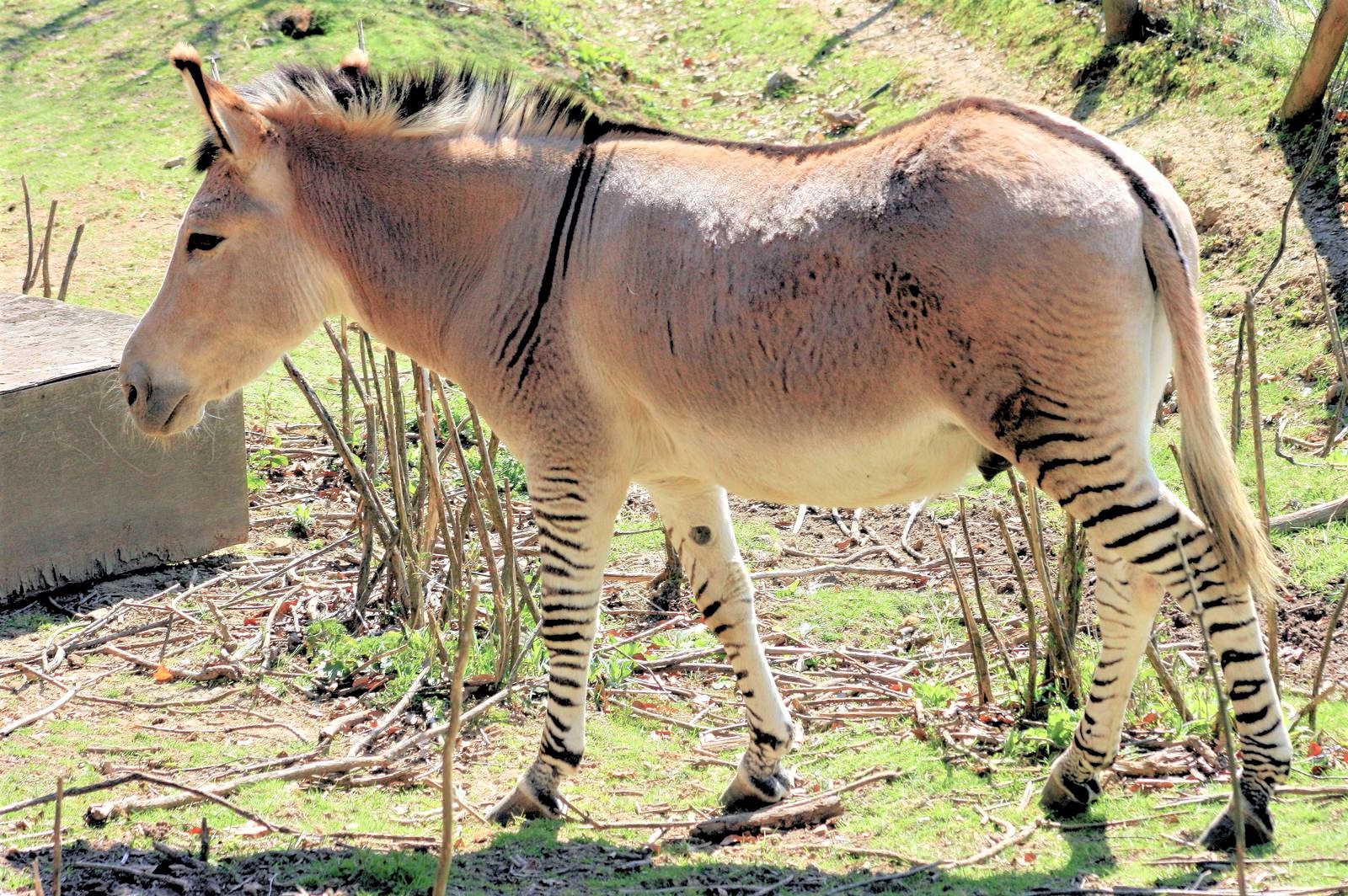
Zebroids resemble their mothers in appearance. Zorses, for example, are tall and stately, resembling a horse; zonies are small and cute; and zedonks have long, donkey-like ears and a distinctive build.
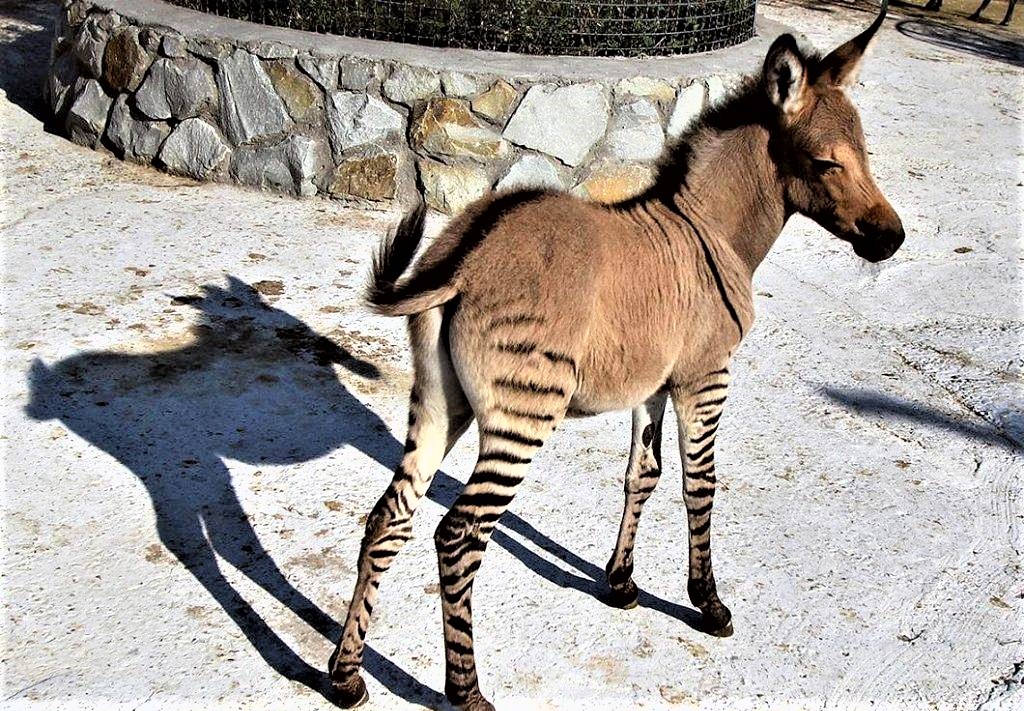
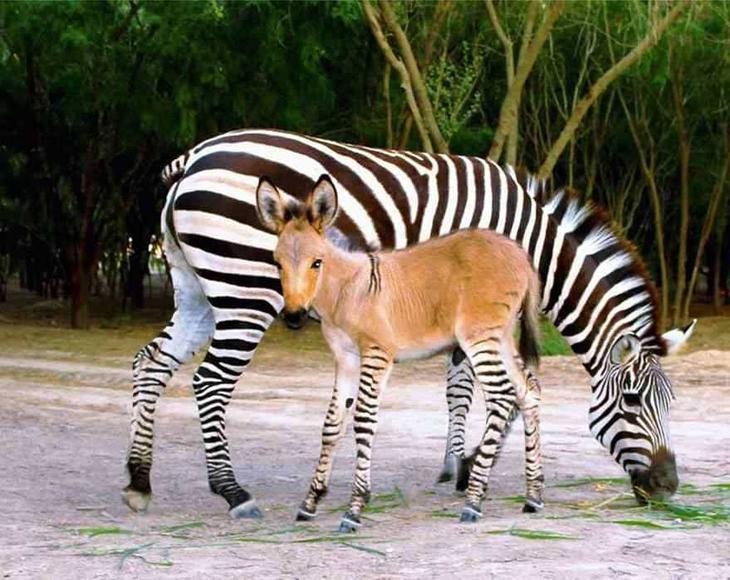
The striped coat is inherited from the zebra. Some hybrids have stripes covering their entire bodies, while other zebroids are solid in color, with only certain areas of their bodies striped, typically on the legs and rump, and less commonly on the neck and head. Zebras, however, have given these striped horses excellent endurance, but an uncooperative and sometimes stubborn nature. Unlike horses, zebroids do not display overt friendliness toward humans, but retain a more wild and independent nature.
Zebroids are most common in Southeast Africa. In the hot climate, most horses and donkeys are unable to perform well in pack work, and zebras are too wild to be tamed. As a result, zebroids offer a happy medium between the hardy wild zebra and the large, docile horse.
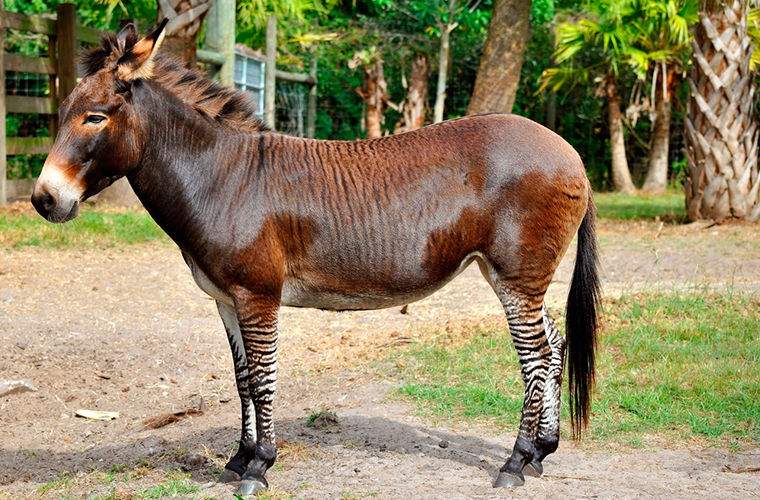
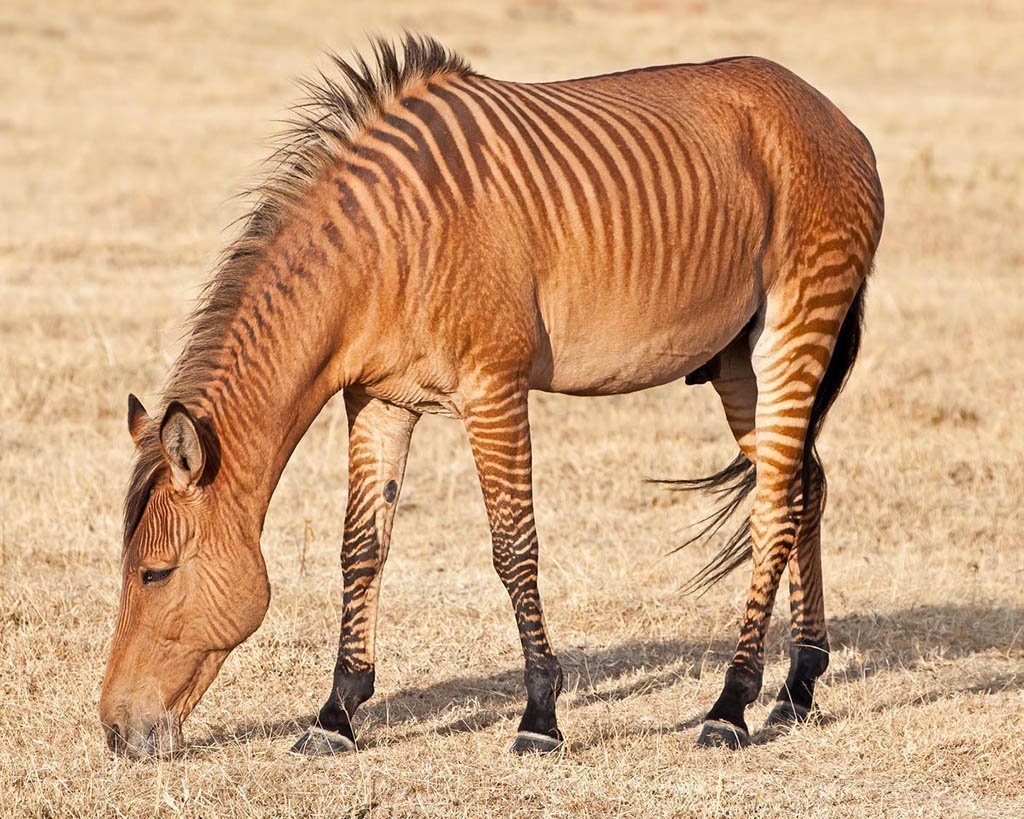
In addition to their ability to work, zebroids have excellent health; they are resistant to the bites of the African fly and the disease they transmit – malaria.
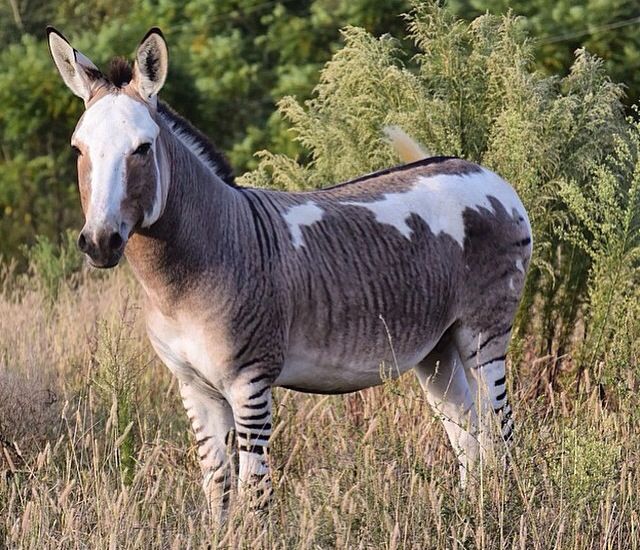
While zebroids are common pack horses in Africa, horse-zebra hybrids are exotic in Europe and the Americas. They can only be found in zoos, private farms, and occasionally in circuses.
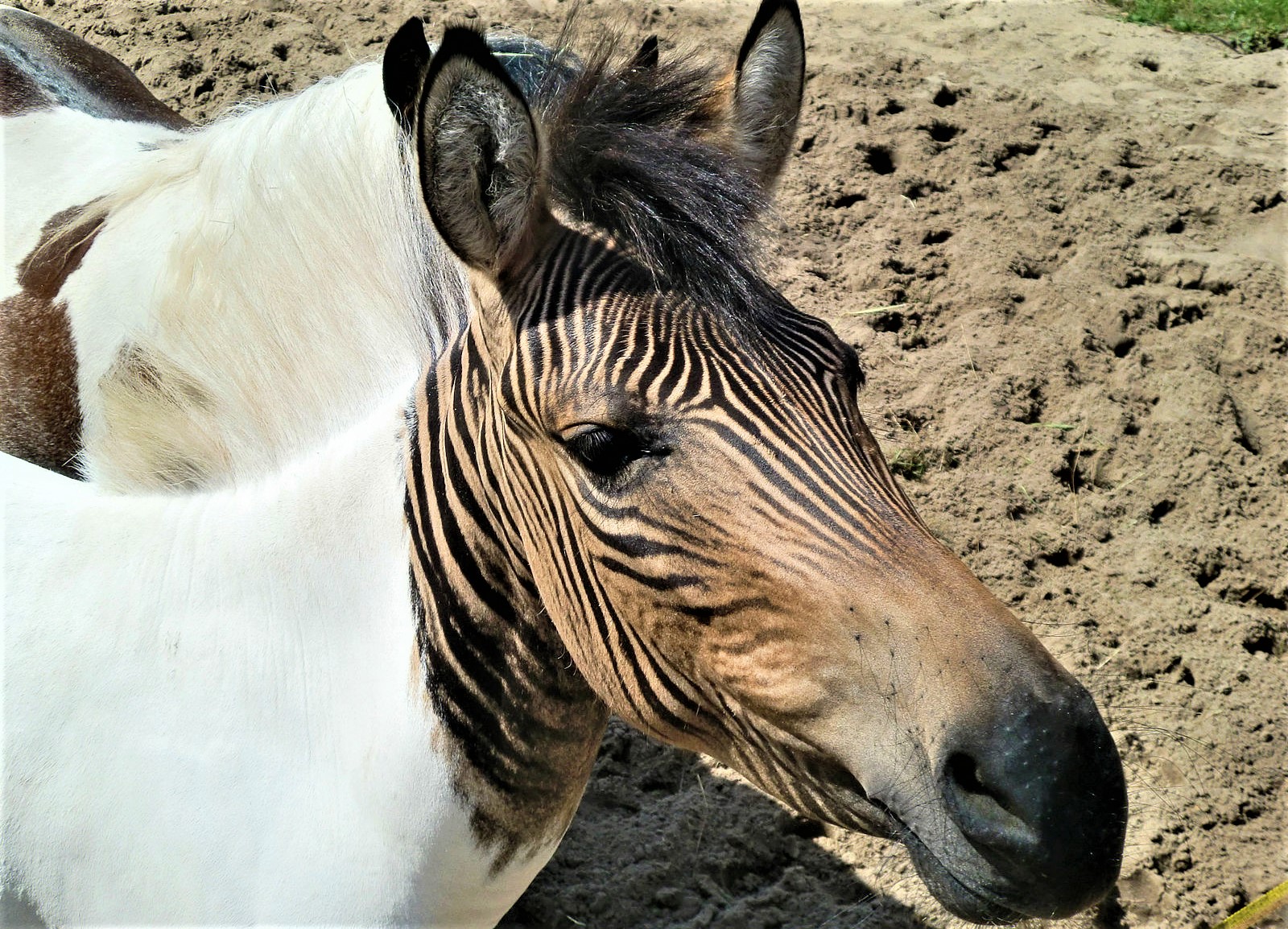
The zebroid is a very rare animal. Reproduction is a complex process. Foals from zebras crossed with horses, donkeys, or ponies are rare. Many foals are born weak and prone to illness.
 Fedor
Fedor
1 comment