Surely every cat lover has dreamed of having a large pet that closely resembles a predator. It's no surprise, as these graceful animals are sure to attract attention. In this article, you'll learn which cat breeds most closely resemble their wild relatives—lynxes.
Caracal
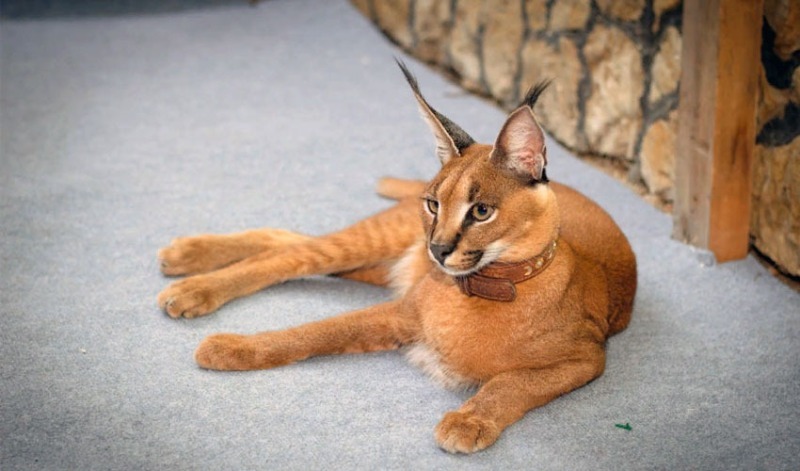
Strength and grace, an exotic appearance and feline tenderness, and most importantly, adorable black ears with tufts at the tips—all these perfectly describe the caracal breed. This cat's most distinctive feature is its large ears with five-centimeter tufts at the tips. It is this accent that gives the caracal its predatory appearance, conveying its uniqueness and superiority to all who see it. These cats were first spotted in the vast African savannas and deserts, and later in Central Asia and the Arabian Peninsula. Turkey is believed to be the birthplace of these beauties.
This breed was originally domesticated for two purposes: entertaining the public (they are easily trained) and assisting in hunting game (the caracal can jump up to 3 meters, making catching birds much easier). This breed has a gentle and docile nature, especially if well-mannered and trained. It is active, sociable, and loves to play.
The caracal's primary means of communication is hissing, purring, and growling; they rarely meow. In appearance and personality, the caracal resembles a rabid cross between a cat and a dog. It loves to bask in the sun, but will also happily take a leashed walk to the nearest park.
Since the caracal is more of a predatory cat, its maintenance is not so simple:
- There should be plenty of space for keeping it, an ordinary apartment is not suitable for this breed;
- the animal requires a lot of attention and regular walks in the fresh air;
- If you live in a private house, you will need an enclosure so that the cat can walk there;
- If there are small children (under 5-7 years old) in the house, it is not advisable to get a caracal;
- The animal loves heat and does not tolerate severe cold.
If you follow all these rules, you will be able to completely tame this wild animal, and also fill your home with affection, warmth and pleasant bustle.
Karaket
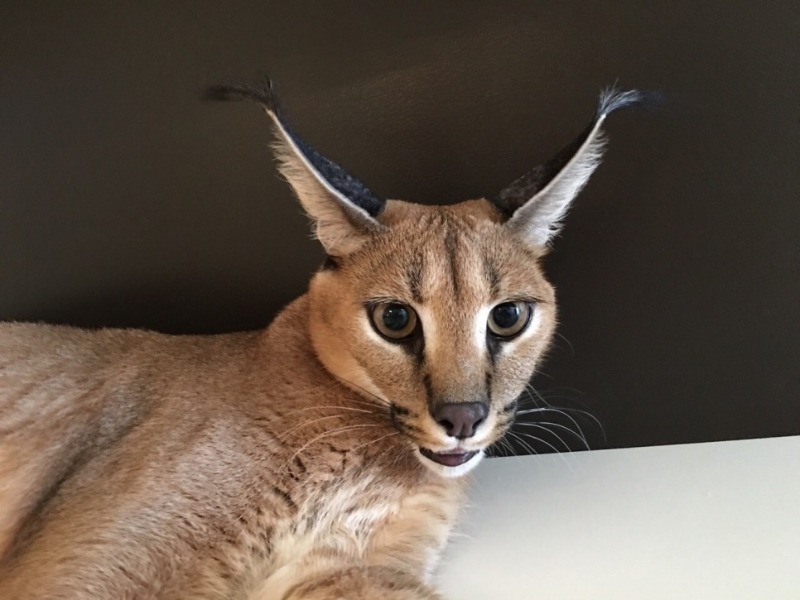
The Caracat is the most striking and colorful cat breed, created by crossing a domestic cat and a steppe lynx. Externally, the Caracat is indistinguishable from the caracal: the same dense tufts on its ears, golden fur, and robust build. From the domestic cat, it inherited its friendly nature and love of affection.
The Caracat's size significantly exceeds that of any other domestic cat breed. This beauty weighs over 15 kilograms, stands 45 cm at the withers, and is 90 cm long. The Caracat is a very active and agile pet. Its excellent hearing and ability to jump high are complemented by its hunting instincts, which it is always eager to demonstrate. The Caracat is a nocturnal breed, and to ensure its presence doesn't interfere with sleep at night, it requires active exercise (walks and playtime) during the day.
This cat boasts excellent immunity—it rarely gets sick. The only health problem that can arise is due to improper feeding. The Caracat does not tolerate dry commercial food well, as its digestive system is tuned to bones and raw meat.
The Caracat is not far removed from its ancestors, meaning it's stubborn and independent in spades. It will take a lot of time and effort to win your pet over. Once it's trusted, love and affection are guaranteed.
Maine Coon with ear tassels
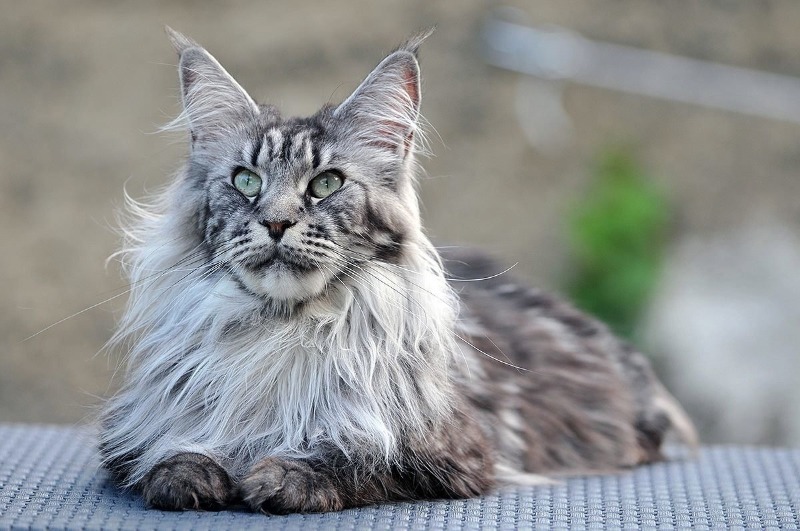
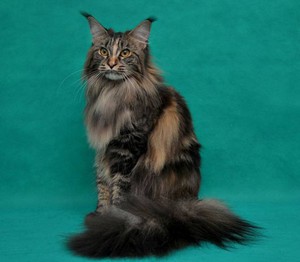
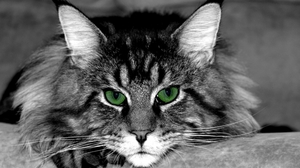
The Maine Coon is a native North American cat breed, which translates as "Maine Raccoon." Big cat lovers will find this breed a delight to own. Although it's among the largest cat breeds, it easily fits even in small apartments. Maine Coons' appearance is easily recognizable: long, thick fur, large amber-yellow eyes, a square head, large sharp teeth, and widely spaced ears with tufts at the tips. Their fur is so dense that it's practically water-repellent. An adult Maine Coon also boasts a thick ruff, a feature uncommon in many cat breeds.
An adult male Maine Coon will weigh approximately 7-13 kg, while females are half that size, so their weight can range from 4-8 kg. Nevertheless, Maine Coons are considered giant cats for good reason – their length (from head to tail) can reach just over a meter.
Maine Coons are highly intelligent, which promotes understanding between humans and cats. They are highly trainable and respond well to commands, and are highly attuned to the intonation of their household members' voices. Their docile nature prevents them from causing mischief or knocking objects off shelves, and their dislike of small spaces means they won't climb into closets or bags.
This breed is quite low maintenance, so to keep your cat looking beautiful and happy, you will need:
- systematically comb out thick fur with a metal comb;
- bathe your pet and don’t forget to clean its ears;
- trim the claws at least once every two weeks (more often is possible);
- Feed with high-quality and proven food (it is advisable to consult a veterinarian).
However, it's important to remember that this breed is allergenic. Therefore, if you're considering getting a Maine Coon, you should reconsider and weigh the pros and cons.
Pixiebob
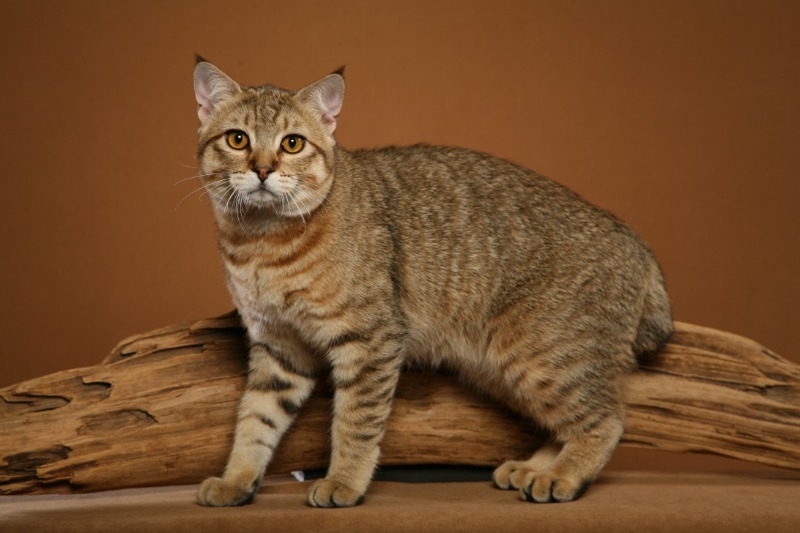
The Pixiebob is a cat breed that was artificially bred. The goal was to create a cat that closely resembles the lynx. Representatives of this breed are medium-sized and continue to grow until they are four years old. Weight also varies by gender: males can weigh up to 10 kg, while females can weigh up to 5 kg.
The Pixiebob's appearance is very similar to the American Bobtail: a short tail, a massive muzzle, and triangular eyes. According to owners, cats of this breed are very devoted to their owners and get along well with children and other animals. They are not accustomed to sharing their owner with anyone else. Many breeders jokingly refer to their cats as "dogs in disguise." Indeed, Pixiebobs are easily trained and enjoy leash walks. They are also very curious, love to chat, and love to play.
This breed is completely non-aggressive. Although the Pixie-Bob may appear stern and wild, it is very affectionate and kind. On average, Pixie-Bob cats enjoy good health. But despite the breed's excellent immunity, it's important to remember the most important things:
- do not overfeed your cat;
- Pixiebobs are sensitive to some vaccinations;
- You need to brush your cat at least 2-3 times a week;
- It is essential to clean your teeth and ears;
- bathe no more than once a month.
If you're looking for a graceful exotic cat with a kind and affectionate soul, these breeds are perfect for you. Remember to keep your pets healthy, take them for walks, play with them, and pamper them occasionally. If you follow all these rules, and sprinkle them with a pinch of love and care, these predatory cats will delight you with grace and affection throughout their lives.