Russia is the birthplace not only of Matryoshka dolls but also of new breeds of cats. Some of these have spread throughout the world, earning respect and universal admiration.
Siberian cat
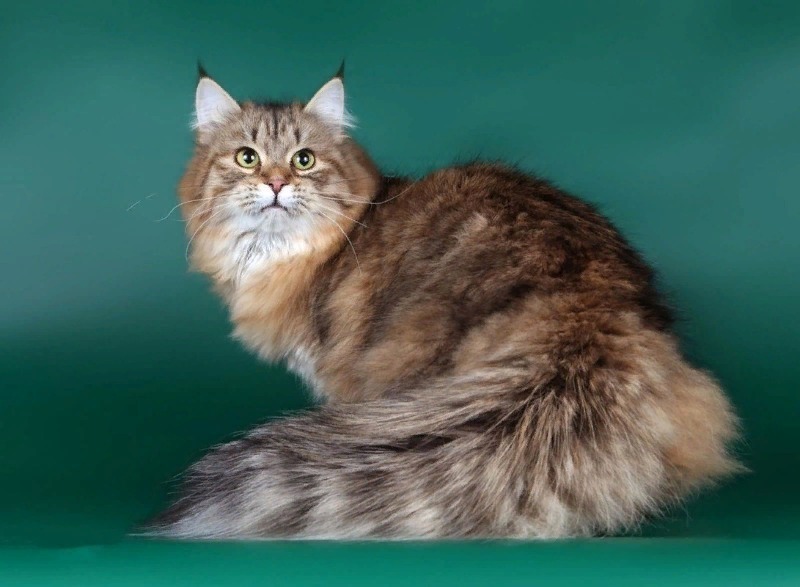
The first mentions of Siberian cats appeared in the 16th century. At that time, they had another name: Bukhara. Initially, the breed developed independently, with domestic cats being crossed with wild forest cats.
Siberian cats developed a powerful, robust body. Cats with long, dense fur survived the Siberian cold best. These cats became the ancestors of modern representatives of the breed.
These large, beautiful animals, with striped or marbled coats and a variety of shades, have conquered the world. They are recognized by seven international felinological organizations. Another unique feature of Siberian cats is their water-repellent coat, made of three layers.
Russian Blue cat
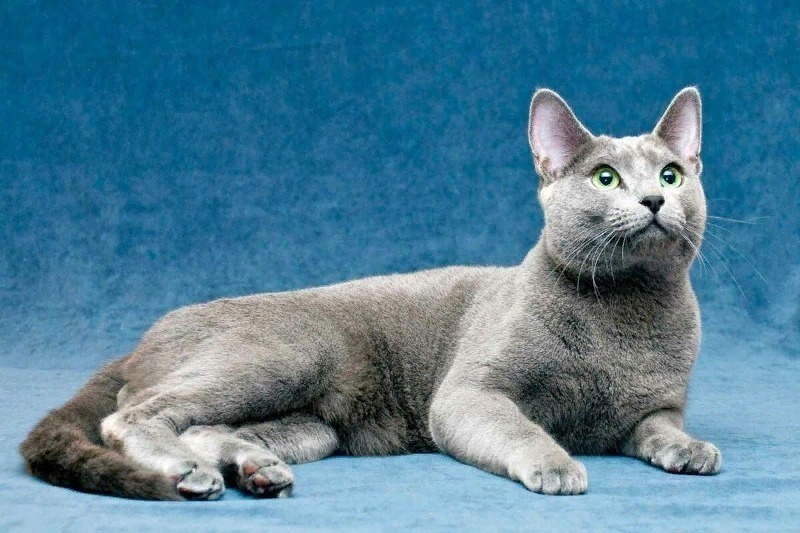
The Russian Blue cat breeding was first developed in England. In the mid-19th century, Mrs. Constance Carew Cox began working on the new breed. However, without a good breeding foundation, successful results were impossible.
The Englishwoman chose an animal native to Arkhangelsk as the progenitor for her cats. She was a blue-and-white cat named Cola. After her, Olga, Limpopo, Moskow, Fashoda, Odessa, and Yulia arrived in England from Russia on an "important mission."
The first name given to the new breed was Arkhangelsk. Initially, there was confusion between Russian Blue cats and British Blues. It wasn't until 1935 that a clear distinction was made between the two breeds.
Neva Masquerade cat
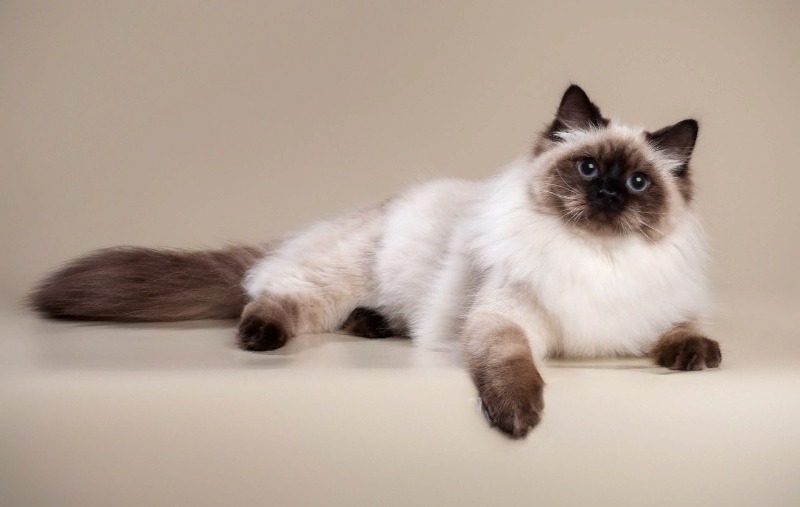
The Neva Masquerade cat was created thanks to the efforts of Russian breeders. In 1989, the Kotofey felinological club in St. Petersburg began developing the new breed. The work was led by breeder Olga Mironova.
The Neva Masquerade is a cross between Siberian and Siamese cats. The Neva was named after the Neva River, on which St. Petersburg is located. The distinctive facial fur coloring gave the cats their second name—Masquerade.
Just 3 years after the start of breeding work, the breed was recognized by international felinological organizations.
Peterbald
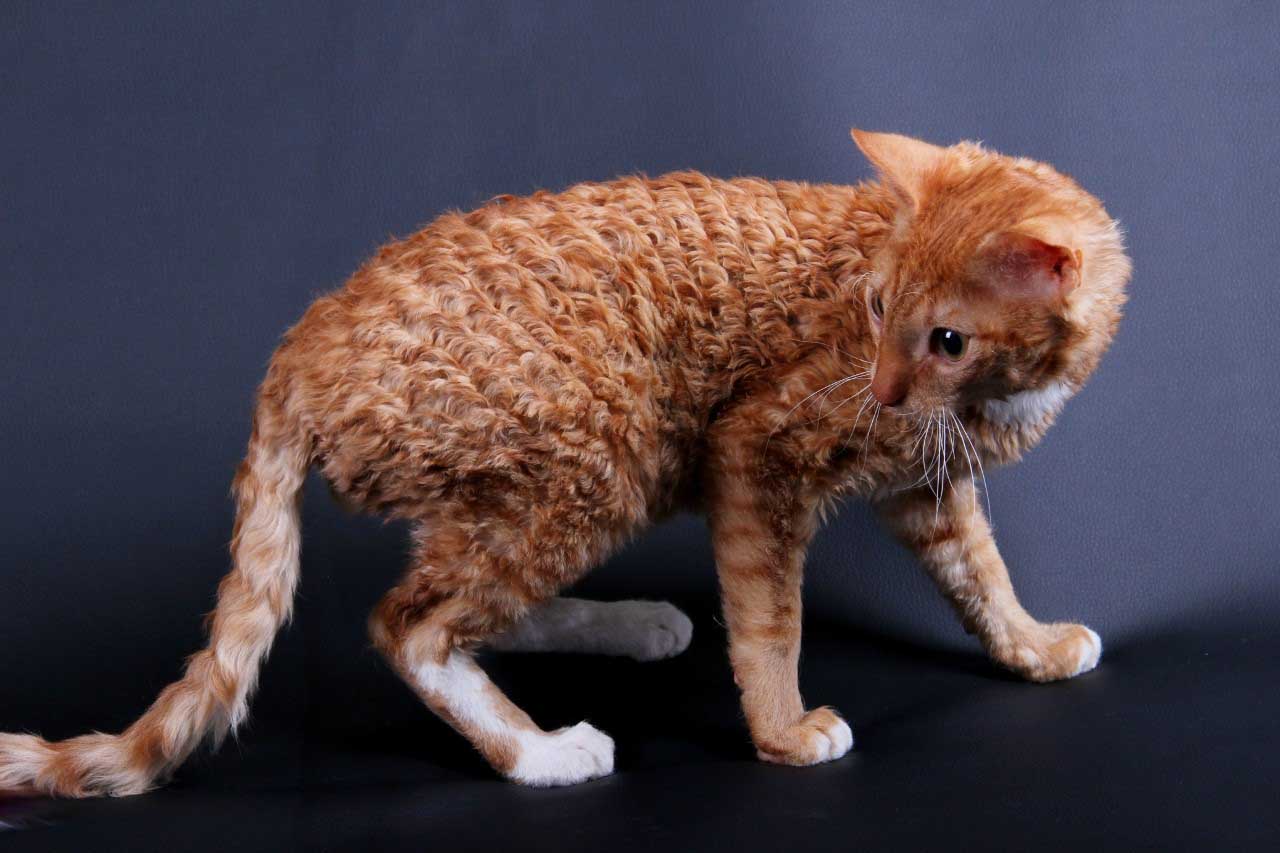
The outrageous name Peterbald translates as "bald Peter." This breed combines the geographical location and the distinctive appearance of these cats. The cradle of the Petersburg Sphynx, as this breed is also known, was the aforementioned "Kotofey" club.
Peterbalds have Russian blood in their veins. The first kittens of the new breed were fathered by a Don Sphynx named Afinogen Myth. He was mated with a female Oriental cat from Germany. She had almost no undercoat, so Afinogen's "hairless" genes were perfectly suited to the kittens of the new breed. They were born in 1994.
Don Sphinx
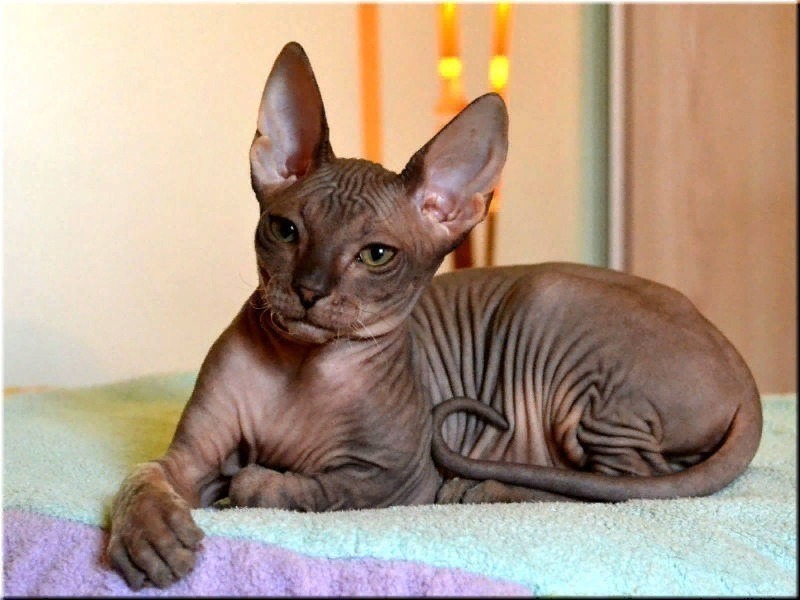
Don Sphynxes trace their ancestry to a stray cat from the streets of Rostov-on-Don. City resident Elena Kovaleva picked her up in 1986 while returning from work. They named her Varvara. For several months, she was a normal, fluffy, tortoiseshell cat.
But at seven months old, something strange began to happen to her pet: she began losing hair profusely on her head and back. Elena tried treating her pet and took her to veterinarians, but nothing helped. Meanwhile, the cat didn't seem ill—she was eating well and leading an active lifestyle.
Appeals to felinologists also yielded no results—no one was interested in the animal. Only Irina Nemykina, a cat breeder, noticed a resemblance to the hairless kittens bred in America.
Varvara's relationship with Vasily, a neighbor whose best asset was his good looks, resulted in the birth of kittens. Irina Nemykina received one of the females as a gift and began developing a new breed. International recognition of the Don Sphynx only came in 1998.
Kurilian Bobtail
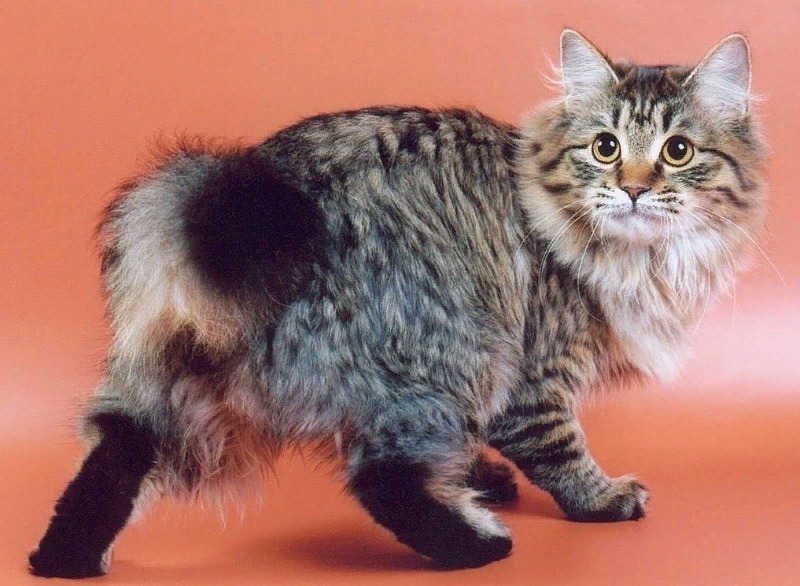
The breed's origins are linked to the exploration of the Kuril Islands. People brought their beloved pets with them, who were also excellent at catching rodents on ships.
In their new home, the animals found mates among local cats. The most common were those from neighboring Japan—short-tailed bobtails. This is how a tailless hybrid with luxurious fur was born.
The standard recognizes several short tail variations for the Kurilian Bobtail—a stump, a whisk, and a spiral. The length varies from 5 to 10 cm. The Kurilian Bobtail's proximity to the sea determined its ability to catch fish. They are also very intelligent animals.
In the 1950s, targeted efforts to consolidate the breed's genetic characteristics began. It wasn't until 1991 that international organizations began to recognize the Kurilian Bobtail as a distinct breed, not a descendant of its Japanese relatives.
Karelian Bobtail
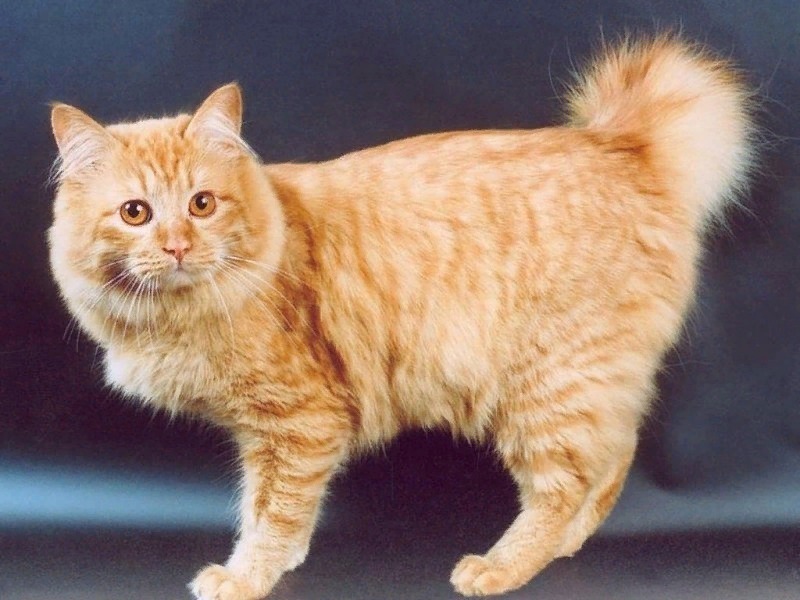
Karelian bobtails bred spontaneously for a long time along the shores of Lake Ladoga, living alongside humans. It is believed that the cats lost their tails for safety reasons.
Animals often had to flee from predators or even fight them off. A long tail didn't always serve them well—it hindered them during escapes from wild animals, and many were caught in the jaws of predators.
There is evidence that female cats have begun biting off their kittens' tails. This resulted in a natural mutation, and animals began being born without this body part.
The Karelian Bobtail was first introduced to the world in 1987, and the breed received recognition in 1994. However, the Karelian Bobtail never gained much popularity, and the breed is now on the verge of extinction.
Ural Rex
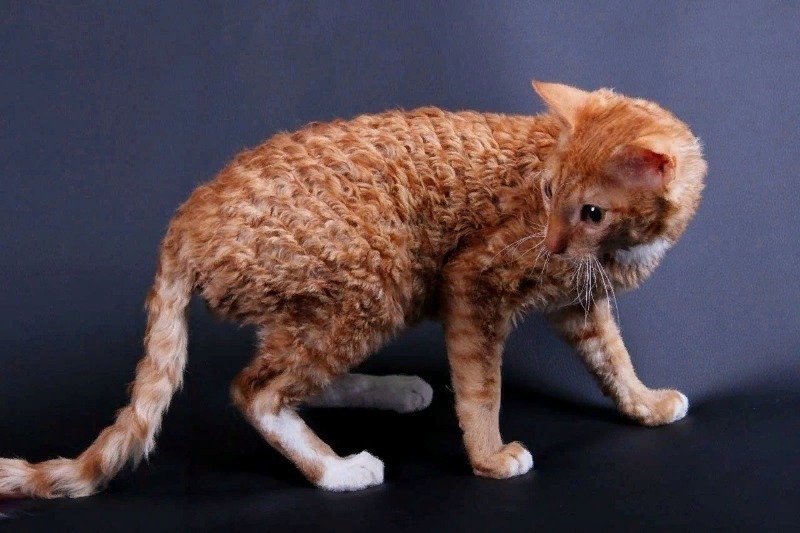
Animal breeds with curly fur are called Rexes. However, for a long time, no one paid attention to the wavy-coated cats born in the Ural settlements. It is believed that this coat variation is a matter of chance, a spontaneous mutation.
During the famine of war, the population could have disappeared completely. However, new information about the curly-haired Ural cats began to appear in the 1960s.
In 1988, a kitten named Vasily was born to a straight-haired cat. Over time, his fur began to curl more and more. It was Vaska, from the town of Zarechny in the Sverdlovsk region, who initiated the breeding of Ural Rexes. The breed was officially recognized only in 2006.