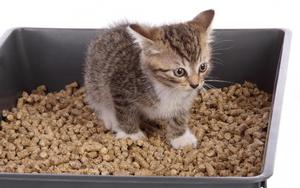
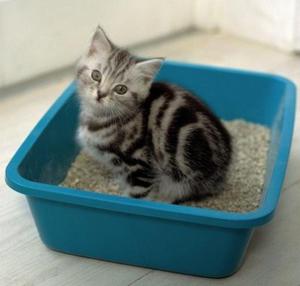
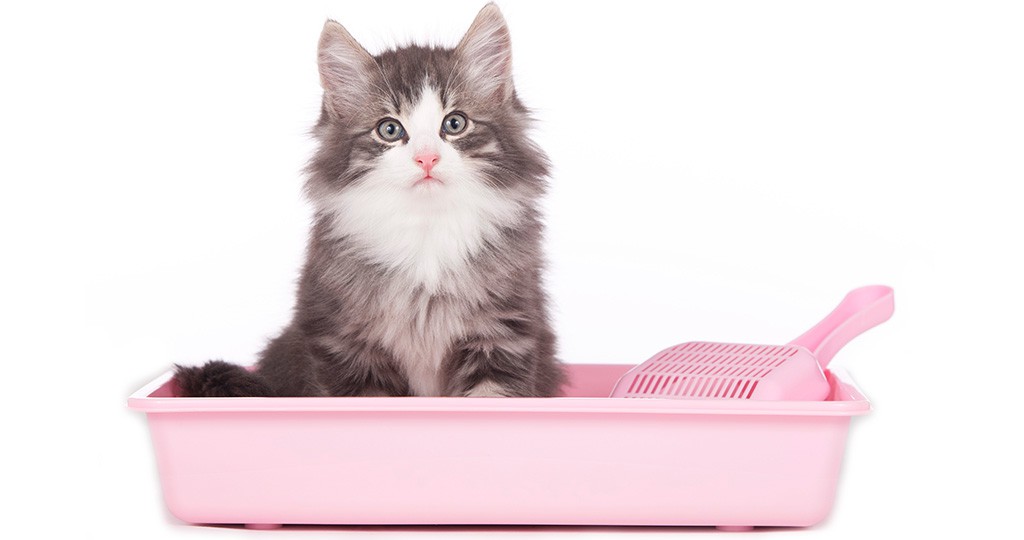
Cats are quickly trained to use the litter box, and this usually goes without a hitch. However, situations can arise where your pet suddenly begins ignoring the litter box, refusing to use it, and instead doing their business in inappropriate places. To identify the cause, you need to know the factors that could have influenced the change in your pet's behavior, and there are several.
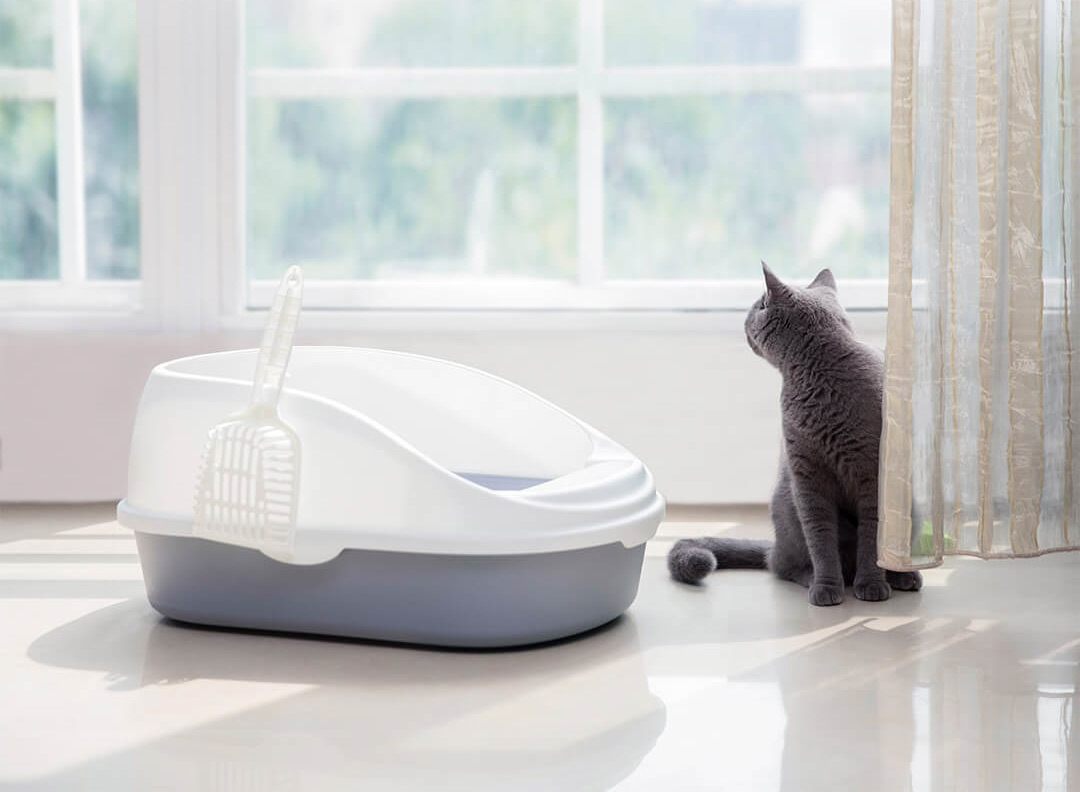
The tray smells bad.
The litter box may not be clean enough. Smell is very important to cats, as they are very clean creatures. The litter scoop should also be clean. Otherwise, its unpleasant odor, which is undetectable to humans, may repel the pet.
Even if the litter box is clean, it may smell of detergent or overly scented soap with various additives. The cat doesn't detect its own scent, which it has already used many times to mark the litter box. This frightens it and discourages it from using the litter box. Therefore, after cleaning, the "signature" cat scent should remain, enticing it to use it again and again.
The cat is repelled by the smell of the litter
Cats are very sensitive to the smell of their litter. If they don't like it or find it frightening, they'll defecate anywhere, but they won't use the litter box. Cats prefer fine-grained litter, similar to sand. Even better is mineral litter, which is completely odorless.
If a pet is accustomed to a certain smell and then it suddenly changes, this can also cause anxiety and discourage them from using the litter box, no matter how clean and well-maintained it is. When changing litter, consider your cat's preferences. However, it's best not to change it unless absolutely necessary, as the animal has already become accustomed to a certain environment.
The pet is stressed
Stress is a significant factor. A cat can experience it for various reasons. For example, the owners may have moved to a new apartment or house. Cats like consistency, living within a certain routine to which they're accustomed. And when that routine changes, anxiety sets in.
Stress can also arise after a visit to the veterinarian. Loud noise, changes in the apartment, or renovations undertaken by the owners can also have an impact. Even family conflicts can affect a cat's psychological state.
When a small child, a new family member, or a new pet arrives in the home, it's also stressful for a cat. Insecurity arises, a sense of safety and security is lost, and this is outwardly manifested in behavior.
If a problem with the litter box arises, it's important to recall all the events and changes in your cat's life that occurred over the past 2-3 months. A cat can cope with psychological trauma for a long time, but not always successfully. Therefore, it's important to eliminate the source of stress if possible or allow it to get used to the new environment. And never scold the cat, as this will only exacerbate the problem.
The cat lacks the owner's attention
Cats are considered social animals. Despite their independent nature, they require a lot of attention, affection, and care, just like children. Moreover, pets need this at any age.
If a kitten or adult cat does its business in inappropriate places around the house instead of in the litter box, it could be due to a lack of attention from its owner. This is the cat's way of trying to attract attention or take revenge for being forgotten.
The arrival of a new pet can cause jealousy in a pet. It can also cause a lack of affection for the litter box, as all attention has shifted to the new pet. In this case, the owner needs to demonstrate their continued love for the cat and provide it with care. It's best to provide each pet with its own food and toilet area. It's a good idea to have them in separate locations to avoid conflict and fighting over space and territory.
A cat may ignore the litter box and refuse to use it for a variety of reasons. Often, the owner is to blame. The problem begins long before it even appears. Patience, care, love, attention, and a calm home environment will provide your pet with a sense of security and prevent the problems that cause the cat to stop using the litter box.