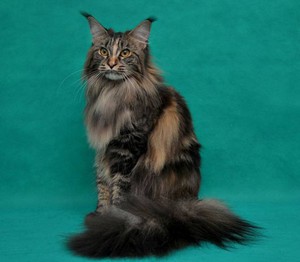
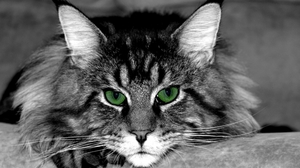
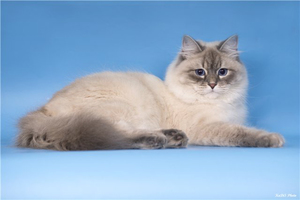
Contrary to some beliefs, cats are quite intelligent animals, and their reluctance to follow human commands is not indicative of their intelligence. The smartest cat breeds are considered to be those developed many centuries ago. However, even among younger breeds, there are some quite intelligent animals.
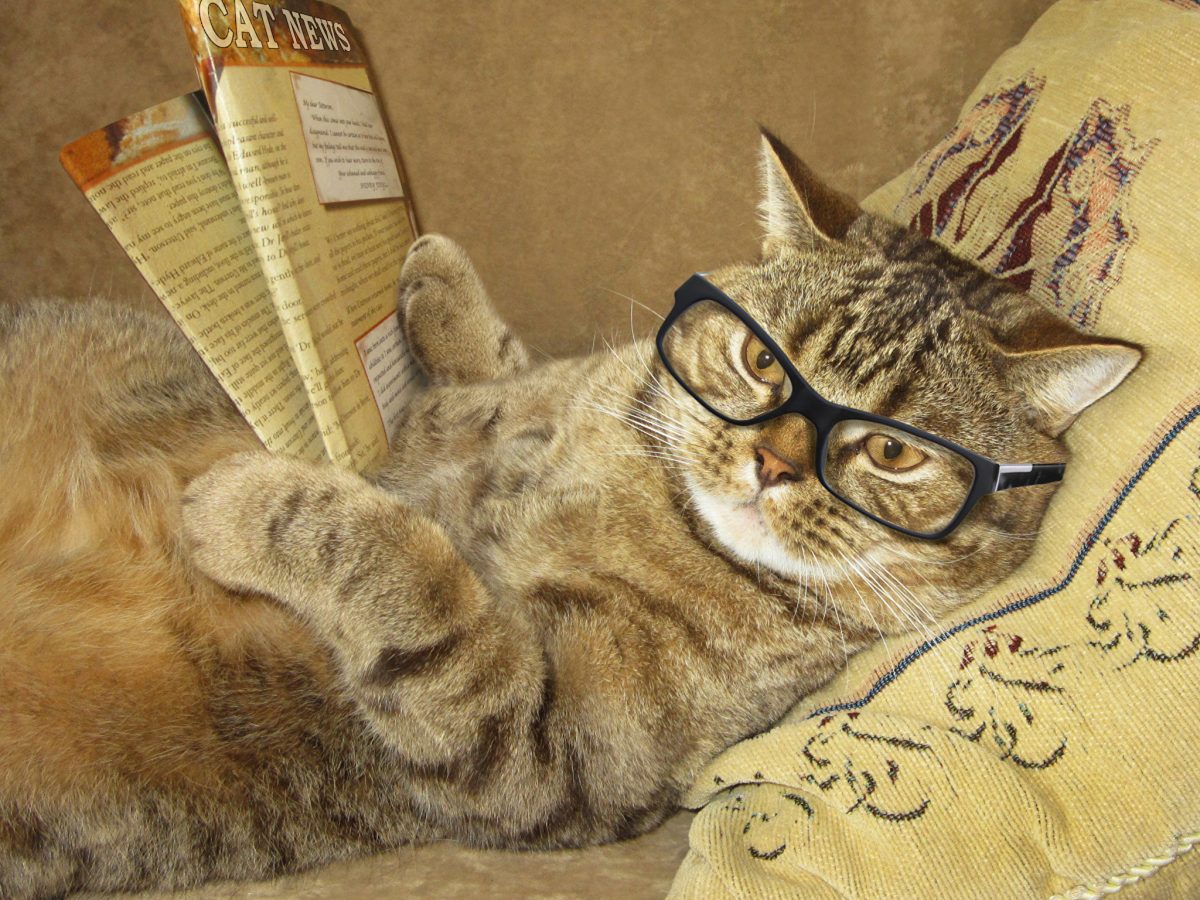
Oriental cat
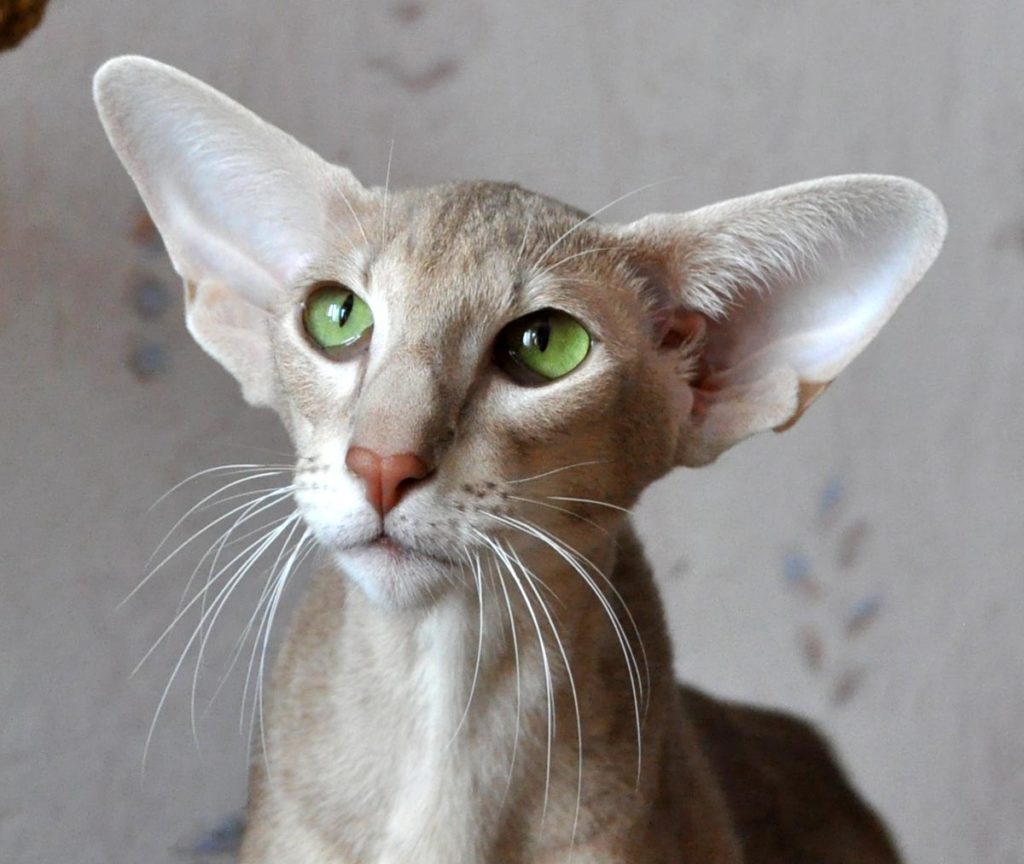
This cat breed was brought to England from Thailand in the late 19th century, but was only officially recognized in 1977. The Oriental cat possesses high emotional intelligence, making it perfectly attuned to its owner's emotions. They are able to detect even the slightest change in a person's mood and adapt to it.
Some breeders believe that Oriental cats can cure illnesses, so they recommend applying them to sore spots. This may be a myth, but if you're feeling unwell, your pet will definitely not hesitate to help. Furthermore, Orientals are easy-going and very playful. However, if you offend your pet, be prepared for it to be long-lasting.
Siamese cat
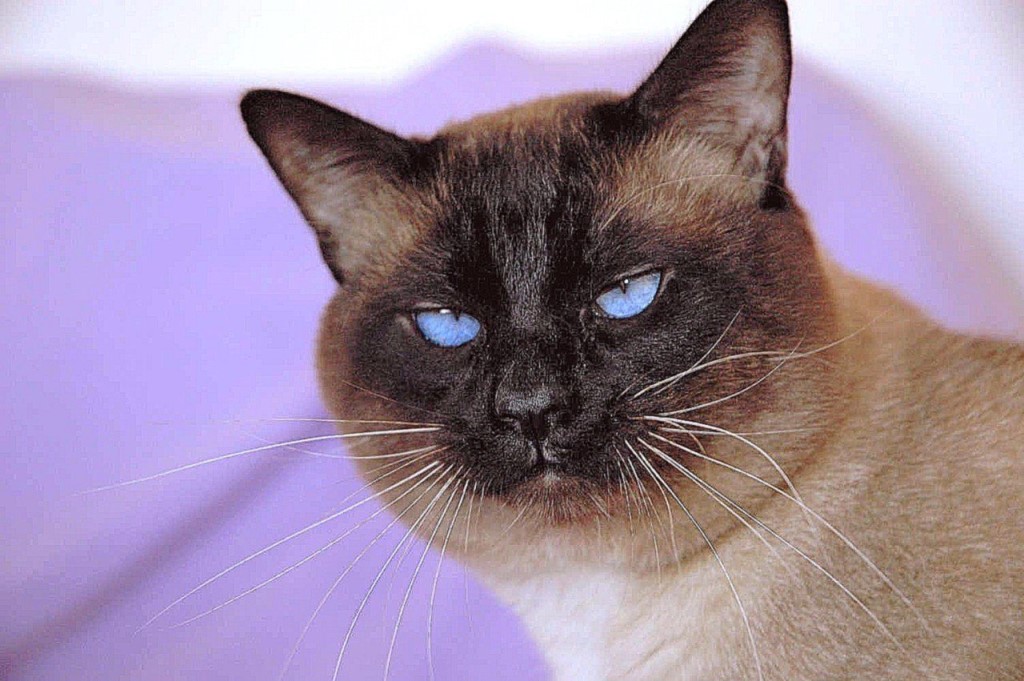
Like the Oriental Shorthair, Siamese were brought to England from Thailand in the late 19th century. Even then, the British noted the high intelligence of these cats, who walked freely on a leash and performed various commands and acrobatic tricks at the behest of their owners, much like dogs.
Many people believe that Siamese cats are willful and aggressive, but this isn't entirely true. This breed of cat senses their owners' weaknesses and successfully exploits this knowledge for their own selfish ends, which often results in irritation. Therefore, this breed is best suited for confident and well-balanced people. Only they can become a leader worthy of respect for their pet.
Maine Coon
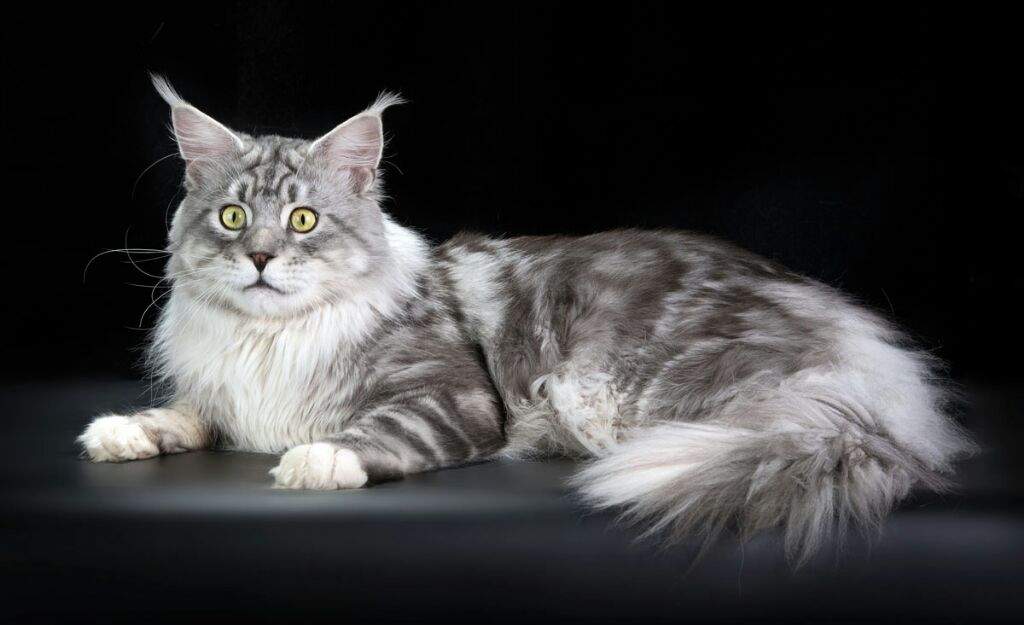
This breed's homeland is Maine, USA. It is believed that many centuries ago, the Maine Coon was a wild cat that wandered into human habitations and was domesticated. Maine Coon breeders note that their pets are intelligent, logical, and have a good memory. Maine Coons are able to discern the intonation, facial expressions, and mood of their owners. These cats, like dogs, are also often very protective of small children.
Bengal cat
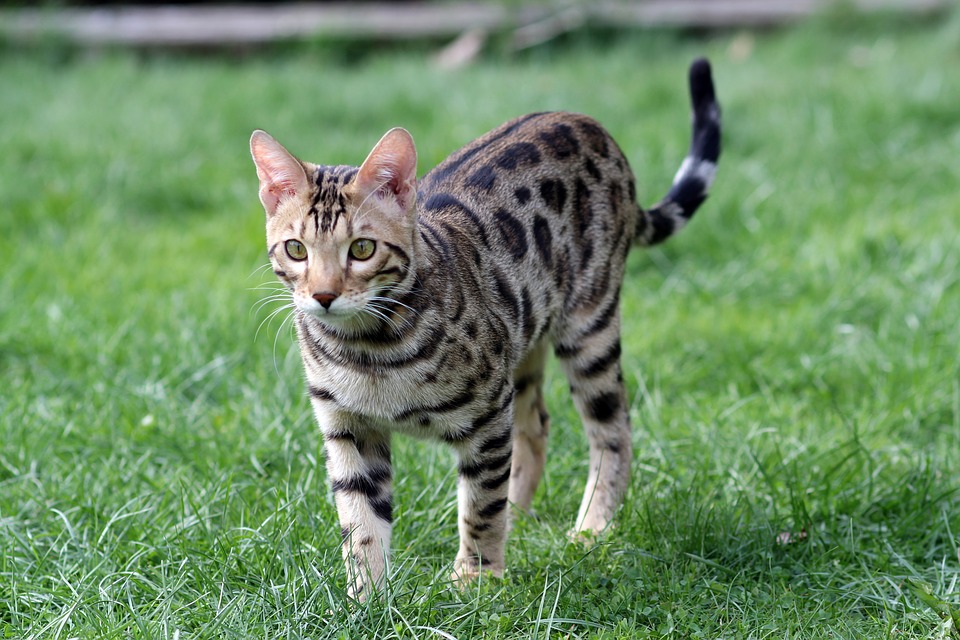
The Bengal cat is a beautiful, medium-sized cat with a strong, lean body. The breed was artificially bred. One of its "relatives" is a wild predator—the Asian leopard cat.
Bengals are highly intelligent. However, don't expect to train a Bengal cat. They're only happy to use their intelligence to learn tricks that benefit them, such as opening a cabinet or refrigerator door.
When entering a human home, these cats will scrutinize every part of it. This is one reason why Bengal cats shouldn't be kept in apartments—they'll quickly become bored in the small, confined space.
Sphinx
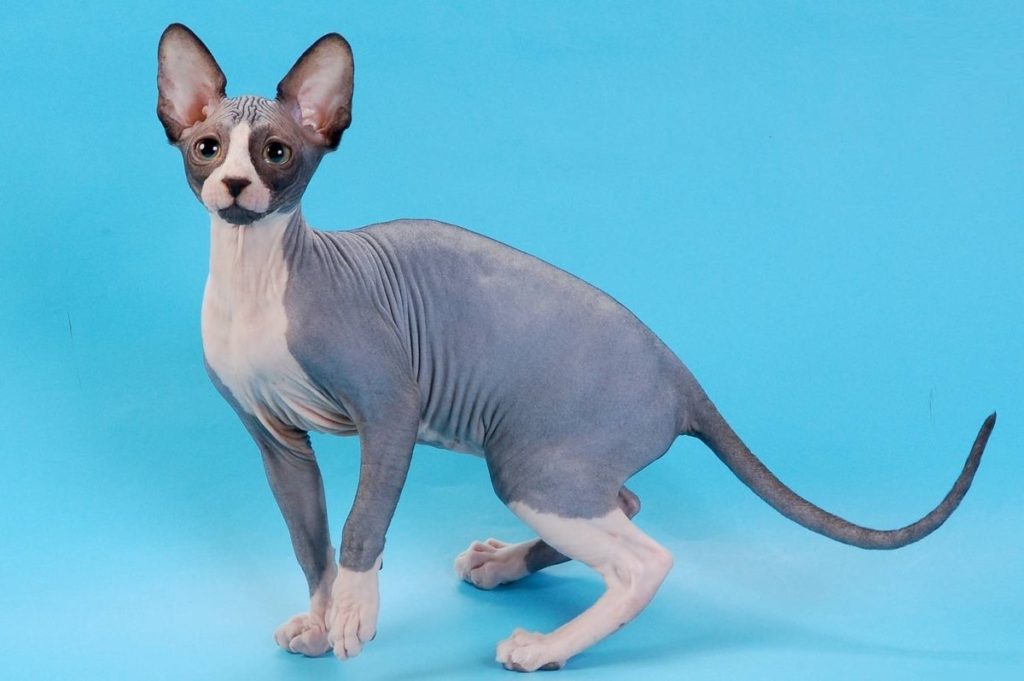
If a cat gives birth to a hairless kitten in the wild, it soon dies, as this is a mutation incompatible with life. But when humans first saw a hairless cat, they decided it looked very unusual, and through extensive experimentation, they developed the breed we all know today as the Sphynx.
Once a Sphynx is brought into the home, it becomes a fully-fledged member of the family. If the people around them are busy, the pet will try to actively participate. Furthermore, Sphynxes are highly sensitive to a person's mood and quickly detect their weaknesses, which they exploit to their advantage.
Norwegian Forest Cat
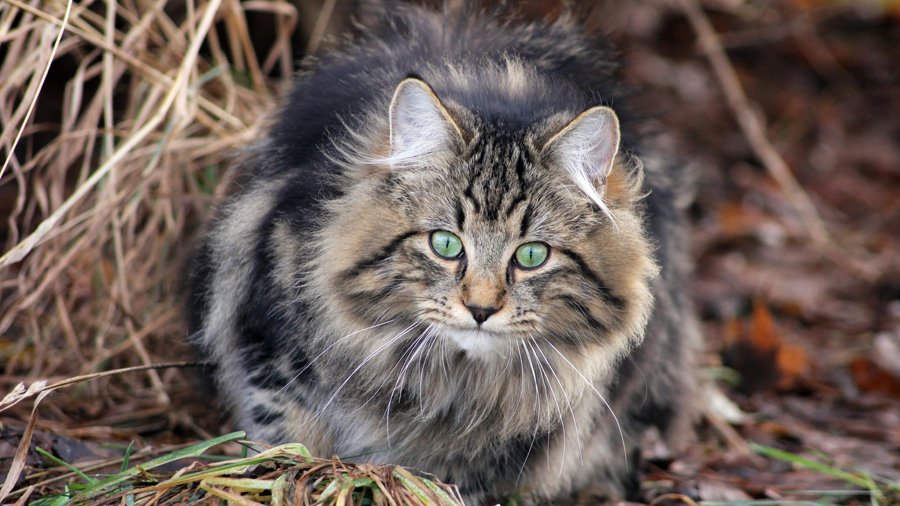
This breed hasn't been selectively bred, meaning it has a strong immune system. In the wild, Norwegian Forest cats lived in packs, so when they join a family, they perceive people as their pack, immediately identifying a leader and becoming their ally.
All Norwegian Forest cat owners note their pet's independent nature. Despite this, they are friendly and readily understand the rules of the game when set by humans. They dislike excessive cooing and can hiss if their owner oversteps the mark.
Munchkin
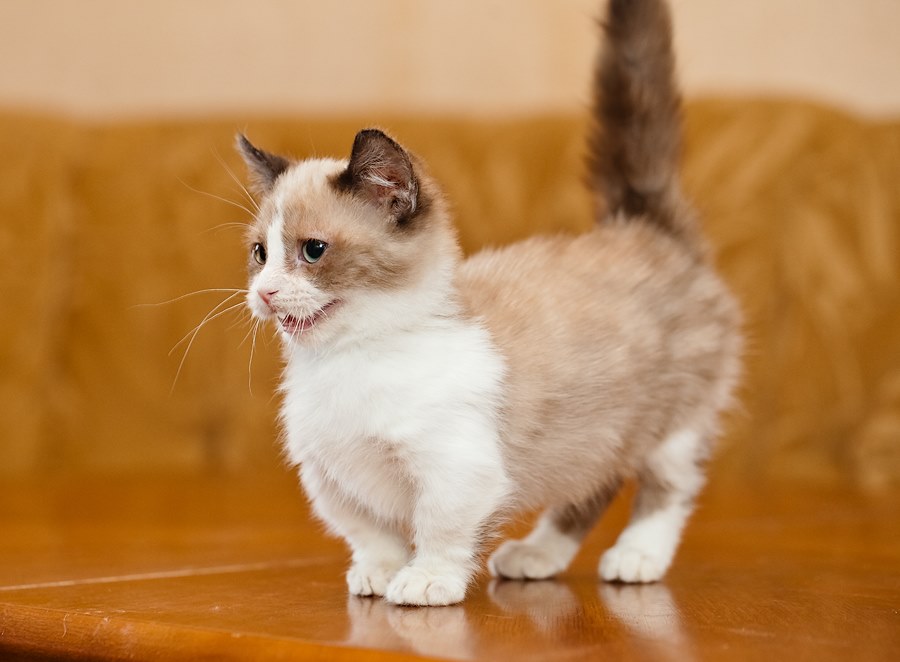
The Munchkin's short legs are not the result of selective breeding. The first documented occurrence of short-legged cats dates back to the early 19th century, and the official history of this breed began in 1983. Then, a Louisiana resident adopted a stray pregnant cat with short legs. It turned out that the long legs of these cats are the result of a natural genetic mutation, which does not prevent them from leading a full life.
Munchkins are very attached to their owners and love to spend a lot of time with them, playing or simply being around them. It's important to note that this breed isn't recommended for those who don't have time for a pet, as lack of human attention can cause Munchkins to suffer greatly and even become ill.
Lovers of intelligent cats have plenty to choose from, as there are quite a few breeds with high intelligence. But remember to consider your time and energy when choosing a pet. If you can't devote a lot of time to a cat, consider a Bengal or Norwegian Forest Cat, for example. Those seeking a loyal companion should consider friendlier breeds, such as the Sphynx or Munchkin.