These unusual and affectionate cats with aquamarine eyes have recently gained popularity among pet lovers. They are unpretentious, friendly, and prefer the company of their owners. These qualities may seem unrealistic to many, as cats are typically independent and reluctant to spend long periods of time with humans, but the Tonkinese possesses precisely these qualities. This has earned the breed love and respect worldwide. To ensure a pet of this breed retains its positive traits, it is recommended to research its personality traits, care instructions, and maintenance before acquiring a kitten.
Content
Description and standard of the breed, historical background
Tonkinese cats are believed to be a cross between the Burmese and Siamese breeds.They were first brought to America in 1930. It was then that attempts began to combine the gracefulness of the Siamese with the robust build of the Burmese. Many professionals and pet owners alike desired to see the best qualities of both breeds in their pets.
In 1960, Dane Barletta, a renowned cat breeder, decided to create a new breed by crossing a male and female of different breeds. At the same time, Margaret Conroy was pursuing similar endeavors in Canada. After some time, the two women began working together to create the perfect breed. Through numerous experiments, the modern Tonkinese emerged, captivating judges at various competitions.
It was only in 2001 that the breed was officially recognized and began to spread throughout the world.
It got its name from the origin of the Burmese cat, which comes from Vietnam, the Tonkin region.
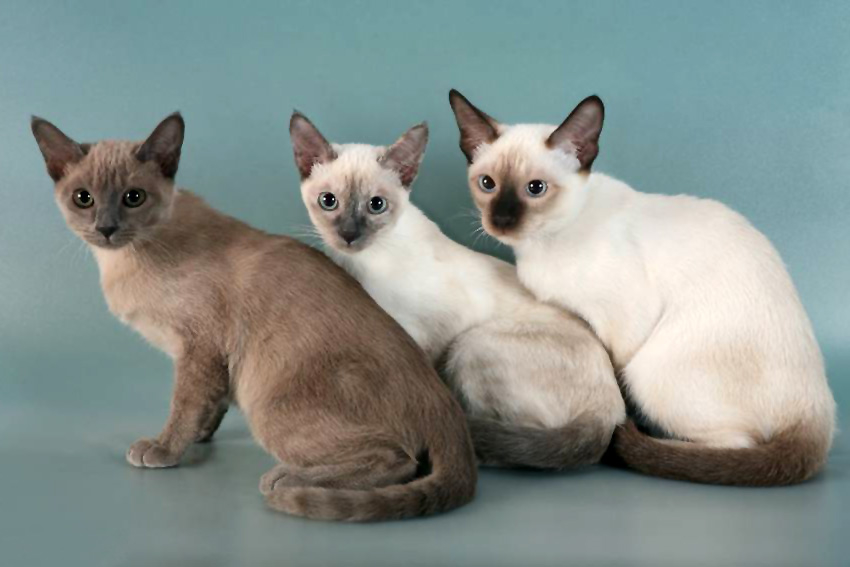
The breed standard is represented by individuals with well-developed muscles and distinguished activity. The animal's height at the withers reaches 30 cm, its weight is average and rarely exceeds 6 kg. Females weigh slightly less. The cat's head resembles an inverted trapezoid, with a broad forehead and gradually tapering eye area. The ears are quite large, elongated, and narrow. The Tonkinese's jaw is narrow, but the chin is very strong and well-developed. The eyes are typically aquamarine in color, set wide apart, and large.
The animal's body is compact, with well-developed muscles, especially in the abdominal area. The legs are long, thin, but powerful, with the hind legs slightly longer than the front ones. The pads are small and soft. The Tonkinese's coat is medium-length and soft to the touch. Three colors are recognized by the standard:
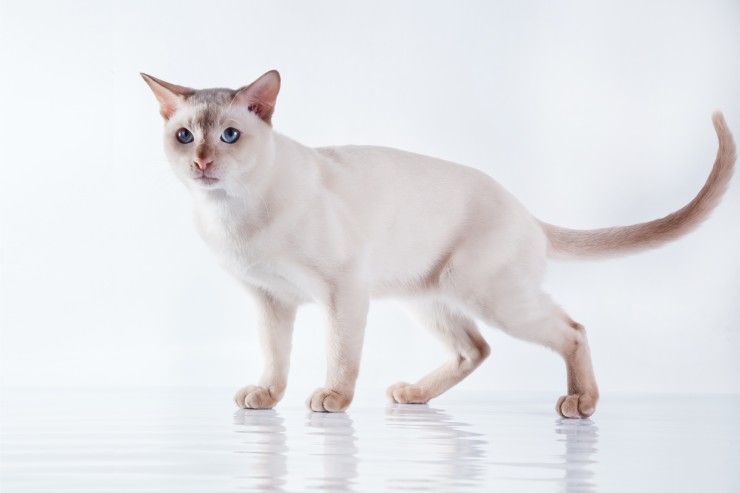
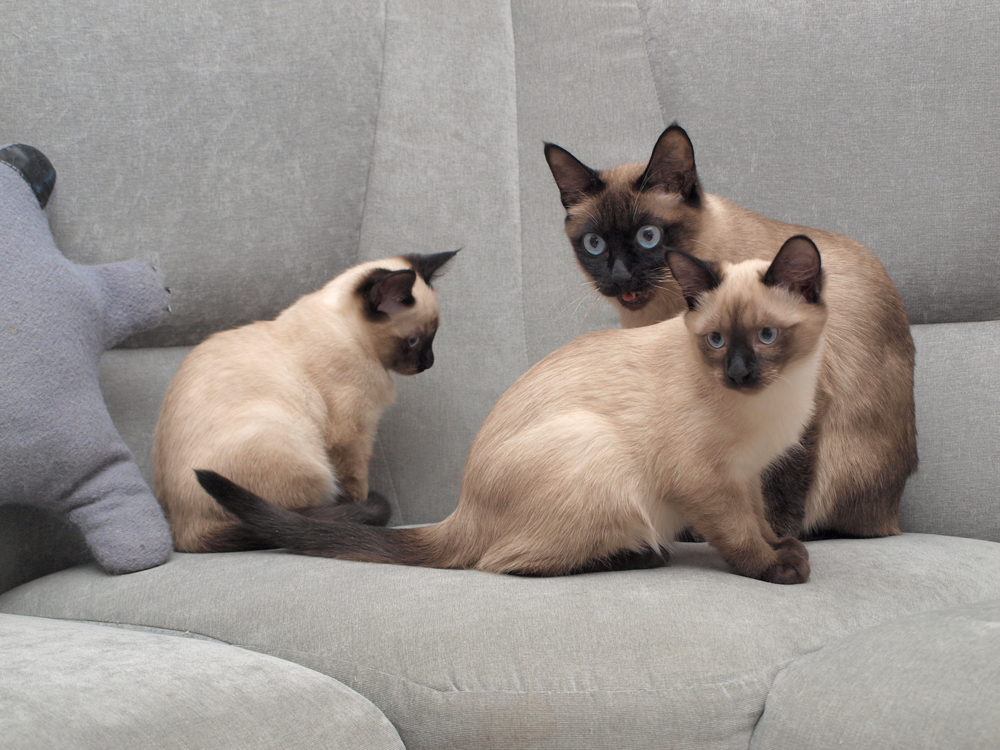
- Pointed cats have a light, but not white, body color and blue eyes. The points are slightly darker than the base color and stand out against it. This breed has several subtypes: natural, champagne, blue, and platinum. The name indicates the base color of the animal, but the points are almost always various shades of brown, sometimes black.
- Minsk, or mink Tonkinese, cats have a uniform light coat with distinct points, clearly delineating them from the base color. Mink cats have aquamarine eyes. They come in several subtypes: natural, champagne, blue, and platinum.
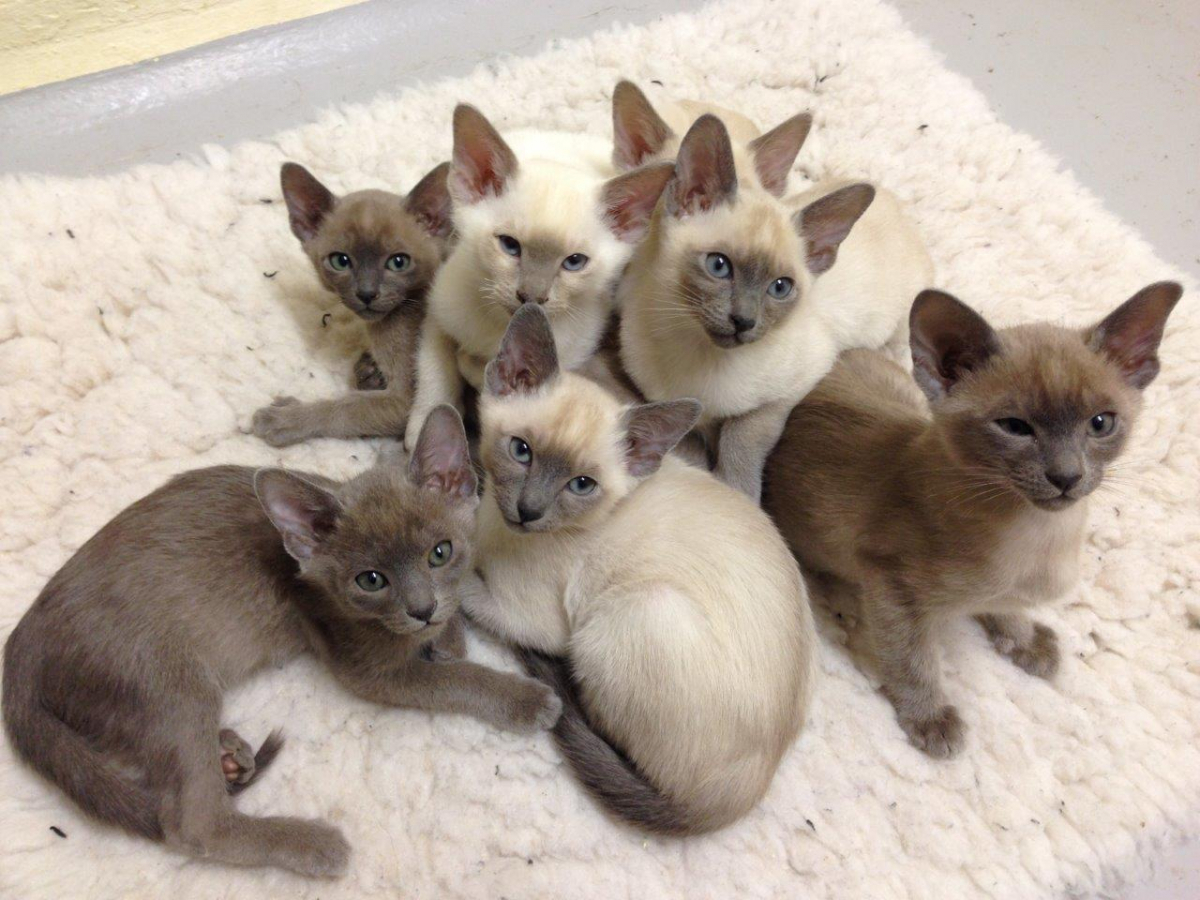
- Solid or solid-colored Tonkinese differ from standard Tonkinese in that there are no clear boundaries between the base color and the points, which are only slightly darker. The coloring can be light or dark, but it must be uniform with smooth transitions. This breed has four subtypes, like the previous types.
Each coloring is unique and striking. Some individuals resemble their Siamese ancestors in appearance.
Character
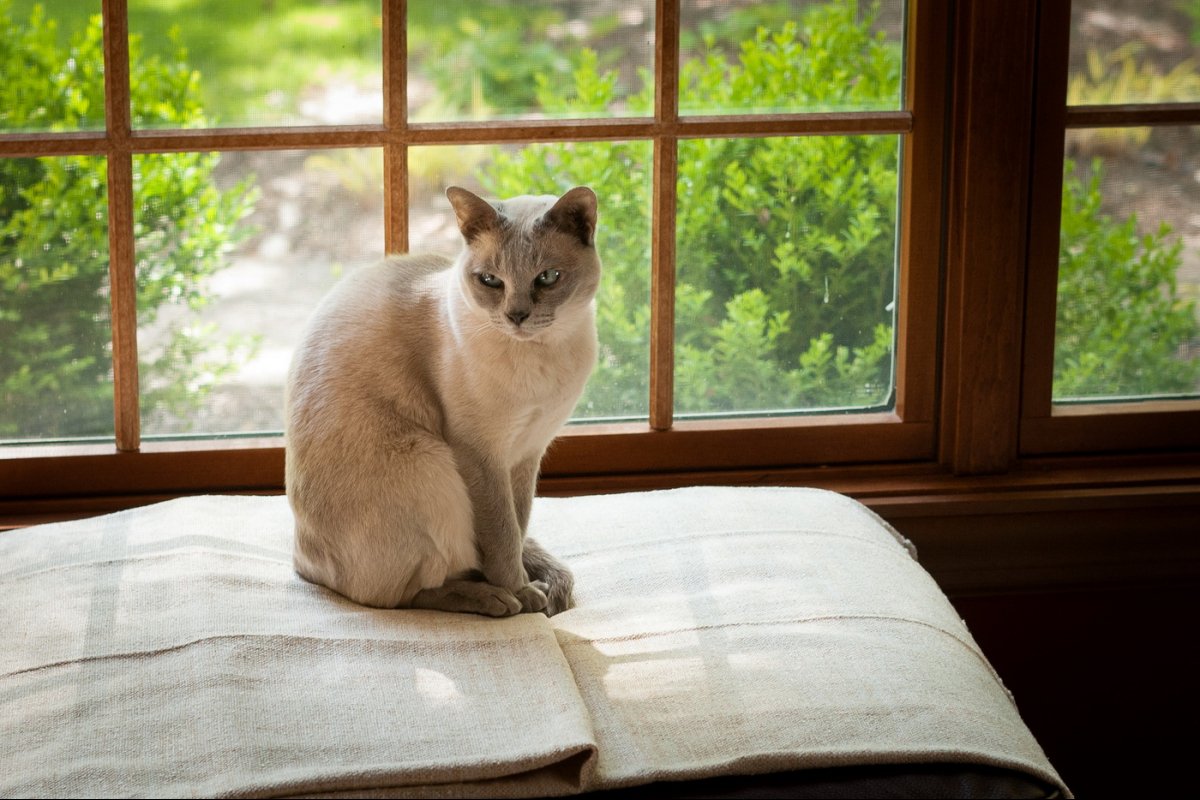
Animals get along well with children, as well as with other pets.
The most important trait of the Tonkinese cat is considered to be its activity. Both kittens and adults are active and can play day and night, so it's important to provide them with enough space and exercise. Their muscles require constant exercise, and they won't spend the entire day in a horizontal position like other breeds.
From the very first day of a kitten's arrival in its new home, experts recommend clearly defining boundaries. Tonkinese lovers claim that their pets will not violate these boundaries more than once. It's important to train the cat almost like a dog, so it will be obedient and won't cause trouble. Aggression is not recommended; instructions should be firm but gentle.
The breed is characterized by cheerfulness and sociability. They get to know their new owner through play, craving and demanding attention. Their vocal nature is inherited from the Siamese, and they can sometimes be persistent in their requests. It's important to remember that Tonkinese cats don't tolerate loneliness and thrive on company. They are non-confrontational, rarely attacking, but they recognize only one owner and quickly bond with them. They are loyal to other family members.
Pros and cons of the breed
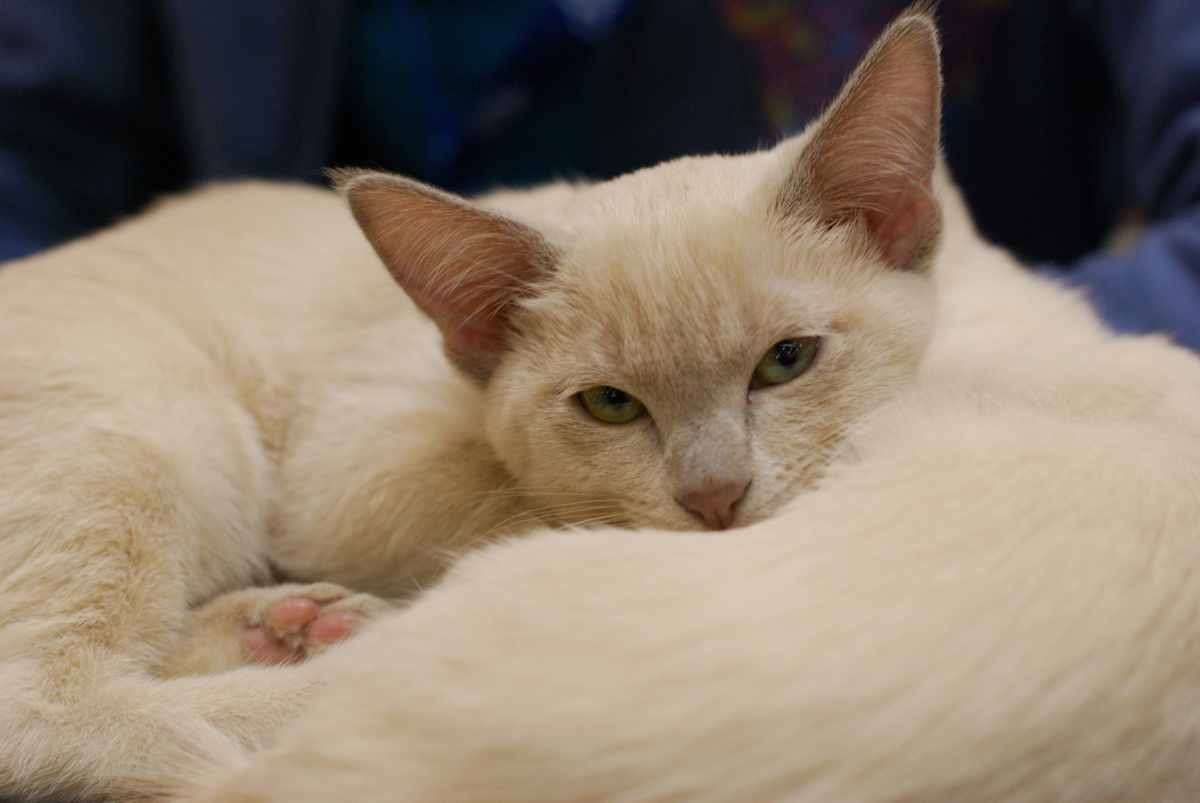
The price of a kitten starts at $200, so not everyone can afford such a pet.
Those considering a Tonkinese kitten should weigh all the pros and cons to ensure the animal doesn't become a burden or a nuisance. Among the Tonkinese's advantages are the following:
- sociability and friendliness;
- devotion and loyalty to other pets;
- short hair, making the animal easier to care for;
- unpretentiousness in food;
- beauty and grace;
- good health with proper care.
All these advantages make the Tonkinese cat an ideal pet for single people and large families with children. However, the cat does have some disadvantages:
- it regularly demands the owner’s attention and meows loudly;
- the animal should be provided with a suitable room for play and the correct load;
- individuals cannot be alone.
Care and maintenance
It is worth studying the rules for caring for and keeping a Tonkinese cat separately, since if they are violated, the lifespan is shortened and the health significantly deteriorates.
It's important to designate a place for your pet in the house. The best option would be a house with a scratching post that doubles as a bed. It is practical and comfortable, has several compartments for sleeping, and is easy to clean from wool.
What to feed
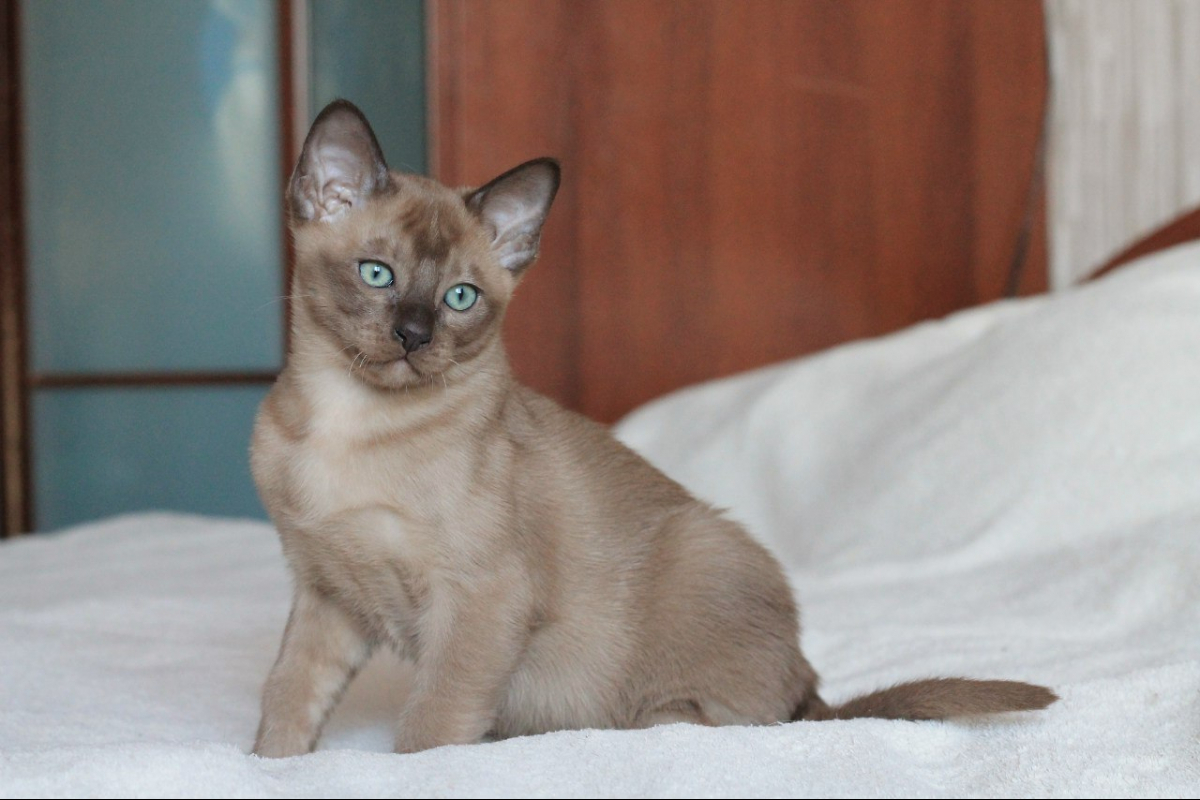
It is allowed to give your cat fermented milk products, quail eggs, and liver no more than once a week.
A pet's diet depends on what its owner has accustomed it to since its first days in the home. If a kitten has been fed a special food, transitioning it to a natural diet will be difficult, sometimes even impossible. When using food, it's important to choose the highest quality and most balanced. After eating, the animal should be active, and vomiting or loose stools should be avoided.
Natural foods should contain all the necessary vitamins and minerals. The diet should consist of 60% meat (beef, poultry, or rabbit), and 20% vegetables and greens, excluding potatoes and onions. The remaining 20% should come from grains, such as pearl barley, rice, or buckwheat.
Feeding portions should be proportional to weight. No more than 35 grams of food per kilogram. This will prevent overfeeding and keep your pet in good shape.
It is strictly forbidden to feed your pet raw meat alone or in combination with porridge and vegetables. It must be cooked.
Grooming
Quality care is the key to a cat's health.
Like all members of their breed, Tonkinese are excellent self-groomers, but they cannot completely clean themselves without their owner's help. Brushing twice a week is recommended, and more frequently during shedding season. Bathing is essential at least once every eight weeks. Eye care should be done daily, using special eye drops and wiping with a cotton pad to prevent clogging and tear ducts.
It's important to maintain proper ear care, cleaning them with a cotton swab at least once every five days and performing gentle massage to promote earwax removal. Oral hygiene should be done every other day. For this, you'll need a soft toothbrush and cat toothpaste. These procedures help prevent inflammation caused by pathogens.
A cat's claws must be trimmed as they grow. A nail clipper is used for this purpose. Avoid trimming the pink body of the claw; simply remove the opaque tip.
Education and training
A Tonkinese should be trained from the very first day it arrives in its new home. Upon arrival, a kitten will immediately try to explore every nook and cranny. It's important to restrict its access to areas it doesn't want to be in. Don't be aggressive toward the kitten, but it's important to establish the rules immediately, firmly and calmly.
With the right approach, your pet will grow up obedient and understanding. After 2-4 weeks of keeping your kitten at home, you can begin training them. Tonkinese enjoy jumping, spinning, and perching on their owner's shoulders the most. If you're inexperienced, it's best to consult a trainer.
Diseases and treatment
Improper care or an unbalanced diet can lead to the development of various diseases.
The most common are the following.
| Disease | Treatment |
| Gingivitis is an inflammatory disease characterized by damage to the gums. It manifests as redness, swelling, bleeding, and sometimes bone involvement. It can be caused by poor oral hygiene or eating hard foods. | Metrogyl Denta gel and the veterinary medications Zubastik and Dentavedin are used for treatment. The main part of treatment is regular teeth brushing and feeding only soft food. |
| Inflammatory bowel disease is accompanied by nausea, vomiting, loss of appetite, loose stools, and weakness. It develops in response to poor-quality food and chemicals. | Antibiotics (Metronidazole) and B vitamins are used in therapy. A gentle diet and plenty of fluids are essential. In severe cases, hormonal agents (Prednisolone) are used. |
| Upper respiratory tract infections are accompanied by coughing, sneezing, watery eyes, and nasal discharge. They occur through contact with sick animals. | Antibiotics and antivirals are used to relieve symptoms. Interferon is also prescribed to boost the immune system. Mucus is regularly removed from the nose, and the animal is force-fed and given water from a dropper. |
| Amyloidosis is a rare disease characterized by a disruption of protein metabolism in a pet's body. It develops as a result of regular and severe dietary inconsistencies, infection, and hereditary diseases. The animal becomes lethargic, emaciated, and refuses to eat. | This condition is not completely curable. It is only possible to alleviate the pet's condition with proper care, force-feeding, and fluid administration. |
If symptoms of any illness appear, seek qualified help. Diseases can be prevented with timely vaccination against parasites..
Average life expectancy
The Tonkinese cat is generally a long-lived cat. The average lifespan is 15 years. Some individuals can live up to 17–18 years, similar to other breeds.
Lifespan depends largely on proper care and treatment. Aggression and lack of time will inevitably impact a cat's emotional state.
Breeding
Without experience in breeding purebred cats, you can get unhealthy offspring.
Only a qualified felinologist should breed Tonkinese cats. This requires enrolling in the appropriate courses and obtaining permission to establish a cattery.
It's issued by a special club for this breed. Only then can breeding begin.
Knitting
For mating, it is worth choosing animals that are distinguished by good health and are winners of various competitions. If a person purchases a kitten for breeding purposes, he must notify the seller of this, and the seller must provide all documents confirming the health and purity of the breed.
To prevent genetic diseases in kittens, both potential parents undergo DNA testing. Mating occurs at 1.5 years of age. It's best to choose kittens of similar coloring to increase the chance of producing beautiful kittens. A cat should give birth no more than once a year to avoid depletion.
Mating occurs on the third day of the female's estrus cycle. Pregnancy is easy to determine: the cat's nipples swell, her belly enlarges, and her food preferences change. A cat's litter rarely exceeds six kittens. Within eight weeks of birth, the kittens are registered with the breed club.
Caring for offspring
Newborn kittens don't require any special care. The mother cleans and grooms them herself. The only requirement for their maintenance is the provision of a room or corner where the mother and her babies will be.
Sometimes the cat itself crushes the baby, so it is necessary to prevent this possibility.
It's important to ensure everyone is getting enough food. If there's a weak kitten in the litter, pay extra attention to it, make sure it doesn't starve, and prevent injuries.
What to call it
Today, choosing a pet name is a diverse process. Owners make their own decisions based on the animal's appearance, habits, and personality.
Names for boys
The most popular nicknames for male kittens are: Anubis, Amur, Bushuy, Barsik, Belyash, Vaska, Murchik, Boris, Thomas, and Ginger. The owner makes the choice, and any nickname will suit the kitten.
Nicknames for girls
Female Tonkinese cats are often given names that are original, striking, and elegant. The most common nicknames are: Brunhilda, Bastinda, Marka, Claire, Klepa, Princess, and Matilda.
There are many nicknames, so choosing the right one is not difficult.
The Tonkinese cat is a beautiful, friendly, and playful pet, distinguished by its easy-going nature, easygoing personality, and ability to get along with all kinds of people and animals. With proper care and attention, the Tonkinese can become a true and devoted family friend.