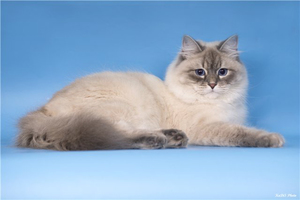
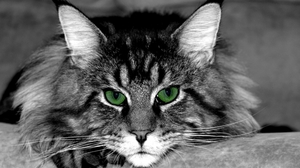
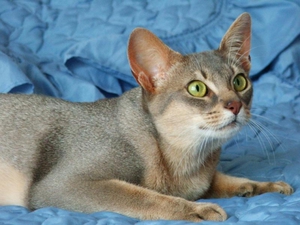
The Chartreux is a charming cat with a plush, fur-like coat. These large, strong, and hardy cats have a calm and independent nature. They are loyal, affectionate, and easy-to-eat, requiring little grooming or upkeep. Purebred cats are rare, especially in Russia. They can compete in competitions and shows if their appearance meets established standards.
Content
Historical background
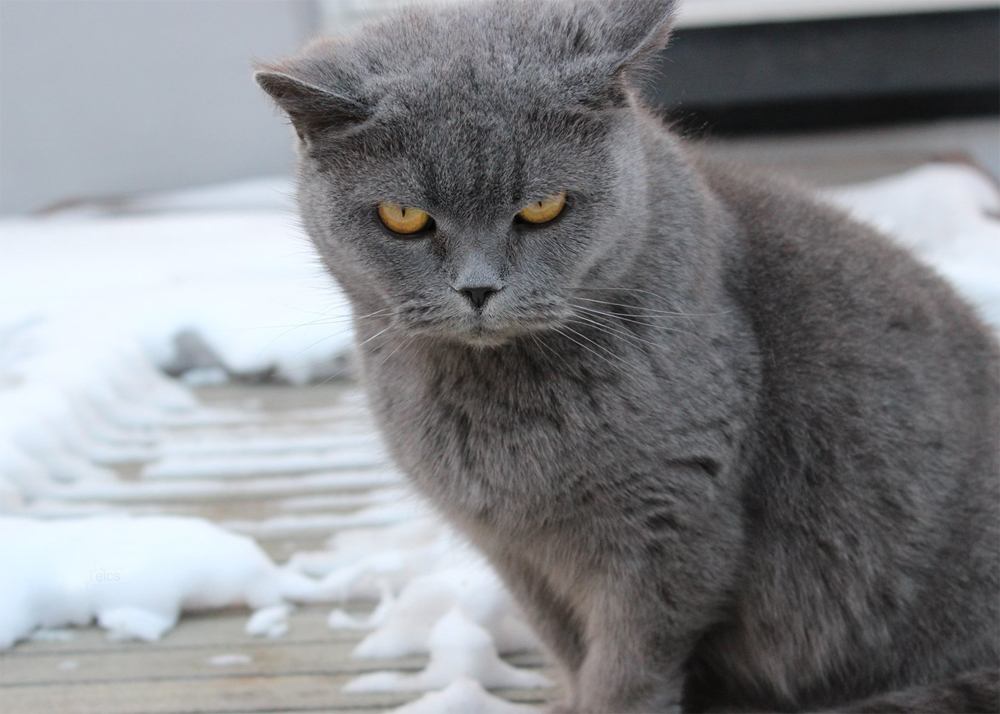
The most ideal breed lines are registered in the USA
The Chartreux (medieval or Carthusian cat) appeared in France in the 16th century. The breed's exact origin is unknown. The ancestors of these animals may have been individuals brought from Iran, Syria, or Africa. There are several stories about the origin of the name:
- Carthusian cats were bred by monks at the Grande Chartreuse monastery. They guarded food supplies from mice, but no records of them were ever written about.
- The pet was named after the wool fabric Chartreuse, its fur is similar to its texture, soft and gentle.
The cats weren't popular. Breeders only became interested in them after the First World War. In 1928, they first appeared at shows in England.
After World War II, the breed's popularity declined. Later, cats began to be crossed with British and Persian cats. In the 1970s, Chartreux cats arrived in the United States. Today, Chartreux cats are almost never seen in France or other European countries.
These individuals are similar in appearance to British Shorthairs. It's difficult for a non-specialist to tell them apart. Purebred pets are expensive.
The Carthusian cat Gris-Gris was Charles de Gaulle's favorite; he was noted for his intelligence and quick wit. He immediately captured the general's heart, even though he was considered a dog lover.
External description
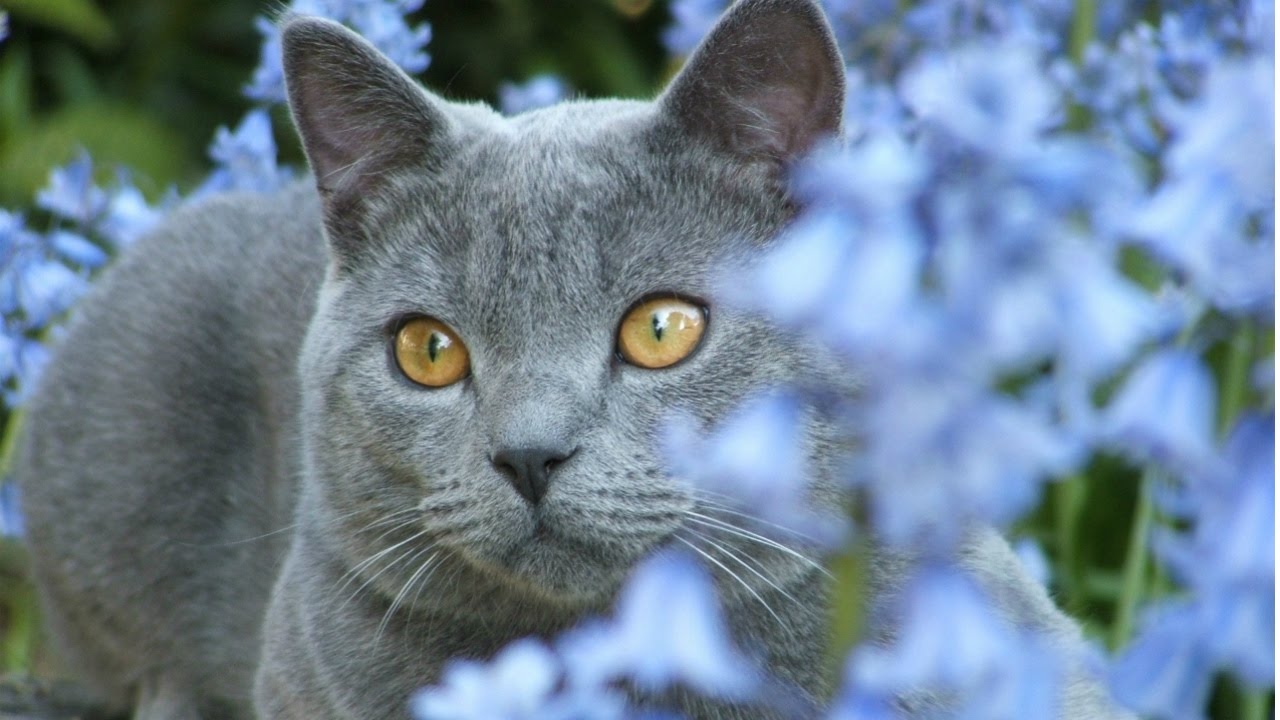
Sharp color transitions in the coat color are unacceptable.
The average lifespan of Chartreux cats is 13 years. Official organizations specify precise appearance standards for the Chartreux breed:
- Individuals are large, stocky, and weigh 4-7.5 kg. Males are noticeably larger than females.
- The body is massive, medium length, but flexible. The skeleton is strong. The muscles are well developed.
- The chest is wide, the back is short, muscular and strong.
- The head is large and rounded. Adult males have prominent cheeks.
- The muzzle is narrow, the whisker pads are not pronounced. The nose is gray.
- The eyes are large, round, and close-set. Their color ranges from copper to gold, but a bright, shimmering orange is preferred. Kittens' eyes are blue or gray-blue. Their color changes with age.
- The ears are medium in size, rounded at the tips, and set high.
- The limbs are short, the front ones are of medium thickness, the hind legs are full, large, and round in shape.
- The tail is medium length, thick at the base, and gradually tapers towards the end. The tip is rounded.
- The coat is short, thick, soft, shiny, and dense (more like fur). It has a water-resistant undercoat. It is several shades darker than the main coat and equal in length to the coat. Mature cats have folds on the neck. The tips of the hairs have a silvery sheen.
- The color is various shades of blue and blue-gray, without impurities, spots, or markings. The tone is uniform.
The color can only be assessed by examining the pet. Photos do not convey the depth of color and shades.
Personality traits
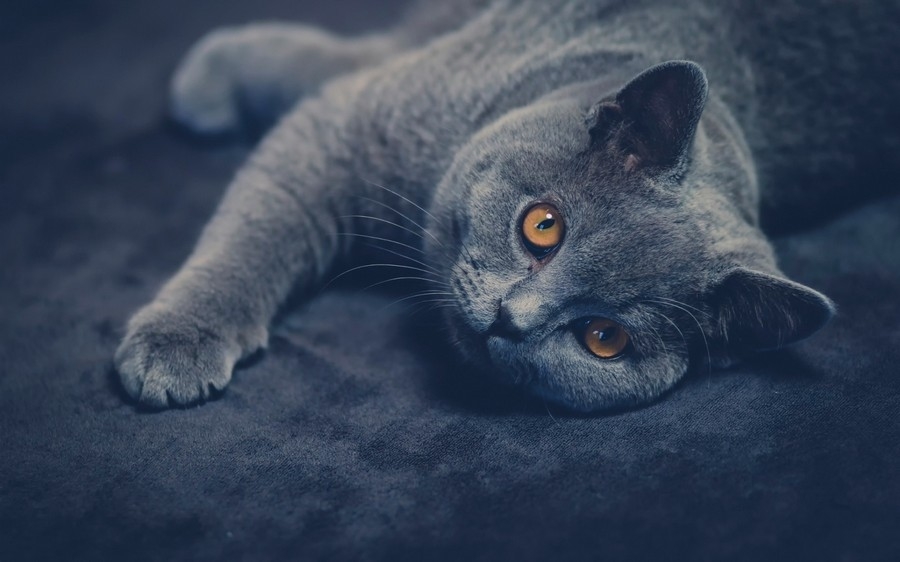
Cat fur can cause allergies.
Cats have many virtues: they are reserved, calm, balanced, intelligent, affectionate, and playful. They usually single out one family member for special attention, but they are also affectionate and friendly with others, and they are highly intelligent.
This pet adapts easily to new living conditions and appreciates peace, quiet, and comfort. It can be left alone in the house. It rarely vocalizes, but loves to purr.
They have an independent, self-sufficient nature. Cats enjoy their owner's company but don't impose themselves on them; they sense their owner's mood and are non-aggressive. They have a well-developed hunting instinct and easily catch mice and small birds.
Disadvantages include a tendency to obesity. They require a balanced diet and exercise. Chartreux are jealous and dislike the addition of other pets to the family.
Choosing a kitten
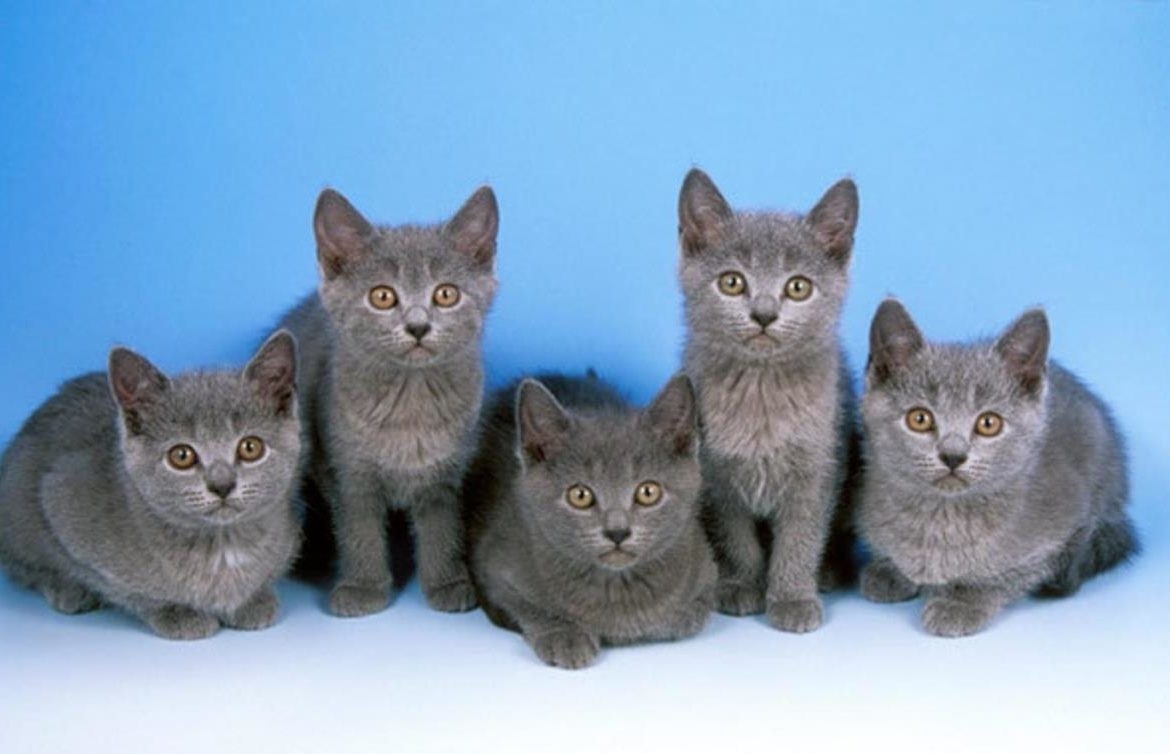
British cats are often passed off as Chartreux, as they are very similar in appearance.
In Russia, purebred individuals are rare, and there is a risk of acquiring a crossbreed.
Choose a pet with ideal external characteristics according to the standard and a veterinary passport. It's a good idea to ask for a pedigree to ensure the kitten's bloodline is pure. Healthy kittens are active, well-fed, with shiny, soft fur and bright eyes. When purchasing a kitten, it's best to seek the advice of a qualified professional.
A kitten is always given a name after purchase. Some kittens have a name listed on their papers, and you can keep it or change it.
Nickname ideas:
- for boys: Donald, Tim, Sam, Tyson, Ali, Thomas, Semyon, Charlie.
- for girls: Ruta, Utah, Samantha, Lika, Dana, Louise, Dune, Gina.
Maintenance and care
The Chartreux can live in an apartment or a country house. It easily tolerates travel and changes of environment. It doesn't require any special conditions and prefers to be in the company of its owner.
You'll need bowls, toys, a scratching post, a litter box, and grooming products (brushes, comb, shampoo). Your pet will easily learn house rules and behavior quickly.
The cat will choose its own place to rest and sleep.
Chartreux require outdoor walks, even in winter. This will help prevent obesity. Supervision or use of a leash is essential.
If exposed to bright sunlight for a long time, your pet's fur will turn brown and become dull.
Maintaining appearance
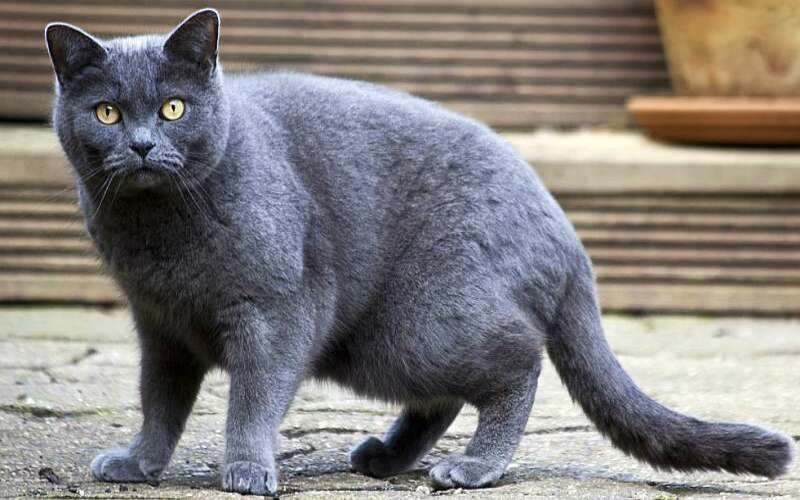
It is important to note that she does not like closed doors and prefers to move freely around the apartment.
It doesn't require any special care. You just need to follow the standard procedures it's been trained to from early puppyhood:
- The pet doesn't like bathing. It's washed no more than 3-4 times a year. Its thick coat repels water, doesn't get wet easily, and takes a long time to dry.
- To keep the coat neat, brush it twice a week. During shedding season, use a furminator.
- Clean ears, teeth and wipe eyes weekly.
- Claws are trimmed once a month.
- The coat is regularly treated against ticks and fleas, especially if the pet goes outside.
Proper nutrition
High-quality, balanced nutrition is the key to your pet's health and beauty. Carthusian cats are prone to weight gain. It's important to monitor their diet. Adults are fed small meals twice a day. Kittens are fed four times a day, with the amount gradually reduced.
Your pet can eat dry cat food or canned cat food. The kibble already contains all the necessary vitamins and minerals. It's important to choose a high-quality product.
Experienced breeders can independently create a balanced natural diet:
- Meat (beef, rabbit, veal, turkey, chicken). Pork is contraindicated as it is poorly digested.
- Boiled sea fish, offal.
- Porridges (oatmeal, rice, buckwheat) with vegetable oil and chopped vegetables.
- Fermented milk products (sour milk, fermented baked milk, whey, kefir, cottage cheese).
- Boiled eggs.
- A fresh, green herb. It helps clear hairballs from the stomach. In winter, it's grown on a windowsill.
- Clean drinking water.
Prohibited foods: salty, sour, spicy, baked, fried, smoked, fatty, legumes, fish and meat bones.
Breeding
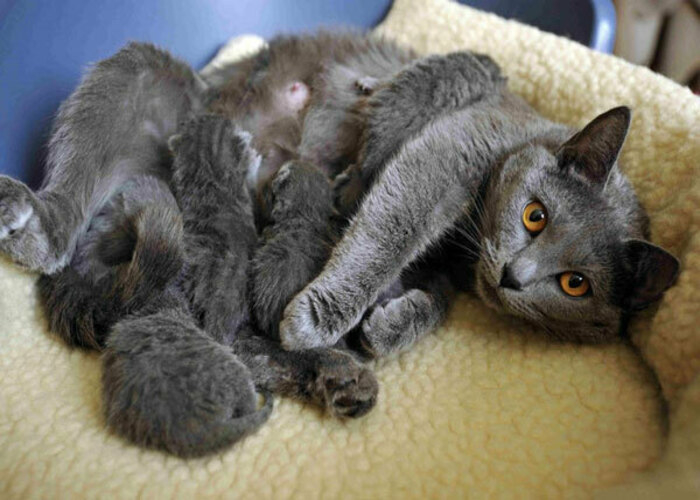
Chartreux are caring and affectionate mothers.
Nowadays, Chartreux are only bred with purebreds. Finding the perfect match is difficult. It's important to check the animals' health and trace their pedigree. Females are mated at 2-2.5 years of age, and males at 1.5 years.
There's no guarantee of pregnancy after the first mating; several visits may be necessary. A veterinarian can confirm pregnancy. The cat's diet should be supplemented with calcium, vitamins, and protein, and she should be provided with rest.
Labor occurs after approximately 60 days. Cats are strong and resilient, and experience no problems with pregnancy or birth. They prepare a warm, quiet place for the kittens and the mother in advance.
Kittens are breastfed for the first few months of their lives. After three months, they become completely independent. They are housebroken, vaccinated, and offered for sale. Experts recommend finding new homes for your kitten early.
Animal health
Chartreux are strong, resilient, and have a strong immune system, but poor nutrition and improper care can lead to serious health problems:
- Joint diseases, dislocations. They usually occur due to obesity and a sedentary lifestyle. It's necessary to visit a clinic, get x-rays, and begin treatment.
- Sometimes an animal may exhibit congenital luxation of the patella (on the hind legs). Weakness of the limbs and lameness occur. Such individuals are not allowed to breed.
- Some cats have incisors that are too small and close together. To prevent permanent teeth from pushing them out, incorrectly positioned ones are removed.
- Various oral problems: plaque, tartar, gum inflammation. Constant monitoring and cleaning will help to cope with this.
Pets also need regular veterinary checkups. Kittens receive all vaccinations according to schedule. Vaccinations are repeated annually. Regular deworming is performed. This procedure is mandatory before mating and vaccinations.
The Chartreux is a cat breed with a docile nature, loyal, and intelligent. They are suitable for families with children; they are affectionate and calm. They don't require any special living conditions or care, and they don't cause any problems for their owners.